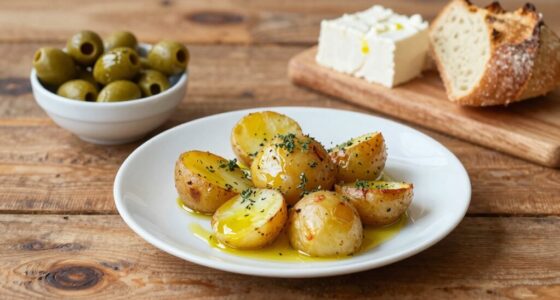
In Spanish cooking, you combine smoke, sweetness, and salt through traditional techniques to create bold, balanced flavors. Using smoked paprika or salt adds rustic depth, while caramelized onions and roasted peppers bring natural sweetness. Properly timing and executing these methods guarantees each element enhances the others, resulting in a dish full of harmony and complexity. If you keep exploring, you’ll discover how masterful sourcing and techniques elevate these flavors into truly authentic Spanish cuisine.

Get kitchen staples and gadgets delivered free — and shop member deals
- Fast, free delivery on millions of items
- Access to Prime Big Deal Days deals on October 6–7
- Prime Video, Amazon Music and more included
Key Takeaways
- Traditional Spanish techniques involve toasting spices and slow simmering to develop balanced smoke, sweetness, and salt flavors.
- Smoked ingredients like paprika and salt add depth, harmonizing with caramelized onions and roasted peppers for sweetness.
- Proper timing and layering during cooking ensure smoke, sweetness, and salt work together for complex flavors.
- Authentic sourcing of fresh ingredients enhances natural sweetness and supports balanced seasoning.
- Respecting culinary traditions guides the integration of smoke, sweetness, and salt for vibrant, authentic dishes.
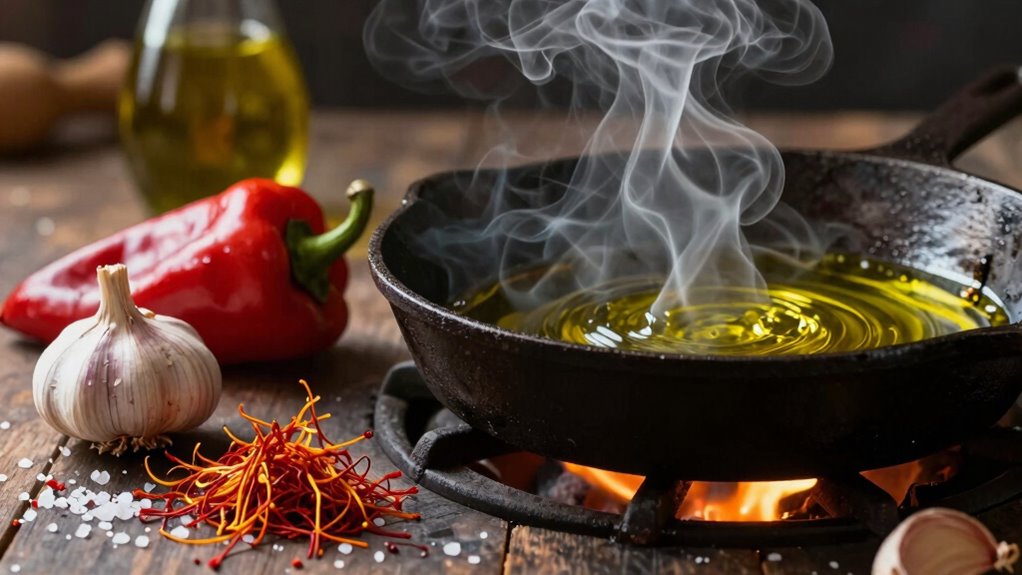
Have you ever wondered what makes Spanish cuisine so vibrant and flavorful? It all begins with the foundation of authentic ingredient sourcing. When you use fresh, high-quality ingredients, every dish bursts with its true character. Think ripe tomatoes, fragrant saffron, smoky paprika, and robust olives—these elements are essential for capturing the authentic essence of Spanish cooking. Sourcing ingredients from local markets or trusted suppliers guarantees you’re getting the best flavors, which can’t be replicated with cheap substitutes. The freshness of each component is what elevates a simple dish into something memorable.
Once you’ve gathered your ingredients, the magic continues with traditional cooking techniques. Spanish cuisine relies on methods that have been handed down through generations—methods that develop depth and complexity in every bite. You might simmer a hearty stew slowly over low heat, allowing the flavors of smoked paprika and garlic to meld perfectly. Or, you could use the technique of toasting spices before adding liquids, revealing richer aromas and layered flavors. These techniques aren’t just about following recipes—they’re about respecting the history and culture embedded in the food.
The interplay of smoke, sweetness, and salt is what truly makes Spanish dishes stand out. Smoke adds a depth that hints at rustic outdoor kitchens or wood-fired ovens. You might incorporate smoked paprika or use a touch of smoked salt to reveal that distinctive smoky flavor. Sweetness often comes from caramelized onions, roasted peppers, or honey, balancing out the savory elements. You’ll find that a pinch of sugar can enhance the natural sweetness of certain vegetables, creating a harmonious contrast. Salt, on the other hand, is fundamental in bringing out the natural flavors of your ingredients. Proper salting during cooking assures each taste is bold and well-rounded, never flat.
Achieving this balance often depends on an understanding of traditional techniques, which help you perfect the timing and harmony of flavors. Combining these elements requires a keen sense of timing and balance. You’re not just throwing ingredients together—you’re orchestrating a symphony of flavors that work together to create a truly authentic Spanish experience. That’s where your understanding of traditional techniques and commitment to sourcing authentic ingredients come into play. When you respect these principles, your dishes will sing with the vibrant, layered flavors that define Spanish cooking. It’s a dance of smoke, sweetness, and salt—each playing its part to craft a meal that’s as lively and rich as the culture itself.
As an affiliate, we earn on qualifying purchases.
Frequently Asked Questions
How Do Traditional Spanish Cooking Techniques Influence Flavor Development?
Traditional Spanish cooking techniques influence flavor development by emphasizing flavor layering through methods like smoking, caramelizing, and salting. You’ll notice how these techniques bring out rich, complex tastes, allowing ingredients to meld harmoniously. By slow-cooking or charring, Spanish cuisine enhances natural sweetness and smokiness, while salt boosts overall depth. These methods create a balanced, vibrant flavor profile that makes each dish uniquely memorable.
What Are Common Regional Variations in Spanish Seasoning?
You might think regional variations in Spanish seasoning are just about different ingredients, but research suggests they reflect historical trade routes and local climates. Spanish spice blends often include paprika or saffron, while regional herb usage varies from rosemary in Catalonia to bay leaves in Andalusia. These differences deepen flavors and showcase local culinary identities, making each region’s cuisine uniquely vibrant and authentic.
How Does Spanish Cuisine Balance Sweetness and Saltiness?
You’ll notice that Spanish cuisine balances sweetness and saltiness through thoughtful flavor pairing. For example, many Spanish desserts incorporate a touch of salt to enhance sweetness, like in crema catalana or churros with salted caramel. This harmony creates complex flavors that highlight the natural richness of ingredients. By blending sweet and salty elements, Spanish dishes achieve a memorable taste, making each bite both satisfying and intriguing.
What Role Does Smoke Play in Authentic Spanish Dishes?
You taste the smoky depth in authentic Spanish dishes, where wood or aromatic herbs infuse flavors like a gentle breeze over a vineyard. Smoke enhances the richness of Spanish wine and olive oil, adding a warm, earthy layer that complements sweetness and saltiness. This smoky aroma binds the ingredients, creating a harmonious blend that elevates traditional recipes, making each bite a mesmerizing journey through Spain’s culinary landscape.
Are There Specific Spanish Ingredients That Enhance Smoky Flavors?
Yes, certain Spanish ingredients enhance smoky flavors. You might use Spanish cheeses like Manchego, which add depth, or incorporate saffron infusion to introduce subtle smoky notes. These ingredients complement traditional methods, such as using smoked paprika or chorizo, amplifying the smoky profile. By combining these elements, you create complex, authentic flavors that reflect Spain’s rich culinary heritage.
As an affiliate, we earn on qualifying purchases.
Conclusion
As you embrace Spanish cooking, you realize how smoke, sweetness, and salt dance together like an intricate melody. They remind us that harmony isn’t just found in flavors but in life’s balance itself. When these elements unite, they reveal that even in simple ingredients, there’s a symphony waiting to be uncovered. So, keep exploring, and let each dish teach you that in the art of flavor, as in life, every note counts.
As an affiliate, we earn on qualifying purchases.
As an affiliate, we earn on qualifying purchases.
NFL season / tailgating Picks
team gear
As an affiliate, we earn on qualifying purchases.