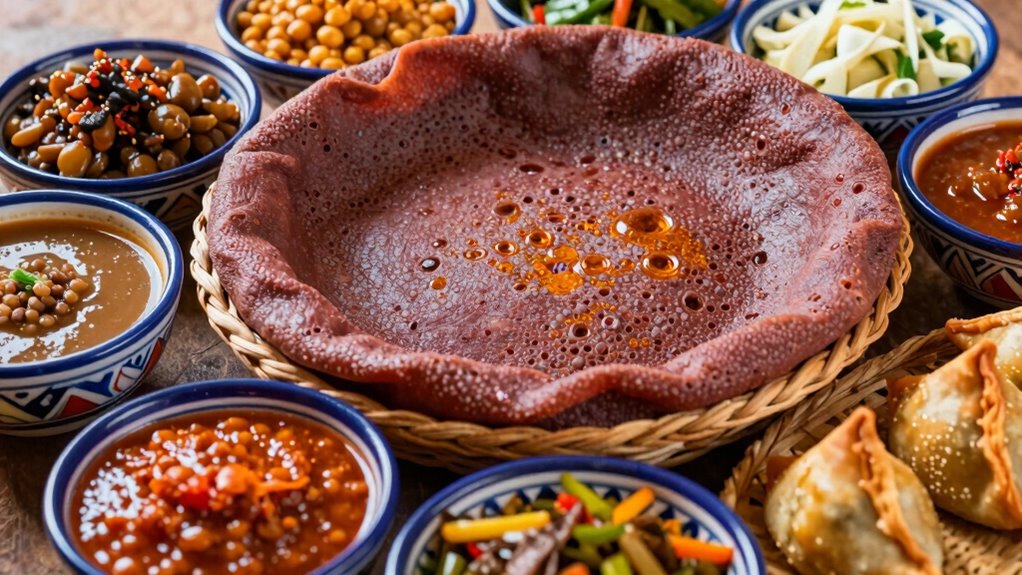

Ethiopian food shows how fermentation transforms an entire meal by adding a distinct sour flavor, especially in dishes like injera. This natural process breaks down complex carbs, making foods easier to digest and more nutritious, while also acting as a preservative. Microbial diversity in fermentation creates rich, unique flavors that echo traditional practices. If you want to discover how these techniques influence taste, texture, and cultural significance, there’s much more to explore.

Get kitchen staples and gadgets delivered free — and shop member deals
- Fast, free delivery on millions of items
- Access to Prime Big Deal Days deals on October 6–7
- Prime Video, Amazon Music and more included
Key Takeaways
- Fermentation imparts a sour flavor to Ethiopian dishes like injera, influencing the entire meal’s taste profile.
- Natural fermentation breaks down carbohydrates, making ingredients more digestible and nutritious.
- Traditional fermentation preserves ingredients, extending shelf life and reducing food waste.
- Microbial diversity in fermentation enhances flavor complexity and adds unique regional characteristics.
- Modern chefs adapt traditional Ethiopian fermentation techniques to create innovative, globally appealing dishes.
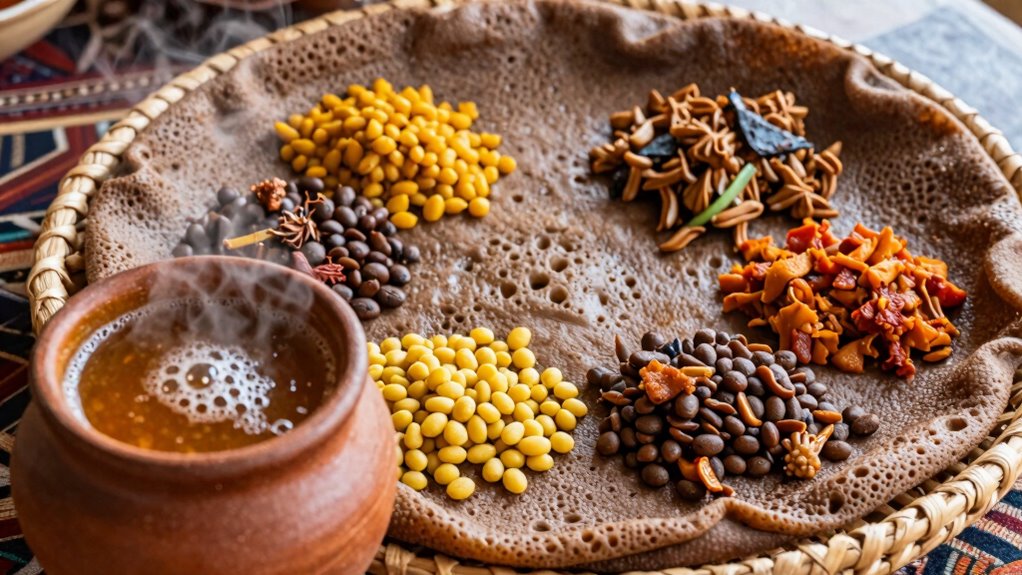
As you explore Ethiopian food, you notice how fermentation influences the entire meal. The sour tang of injera, for example, isn’t just a flavor; it’s a result of a natural fermentation process that can take several days. This process breaks down complex carbohydrates, making the bread easier to digest and more nutritious. Fermentation also acts as a natural preservative, extending the shelf life of ingredients in a climate that can be hot and humid. When preparing dishes like shiro or kitfo, you see how fermentation steps have been integrated into traditional recipes, giving each meal a distinctive depth of flavor that’s impossible to replicate with modern shortcuts. biodiversity in microbial communities plays a crucial role in maintaining the unique qualities of traditional starters, highlighting the importance of preserving microbial diversity for sustainable food practices. This microbial diversity not only sustains the traditional flavors but also promotes food security by supporting resilient fermentation processes.
In recent years, chefs and food enthusiasts have started applying traditional fermentation techniques to modern culinary applications. You’ll find contemporary restaurants experimenting with Ethiopian-inspired fermented foods, blending age-old methods with innovative ideas. You’ll also notice how microbial diversity contributes to the complexity and richness of flavors, making each fermented product unique. Some chefs ferment vegetables or dairy products using traditional Ethiopian starters, creating new textures and taste profiles that appeal to a global audience. By doing this, they’re not only honoring the culinary heritage but also showing how fermentation can elevate modern cuisine. These adaptations help preserve traditional flavors while making Ethiopian food more accessible and versatile in contemporary kitchens.
Ethiopian injera starter culture
As an affiliate, we earn on qualifying purchases.
As an affiliate, we earn on qualifying purchases.
Frequently Asked Questions
How Long Does Ethiopian Fermentation Typically Take?
The fermentation process for Ethiopian dishes typically takes about 24 to 48 hours when using traditional methods. You’ll notice that the fermentation time varies depending on factors like temperature and ingredients. During this period, natural fermentation transforms the flavors, giving the food its distinctive taste. By sticking to traditional methods, you allow the natural microbes to develop fully, ensuring authentic flavors and improved digestibility in your meals.
Are There Health Benefits to Fermented Ethiopian Foods?
You might be surprised, but fermented Ethiopian foods offer notable health benefits. They contain probiotic benefits that boost your immune system and enhance gut flora. These foods support digestive health, making digestion smoother and reducing discomfort. As you indulge in these traditional dishes, you’re not only experiencing rich flavors but also nurturing your health. Embrace the fermentation process, and your body reaps the benefits in ways you might not expect.
Can I Make Ethiopian Fermented Foods at Home?
Yes, you can make Ethiopian fermented foods at home by combining traditional fermentation techniques with modern kitchen adaptations. Start with simple recipes like injera or doro wat, using traditional methods to ferment ingredients naturally. Use clean containers, maintain proper temperatures, and be patient as fermentation develops. Modern tools like air-tight jars and temperature-controlled environments can help guarantee successful fermentation, making authentic Ethiopian flavors accessible right in your own kitchen.
What Are Common Ingredients Used in Ethiopian Fermentation?
You’ll find that traditional techniques use ingredients like teff, barley, or wheat to start fermentation, creating a lively, bubbling culture. Common ingredients include water, salt, and sometimes sorghum or millet, which add depth and flavor. Ingredient variations depend on regional tastes, blending spices and grains to develop unique tangs. As the mixture ferments, it transforms, becoming a vibrant, tangy base that infuses your meal with rich, authentic Ethiopian character.
How Does Fermentation Affect the Taste of Ethiopian Dishes?
Fermentation profoundly boosts the flavor of Ethiopian dishes through traditional methods, creating a richer, more complex taste. You’ll notice a tangy or sour note that enhances the overall flavor profile, making the meal more satisfying. This process also introduces subtle layers of aroma and depth, transforming simple ingredients into delicious, memorable dishes. By embracing these traditional fermentation techniques, you experience a unique, authentic taste that’s both vibrant and deeply rooted in Ethiopian cuisine.
fermentation jars for vegetables
As an affiliate, we earn on qualifying purchases.
As an affiliate, we earn on qualifying purchases.
Conclusion
So, next time you enjoy Ethiopian food, remember that it’s not just about the flavors—it’s about the magic of fermentation transforming simple ingredients into something extraordinary. Ironically, the very process that takes time and patience is what makes these dishes so vibrant and unique. It’s a delicious reminder that sometimes, the best things in life—and in food—come from waiting and letting nature do its thing. Who knew that patience could be so tasty?
As an affiliate, we earn on qualifying purchases.
Ethiopian traditional fermentation equipment
As an affiliate, we earn on qualifying purchases.
As an affiliate, we earn on qualifying purchases.
Fall Picks
fall essentials
As an affiliate, we earn on qualifying purchases.