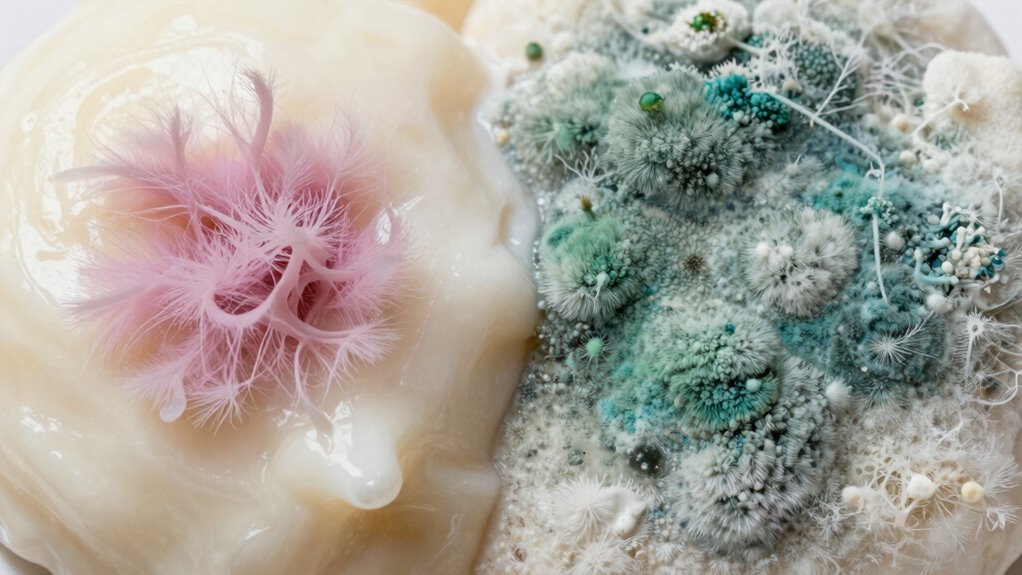
To safely tell kahm yeast from mold, look at their appearance, texture, and smell. Kahm yeast is a thin, pale, and slimy film with a mild, yeasty aroma, while mold appears as fuzzy, colorful patches with a strong, foul odor. Gently inspect and compare growth patterns—kahm stays surface-level and develops slowly, whereas mold spreads quickly and can be fuzzy or powdery. Continuing to explore will help you confidently identify and handle these growths properly.

Get kitchen staples and gadgets delivered free — and shop member deals
- Fast, free delivery on millions of items
- Access to Prime Big Deal Days deals on October 6–7
- Prime Video, Amazon Music and more included
Key Takeaways
- Kahm yeast appears as a thin, translucent, pale or yellowish film with a slimy texture, while mold is fuzzy, colorful, and woolly.
- Kahm yeast has a mild, yeasty smell; mold produces a strong, foul, or musty odor.
- Kahm yeast spreads slowly and remains surface-level; mold develops rapidly with fuzzy patches that penetrate deeper.
- Gently touch and scrape the growth: kahm yeast feels slimy; mold feels fuzzy or dry, and safety involves discarding fuzzy, colorful patches.
- Use visual cues, texture, growth pattern, and smell to differentiate safely and consult reliable resources for confirmation.
As an affiliate, we earn on qualifying purchases.
How to Recognize Kahm Yeast and Mold in Fermentation
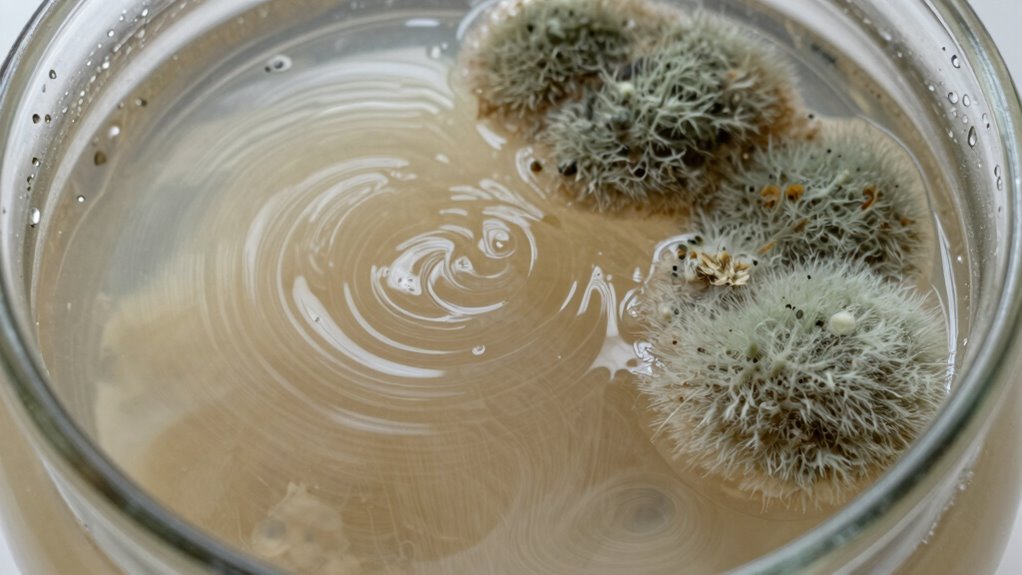
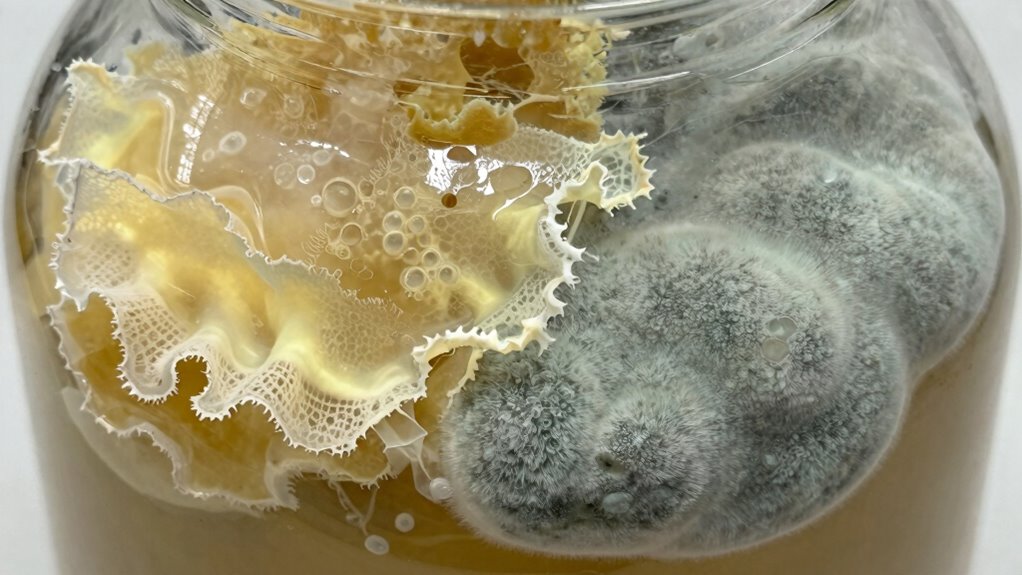
How can you tell the difference between Kahm yeast and mold during fermentation? Paying attention to fermentation hygiene and microbial ecology helps you spot the differences. Kahm yeast appears as a thin, translucent film that gently floats on the surface. It’s usually pale or slightly yellowish and doesn’t have a fuzzy texture. Mold, on the other hand, forms a thick, fuzzy or powdery growth that’s often green, blue, black, or white. Mold’s texture is rough and can spread rapidly, disrupting the microbial ecology of your ferment. By observing color, texture, and growth pattern, you can distinguish Kahm yeast from mold. Regular monitoring of piercing care and hygiene can also prevent unwanted microbial growth in other contexts. Additionally, understanding microbial ecology enhances your ability to manage fermentation environments effectively. Being aware of the specific roles of microbes in fermentation helps you maintain a healthy balance and prevent spoilage. Recognizing the signs of contamination is crucial for ensuring safe and successful fermentation.
As an affiliate, we earn on qualifying purchases.
Are Kahm Yeast and Mold Safe? Understanding the Risks
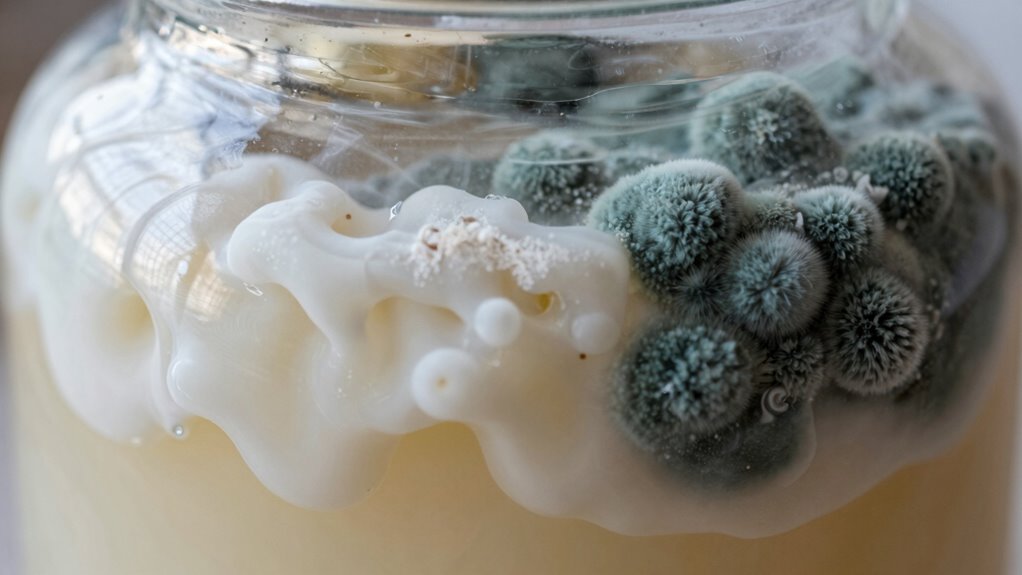
You might wonder if Kahm yeast and mold are safe to dismiss. While Kahm yeast is generally harmless, mold can pose serious health risks if ingested. Recognizing precious metal investment options and understanding the dangers helps you protect yourself and ensure safe fermentation practices. Being able to identify signs of contamination is crucial for maintaining a healthy environment. Understanding the growth patterns of yeast versus mold can aid in proper identification and prevention. Knowing the difference between Free Floating yeast and mold is essential for maintaining a healthy environment. Additionally, understanding how electric dirt bikes operate and their safety features can contribute to safer handling and storage of fermentation equipment.
Safety of Kahm Yeast
Kahm yeast is generally considered safe for most fermenters because it’s a benign surface mold that forms during vegetable fermentation. It’s part of the natural microbial ecology involved in fermentation techniques, helping maintain a healthy environment. Kahm yeast typically appears as a thin, whitish film and doesn’t produce harmful toxins. Unlike mold, it rarely penetrates deeply into the food, making it less risky if you remove the surface layer. Its presence often indicates a stable fermentation process. While it’s safe to consume in most cases, it’s important to monitor its growth and ensure it remains surface-level. Understanding the microbial ecology of your fermentation can help you distinguish safe kahm yeast from more dangerous contaminants. Additionally, recognizing the contrast ratio in visual cues can aid in identifying contamination versus safe growth. Overall, kahm yeast poses minimal risk when properly identified and managed, but being aware of fermentation safety practices is crucial.
Mold Risks and Dangers
While kahm yeast is generally safe and harmless when it remains on the surface, mold poses significant health risks that shouldn’t be overlooked. Mold toxicity can cause allergic reactions, respiratory issues, and even more serious health problems, especially for sensitive individuals. Unlike kahm yeast, mold can produce mycotoxins, which are harmful substances that contaminate your fermentations. Poor fermentation hygiene increases the likelihood of mold growth, so maintaining proper cleanliness is essential. If you see fuzzy or colorful patches on your ferment, it’s a sign to discard the batch—mold can penetrate deeper than it appears. Understanding the dangers of mold helps you protect yourself and ensure safe, successful fermentation. Always prioritize sanitation and inspect your ferments regularly.
As an affiliate, we earn on qualifying purchases.
Visual Clues: How to Tell Kahm Yeast From Mold
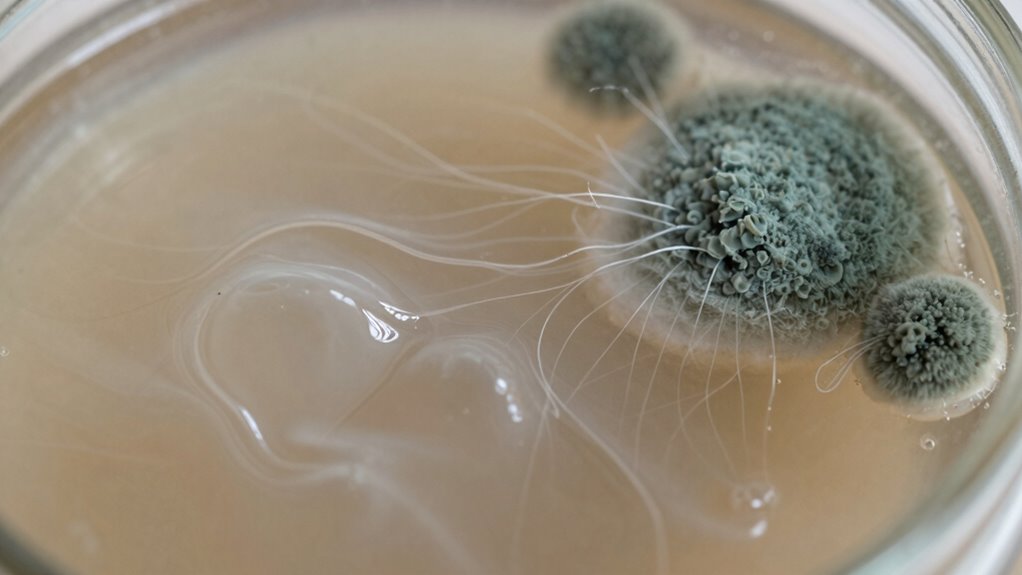
You can often identify Kahm yeast and mold by their color and texture; Kahm yeast usually appears as a thin, whitish film, while mold tends to be fuzzy and colorful. Pay attention to how they grow—Kahm yeast spreads smoothly across the surface, whereas mold forms irregular patches that can spread quickly. Also, trust your nose: Kahm yeast typically has a mild smell, while mold may emit a strong, unpleasant odor.
Color and Texture Differences
Color and texture are key visual clues to distinguish kahm yeast from mold. In a color comparison, kahm yeast typically appears as a creamy, off-white or pale yellow film that stays relatively uniform. Mold, however, often shows vibrant colors like green, blue, black, or gray, with irregular patches. Texture differences are also noticeable: kahm yeast tends to be smooth, slimy, or gelatinous, forming a thin layer. Mold usually feels fuzzy, powdery, or woolly to the touch, with a more raised, uneven surface. These visual cues help you identify the substance safely. Remember, kahm yeast remains relatively consistent in appearance, while mold displays distinct color variations and textured growth patterns. Always exercise caution and further verify before consuming or discarding any questionable growth. Additionally, understanding the differences between kahm yeast and mold can help prevent misidentification and ensure food safety.
Growth Pattern and Spread
Kahm yeast typically forms a thin, uniform layer that spreads slowly across the surface, often remaining confined to the initial area where it appeared. Its microbial growth pattern is steady and restrained, reflecting its role in fermentation as a benign yeast. In contrast, mold exhibits irregular, fuzzy patches that rapidly expand and penetrate deeper into the substrate.
| Growth Pattern | Spread Rate | Surface Appearance |
|---|---|---|
| Kahm yeast | Slow | Smooth, thin film |
| Mold | Fast | Fuzzy, fluffy |
| Microbial growth | Limited or extensive | Varies by type |
| Spread area | Confined or broad | Irregular edges |
Understanding these fermentation terminology and growth patterns helps you identify the safety of your ferment.
Smell and Odor Clues
While growth patterns provide visual clues, examining the smell and odor of your ferment offers another reliable way to distinguish Kahm yeast from mold. An aroma comparison reveals that Kahm yeast typically has a mild, bread-like or yeasty scent, which is generally pleasant or neutral. In contrast, mold produces a strong, foul, or musty odor that signals contamination. If you notice an unpleasant or sharp smell, it’s a sign to contemplate odor elimination to prevent further issues. Trust your nose—if the smell is off or smells moldy, it’s safer to discard the batch. Remember, smell is a critical cue; relying on it helps ensure you don’t mistake Kahm yeast’s harmless aroma for mold’s harmful scent. Recognizing microbial contamination through smell is essential for safe fermenting practices. Being familiar with common fermentation smells can help you quickly identify when something is amiss.
As an affiliate, we earn on qualifying purchases.
Easy Tests to Identify Growths in Your Ferments
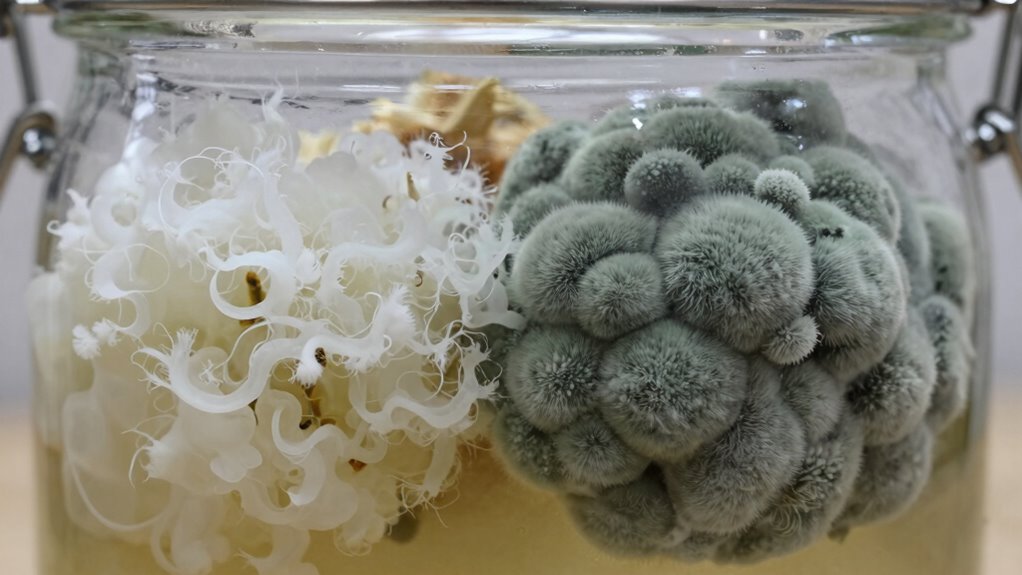
Detecting whether your ferment has developed kahm yeast or mold is straightforward with a few simple tests. First, observe the growth’s appearance: kahm yeast usually forms a thin, creamy film, while mold appears as fuzzy, colorful spots. Second, gently touch the growth—kahm yeast feels slimy and smooth, whereas mold feels dry or fuzzy. Third, smell the surface; kahm yeast emits a mild, yeasty aroma, while mold often has a stronger, musty odor. Fourth, if unsure, scrape a small sample onto a clean plate and examine under light. These easy tests help you differentiate fermentation contamination caused by yeast vs mold, ensuring you handle your ferments safely and correctly. Additionally, understanding the types of fermentation growths can help prevent confusion and identify unsafe mold quickly. Recognizing the signs of contamination is crucial to safe fermentation practices, which promote healthy and successful fermentations. Proper identification can also aid in maintaining air quality considerations during fermentation. Being aware of the characteristics of kahm yeast further assists in making accurate distinctions and avoiding unnecessary discarding of your ferments.
Should You Remove or Keep Your Fermented Foods? Guidelines
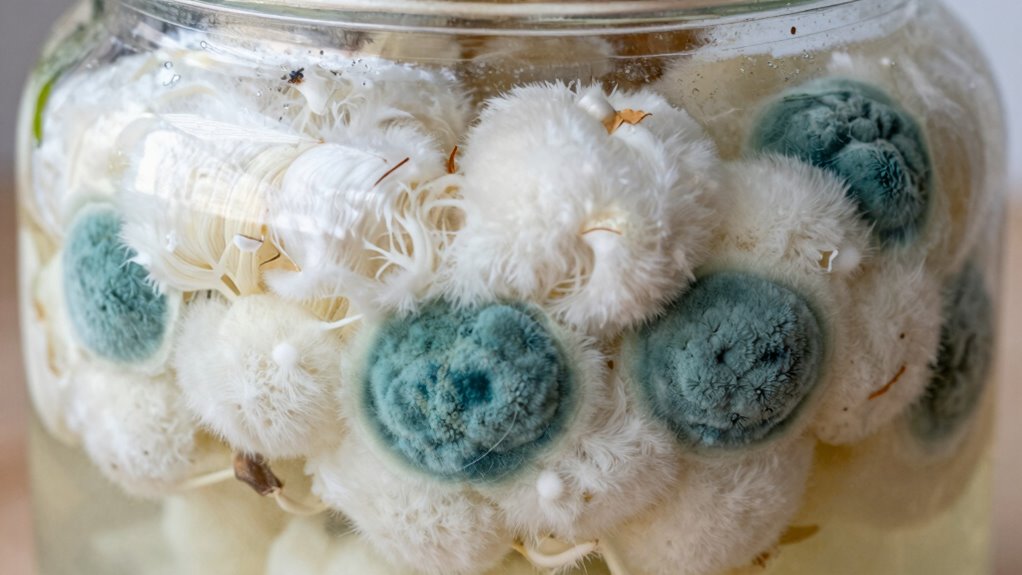
Deciding whether to remove or keep fermented foods depends on their appearance, smell, and overall condition. Trust your senses; if it smells off or shows unusual growths, it’s safer to discard. Many fermentation myths suggest that some mold or Kahm yeast can be harmless, but it’s best to stay cautious. Use proper storage tips to prevent unwanted growths, like keeping jars sealed and at steady temperatures. Proper food safety practices are essential to avoid health risks. Here’s a quick guide:
| Condition | Action |
|---|---|
| Slight surface film or Kahm yeast | Keep if no bad smell or mold |
| Visible mold or foul odor | Remove immediately |
| Unusual discoloration or sliminess | Discard and start fresh |
When in doubt, it’s safer to remove fermented foods showing suspicious signs.
How to Prevent Mold in Your Fermentation Process

Preventing mold in your fermentation process starts with maintaining a clean environment and proper techniques. To prevent contamination, focus on these key steps:
- Wash all equipment thoroughly before use to remove bacteria and mold spores.
- Keep your work area sanitized to minimize airborne mold particles.
- Use clean, breathable covers like cloth or paper towels to allow airflow while blocking contaminants.
- Regularly check your fermenting foods, removing any suspicious spots early.
- Incorporate visual and auditory cues to monitor fermentation progress effectively, ensuring early detection of mold growth.
- Utilize AI monitoring tools to identify potential mold development more accurately and promptly. For optimal results, understanding mold growth conditions can help you adjust your process to prevent contamination before it starts.
How to Handle Suspected Mold or Kahm Yeast Safely
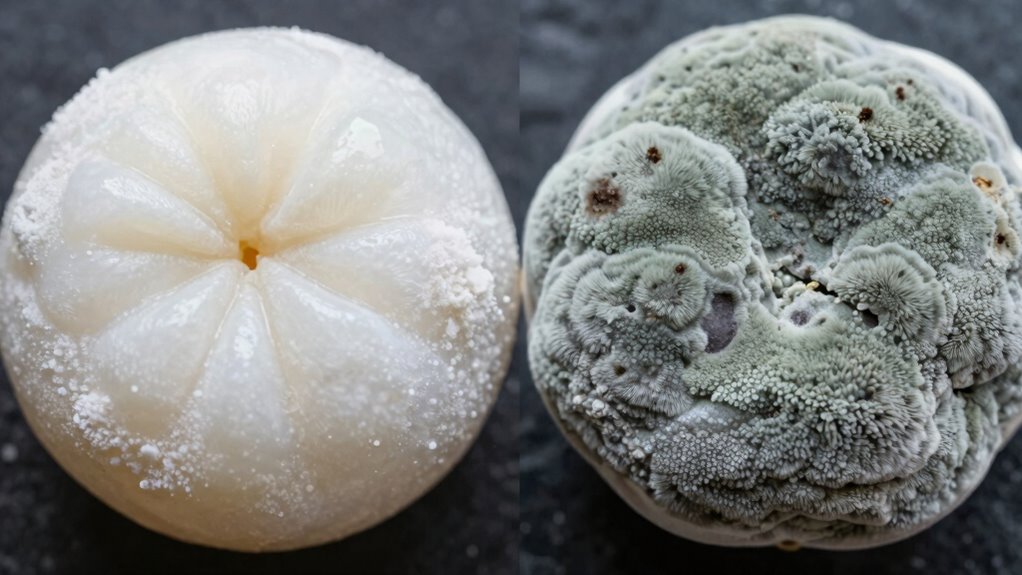
When you notice mold or kahm yeast forming on your ferment, it’s important to act quickly and carefully. First, assess whether it’s mold or kahm yeast—mold often looks fuzzy and colorful, while kahm yeast appears as a thin, white film. Remove the affected surface with a sanitized spoon or wipe and discard it safely. Improve your fermentation hygiene by thoroughly cleaning your storage containers before reuse. Use a vinegar solution or hot, soapy water to sanitize. Always ensure your containers are dry and airtight to prevent contamination.
| Action | Tips |
|---|---|
| Remove contaminated layers | Use sanitized tools, discard safely |
| Clean storage containers | Wash with hot water, sanitize thoroughly |
| Maintain hygiene | Keep environment clean, minimize exposure |
Common Questions About Kahm Yeast, Mold, and Fermentation Safety?
Are you unsure whether kahm yeast or mold is developing on your ferment? Many people have questions about fermentation safety and myths surrounding yeast cultivation. Here are four common questions:
- How can I tell if it’s kahm yeast or mold?
- Is kahm yeast safe to eat or remove?
- Do fermentation myths lead to unnecessary worry?
- What signs indicate unsafe fermentation?
Understanding these points helps you make informed decisions. Kahm yeast is usually harmless and can be part of proper yeast cultivation, but mold can be risky. Recognizing the differences and knowing when to discard your ferment ensures safety. Always prioritize cleanliness, and don’t rely solely on myths to judge your fermentation. When in doubt, consult trusted resources or experts to avoid compromising your health.
Frequently Asked Questions
Can Kahm Yeast or Mold Be Harmful if Ingested?
Kahm yeast and mold can be harmful if ingested, so understanding fermentation safety is essential. Kahm yeast is generally edible and harmless in small amounts, but mold can produce toxins that pose health risks. You should always inspect your fermented foods carefully to distinguish edible vs harmful growths. If you’re unsure, it’s safer to discard the batch rather than risk consuming potentially dangerous mold or yeast.
How Long Does Kahm Yeast Typically Last During Fermentation?
During fermentation, kahm yeast typically lasts for about 3 to 7 days, depending on temperature and ingredients. Its lifespan, or fermentation timeline, varies but usually dissolves or gets pushed aside as bacteria develop. Keep an eye on it—if it persists beyond a week or develops mold, it’s best to discard the batch. Properly monitoring your ferment helps guarantee kahm yeast’s short kahm yeast lifespan remains safe and manageable.
Are Certain Ingredients More Prone to Mold Development?
Some ingredients are more prone to mold development because of their susceptibility and the fermentation environment. For example, grains, dairy, and produce with high moisture content often invite mold if not properly managed. You need to keep an eye on these ingredients, as mold can take hold quickly. Maintaining a clean, controlled environment and monitoring fermentation conditions helps prevent mold growth and keeps your fermentations safe and successful.
What Are Natural Remedies to Prevent Mold Growth?
To prevent mold growth naturally, focus on maintaining good kitchen hygiene by regularly cleaning surfaces and storing food properly. You can also use natural antifungal remedies like garlic, vinegar, or tea tree oil, which inhibit mold development. Keep humidity levels low and ensure proper airflow in your kitchen. These simple steps help create an environment that discourages mold, keeping your food safe and your space healthier.
How Does Temperature Affect Mold and Kahm Yeast Formation?
Think of temperature control like a thermostat for your fermentation. When it’s warm, mold and kahm yeast form faster, speeding up fermentation but also increasing the risk of unwanted growth. Cooler temperatures slow down fermentation, giving you more control and reducing mold and kahm yeast formation. Maintaining steady, appropriate temperatures helps manage fermentation speed and prevents spoilage, ensuring your fermented foods stay safe and delicious.
Conclusion
Knowing the difference between kahm yeast and mold keeps your ferments safe and delicious. For example, if you notice a thin, pale film on your sauerkraut, it’s likely kahm yeast—safe to remove if you prefer. But if you see fuzzy, colorful mold, it’s best to discard the batch. By paying close attention and acting promptly, you can enjoy fermented foods confidently, avoiding health risks and maintaining successful fermentation habits.
NFL season / tailgating Picks
team gear
As an affiliate, we earn on qualifying purchases.