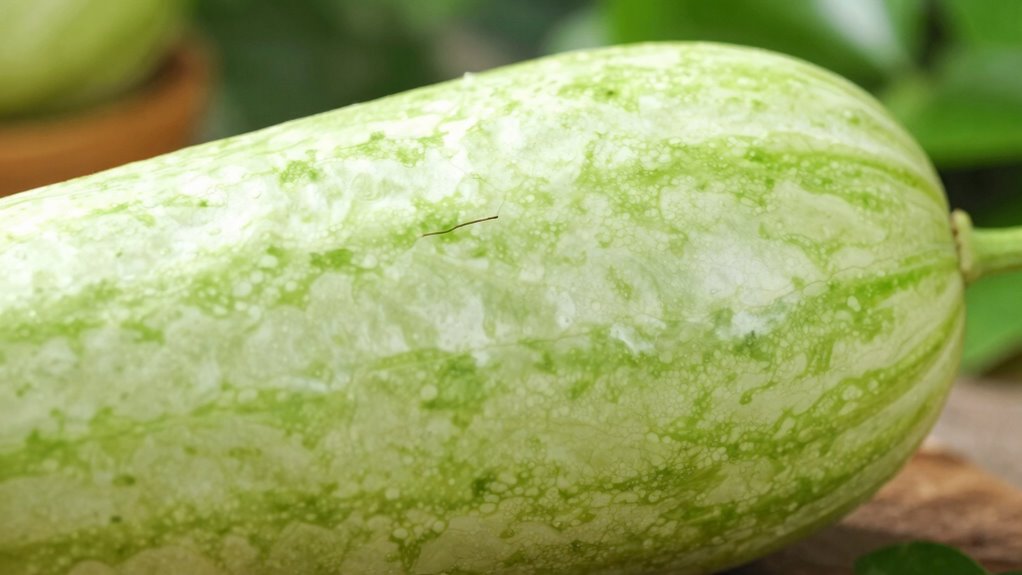
If your bottle gourd (lauki) turns bitter, it’s usually because it’s overripe, damaged, or stored improperly. As the gourd matures, it develops cucurbitacin compounds that cause bitterness. When left on the plant too long or kept in warm, damp conditions, bitterness can also increase. To avoid this, choose young, fresh gourds and handle them carefully. Keep exploring to learn more tips on preventing bitterness and preparing tastier dishes.

Get kitchen staples and gadgets delivered free with Prime
- Fast, free delivery on millions of items
- Prime Video, Amazon Music and more included
- Member-only deals all year
Key Takeaways
- Overripe or mature gourds develop cucurbitacin, causing bitterness.
- Damage or improper storage accelerates bitterness formation.
- Harvesting too late or leaving gourds on the plant increases the risk of bitterness.
- Using old or damaged gourds can lead to a bitter taste after cooking.
- Proper selection, harvesting, and storage help prevent bottle gourd from turning bitter.
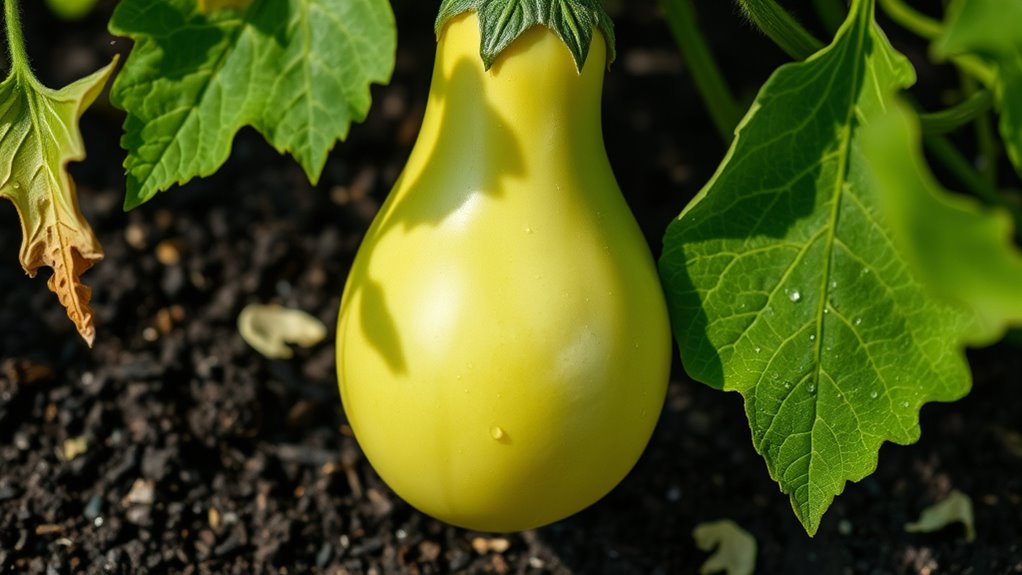
Have you ever cooked bottle gourd (lauki) only to find it tastes bitter? It’s frustrating, especially when you’ve planned a delicious dish. The bitter taste causes can be tricky to identify, but understanding them can save your meal from becoming inedible. One common reason is that the gourd was harvested too late or left on the plant for too long. As lauki matures, it tends to develop a bitter compound called cucurbitacin, which accumulates in the flesh and causes that unpleasant taste. Sometimes, the bitterness is a sign of overripe fruit, so choosing young, tender gourds is key. Additionally, if the gourd is damaged or has been stored improperly, it can develop bitterness faster. Storage conditions matter—keeping lauki in cool, dry places prevents it from turning bitter prematurely.
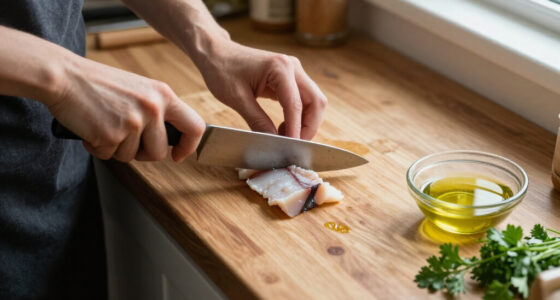
When preparing lauki, there are simple cooking tips to minimize bitterness. Start by thoroughly washing the gourd to remove any dirt or residues that might contribute to off-flavors. Peel the skin and scoop out the seeds if they’re thick or mature, as these parts can harbor bitter compounds. Some cooks recommend chopping the gourd into small pieces and soaking them in salted water for about 15-20 minutes. This process helps draw out excess cucurbitacin, reducing the bitter taste. Drain and rinse before cooking to wash away any remaining bitterness. During cooking, avoid overcooking the gourd, as prolonged heat can intensify bitterness and make the flesh mushy. Instead, cook it just until tender, which preserves its mild flavor.
Another effective tip is to add ingredients that naturally counteract bitterness. For instance, a pinch of sugar or a squeeze of lemon juice during cooking can help mask or neutralize the bitter taste. Using spices like cumin, coriander, or ginger also enhances flavor and distracts from any residual bitterness. If you find that your lauki still tastes bitter despite these precautions, it might be best to discard that batch and choose a fresher, lighter-colored gourd next time. Remember, bitterness is often a sign of overripe or poorly stored gourds, so selecting the right produce is vital.
stainless steel vegetable peeler
As an affiliate, we earn on qualifying purchases.
As an affiliate, we earn on qualifying purchases.
Frequently Asked Questions
Can Bottle Gourd Be Eaten Raw?
Yes, you can eat bottle gourd raw, but it’s not common due to its mild bitterness and firm texture. Eating it raw preserves most of its nutritional benefits, like vitamins and antioxidants, which support your digestion and immunity. You can use raw bottle gourd in salads or smoothies for a invigorating, nutritious boost. Keep in mind, cooking can enhance its flavor and make it more palatable for culinary uses.
How Long Does Bottle Gourd Stay Fresh?
Did you know that properly stored bottle gourd can stay fresh for up to a week? To preserve its freshness, keep it in a cool, dry place or refrigerate it wrapped in a paper towel to prevent moisture loss. Using the right storage techniques slows down spoilage, ensuring your gourd stays crisp and tasty longer. Make sure to check regularly and consume it within this period for ideal freshness.
Are There Any Health Risks From Bitter Bottle Gourd?
Bitter bottle gourd can pose toxicity concerns, so you should avoid eating it. Consuming bitter gourd may cause stomach pain, nausea, or even more serious health issues. To prevent this, always check for bitterness before cooking and discard any gourd that tastes bitter. Proper preparation methods, like washing thoroughly and cooking well, can help reduce potential toxins. When in doubt, it’s safest to avoid eating bitter bottle gourd altogether.
What Are Some Cooking Tips for Reducing Bitterness?
To diminish bitterness in bottle gourd, start with a salt treatment by sprinkling salt on chopped pieces and letting them sit for 15-20 minutes. Rinse thoroughly to remove excess salt and bitterness. Use cooking techniques like boiling or sautéing, which help mellow the flavor. Incorporate spices like turmeric or lemon juice to further mask any residual bitterness. These steps ensure a milder, more enjoyable dish.
Does Soil Type Affect the Bitterness of Lauki?
Yes, soil type affects lauki’s bitterness. You should consider soil composition; well-drained, rich soils help reduce bitterness. Overwatering can cause stress, increasing bitterness, so adopt proper watering practices. Avoid overly clayey or water-retentive soils, which can lead to bitterness. By maintaining good soil conditions and watering appropriately, you can minimize bitterness and enjoy sweeter, healthier lauki in your garden.
salting soaking vegetable cutter
As an affiliate, we earn on qualifying purchases.
As an affiliate, we earn on qualifying purchases.
Conclusion
Next time your bottle gourd surprises you with bitterness, remember it’s a small warning from nature. Don’t ignore it—treat it with care and patience, and it’ll reward you with its tender, nutritious goodness. Like life’s little surprises, sometimes the bitter moments teach us to be more mindful. Embrace these lessons, for in every bitter turn lies an opportunity to grow stronger and wiser, turning everyday cooking into a meaningful journey.
kitchen knife for chopping vegetables
As an affiliate, we earn on qualifying purchases.
As an affiliate, we earn on qualifying purchases.
non-stick cooking pot for vegetables
As an affiliate, we earn on qualifying purchases.
As an affiliate, we earn on qualifying purchases.
Fall Picks
fall essentials
As an affiliate, we earn on qualifying purchases.