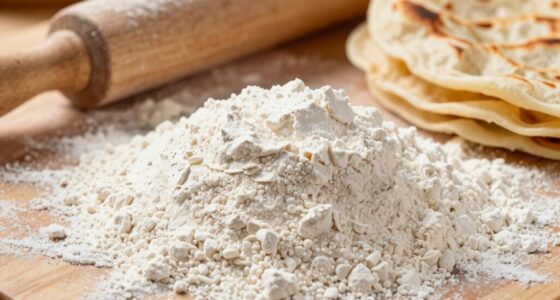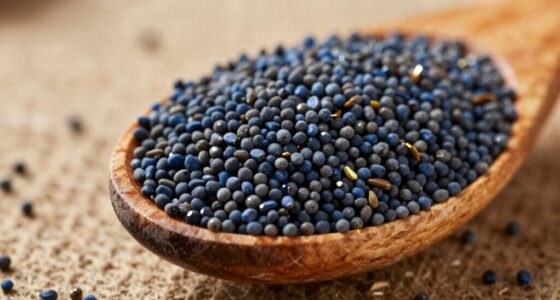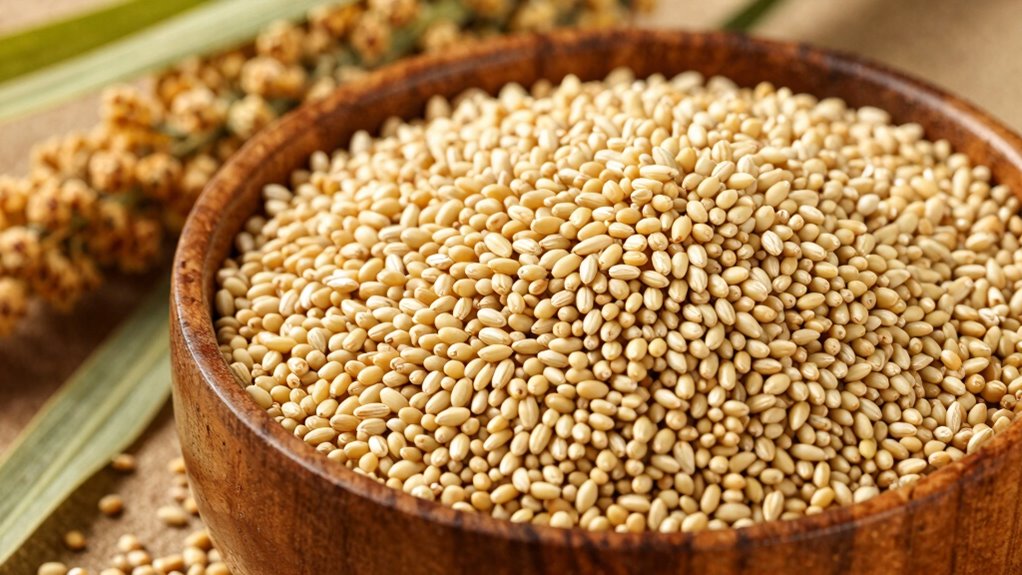

Ragi, also known as finger millet, boasts a rich, nutty flavor and is packed with nutrients like calcium, iron, and dietary fiber. It offers numerous health benefits, including strong bones, improved digestion, and sustained energy. You can enjoy it as porridge, in baked goods, or as a traditional dish like ragi mudde. Its versatility makes it easy to incorporate into your meals. If you keep exploring, you’ll discover even more ways to enjoy this nutritious grain.

Get kitchen staples and gadgets delivered free — and shop member deals
- Fast, free delivery on millions of items
- Access to Prime Big Deal Days deals on October 6–7
- Prime Video, Amazon Music and more included
Key Takeaways
- Ragi is a nutrient-dense finger millet rich in calcium, iron, and dietary fiber, supporting bone health and immunity.
- Its nutty flavor enhances both traditional and modern recipes like porridge, pancakes, and baked goods.
- Ragi has a low glycemic index, making it ideal for blood sugar regulation and weight management.
- It offers versatile culinary uses, including flour, flakes, and sprouted grains for diverse cooking techniques.
- The grain’s health benefits include promoting digestion, reducing inflammation, and providing sustained energy throughout the day.
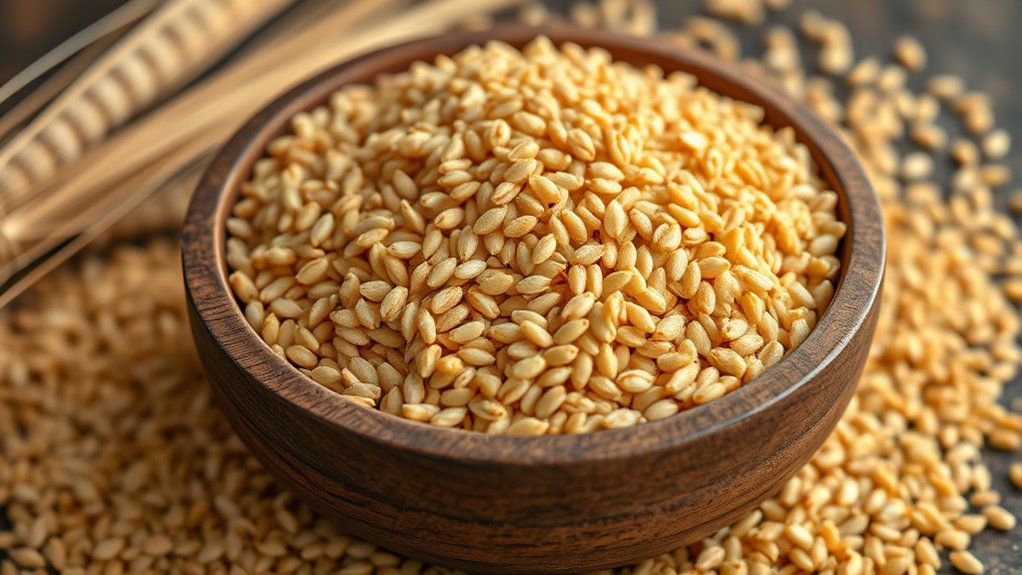
Have you ever wondered why Ragi, also known as finger millet, has been a staple in traditional diets for centuries? The answer lies in its impressive health benefits and versatile culinary uses. Ragi is packed with nutrients like calcium, iron, and dietary fiber, making it a powerhouse for maintaining strong bones, boosting immunity, and supporting digestion. Its low glycemic index means it releases energy slowly, helping to regulate blood sugar levels and keep you feeling full longer. This makes it especially beneficial for diabetics and those aiming for sustained energy throughout the day. Incorporating Ragi into your diet can also aid in weight management, as its high fiber content promotes satiety and reduces cravings. Beyond its nutritional profile, Ragi is celebrated for its antioxidant properties, which help combat oxidative stress and reduce inflammation, contributing to overall health and longevity.
When it comes to culinary uses, Ragi offers a delightful nutty flavor that lends depth to a variety of dishes. You can ground the tiny grains into a fine flour, which is a staple ingredient in many traditional recipes. Ragi flour is incredibly versatile—you can use it to prepare soft, nutritious pancakes or crepes for breakfast, adding fresh fruits or honey for extra flavor. It’s also excellent for making wholesome porridge, which is a comforting start to your day, especially during colder months. Many people enjoy Ragi mudde, a popular South Indian dish where the flour is cooked with water into a dense, satisfying ball, often served with spicy sambar or vegetables. Ragi can also be incorporated into baked goods, like bread or muffins, providing a healthy twist to your favorite treats. For snacks, roasted Ragi flour is used to make crunchy cookies or energy bars, perfect for on-the-go nourishment. Additionally, Ragi’s naturally nutty flavor pairs well with various seasonings and ingredients, making it adaptable for both sweet and savory dishes. Its ability to blend seamlessly into different recipes speaks to its culinary versatility.
Moreover, because Ragi can be processed into various forms such as flour, flakes, or even sprouted grains, it allows for diverse cooking techniques that enhance its nutritional benefits.
As an affiliate, we earn on qualifying purchases.
Frequently Asked Questions
Is Ragi Suitable for People With Gluten Allergies?
Yes, ragi is suitable for people with gluten allergies because it’s naturally gluten-free, offering gluten-free benefits. However, you should consider allergy considerations, as cross-contamination during processing can occur. Always check labels or buy from trusted sources to verify purity. Ragi provides a nutritious, safe option for those avoiding gluten, but staying cautious about potential contamination helps you enjoy its benefits without risking an allergic reaction.
Can Ragi Be Used in Baking Desserts?
Yes, you can definitely use ragi in baking desserts. You might enjoy making ragi-based cakes or ragi cookies, which add a delightful nutty flavor and healthy touch to your treats. Use ragi flour as a substitute for regular flour in your recipes, and experiment with incorporating it into your favorite baked goods. Ragi’s unique taste and nutritional benefits make it a versatile ingredient for delicious, wholesome desserts.
How Does Ragi Compare Nutritionally to Other Millets?
You’ll find ragi offers impressive nutritional benefits compared to other millets. In a comparative analysis, it’s rich in calcium, iron, and dietary fiber, supporting bone health and digestion. Ragi also has a low glycemic index, making it a great choice for blood sugar control. Its high antioxidant content helps fight free radicals. Overall, ragi stands out as a nutrient-dense millet, providing essential minerals and health benefits beyond many other millet varieties.
What Are the Traditional Dishes Made With Ragi?
Imagine a warm hug in every bite—ragi takes center stage in many traditional dishes. You’ll love ragi porridge for its comforting, creamy texture, perfect for chilly mornings. Ragi roti offers a hearty, nutty flavor, making it a staple in Indian households. These dishes not only nourish your body but also connect you to age-old culinary traditions, turning simple ingredients into soulful, wholesome meals.
How Should Ragi Be Stored to Maintain Freshness?
To keep your ragi fresh, store it in an airtight container in a cool, dry place away from direct sunlight. Use storage tips like keeping it in a glass jar or a sealed plastic container to prevent moisture and pests. Regularly check for any signs of spoilage, and avoid storing near strong-smelling items, as ragi can absorb odors. Proper storage helps preserve its freshness and nutty flavor longer.
As an affiliate, we earn on qualifying purchases.
Conclusion
Now that you’ve discovered ragi’s rich, nutty flavor and health benefits, imagine what it can do for your meals. But there’s more to this ancient grain than meets the eye—its true potential is just beginning to unfold. Will you embrace the versatility of ragi and reveal its secrets? The next step is yours—dare to explore further and see how this humble grain could transform your diet forever. The journey has only just begun.
As an affiliate, we earn on qualifying purchases.
As an affiliate, we earn on qualifying purchases.
Fall Picks
fall essentials
As an affiliate, we earn on qualifying purchases.