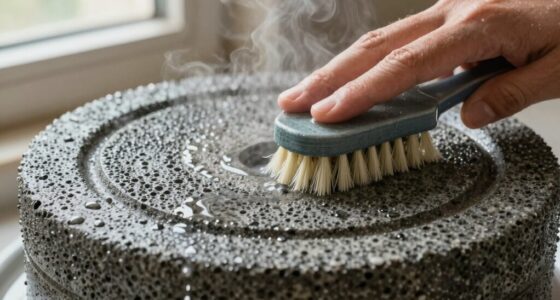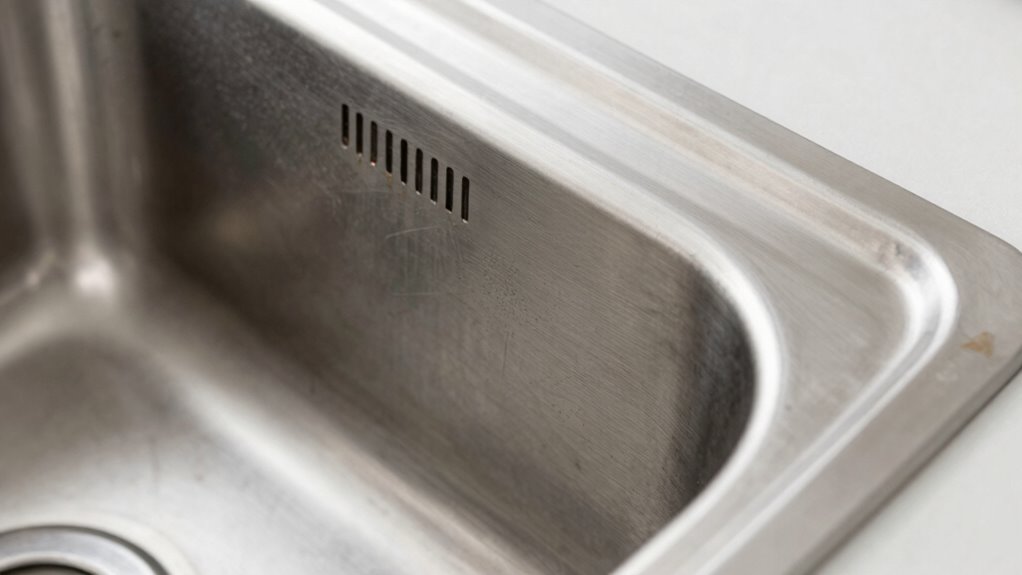

To remove burn marks from stainless steel without scratching, start with gentle cleaning using a soft cloth or sponge soaked in warm, soapy water. For stubborn marks, apply a baking soda paste or a mixture of white vinegar and a microfiber cloth. Avoid abrasive cleaners or steel wool. Regular maintenance and proper heat control prevent future damage. Keep exploring for more tips to restore your stainless steel’s shine safely and effectively.
Key Takeaways
- Use a soft cloth or microfiber pad soaked in warm, soapy water to gently clean burn marks without scratching.
- Apply a baking soda paste and gently buff the affected area to lift light burn stains safely.
- Dampen a cloth with white vinegar and wipe the surface to dissolve mineral deposits and discoloration gently.
- Combine lemon juice with salt, apply, let sit, then scrub lightly to remove burn marks naturally.
- For stubborn stains, opt for commercial stainless steel cleaners designed to clean without scratching the surface.

Yadool Stainless Steel Scratch Remover Kit, Suitable for Sinks & Appliances Scratch Repair & Polish, Used for Non-Coated Stainless Steel & Easily Remove Rust, Discoloration
- All-in-One Scratch Eraser: Graded abrasive pads for various scratches
- For Non-Coated Steel Only: Safe for uncoated stainless steel surfaces
- Quick Surface Check: Test for coated vs. non-coated surfaces
As an affiliate, we earn on qualifying purchases.
As an affiliate, we earn on qualifying purchases.
How to Quickly Remove Burn Marks From Stainless Steel
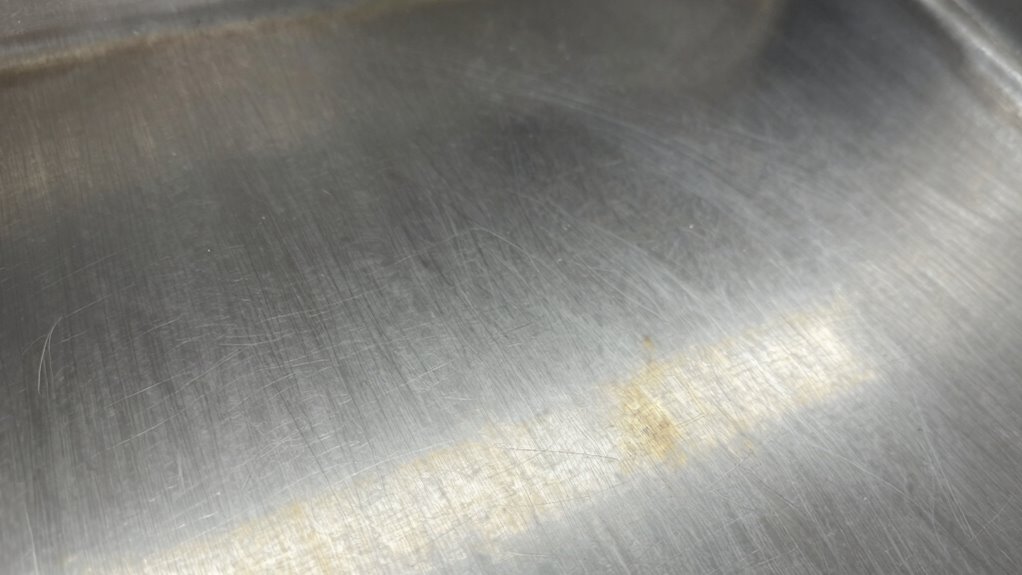
Have you ever noticed burn marks marring your stainless steel cookware and wondered how to fix them quickly? The best way to do this is by using stainless steel polishing products designed for rapid results. These polishes help lift stubborn stains without harsh scrubbing or scratching the surface. To prevent future burn marks, consider applying heat resistant coatings, which create a protective barrier that minimizes direct heat damage. Start by cleaning the surface thoroughly, then buff gently with a soft cloth and stainless steel polish. For stubborn marks, apply a small amount of polish and buff in circular motions. This method restores shine and removes burn marks efficiently, saving you time and effort while keeping your cookware in top condition. Regular maintenance and understanding how to protect your cookware can also contribute to preventing future damage, ensuring your stainless steel remains pristine. Additionally, understanding how contrast ratio impacts image quality can help you select the best projector for your home cinema setup. Proper cleaning techniques are essential for maintaining the longevity of your cookware and preventing further damage. Incorporating proper heat management practices can also reduce the likelihood of burn marks forming in the first place. Furthermore, utilizing knowledge about auditory processing can enhance your communication and auditory skills, which is beneficial for overall well-being.

Weiman Stainless Steel Cleaner, 30 Count Wipes, Anti-Fingerprint, Removes Grease, Water Spots, Streaks & Residue, Polishing Cleaner Safe for Appliances, Chrome, Sinks & Grill Exteriors
- Cleans and polishes stainless steel: Removes fingerprints, grease, water spots
- Protects against smudges: Leaves a streak-free shine and barrier
- Safe for all finishes: Non-abrasive, won't scratch or dull
As an affiliate, we earn on qualifying purchases.
As an affiliate, we earn on qualifying purchases.
What Causes Burn Marks on Stainless Steel and How to Recognize Them
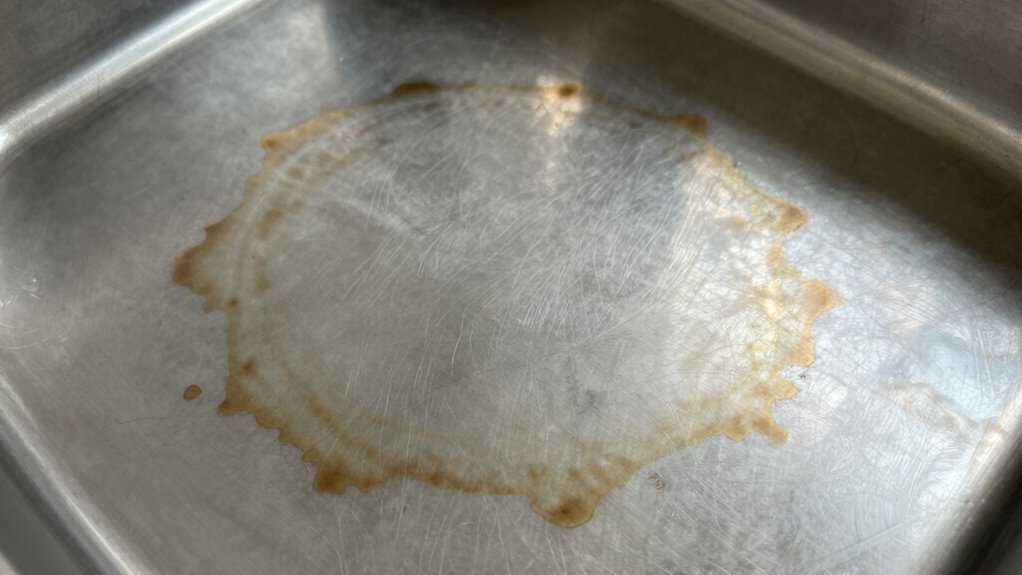
Burn marks on stainless steel often come from high heat, improper cookware, or accidental spills. You’ll notice them as discolored, often rainbow-hued or dark patches, that stand out against the shiny surface. Recognizing different types of marks helps you identify their causes and prevent future damage. Understanding heat effects on stainless steel can guide you in avoiding such marks and maintaining your cookware’s appearance. Being aware of thermal management is essential for preserving the integrity of stainless steel surfaces and preventing burn marks. Proper temperature control during cooking is vital to avoid overheating and damaging the material. Additionally, knowing how heat transfer interacts with stainless steel can help you adjust your cooking techniques to reduce the likelihood of burn marks. Being mindful of cooking techniques can further help in preventing excessive heat exposure that causes these marks.
Common Burn Mark Causes
Understanding what causes burn marks on stainless steel can help you prevent them from forming in the first place. Common causes include using high heat settings that scorch the surface, especially with certain stainless steel finishes that are more prone to discoloration. The cookware material also plays a role; cheaper or poorly made pots and pans often have uneven heat distribution, leading to localized burning. Leaving food unattended or cooking with too little liquid can cause sticking and burning, which leaves marks. Additionally, sudden temperature changes or using abrasive cleaning tools can worsen the problem. Recognizing these causes enables you to adjust your cooking habits—such as controlling heat levels and choosing higher-quality cookware—to keep your stainless steel looking its best and avoid burn marks. Proper temperature control is essential for preventing damage, as it minimizes the risk of scorching the surface during cooking.
Visual Signs of Damage
Recognizing the visual signs of damage on your stainless steel cookware is essential for early detection of burn marks. Conduct a thorough visual inspection after each use to identify surface discoloration, which often appears as dull, rainbow, or darkened patches. These color changes indicate heat exposure that can cause burn marks. Look closely at the surface—any uneven or stained areas are signs of damage. Burn marks may also manifest as faint or stubborn stains that resist cleaning, signaling that the heat has affected the surface integrity. By paying attention to surface discoloration and irregularities, you can catch damage early and take steps to prevent further harm or difficult cleaning challenges later on. Additionally, understanding heat distribution can help you prevent burn marks by ensuring even cooking temperatures. Proper cookware maintenance also plays a crucial role in preserving the appearance and functionality of stainless steel pots and pans. Maintaining an awareness of energy transfer during cooking can further assist in avoiding hot spots that lead to burn marks. Being mindful of cooking techniques and adjusting heat levels accordingly can significantly reduce the risk of damage over time. Incorporating the use of appropriate cookware materials can enhance heat control and help prevent uneven heating that causes burn marks.
Differentiating Mark Types
Ever wondered what causes different types of marks on your stainless steel cookware? Recognizing the causes helps in proper removal. First, surface discoloration often appears as rainbow-like hues, caused by heat exposure that alters the surface’s oxide layer. Second, burn marks are usually darker, stubborn stains from food or spills that burned onto the surface. Third, scuffs or scratches are physical damage from utensils or abrasive cleaners. Understanding mark classification is key: discoloration results from heat and is usually harmless, while burn marks are deeper stains needing specific cleaning methods. Differentiating these marks helps you choose the right approach to restore your cookware without scratching further. Proper identification guarantees effective cleaning and prolongs the life of your stainless steel. Additionally, using appropriate cleaning tools and techniques prevents further damage, which includes selecting gentle cleaning agents and avoiding harsh abrasives. Maintaining your cookware with proper stainless steel care techniques can also help in preventing future marks.

Bar Keepers Friend Superior Cookware Cleanser & Polish | 12-Ounces | 1-Unit
- Versatile stainless steel cleaner: Cleans pots, pans, and surfaces
- Powerful grease and stain remover: Cuts through oil, baked-on food, rust
- Safe for all stainless steel: Suitable for All-Clad and glass lids
As an affiliate, we earn on qualifying purchases.
As an affiliate, we earn on qualifying purchases.
Gentle Methods to Remove Burn Marks Without Scratching
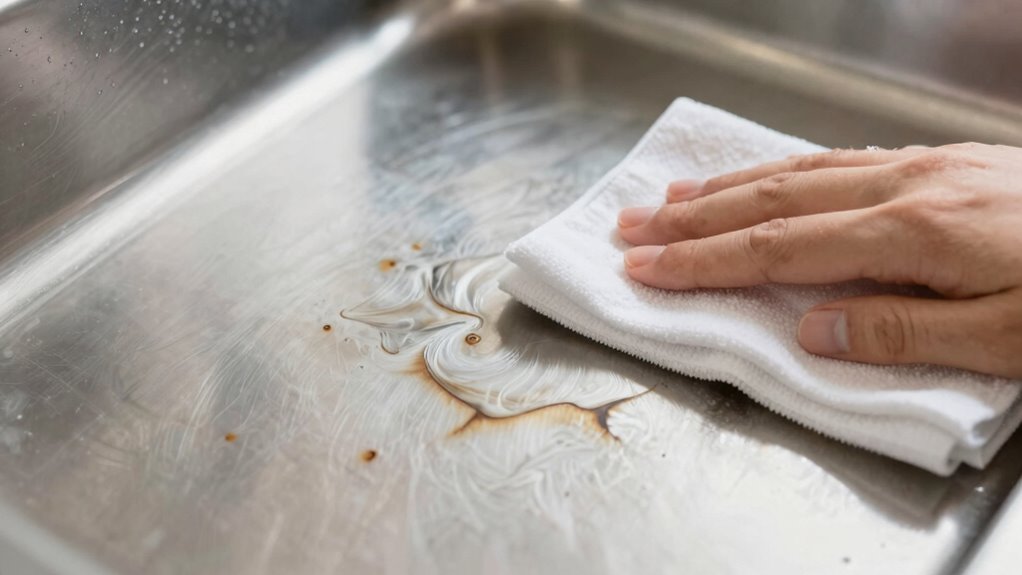
When dealing with burn marks on stainless steel, choosing gentle methods that won’t scratch or damage the surface is essential. Start with simple cleaning techniques like using a soft cloth or sponge soaked in warm, soapy water. Gently rub the affected area to lift the burn marks without applying excessive pressure. Surface protection is key; avoid abrasive cleaners or steel wool, which can scratch the finish. Instead, opt for non-abrasive cleaning pads or microfiber cloths that safeguard the surface while effectively removing residue. For stubborn marks, a mixture of baking soda and water can act as a mild abrasive, but always test in a small area first. These gentle approaches preserve your stainless steel’s shine while effectively removing burn marks. Additionally, understanding the importance of filtration and maintenance schedules can help you keep your appliances in top condition and prevent future damage. Maintaining proper cleaning routines ensures that your stainless steel stays in excellent condition over time. Implementing regular surface care practices can further extend the lifespan and appearance of your appliances.

Scotch-Brite Stainless Steel Scrubbers, Scouring Pads for Cleaning Tough Baked-On Messes, Metal Scrubbers for Cleaning Dishes, 3 Scrub Pads
- Number of Scrubbers: Includes 3 scrubbers
- Cleaning Power: Removes tough soil and burnt-on food
- Versatile Cleaning: Cleans grease, grime, and dirt
As an affiliate, we earn on qualifying purchases.
As an affiliate, we earn on qualifying purchases.
Best Natural and Commercial Products for Burn Mark Removal
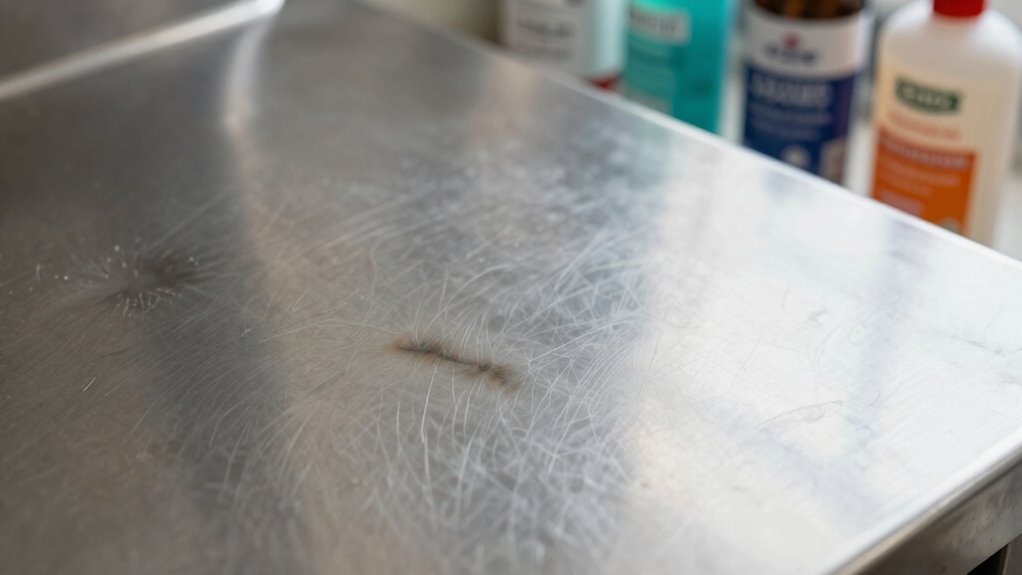
You have options when it comes to removing burn marks from stainless steel, including natural remedies and commercial products. Natural solutions like baking soda or vinegar can be effective, simple, and budget-friendly. If you prefer quicker results, commercial cleaners are designed specifically for stainless steel and often deliver faster, more noticeable improvements. Additionally, ensuring proper cleaning techniques can help prevent future burn marks and maintain the appearance of your stainless steel surfaces. Regularly maintaining proper cleaning practices ensures your surfaces stay pristine and reduces the risk of new marks forming.
Natural Remedies for Burn Marks
Natural remedies offer an effective and gentle way to remove burn marks from stainless steel without resorting to harsh chemicals. For stainless steel cleaning, household remedies can be surprisingly effective. Here are three options to try:
- Baking Soda Paste: Mix baking soda with water to create a thick paste. Gently rub it on the burn marks using a soft cloth, then rinse with water.
- White Vinegar: Dampen a cloth with white vinegar and wipe the affected area. Vinegar dissolves mineral deposits and can lighten burn marks.
- Lemon Juice and Salt: Combine lemon juice with salt to form a paste. Apply it to the stain, let sit for a few minutes, then scrub gently and rinse.
These household remedies are safe, natural, and effective for stainless steel cleaning.
Commercial Products Effectiveness
While household remedies work well for light burn marks, commercial products often provide a faster and more thorough solution for stubborn stains. Industrial solutions, such as specialized stainless steel cleaners and polishes, are designed to target tough burn marks without scratching the surface. These products are formulated for professional cleaning, making them ideal for deep stains that household remedies can’t remove. Many commercial options contain gentle abrasives or chemical agents that effectively lift burn marks while preserving the steel’s finish. When choosing a product, look for those specifically labeled for stainless steel and burn mark removal. Using these commercial solutions can save you time and effort, delivering professional-grade results that restore your stainless steel’s shine without damaging the surface.
Tips to Prevent Burn Marks and Keep Your Stainless Steel Shiny
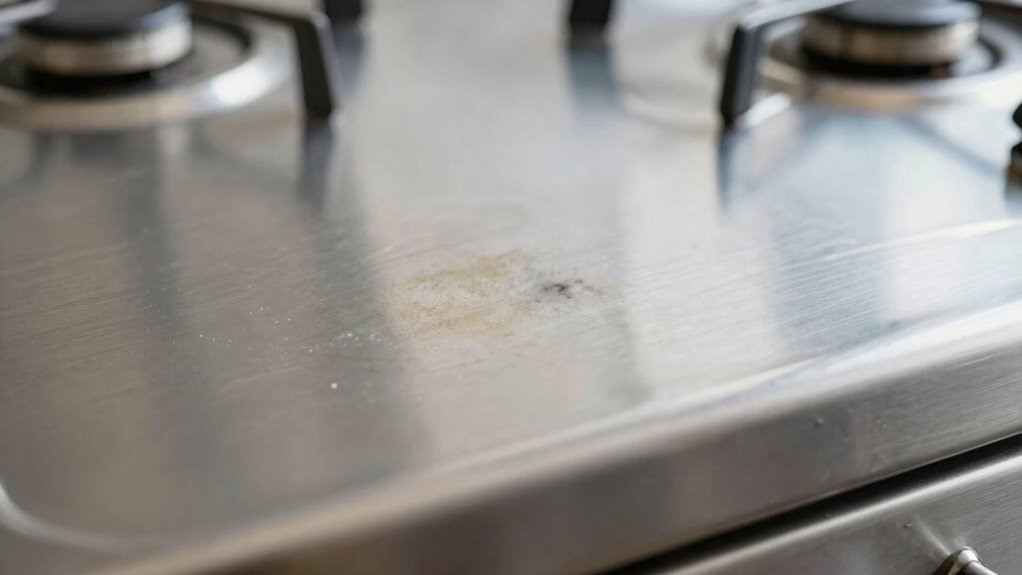
To prevent burn marks and keep your stainless steel looking its best, it is essential to use proper cooking techniques and maintain your cookware regularly. Good cleaning techniques and consistent maintenance routines help avoid buildup and discoloration that can lead to burn marks.
Here are three tips:
- Use medium or low heat to prevent overheating, which reduces the risk of burn marks.
- Clean your cookware promptly after use with gentle, non-abrasive cleaners to remove residues that can cause staining.
- Regularly inspect and polish your stainless steel to maintain its shine and prevent surface damage.
When to Seek Professional Help for Stubborn Burn Stains
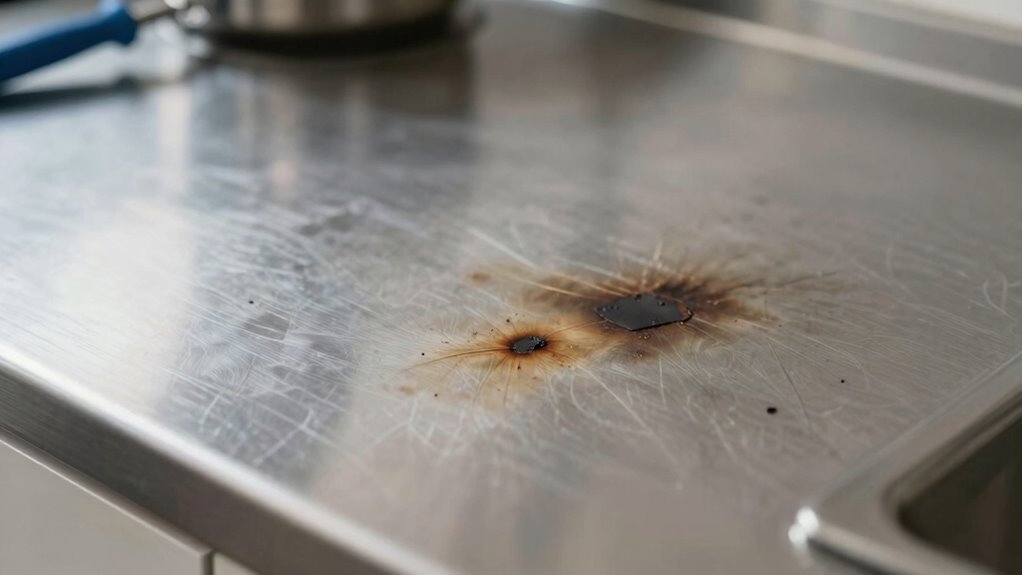
Despite your best efforts to prevent burn marks, some stains can become stubborn and hard to remove with regular cleaning. If cleaning attempts aren’t working, it’s time to think about professional consultation. Persistent burn marks that refuse to fade may require specialized repair methods beyond DIY solutions. Attempting aggressive cleaning or abrasive techniques could risk damaging your stainless steel surface further. When stains are deeply ingrained or covering large areas, seeking expert help ensures safe, effective removal. Professionals have access to specialized equipment and cleaning agents designed specifically for tough stains. Don’t hesitate to consult a repair specialist if your efforts aren’t yielding results. Investing in professional help can save you time, prevent accidental damage, and restore your stainless steel’s shiny finish.
Frequently Asked Questions
Can Burn Marks Be Permanent on Stainless Steel?
Burn marks on stainless steel aren’t usually permanent, but they can sometimes cause lasting discoloration. If you notice stainless steel discoloration or heat marks, you can try heat mark solutions like baking soda paste or vinegar to lift the stain. Act quickly, as the sooner you treat burn marks, the easier it is to restore your stainless steel’s shine. With proper care, you can often remove or markedly reduce these marks.
Are There Specific Stainless Steel Types More Prone to Burn Marks?
Certain stainless steel types, especially those with specific stainless steel composition and surface finish variations, are more prone to burn marks. For example, lower grades like 430 stainless steel may show burn marks more easily than higher grades like 304 or 316. You should consider the surface finish, as polished or brushed finishes tend to resist burn marks better, reducing the risk of permanent stains on your stainless steel surfaces.
How Long Should I Wait Before Attempting to Clean Burn Marks?
You should wait until the surface cools completely before cleaning burn marks to avoid burns or damage. Timing considerations are essential; rushing might worsen the stain or scratch your stainless steel. Incorporate this step into your cleaning schedule, making sure the area is safe and cooled. Once cooled, gently follow cleaning instructions to remove the marks without scratching, ensuring your stainless steel stays shiny and intact.
Does the Age of Stainless Steel Affect Burn Mark Removal?
You might wonder if stainless steel aging affects burn mark removal, and it does. As stainless steel ages, surface oxidation can deepen, making burn marks harder to lift. The older the surface, the more stubborn the marks can be, requiring gentler, more precise cleaning methods. So, don’t rush—understanding how surface oxidation impacts your stainless steel helps you choose the right technique, ensuring your surface stays pristine without scratches.
Can Cleaning Techniques Damage the Stainless Steel’s Finish?
Cleaning techniques can damage your stainless steel’s finish if you’re not careful. Harsh cleaning chemicals or abrasive scrubbers may cause surface scratches, dulling its shine. To avoid this, use gentle cleaners specifically designed for stainless steel and soft cloths. Always test a small area first, and avoid scrubbing too hard. Proper, gentle cleaning preserves the finish and prevents damage, keeping your stainless steel looking its best.
Conclusion
Burn marks on stainless steel can be pesky, but with the right methods, you can restore its shine without scratches. Did you know that over 70% of homeowners experience burn marks at some point? By understanding their causes and using gentle removal techniques, you keep your appliances looking new. Remember, prevention is key—so stay attentive while cooking. If stubborn stains persist, don’t hesitate to seek professional help to maintain your stainless steel’s sleek appearance.