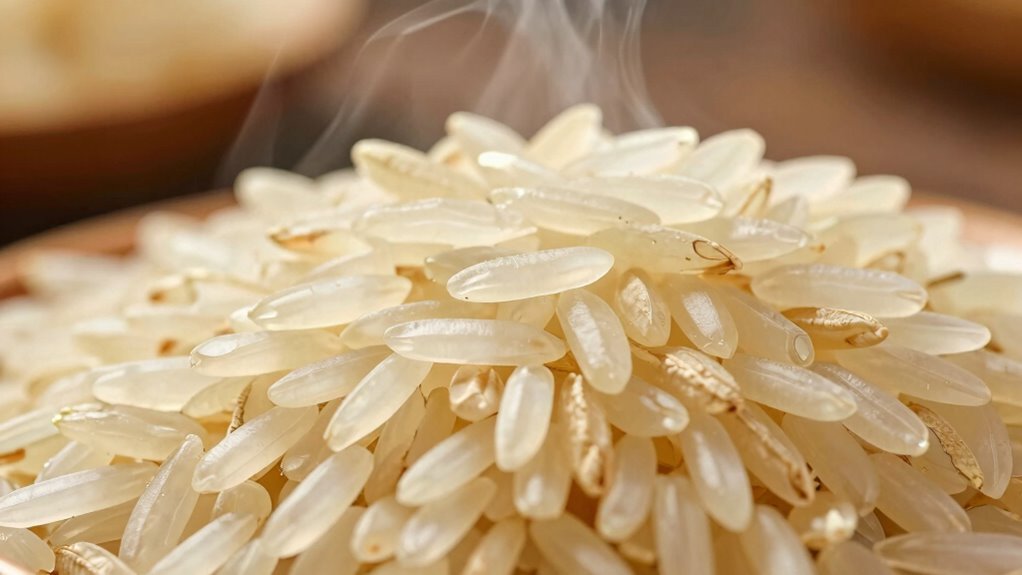

The nutty aroma of basmati rice mainly comes from a compound called 2-acetyl-1-pyrroline, along with other volatile substances that develop through cultivation, storage, and cooking. Proper storage in cool, dry, airtight conditions helps preserve this fragrance, while gentle cooking methods like soaking and low heat boost the aroma. Factors like soil quality and climate also influence its scent. Continue exploring to discover more ways to enhance and enjoy this delightful aroma.
Key Takeaways
- 2-Acetyl-1-pyrroline is the primary compound responsible for the nutty aroma in Basmati rice.
- Proper storage and aging enhance the development and preservation of its characteristic nutty scent.
- Cooking methods like gentle simmering and adding aromatic ingredients intensify the nutty aroma.
- Soil richness and climate conditions influence the biosynthesis of aromatic compounds in Basmati rice.
- Chemical reactions during cooking, such as Maillard reactions, amplify the nutty fragrance.

Bombay Market White Basmati Rice – Aromatic & Nutty Flavor Basmati Rice – Long Grain Rice Basmati (4 Pound Bag)
AROMATIC INDIAN RICE – Our rice is renowned for its unique, nutty aroma, which intensifies during cooking. It…
As an affiliate, we earn on qualifying purchases.
As an affiliate, we earn on qualifying purchases.
Which Chemicals Give Basmati Rice Its Nutty Aroma?

What compounds are responsible for the distinctive nutty aroma of Basmati rice? The answer lies in specific aroma compounds identified through chemical analysis. These compounds include 2-Acetyl-1-pyrroline, which is primarily responsible for the characteristic nutty scent. During chemical analysis, scientists detect these aroma compounds by examining their volatile profiles. aroma compounds are key to understanding the sensory qualities of Basmati rice, and advances in chemical analysis have improved our comprehension of these aromatic profiles. Additionally, the volatile compounds responsible for this scent can vary depending on environmental conditions and rice storage methods, influencing the final aroma profile. Understanding the aroma profile can also help in selecting high-quality rice with desirable scent characteristics. Furthermore, ongoing research into biosynthesis pathways may lead to methods for enhancing or replicating the nutty aroma in rice cultivation.

Lifewit Rice Dispenser 25 Lbs(11.3kg), Rice Storage Container Sealed Moisture Proof with Measuring Cup for Kitchen Pantry Household, BPA-Free, 1 Pack Grey
Large Capacity: This rice storage container can hold 25.4lb (11.3kg) of rice, allowing you to store more rice…
As an affiliate, we earn on qualifying purchases.
As an affiliate, we earn on qualifying purchases.
How Do Storage and Aging Affect Basmati’s Fragrance?

Storage and aging play a significant role in shaping Basmati rice’s fragrance over time. Proper storage conditions, like cool, dry, and airtight environments, help preserve its natural aroma and prevent moisture or odors from contaminating the rice. If stored improperly, the rice’s nutty scent can diminish or develop off-odors. During the aging process, Basmati rice’s aroma can deepen and become more complex, as chemical changes gradually occur. This maturation allows the nutty and fragrant notes to intensify, enhancing the overall sensory experience. Additionally, storage conditions influence how well the rice maintains its aroma during aging. Proper aging conditions can enhance flavor and aroma development, contributing to a richer sensory profile. Furthermore, chemical changes during aging can lead to the formation of new aromatic compounds, further enriching its fragrance. However, excessive aging or exposure to unfavorable conditions may lead to loss of aroma or stale scents. To maintain Basmati’s signature fragrance, it’s essential to control storage conditions and monitor the aging process carefully.

TOSHIBA Induction Heating Rice Cooker – Low Carb, Low Sugar, Digital Steamer, 5.5 Cups (Uncooked), 8 Cooking Functions, 24H Timer & Auto Keep Warm, Silvery white
Multi-Function – This large rice cooker has 8 cooking functions: Low Carb, Quick Rice, White Rice, Brown Rice,…
As an affiliate, we earn on qualifying purchases.
As an affiliate, we earn on qualifying purchases.
Does Cooking Enhance Basmati’s Nutty Smell?
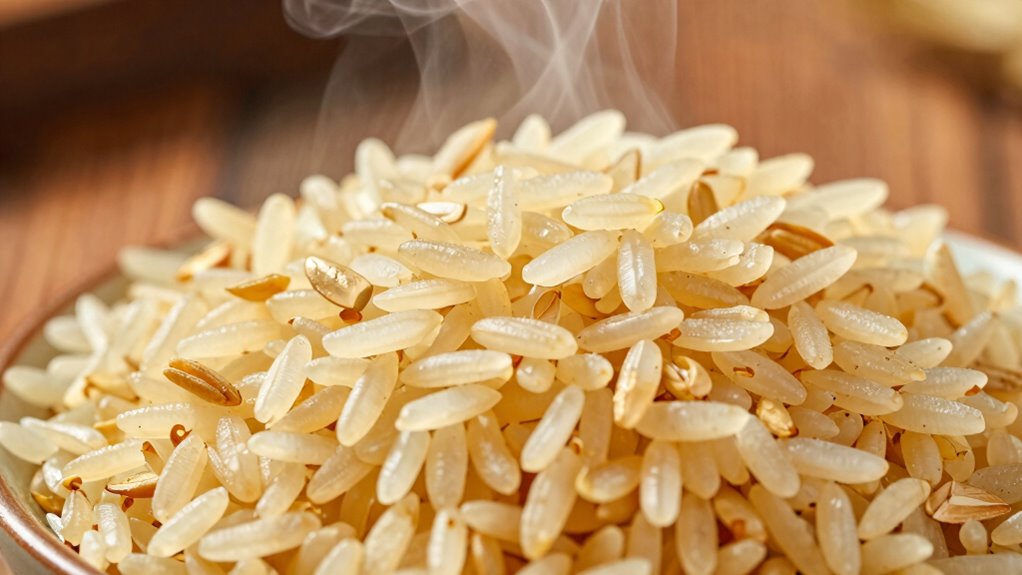
Cooking Basmati rice indeed amplifies its nutty aroma, as heat activates the compounds responsible for its fragrant notes. Proper cooking techniques can markedly enhance flavor and help preserve the rice’s natural aroma. When you cook Basmati, the heat causes Maillard reactions, intensifying the nutty scent. To maximize this effect, consider the following:
Cooking Basmati rice enhances its nutty aroma through heat-induced Maillard reactions.
- Use minimal water to prevent aroma loss
- Cook at a gentle simmer to preserve delicate compounds
- Avoid overcooking, which can dull the fragrance
- Incorporate aromatic ingredients like spices to boost flavor enhancement
- Ensuring proper ventilation during cooking can help retain and even enhance the rice’s aroma and prevent lingering odors. Additionally, maintaining temperature control during cooking can prevent the breakdown of aromatic compounds, ensuring a richer aroma. Proper storage of Basmati rice before cooking also plays a crucial role in maintaining its natural fragrance. Good storage practices can help preserve the rice’s aromatic integrity, ensuring a more fragrant result when cooked. For optimal results, understanding the chemical reactions involved in cooking can further help in enhancing Basmati’s distinctive scent.

Royal Chef's Secret Basmati White Rice – Premium Extra Long Grain Rice – 10 lb Bag – Perfect for Biryanis, Pilafs, Pulao & Curries – Cook in Microwave or on Stove Top
AUTHENTIC FLAVOR: Extra long grain Basmati rice with a delicate, nutty flavor, distinct aroma, and beautiful pearl white…
As an affiliate, we earn on qualifying purchases.
As an affiliate, we earn on qualifying purchases.
What Are the Best Tips to Maximize Basmati’s Aroma When Cooking?
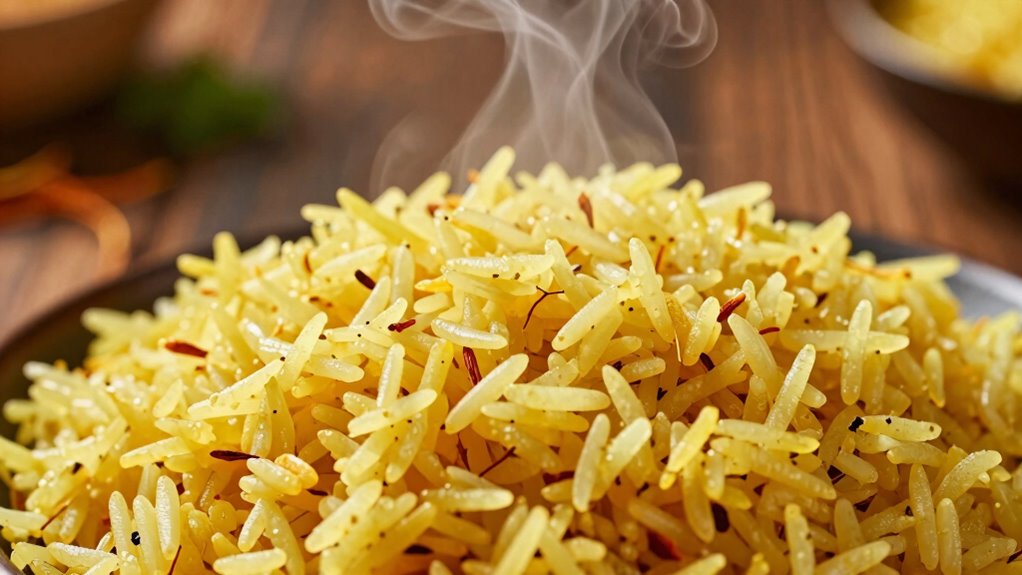
To maximize Basmati’s natural aroma during cooking, focus on techniques that preserve and enhance its fragrant qualities. Start by rinsing the rice gently to remove excess starch, which helps keep grains separate and maintains aroma integrity. Use fresh, high-quality water and soak the rice for 20-30 minutes; this step allows the grains to absorb moisture evenly, boosting aroma preservation. Cook Basmati with a tight-fitting lid over low heat or employ the absorption method to prevent aroma loss through steam escape. Adding aromatics like a cinnamon stick or bay leaf during cooking can intensify the fragrance. Incorporating essential oils such as a few drops of lavender or eucalyptus during steaming can further enhance the aroma, as these oils are known to carry fragrant properties. Finally, let the rice rest for a few minutes off the heat before fluffing; this step allows the aroma to settle, delivering a more fragrant, flavorful experience. Proper campsite selection can also help preserve the natural environment and enhance your overall outdoor experience. Additionally, choosing the right cooking vessel can help retain the aroma and ensure even cooking.
How Do Soil and Climate Influence Basmati Rice’s Fragrance?

The unique aroma of Basmati rice is heavily influenced by the soil and climate where it’s grown. Soil composition affects nutrient levels and organic compounds, which contribute to the rice’s fragrance. Rich, well-drained soils promote better aroma development. Climate variations, such as temperature and humidity, also play a vital role, affecting the rice’s biochemical pathways that produce aromatic compounds. Warmer temperatures can intensify aroma, while consistent humidity supports aromatic compound retention. Soil quality is essential because it directly impacts the development of aromatic compounds in the rice. Here’s how soil and climate impact fragrance:
- Soil composition influences nutrient availability and organic matter.
- Climate variations determine the development of aromatic compounds.
- Temperature fluctuations affect aroma intensity.
- Humidity levels influence the preservation of fragrance during growth.
- Understanding agroclimatic conditions helps explain regional differences in aroma profiles.
- Additionally, soil microbiota can influence the production of aromatic precursors in rice plants.
- Variations in microbial diversity in the soil can modify aromatic compound synthesis, further impacting aroma quality.
Understanding these factors helps explain why Basmati rice from different regions smells distinct.
Frequently Asked Questions
Is the Nutty Aroma a Sign of High-Quality Basmati Rice?
Yes, a nutty aroma often indicates high-quality basmati rice because it reflects aroma authenticity and proper aging. When you notice this scent, it means the rice has retained its natural flavor and consistent aroma profile. Good-quality basmati rice develops a rich, nutty smell during processing, which signals freshness and superior flavor. So, trust that the distinct aroma is a sign you’re getting premium rice with reliable flavor consistency.
Can Basmati Rice Lose Its Aroma Over Time?
Yes, basmati rice can lose its aroma over time. To maintain its nutty scent, you should focus on aroma preservation by storing it properly. Keep it in an airtight container in a cool, dark place to prevent moisture and odor absorption. Using appropriate storage techniques ensures that your rice maintains its distinct aroma and flavor, making every meal as fragrant and delicious as when you first bought it.
Are There Specific Basmati Varieties Known for Stronger Nutty Scents?
Yes, certain basmati varieties have a stronger nutty scent due to variety influence and regional differences. For example, Indian and Pakistani basmati rice often boast a more pronounced aroma compared to other types. You’ll notice that specific regions, like the Punjab or Haryana, cultivate varieties with distinctive nutty notes. When shopping, look for these regional labels or specific varieties to find basmati rice with a richer, stronger nutty fragrance.
How Does Processing Impact the Rice’s Natural Fragrance?
Imagine the delicate scent of basmati rice as a fragile melody; processing methods and storage techniques can easily mute or alter its natural fragrance. When rice undergoes excessive polishing or improper storage, its nutty aroma diminishes. Choosing gentle processing and airtight storage preserves those aromatic oils, ensuring your rice retains its signature scent. So, you control how the aroma sings—less processing, better storage, more flavor.
Does Organic Farming Improve Basmati’s Aroma Compared to Conventional Methods?
Yes, organic farming tends to improve Basmati rice’s aroma compared to conventional methods. By avoiding synthetic chemicals, organic practices allow the rice to develop a richer, more authentic scent, enhancing its natural nutty aroma. You’ll notice a more pronounced fragrance, which results from healthier soil and better crop management. This natural aroma enhancement makes organic Basmati rice more flavorful and aromatic, elevating your cooking experience.
Conclusion
Think of Basmati rice as a delicate musical instrument, its nutty aroma the soft melody that captures your senses. When you handle it with care—storing properly, cooking just right—you bring out its true harmony. Like tuning strings to perfection, your attention transforms ordinary rice into a fragrant symphony. So, embrace these tips, and let each bite resonate with the rich, nutty notes that make Basmati truly special.