To season your cast iron tawa for dosa and roti, start by thoroughly cleaning it to remove dirt or rust. Dry well and lightly sand if needed. Preheat over medium heat, then apply a thin layer of high smoke point oil like vegetable or flaxseed oil across the surface and sides. Let it warm until it smokes lightly, then cool. Repeat 2-3 times for a durable non-stick coating, and learn additional tips for perfect seasoning ahead.

Get kitchen staples and gadgets delivered free with Prime
- Fast, free delivery on millions of items
- Prime Video, Amazon Music and more included
- Member-only deals all year
Key Takeaways
- Thoroughly clean the tawa to remove dirt, rust, and residues, then dry completely before seasoning.
- Preheat the tawa over medium heat until hot to open pores for better oil absorption.
- Apply a thin, even layer of high smoke point oil (vegetable or flaxseed) across the surface and sides.
- Heat until the oil begins to smoke lightly, then turn off and let it cool; repeat 2-3 times for a durable coating.
- After each use, lightly oil the tawa and store in a dry place to maintain and strengthen the seasoning.
As an affiliate, we earn on qualifying purchases.
Why Proper Seasoning Makes Your Dosa and Roti Taste Better
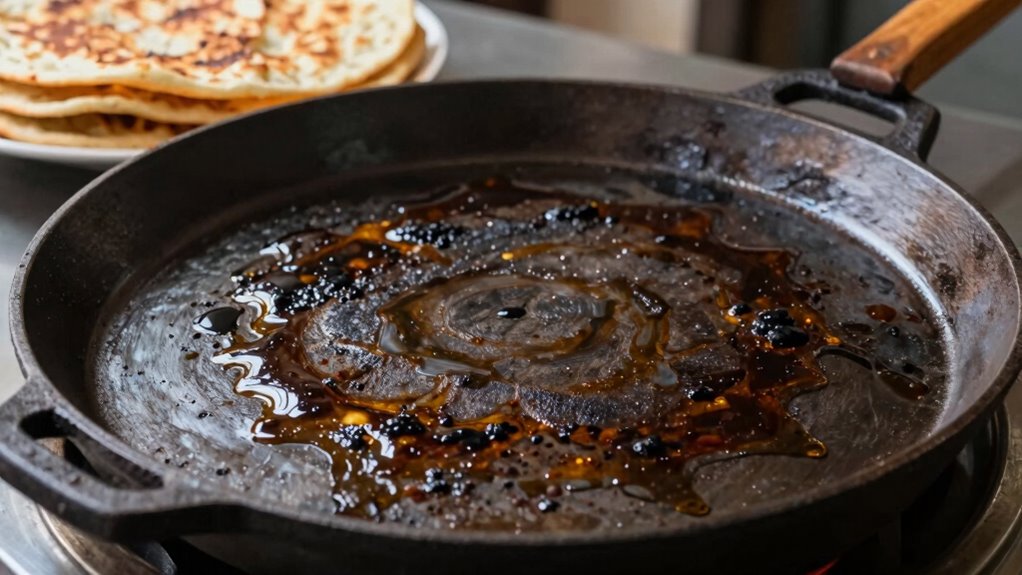
Properly seasoned cast iron Tawas develop a natural non-stick surface, which is vital for making delicious dosas and rotis. When choosing oil, opt for those with high smoke points like vegetable or flaxseed oil, as they create a durable coating. The seasoning duration plays a key role; you need to apply thin layers of oil and heat the Tawa gradually, allowing the oil to polymerize and bond with the surface. This process builds up a smooth, effective non-stick layer that enhances your cooking. Skipping or rushing the seasoning can result in sticking and uneven cooking. Consistent seasoning over time ensures your Tawa becomes more effective, giving your dosas and rotis that perfect texture and flavor every time.
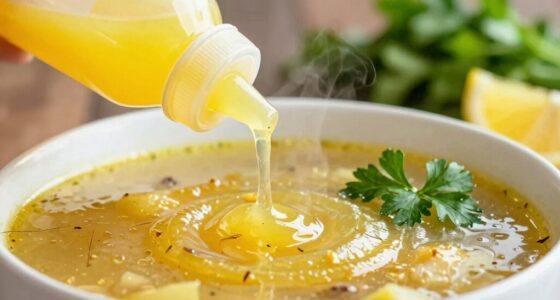
high smoke point cooking oil for cast iron
As an affiliate, we earn on qualifying purchases.
As an affiliate, we earn on qualifying purchases.
How to Prepare Your Cast Iron Tawa for Perfect Seasoning

Before you start seasoning your cast iron Tawa, it’s vital to clean it thoroughly to remove any dirt, rust, or old food residues. Proper Tawa cleaning ensures a smooth surface for seasoning and prevents sticking. Use suitable seasoning tools like a scrub brush or steel wool to scrub away stubborn debris. Rinse the Tawa with warm water and dry it completely with a clean cloth or paper towel. Moisture can cause rust, so make sure it’s dry before proceeding. If needed, lightly sand the surface to remove any rough patches. This preparation step creates a clean, even surface, which is key for a successful seasoning process. Additionally, understanding the material composition of your Tawa can help you select the best cleaning and seasoning methods. Being aware of the material’s heat tolerance can also guide you in choosing appropriate cooking temperatures during seasoning. Properly maintaining your Tawa will extend its lifespan and improve its non-stick properties. Regularly applying a light layer of oil after each use can help build up a seasoned coating, enhancing the Tawa’s performance over time. As you prepare your Tawa, remember that correct cleaning techniques are essential for achieving a durable seasoning layer. Taking these initial steps will help you achieve a well-seasoned Tawa perfect for making dosa and roti.
As an affiliate, we earn on qualifying purchases.
Step-by-Step: Season Your Cast Iron Tawa for Dosa and Roti
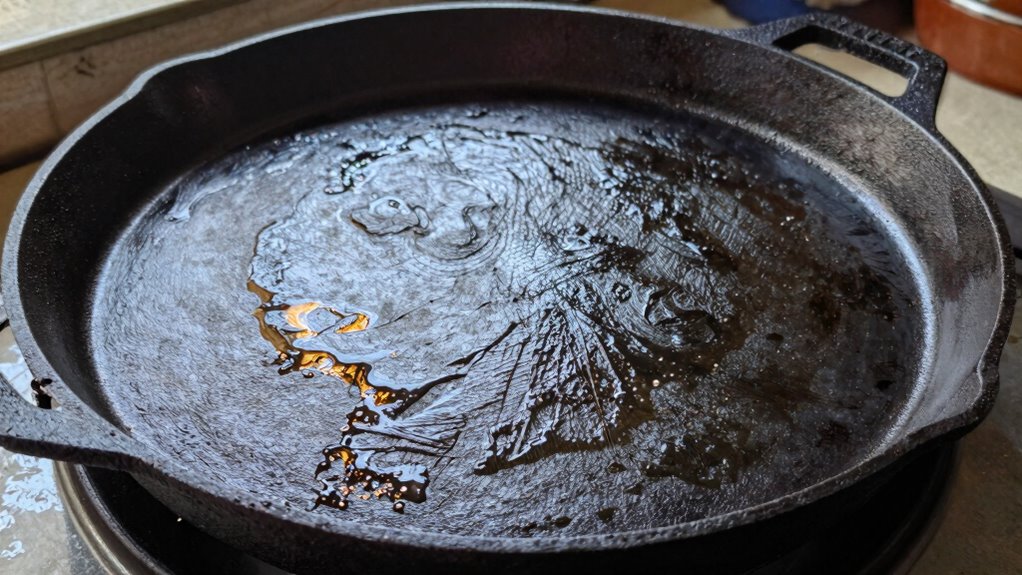
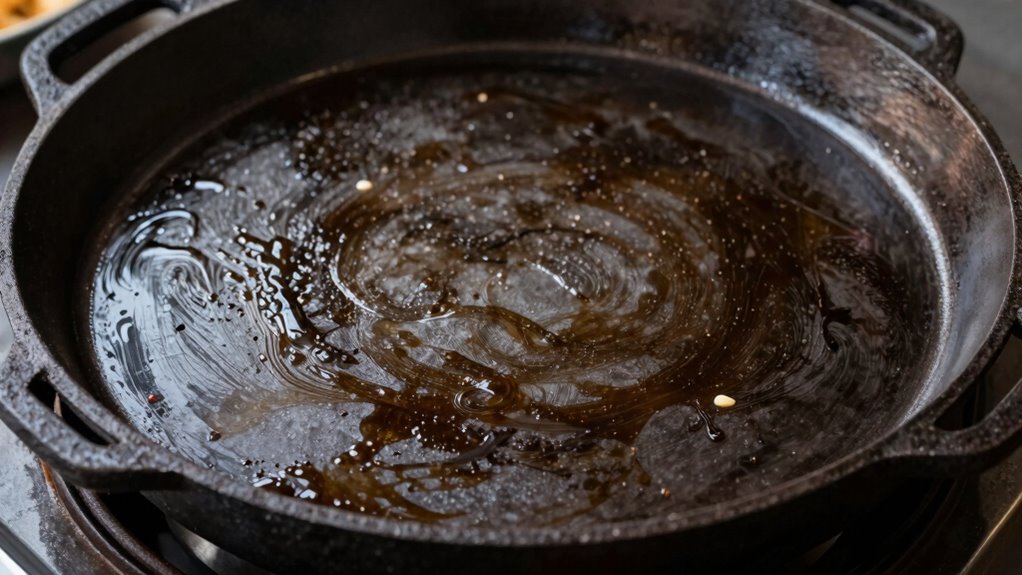
To season your cast iron Tawa effectively for making dosa and roti, start by preheating it over medium heat until it’s hot. This helps open the pores for better seasoning. Next, use clean seasoning tools like a paper towel or cloth to apply a thin layer of oil—preferably one with a high smoke point like vegetable or flaxseed oil. Spread the oil evenly across the entire surface, including the sides. Let the Tawa heat on medium until it starts to smoke lightly, then turn off the heat and allow it to cool. Repeating this process 2-3 times helps build a durable, non-stick layer for optimal seasoning. Proper cast iron maintenance guarantees your Tawa stays seasoned and ready for perfect dosas and rotis. Additionally, understanding the seasoning process can help you achieve a more effective and long-lasting non-stick surface. Regularly maintaining your cast iron Tawa by reseasoning as needed ensures it remains well-protected and enhances cooking performance. Incorporating proper cleaning techniques also extends the lifespan of your Tawa and preserves its seasoned surface.
As an affiliate, we earn on qualifying purchases.
Tips to Maintain and Rejuvenate Your Seasoned Tawa for Long-Lasting Non-Stick
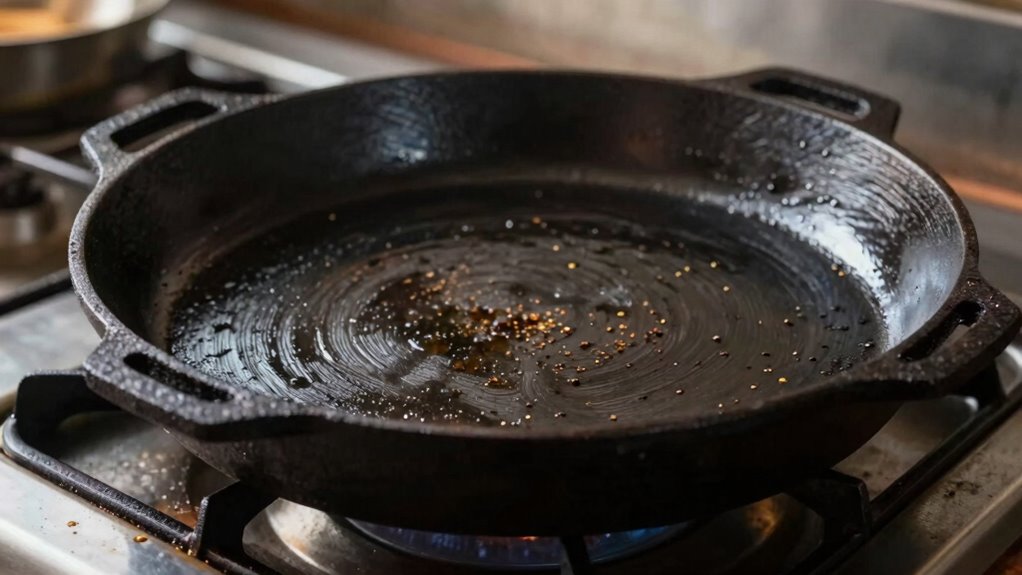
Maintaining and rejuvenating your seasoned cast iron Tawa guarantees it stays non-stick and ready for perfect dosas and rotis. Regular oil application after each use helps build up the seasoning layer, preventing rust and maintaining its non-stick surface. When storing your Tawa, make certain it’s completely dry to avoid moisture that can cause rusting, and consider applying a thin layer of oil before storing. Periodically, lightly re-season the surface by heating the Tawa and applying a small amount of oil to restore its non-stick quality. Proper seasoning storage practices, such as keeping it in a dry, well-ventilated place, prolongs the life of your Tawa and keeps it in prime condition for continuous use. Additionally, avoiding harsh chemicals during cleaning helps preserve the seasoned surface and prevents damage. These simple tips ensure your Tawa remains a reliable kitchen companion. Incorporating seasoning maintenance routines into your regular cleaning schedule will further enhance its durability and cooking performance. To further protect the seasoning and extend the lifespan of your Tawa, consider proper cleaning techniques that avoid abrasive materials which can strip away the seasoned coating. Using appropriate cleaning tools, such as a soft brush or cloth, helps maintain the integrity of the seasoned surface while ensuring cleanliness.
Common Seasoning Problems and How to Fix Them
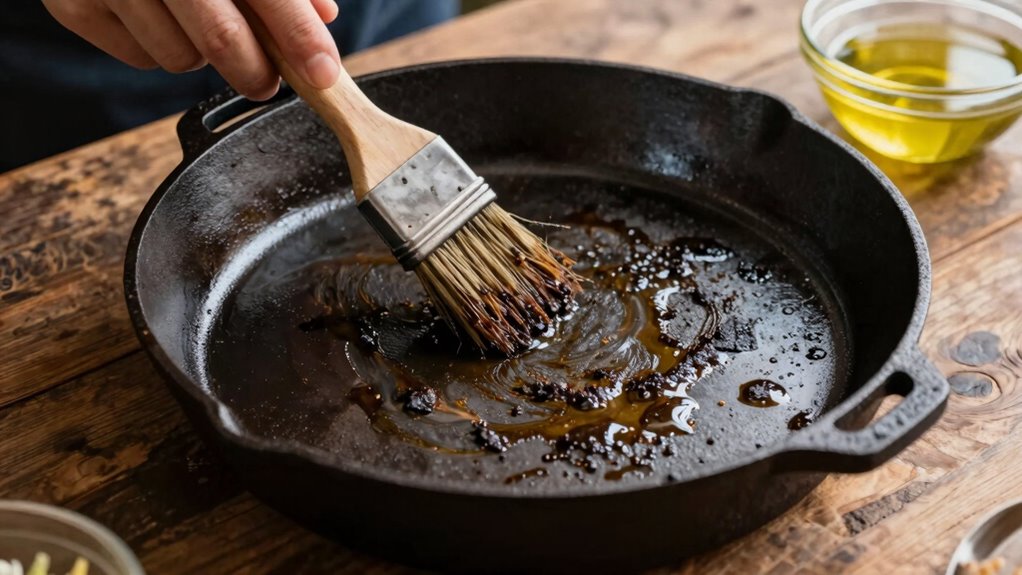
Even with regular care, seasoning your cast iron Tawa can sometimes develop issues that affect its performance. One common problem is rust formation, which requires thorough rust removal before reseasoning. Rust can cause sticking and damage the surface. Another issue is uneven coating, where the seasoning layer is inconsistent, leading to spots that stick or burn easily. To fix this, scrub the rust away with steel wool or a brush, then clean and dry the Tawa completely. Reapply a thin layer of oil and heat it gradually to build a smooth, even seasoning. Regular maintenance and proper cleaning help prevent these problems, ensuring your Tawa stays non-stick and ready for perfect dosas and rotis.
Frequently Asked Questions
How Often Should I Re-Season My Cast Iron Tawa?
You should re-season your cast iron tawa every few months or when you notice food sticking or rust. Regular seasoning frequency keeps the tawa well-maintained and enhances its non-stick surface. After each use, clean it thoroughly, dry it completely, and apply a thin layer of oil. Consistent tawa maintenance guarantees it stays in good condition, improves cooking results, and prolongs its lifespan.
Can I Use Soap to Clean My Seasoned Tawa?
You might hesitate, but yes, you can use soap to clean your seasoned tawa occasionally. It’s tempting to avoid soap because of seasoning maintenance, but a gentle scrub with mild soap won’t strip away the seasoning if you rinse thoroughly and dry immediately. Just don’t make it a routine. After soap cleaning, reapply a light coat of oil to keep your tawa well-seasoned and ready for perfect dosas and rotis.
What Type of Oil Is Best for Seasoning a Cast Iron Tawa?
You should use a high-smoke-point cooking oil like flaxseed, canola, or vegetable oil for seasoning your cast iron tawa. These oils create a durable, non-stick surface during the seasoning process. Apply a thin layer of oil evenly over the tawa, then heat it until the oil bonds to the surface. Repeating this process builds up a strong, well-seasoned cooking surface perfect for making dosa and roti.
How Do I Remove Rust From a Seasoned Tawa?
Think of rust as a villain threatening your cast iron’s strength. To defeat it, scrub the rusted spots with steel wool or a rust remover, then rinse thoroughly. Once clean, re-season your tawa to restore its non-stick surface and protect against future rust. Regular rust removal and seasoning restoration keep your tawa in prime condition, ensuring it’s ready for delicious dosas and rotis anytime you need them.
Is It Necessary to Preheat the Tawa Before Cooking?
Yes, you should preheat your cast iron tawa before cooking. Preheating benefits include even heat distribution, which helps you control the temperature better. This guarantees your dosa or roti cooks uniformly and prevents sticking or burning. By preheating, you also get a better non-stick surface over time. Just place the tawa on medium heat for a few minutes, then adjust the temperature as needed before adding your batter or dough.
Conclusion
Think of a well-seasoned tawa like a trusted friend—it gets better with time and care. When you season your cast iron properly, it’s like revealing a secret recipe that makes your dosa and roti taste even more delicious. Keep up with regular maintenance, and your tawa will serve you perfectly, just like a reliable companion. With a little effort, you’ll enjoy non-stick cooking that’s as smooth as silk every time.
NFL season / tailgating Picks
team gear
As an affiliate, we earn on qualifying purchases.