
TL;DR
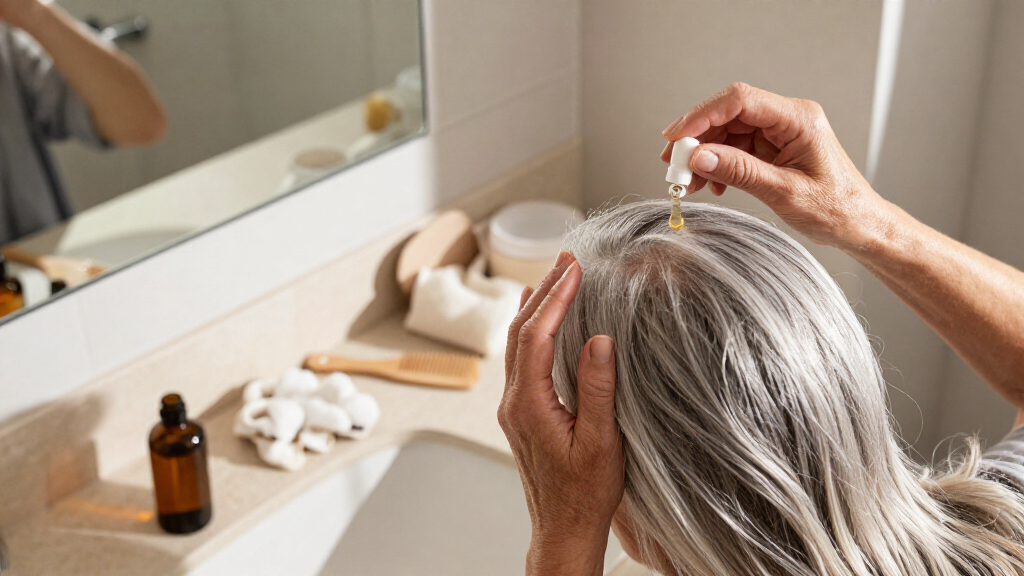
Hair can become finer and less dense with age as follicles shrink and hormonal changes affect the growth cycle. Experts quoted by Good Housekeeping recommend checking for possible health contributors before choosing treatment; styling products may add volume, while minoxidil and in-office therapies may help some people.
A Good Housekeeping report describes how age-related changes, menopause and other health factors may contribute to hair thinning after 50, and outlines options ranging from a medical evaluation to styling products and treatments. The report cites an estimate that nearly 40% of women experience hair loss by age 50, but the supplied material does not identify the study behind that figure or define the type of hair loss measured.

Get kitchen staples and gadgets delivered free with Prime
- Fast, free delivery on millions of items
- Prime Video, Amazon Music and more included
- Member-only deals all year
Sharley Viola, a trichologist and textured-hair specialist, told Good Housekeeping that hair follicles can gradually shrink with age, a process known as follicular miniaturization. This can leave hair finer and shorter. Viola also said hormonal changes around menopause may shorten the time hair spends in its growth phase, reducing density and volume.
Other possible contributors include thyroid imbalances, some medications, and changes in scalp circulation, according to biochemist and scalp expert Jared Reynolds. These are potential factors, not a diagnosis: hair thinning has multiple possible causes, and the report does not establish how often any one cause is responsible.
Both experts advise identifying the cause before selecting a treatment. Viola said a clinician may consider topical minoxidil when thinning is associated with illness, stress, medication or hormonal changes. Reynolds recommended discussing checks of thyroid levels, iron and ferritin, and vitamin D with a doctor. He cautioned that topical products may not address an underlying deficiency or hormonal imbalance.
Choosing Care That Fits the Cause
Hair thinning can have more than one contributor, so a treatment that helps one person may not address another person’s situation. The report’s practical message is to seek a medical assessment before treating the change as purely cosmetic. Checking for a possible thyroid issue, nutrient deficiency, medication effect or other health factor can help inform the next step.
For readers focused on appearance, lightweight volumizing products can make hair look fuller without treating the underlying cause. For readers considering medical treatments, the report stresses that results take time and may vary. A clinician can help weigh expected benefits, suitability and possible risks for an individual.
Products Worth Considering

KitchenAid 3-Piece Pasta Roller and Cutter Set for Stand Mixers

Ninja Luxe Café Premier 3-in-1 Espresso Machine, Stainless Steel, ES601

De'Longhi La Specialista Touch Semi-Automatic Espresso Machine with Grinder
As an affiliate, we earn on qualifying purchases.
How Aging Changes Hair Growth
Hair grows in cycles, and the report’s experts describe age-related follicle changes and menopause-related shifts as possible reasons density can decline. Viola said follicles may produce hair that is finer, shorter and less pigmented as they shrink. Reynolds said thyroid function, medications and circulation may also affect follicle health or texture.
The report says thinning caused by age-related hormonal and follicular changes cannot always be prevented. It also notes that repeated pulling from tight ponytails, braids or extensions can contribute to traction alopecia. Gentle hair care, a balanced diet, hydration and attention to scalp concerns are suggested as supportive habits, not guaranteed ways to prevent age-related hair loss.
“As we get older, the hair growth cycle changes and hair follicles gradually become smaller, a process known as follicular miniaturization.”
— Sharley Viola, trichologist and textured-hair specialist, as quoted by Good Housekeeping
What the Report Does Not Establish
The supplied report does not provide the research citation or measurement behind its estimate that nearly 40% of women experience hair loss by age 50. It also does not specify how much thinning is typical, how to distinguish age-related changes from a medical condition, or which treatment is most effective across different causes.
Minoxidil, platelet-rich plasma (PRP) and low-level laser therapy are discussed as possible options, but the report does not provide comparative evidence, success rates, risks or eligibility criteria. Outcomes can depend on the cause of thinning and individual circumstances. Readers should ask a qualified clinician about diagnosis and treatment rather than assuming a product or procedure is appropriate for them.
Discuss Symptoms and Treatment Options
The next step for someone concerned about hair loss is to speak with a healthcare professional, who can review health history and decide whether tests are appropriate. The report specifically mentions thyroid levels, iron and ferritin, and vitamin D as topics to discuss—not tests every person necessarily needs.
If treatment is recommended, ask how long to try it, what changes to monitor, and when to follow up. Reynolds said meaningful changes may take at least three months or longer. A dermatologist can also discuss PRP injections or low-level laser therapy if topical options are not meeting expectations. The report does not say which option will be suitable for any particular reader.
Key Questions
Why can hair become thinner after 50?
Experts quoted by Good Housekeeping point to smaller follicles and changes in the hair growth cycle. Menopause-related hormonal shifts, thyroid issues, some medications and other factors may also contribute.
Should I see a doctor about hair thinning?
The report’s experts recommend speaking with a healthcare professional to help identify possible causes. A clinician can decide whether checking thyroid levels, iron and ferritin, or vitamin D is appropriate.
Can minoxidil help thinning hair?
Viola said treatments containing topical minoxidil may help support regrowth and density for some people, depending on the cause. The report does not say it will work for everyone; ask a clinician whether it is suitable.
What can make hair look fuller right away?
Wizemann recommends trying lightweight products such as volumizing mousse or root-lifting spray, which can add lift and body. These change appearance rather than treat the cause of hair loss.
How long might hair treatments take to show results?
Reynolds said it can take at least three months, sometimes longer, to notice meaningful changes because hair grows in cycles. Timing and results may vary by person and treatment.
Source: goodhousekeeping.com