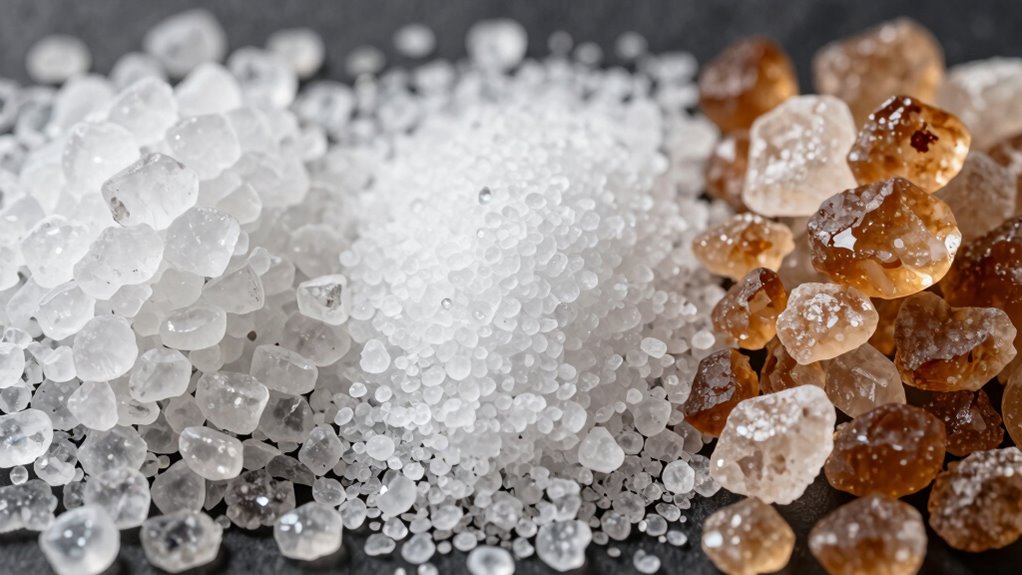

Many believe sea salt is healthier or more natural than table or rock salt, but the truth is, all types contain similar amounts of sodium that can impact your health if consumed excessively. While sea salt and rock salt may have tiny mineral differences, these don’t provide significant health benefits. The main differences lie in how they’re made and their environmental impact. To understand which salt suits your lifestyle and values, stay curious—there’s more to discover behind the myths.
Key Takeaways
- All salts contain sodium; mineral differences are minimal and do not significantly impact health.
- Sea salt is often more eco-friendly due to natural evaporation, while table salt undergoes chemical refinement.
- Rock salt mining can cause environmental disruption, whereas responsible sea salt harvesting minimizes ecological impact.
- Claims of extra health benefits from natural salts are unsubstantiated; moderation is essential for health.
- Choosing sustainable salt sources supports environmental conservation and reduces ecological footprint.
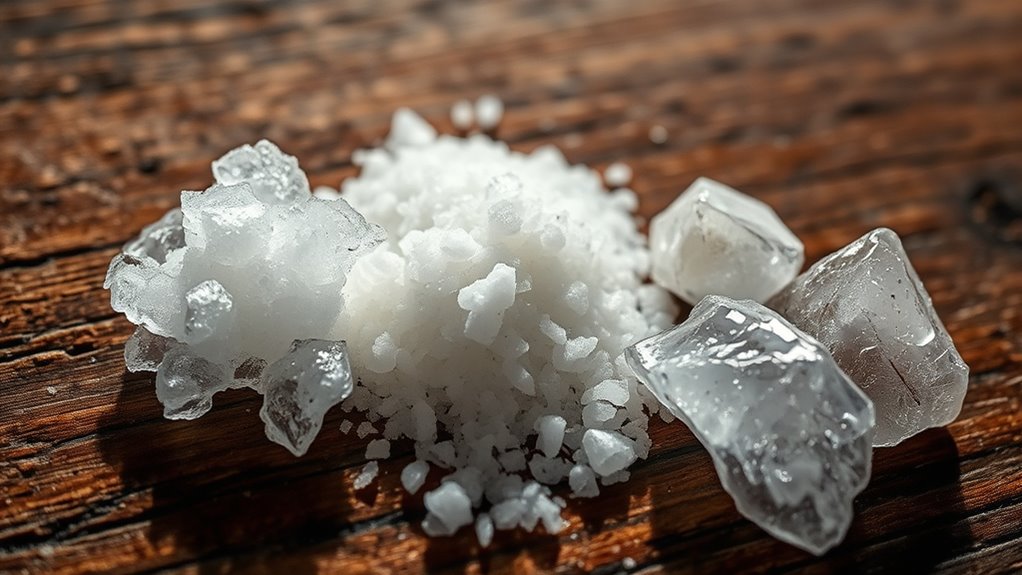
Have you ever wondered if the common beliefs about salt are really true? It’s a question many people ask as they navigate the different types of salt available—sea salt, table salt, and rock salt. Each claims to have unique qualities, but what’s the real story behind their health benefits and environmental impact? Understanding these differences can help you make informed choices about what you add to your food and how it affects the planet.
When it comes to health benefits, many believe that sea salt and rock salt are healthier than regular table salt. While they do contain trace minerals that aren’t found in refined table salt, these minerals are present in such tiny amounts that they don’t make a significant difference in your diet. The primary concern with all types of salt is sodium content, which can contribute to high blood pressure and other health issues if consumed excessively. So, despite claims that natural salts offer extra health benefits, moderation remains key. As for environmental impact, sea salt harvesting is generally considered more sustainable because it involves evaporating seawater through natural processes, which can have a lower environmental footprint. In contrast, mining rock salt can be more disruptive, with potential land degradation and energy consumption involved in extraction. Sustainable harvesting methods for sea salt, such as solar evaporation, can further reduce environmental impact when implemented responsibly. Additionally, innovations in environmentally friendly harvesting techniques are helping to minimize ecological disruption. Using environmentally conscious practices in salt production can also be promoted through sustainable supply chains, which aim to reduce carbon emissions and waste.
Furthermore, the energy-intensive nature of refining table salt, including chemical treatments, often results in a higher carbon footprint, making it less eco-friendly compared to natural methods. It’s also important to recognize that not all salts are created equal in terms of ecological footprint. Sea salt production, if done responsibly, can be more eco-friendly, especially when it relies on solar evaporation and minimal chemical use. Conversely, large-scale mining operations for rock salt may cause habitat disruption and groundwater contamination if not managed properly. innovative European cloud servers are enabling more sustainable and eco-friendly data management practices, illustrating how technology can reduce environmental impacts. These factors matter because choosing a salt that aligns with your values can help reduce your environmental footprint.
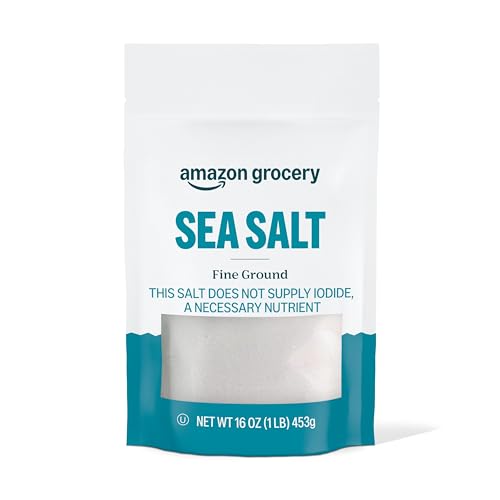
Amazon Grocery, Sea Salt, Fine Ground, 16 Oz
One 16 ounce resealable bag of Fine Ground Sea Salt
As an affiliate, we earn on qualifying purchases.
As an affiliate, we earn on qualifying purchases.
Frequently Asked Questions
Does Mineral Content Impact Health Benefits of Different Salts?
Mineral content does impact health benefits because it influences mineral absorption and potential health implications. You get trace minerals from natural salts like sea and rock salt, which may support your health, but these amounts are small. Table salt is mostly sodium chloride with added iodine and anti-caking agents. So, choosing less processed salts with higher mineral content can provide slight health benefits, though they shouldn’t replace a balanced diet.
Can Salt Type Affect Hydration Levels During Exercise?
You might notice that adding sea salt during exercise helps improve hydration efficiency because it supplies more electrolytes. Studies show that electrolyte balance plays a critical role in maintaining hydration during intense activity. Different salt types, like sea salt or rock salt, contain varying mineral levels, which can influence how effectively your body absorbs and retains water. Consequently, choosing the right salt can help optimize hydration levels during exercise.
Are There Environmental Differences in Harvesting Each Salt Type?
Yes, environmental differences exist in harvesting each salt type. Sea salt is often sustainably harvested through evaporation, minimizing ecological impact. Rock salt is mined, which can disrupt land and ecosystems, though modern methods aim to reduce harm. Table salt typically involves processing and refining, with less direct environmental impact. Your choice can influence sustainability, so consider sources that prioritize sustainable harvesting to reduce ecological impact.
How Do Taste Profiles Vary Among Sea, Table, and Rock Salts?
You’ll notice distinct flavor nuances among sea, table, and rock salts. Sea salt offers a subtle, briny taste that enhances seafood dishes, making it popular in finishing touches. Table salt has a clean, straightforward flavor ideal for baking and seasoning. Rock salt provides a crunchy texture and mineral-rich taste, perfect for grilling or chilling. Knowing these differences helps you choose the right salt to elevate your culinary applications.
Is There a Significant Cost Difference Between Salt Types?
You’ll find that the cost difference among salt types varies based on factors like production costs and quality. Sea salt often costs more due to its harvesting process, while table salt is usually cheaper thanks to mass production. Rock salt falls somewhere in between, with higher prices linked to its extraction and processing. Overall, a price comparison shows that choosing between them depends on your budget and preference for purity or flavor.

Baja Gold Mineral Sea Salt – Recommended by Gary Brecka – Fine Grind Salt for Cooking & Baking | Natural Baja Salt for Culinary Uses | Great for Finishing Dishes | 1 lb. Resealable Bag, 300+ Servings.
NATURAL UNREFINED SEA SALT – Baja Gold Mineral Sea Salt is carefully harvested to retain its natural trace…
As an affiliate, we earn on qualifying purchases.
As an affiliate, we earn on qualifying purchases.
Conclusion
Don’t let misconceptions about salt hold you back from enjoying its flavors and benefits. While sea salt, table salt, and rock salt each have their quirks, the real key is moderation. You might worry about health risks, but small, mindful amounts won’t harm you. Embrace the variety and savor your meals without guilt. After all, life’s too short to miss out on the simple joy of perfectly seasoned dishes.
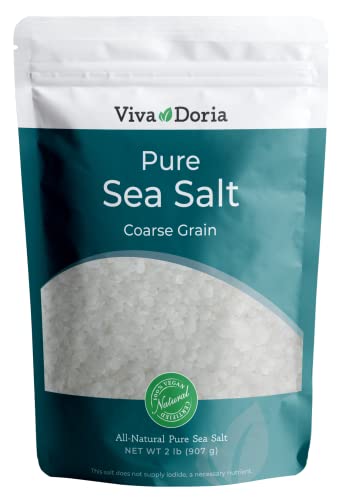
Viva Doria Pure Sea Salt, Coarse Grain, 2 lb | Ideal For Salt Grinders
VISUALLY CAPTIVATING: Each crystal glistens with pristine clarity, reflecting the sun's radiant glow and embodying the sea's untamed…
As an affiliate, we earn on qualifying purchases.
As an affiliate, we earn on qualifying purchases.
Baja Gold Mineral Sea Salt – Recommended by Gary Brecka – Fine Grind Salt for Cooking & Baking | Natural Baja Salt for Culinary Uses | Great for Finishing Dishes | 1 lb. Resealable Bag, 300+ Servings.
NATURAL UNREFINED SEA SALT – Baja Gold Mineral Sea Salt is carefully harvested to retain its natural trace…
As an affiliate, we earn on qualifying purchases.
As an affiliate, we earn on qualifying purchases.