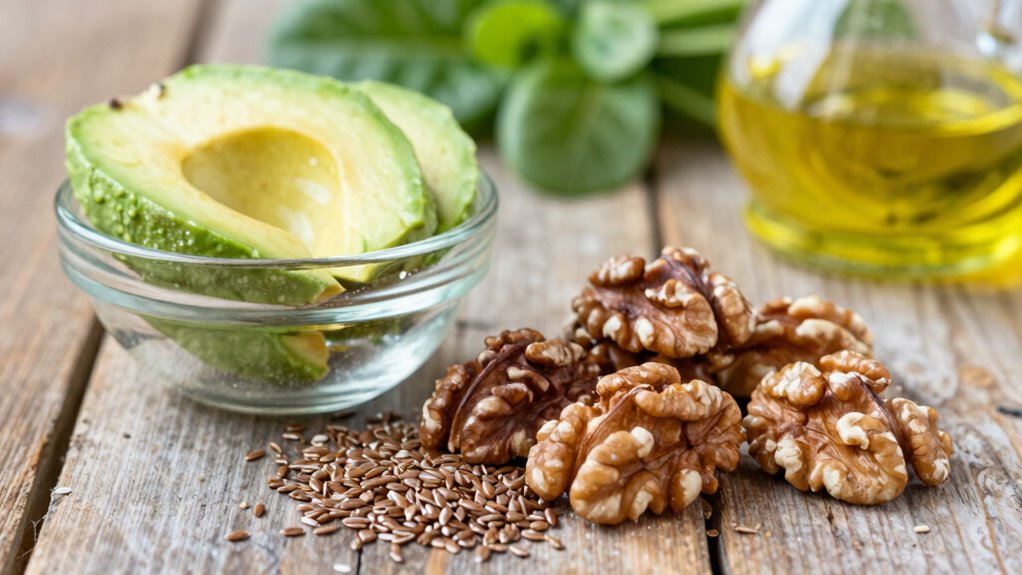

To think about healthy fats without the noise, focus on the quality and sources rather than fearmongering headlines. Recognize that fats like omega-3s, monounsaturated fats, and some saturated fats from natural foods are beneficial for your health. Avoid trans fats and processed snacks. Balance your intake and choose nutrient-dense, sustainable options. If you continue exploring, you’ll discover how to make smarter, more informed choices that truly support your well-being.

Get kitchen staples and gadgets delivered free with Prime
- Fast, free delivery on millions of items
- Prime Video, Amazon Music and more included
- Member-only deals all year
Key Takeaways
- Focus on nutrient-dense sources like omega-3s, monounsaturated fats, and natural saturated fats from whole foods.
- Avoid trans fats and highly processed snacks to reduce health risks.
- Balance fat intake with other nutrients and practice portion control.
- Recognize that moderate consumption of natural saturated fats can be part of a healthy diet.
- Rely on credible information, not sensational headlines, to make informed dietary choices.
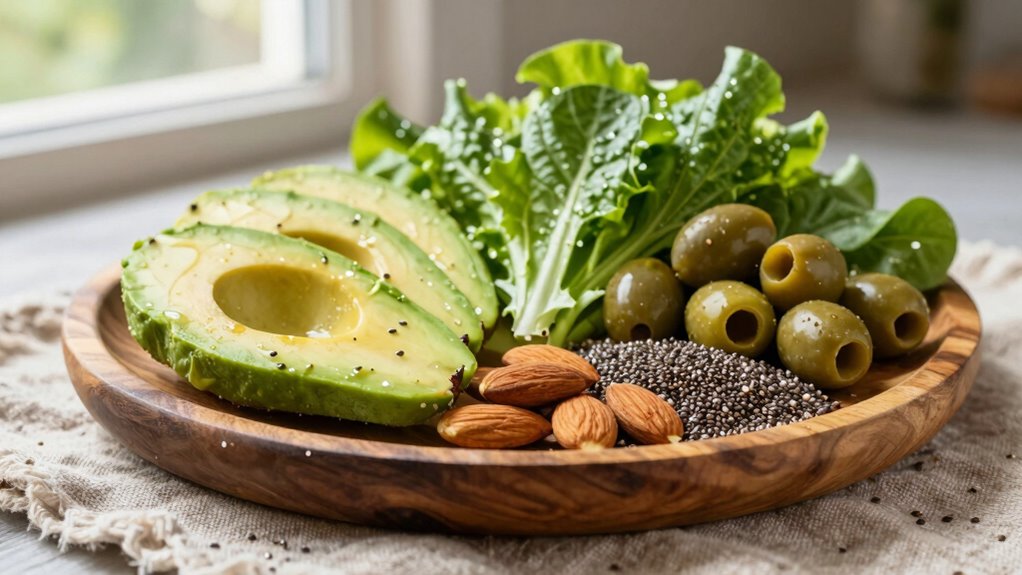
In a world flooded with conflicting advice about fats, it’s easy to feel overwhelmed and unsure which options are truly healthy. The media often paints fats as either villains or heroes, making it tough to know what to trust. But understanding a few basics can help you cut through the noise and make smarter choices about healthy fats. For starters, not all fats are created equal, and recognizing the differences can profoundly impact your health.
Omega-3 benefits stand out as some of the most well-supported advantages of healthy fats. These essential fats, found in fatty fish like salmon, flaxseeds, and walnuts, play a vital role in reducing inflammation, supporting brain health, and even lowering the risk of heart disease. Incorporating omega-3s into your diet can boost your mood, improve cognitive function, and contribute to overall well-being. You don’t need massive amounts—just enough to regularly nourish your body and mind.
On the other hand, saturated fat myths have long clouded the conversation about fats. Many people grew up believing saturated fats are inherently bad, linked to clogged arteries and heart disease. However, recent research suggests the story isn’t so black and white. While excessive intake of saturated fats from processed foods isn’t advisable, moderate consumption from natural sources like dairy, coconut, or certain meats can be part of a balanced diet. The key is moderation and choosing whole, minimally processed foods over heavily processed options. Recognizing these myths helps you avoid unnecessarily restricting your diet and missing out on nutrient-rich foods that contain healthy fats.
Instead of obsessing over every fat label, focus on the quality of what you eat. Prioritize sources rich in monounsaturated fats, such as olive oil, avocados, and nuts, which support heart health and help regulate cholesterol levels. Balance is essential—incorporate a variety of fats, including omega-3s, monounsaturated, and even some saturated fats, but keep portion sizes in check and avoid trans fats altogether. These artificial fats, often found in processed snacks, are linked to increased cardiovascular risk and should be avoided. Paying attention to food source diversity can further enhance your diet’s nutritional profile and sustainability.
Additionally, understanding the importance of biodiversity in food sources can help you make more sustainable and nutritious choices. Ultimately, the best approach is to view fats as part of a bigger picture of balanced eating. Don’t get caught up in sensational headlines or fear-mongering. Instead, learn to identify nutrient-dense sources of healthy fats and include them thoughtfully in your diet. With this perspective, you’ll be better equipped to navigate the complex world of dietary fats and enjoy their benefits without the noise.
As an affiliate, we earn on qualifying purchases.
Frequently Asked Questions
Are All Saturated Fats Unhealthy?
Not all saturated fats are unhealthy; their impact varies based on factors like fat absorption and cholesterol impact. Some saturated fats, found in sources like coconut oil, are absorbed differently and may have less effect on cholesterol levels. It’s crucial to take into account the source and amount you consume, rather than avoiding all saturated fats entirely. Moderation and balance help you make better choices without falling for the hype surrounding “bad” fats.
How Do Processed Fats Differ From Natural Fats?
Processed fats often contain trans fats, which are linked to heart disease, despite some trans fat myths claiming they’re harmless. Natural fats, like those in avocados and nuts, offer benefits like supporting cell health and hormone production. You should know that natural fats are minimally processed and retain beneficial nutrients, unlike processed fats that undergo chemical alterations, stripping away benefits and introducing health risks. Choosing natural fats supports your overall well-being.
Can I Get Enough Healthy Fats on a Plant-Based Diet?
Yes, you can get enough healthy fats on a plant-based diet. Focus on sources like avocados, nuts, seeds, and olive oil, which provide essential fatty acids. These plant-based fats support your fat absorption efficiency and overall health. Incorporate a variety of these foods into your meals to guarantee you’re meeting your nutritional needs without relying on processed fats. A balanced approach helps you stay healthy and energized.
Do Healthy Fats Contribute to Weight Gain?
About 9 calories per gram, healthy fats can contribute to weight gain if you consume them in excess. They influence fat absorption and have significant metabolic effects, helping your body function properly. When eaten mindfully, healthy fats support satiety and energy levels without necessarily leading to weight gain. Focus on balanced portions, and you’ll enjoy their benefits without the risk of overdoing it.
How Much Healthy Fat Should I Include Daily?
You should aim to include about 20-35% of your daily calories from healthy fats. This supports ideal fat absorption and overall health. Focus on maintaining a dietary balance by incorporating sources like avocados, nuts, seeds, and olive oil. Be mindful not to overconsume, as excess healthy fats can still contribute to weight gain. Listening to your body and adjusting portion sizes helps you find the right balance for your needs.
As an affiliate, we earn on qualifying purchases.
Conclusion
By cutting through the noise and focusing on real, whole-food sources of healthy fats, you can transform your approach to nutrition. Remember, not all fats are created equal—some can truly elevate your health to new heights, like a rocket blasting off. Trust your knowledge, listen to your body, and make informed choices. With clear guidance, you’ll see that embracing healthy fats isn’t just a trend—it’s your secret weapon for lifelong well-being.
As an affiliate, we earn on qualifying purchases.
As an affiliate, we earn on qualifying purchases.
Halloween Picks
halloween
As an affiliate, we earn on qualifying purchases.