

To think about iron, calcium, and protein without obsessing, focus on eating a variety of nutrient-rich foods in balanced amounts. Include lean meats, dairy or fortified alternatives, and plant-based sources like beans and greens, while pairing plant foods with vitamin C to boost iron absorption. Limit excess caffeine and sodium to improve calcium intake. Prioritize overall healthy habits—your body benefits from consistent, mindful choices rather than perfect numbers. Discover more ways to optimize your nutrition as you continue.

Get kitchen staples and gadgets delivered free with Prime
- Fast, free delivery on millions of items
- Prime Video, Amazon Music and more included
- Member-only deals all year
Key Takeaways
- Focus on eating a variety of nutrient-rich foods rather than obsessing over exact amounts.
- Incorporate sources of iron, calcium, and protein regularly through balanced meals.
- Enhance absorption by pairing plant-based iron with vitamin C and moderating substances that hinder calcium.
- Prioritize overall dietary patterns and mindful eating over precise nutrient tracking.
- Remember nutrients work together within a balanced diet, supporting health without stress over specifics.
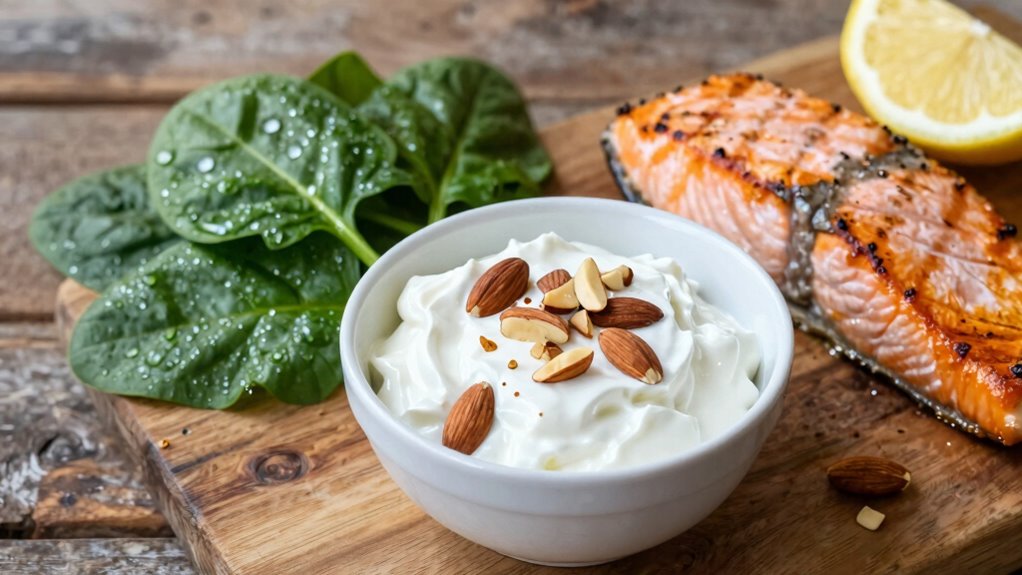
Have you ever wondered why iron, calcium, and protein are so crucial for your health? These nutrients play essential roles in keeping your body functioning at its best, but understanding how to include them in your diet without obsessing can be tricky. The key is to focus on balanced, varied eating rather than fixating on perfect intake numbers. When you think about nutrient absorption, consider how your body’s ability to absorb these nutrients varies depending on the food sources and other dietary factors. For example, iron from animal sources, like lean meats, is more readily absorbed than plant-based iron, found in foods like spinach or lentils. Consuming vitamin C-rich foods, such as citrus or bell peppers, alongside plant sources can boost iron absorption and make your efforts more effective. The best way to ensure you’re getting enough of these nutrients is to aim for a balanced diet that includes a variety of foods. Additionally, understanding how nutrient interactions affect absorption can help you optimize your intake and prevent deficiencies. For instance, certain dietary patterns can either enhance or inhibit nutrient absorption, so being aware of these dietary factors can be beneficial. Calcium, on the other hand, is abundant in dairy products like milk, yogurt, and cheese, but it’s also present in leafy greens, fortified plant milks, and certain fish like sardines. The challenge with calcium isn’t just in finding dietary sources but in ensuring your body can absorb it properly. Factors like excessive caffeine, sodium, or certain medications can interfere with calcium absorption, so moderation matters. Additionally, absorption efficiency can vary based on these factors, influencing how well your body utilizes these nutrients. Interestingly, understanding the nutrient bioavailability of different foods can help you make smarter choices to maximize your intake. Protein is easier to incorporate, as it’s found in a wide range of foods—from eggs and dairy to beans, nuts, and lean meats. The goal isn’t to eat excessive amounts but to include enough to meet your daily needs, which vary based on your age, activity level, and health status. When you think of dietary sources, focus on variety. This not only helps you get all the essential nutrients but also keeps your meals interesting. You don’t need to obsess over exact grams; instead, aim for balanced plates that include a mix of protein, calcium, and iron-rich foods throughout the day. Remember that your body is adaptable, and with consistent, mindful choices, you can meet your nutritional needs without stress or guilt.
Ultimately, think of these nutrients as important parts of a bigger picture—your overall health and well-being. By incorporating a range of dietary sources and being aware of how nutrient absorption works, you can nourish your body effectively and confidently. If you stay flexible and focus on balanced eating habits, you’ll support your health without the need to obsess over every nutrient detail.
As an affiliate, we earn on qualifying purchases.
Frequently Asked Questions
How Can I Tell if I Have a Deficiency in These Nutrients?
To identify a nutrient deficiency, pay attention to symptom awareness, like fatigue, weakness, or unusual cravings. You might notice pale skin or brittle nails, which can signal iron deficiency, or muscle cramps and weak bones hinting at calcium issues. Regular check-ups and blood tests are the best way to confirm deficiencies. If you’re experiencing persistent symptoms, consult a healthcare professional promptly to get accurate diagnosis and personalized advice.
Are Supplements Necessary for Adequate Intake?
Supplements aren’t always necessary for adequate intake; many people get enough nutrients from a balanced diet. Beware of supplement myths that suggest more is better, as excess can hinder nutrient absorption. Focus on eating diverse, nutrient-rich foods to meet your needs. If you’re concerned about deficiencies, consult your healthcare provider before adding supplements. They can help you determine if you truly need them and guarantee you’re not overdoing it.
Can Excess Intake of These Nutrients Be Harmful?
Ever wonder if too much of these nutrients could harm you? Excess intake of iron, calcium, or protein can lead to overdose risks and disrupt nutrient balance. Overdoing it might cause health problems like constipation, kidney issues, or nutrient imbalances. To stay safe, focus on a balanced diet without obsessing over perfect amounts. Moderation and variety help guarantee you get what you need without risking excess.
How Do These Nutrients Interact With Medications?
Drug-nutrient interactions can impact how your medications work, especially with iron, calcium, and protein. You might notice that these nutrients affect medication absorption, reducing effectiveness or causing side effects. To prevent this, take certain nutrients and medications at different times of day. Always consult your healthcare provider about potential interactions, and follow their guidance to guarantee ideal medication absorption and nutrient balance.
What Are Some Easy Ways to Incorporate These Into My Diet?
Think of nourishing your body as a delightful journey rather than a chore. For easy meal planning, include lean meats, leafy greens, and dairy in your dishes. Snack ideas like nuts, yogurt, or dried fruits boost iron, calcium, and protein effortlessly. Keep a colorful variety of fruits and veggies handy, and you’ll naturally incorporate these nutrients into your daily routine, making healthy choices feel simple and enjoyable.
As an affiliate, we earn on qualifying purchases.
Conclusion
Remember, balance is key when it comes to iron, calcium, and protein. Don’t sweat every single nutrient; instead, focus on a varied diet that covers your needs over time. It’s like tending a garden—you don’t need to water each plant every day, just regularly nourish the whole. Trust your choices, keep things simple, and you’ll stay healthy without getting caught up in the weeds. Your body will thank you for it!
As an affiliate, we earn on qualifying purchases.
As an affiliate, we earn on qualifying purchases.
Halloween Picks
halloween
As an affiliate, we earn on qualifying purchases.