
TL;DR

Get kitchen staples and gadgets delivered free — and shop member deals
- Fast, free delivery on millions of items
- Access to Prime Big Deal Days deals on October 6–7
- Prime Video, Amazon Music and more included
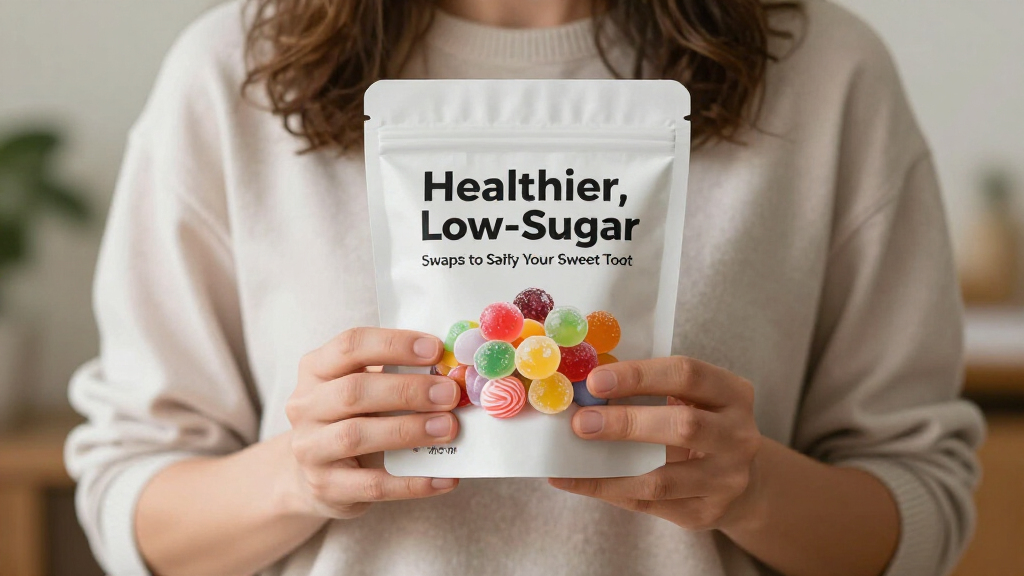
Good Housekeeping published a tested roundup of 10 lower-sugar candy alternatives, including date-sweetened bars, fruit-only gummies and reduced-sugar taffy. Nutritionists at the magazine emphasize reading added sugar counts and portion sizes rather than assuming all swaps are guilt-free.
Good Housekeeping has published a taste-tested roundup of 10 lower-sugar candy swaps, from date-sweetened chocolate bars to fruit-only gummies, aimed at readers who want familiar sweets with less added sugar. The list combines the magazine’s nutrition-editor evaluations with feedback from consumer testers, and includes full nutrition facts for each product so shoppers can compare options directly.
Among the highlighted products are date-sweetened mini chocolate bars made with plant-based, non-GMO and fair-trade ingredients. According to the report, the mini bars contain 4 to 7 grams of fiber each and zero added sugars, with one Nutty bar listing 70 calories and 6 grams of fiber. Good Housekeeping Deputy Food Editor Trish Clasen Marsanisco said the salted date caramel variety was her favorite.
Other picks include Solely fruit gummies, made with just fruit and vitamin C, with no added sugar or artificial colors — each 60-calorie pouch counts as a serving of fruit. UNREAL chocolate candies, including dark chocolate coconut bars and peanut butter cups, use Fair Trade chocolate and contain no sugar alcohols; one coconut bar has 3 grams of added sugar. SmartSweets reworks nostalgic gummies such as Sweet Fish with no added sugar, sweetening instead with fruit and vegetable juice colorings; a pouch contains 13 grams of fiber, prompting the magazine’s dietitians to recommend no more than one bag a day with plenty of water.
The list also features Pure Organic Layered Fruit Bars (4 grams of added sugar per 50-calorie bar), chocolate-peanut butter wafers with 3 grams of added sugar per piece, and Numa taffy, which the report says has nearly half the sugar and more protein than traditional taffy; a two-piece serving is described by the magazine’s dietitians as an excellent source of iron and calcium.
Why Lower-Sugar Swaps Matter Now
Added sugar remains a dietary concern for many households, and candy is one of the most concentrated sources. The Good Housekeeping list matters because it applies laboratory-style nutrition scrutiny — per-serving sugar, fiber and calorie counts — to products marketed as healthier, giving shoppers a way to verify claims rather than rely on packaging. The report also flags practical caveats, such as the high fiber content of SmartSweets, where overconsumption can cause digestive discomfort. For readers managing sugar intake for health reasons, the published nutrition panels allow direct comparison with conventional candy, where a standard chocolate bar can carry roughly 20 or more grams of added sugar.
How Good Housekeeping Tested the Picks
The roundup draws on Good Housekeeping’s Snack Awards testing program, in which staff nutritionists and consumer testers evaluate products on taste, texture and ingredient quality. Several brands on the list, including Solely, have won the magazine’s Snack Awards in previous years. Tester quotes in the report repeatedly emphasize whether a swap actually tastes like conventional candy — a recurring standard in the publication’s coverage of better-for-you sweets, since testers who dislike typical sugar-free candy rated these products favorably.
“I like them even better than the chocolate caramel bars I’ve eaten my whole life. The date caramel layer is rich, decadent, and just the right amount of gooey.”
— Trish Clasen Marsanisco, Good Housekeeping Deputy Food Editor
Health Claims Not Independently Verified
The nutrition information and product descriptions come from Good Housekeeping’s own report and have not been independently verified. The source material available covers roughly seven of the 10 products in detail; the remaining entries, including BEAR fruit snacks, are cut off in the provided text. Comparative claims — such as Numa taffy having “nearly half the sugar” of traditional taffy — are the brand’s or magazine’s characterizations without a named baseline product. Taste judgments are subjective tester opinions, not clinical findings, and “healthier” in this context means lower in added sugar, not a medically evaluated health benefit.
Shopping Guidance for Candy Season
Readers can compare the published per-serving nutrition panels against conventional candy labels before buying. The full list, including the remaining products and purchase links, is available on Good Housekeeping’s website. The magazine’s dietitians advise paying attention to portion sizes — particularly for high-fiber gummies — and note that even date- or fruit-sweetened products contain total sugars that count toward daily intake.
Key Questions
Are these candy swaps completely sugar-free?
No. Most contain natural sugars from fruit or dates. Several, like UNREAL bars and Pure Organic fruit bars, contain 3 to 4 grams of added sugar per serving, while SmartSweets and Solely gummies list 0 grams of added sugar.
Which pick has the most fiber?
SmartSweets Sweet Fish list 13 grams of fiber per pouch, and the date-based mini bars offer 4 to 7 grams each. Good Housekeeping’s dietitians recommend limiting high-fiber gummies to one bag a day with plenty of water.
Do the swaps actually taste like regular candy?
According to Good Housekeeping’s testers, yes — several said products like UNREAL’s coconut bars and SmartSweets gummies tasted like conventional candy with no artificial aftertaste, though taste is subjective.
Where do the products’ nutrition numbers come from?
All calorie, sugar and fiber figures cited are from Good Housekeeping’s published report, based on standard nutrition facts panels and have not been independently verified.
Source: rss
NFL season / tailgating Picks
team gear
As an affiliate, we earn on qualifying purchases.