Wet grinders still matter for smooth, fermented batters because they use stone grinding techniques that produce less heat and preserve the natural fermentation process. This gentle approach breaks down soaked grains evenly, creating fluffy, consistent batters essential for authentic dishes like idli and dosa. Proper equipment care enhances their performance and guarantees top-quality results. To discover more about how wet grinders support traditional cooking and batter quality, keep exploring their benefits.
Listen free for 30 days with Audible
Thousands of audiobooks and originals — cancel anytime.
As an affiliate, we earn on qualifying purchases.
Key Takeaways
- Wet grinders use stone grinding that preserves fermentation and prevents overheating, resulting in better batter quality.
- They produce smoother, fluffier batters essential for authentic Indian dishes like idli and dosa.
- Gentle grinding at slow speeds maintains nutrients and fermentation potential in the ingredients.
- Proper maintenance of wet grinders ensures consistent texture and optimal fermentation.
- Traditional stone grinding methods align with authentic recipes, enhancing flavor and batter consistency.
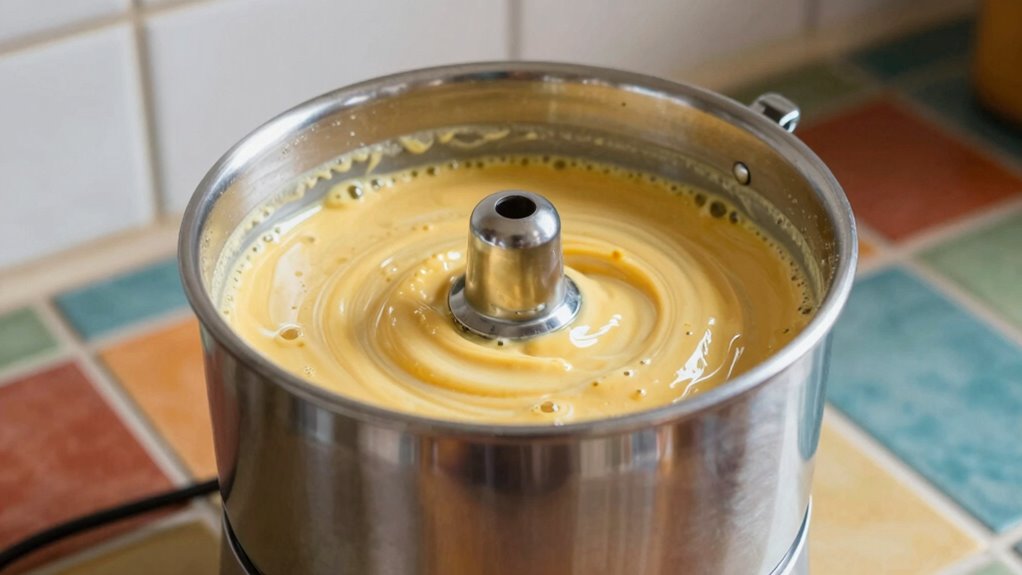
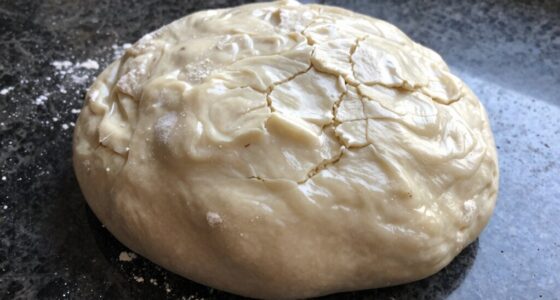
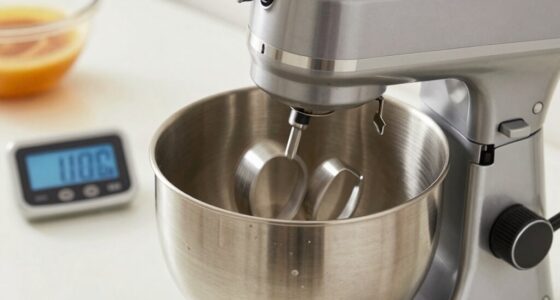
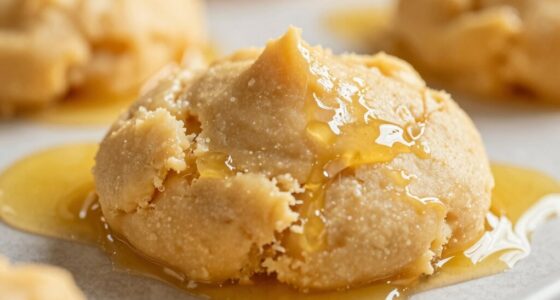
Have you ever wondered why some batters turn out perfectly smooth and fluffy while others fall flat? The answer often lies in the tools you use and how well you maintain them. Wet grinders have been a staple in many kitchens for making batters, especially for Indian dishes like idli and dosa. They’re designed to handle the specific cooking techniques needed to produce a fine, fermented batter. Unlike regular mixers or blenders, wet grinders operate with stone grinding mechanisms that generate less heat and preserve the batter’s natural fermentation process. This results in a smoother, more consistent texture that’s hard to replicate with other equipment.
Your choice of equipment is crucial because it directly influences the quality of your batter. Wet grinders are specially built for grinding soaked grains and lentils into a paste with minimal effort. They leverage slow grinding speeds and stone crushing action, which help break down ingredients evenly without overheating. This gentle process retains the nutrients and fermentation potential of the batter, leading to a fluffier and more aerated outcome. When you opt for a wet grinder, you’re investing in equipment that aligns with the traditional cooking techniques necessary for authentic results. Proper use and maintenance of this equipment ensure it continues to perform at its best, producing batter that’s smooth, light, and well fermented every time.
Choosing the right wet grinder ensures smooth, fluffy, and well-fermented batter every time.
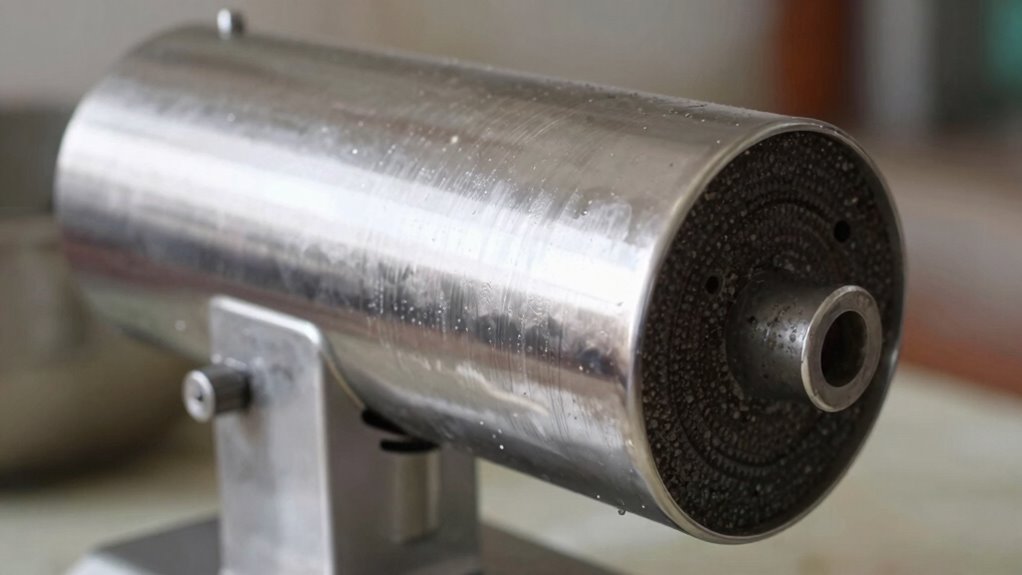
Equipment maintenance plays a vital role in keeping your wet grinder in top shape. Regular cleaning prevents the buildup of residues that can compromise the grinding process and hygiene. Make sure to clean the stones, drum, and blades thoroughly after each use, especially if you’re grinding different ingredients. This prevents cross-contamination and keeps the grinder operating smoothly. Additionally, check the stones periodically for wear and tear, as dull stones can lead to uneven grinding and a poor-quality batter. Proper lubrication of the moving parts and ensuring the motor is free from dust and debris extend the life of your wet grinder. Understanding the importance of proper maintenance can significantly prolong the lifespan of your appliance and ensure optimal performance. Moreover, being aware of equipment longevity and how proper care impacts it can help you make informed decisions about repairs or upgrades. Proper cleaning routines are essential to prevent residue buildup and maintain hygiene. Incorporating routine inspections into your maintenance routine helps catch issues early and maintain consistent results. Moreover, understanding the benefits of stone grinding can help you appreciate why wet grinders are preferred over other appliances for authentic batter preparation.
In essence, wet grinders matter because they’re designed specifically for the cooking techniques needed to produce perfect fermented batters. They work in harmony with the ingredients and fermentation process to create that ideal fluffy texture. By maintaining your equipment properly, you ensure it continues to support your culinary goals, making your batter smooth and fluffy every time. It’s not just about having the right tools but also about caring for them so they perform optimally. This combination of appropriate cooking techniques and diligent equipment maintenance makes wet grinders irreplaceable in achieving the best batter possible.
wet grinder for idli and dosa batter
As an affiliate, we earn on qualifying purchases.
As an affiliate, we earn on qualifying purchases.
Frequently Asked Questions
Can Hand Grinding Produce the Same Batter Quality as Wet Grinders?
Hand grinding can produce good batter quality, but it often takes more time and effort compared to using a wet grinder. The traditional technique allows you to control the grinding process and can yield smooth, well-fermented batters. However, wet grinders are more efficient, offering consistent results with less manual effort, especially for larger batches. So, while hand grinding can work, wet grinders generally provide a better, more uniform batter quality.
Are Wet Grinders Easier to Clean Than Blender Alternatives?
Sure, cleaning a wet grinder is a breeze compared to cleaning a blender—no need for scrubbing tiny blades or chasing splatters. With simple cleaning techniques and routine maintenance, you’ll find it’s less of a chore. Wet grinders are designed with removable parts that rinse easily, making your life simpler. So, if you dread cleanup, a wet grinder definitely wins, keeping your kitchen tidy and your batter perfect.
What Is the Average Lifespan of a Wet Grinder?
The average lifespan of a wet grinder is around 8 to 10 years, but durability factors like build quality and maintenance practices play a vital role. If you regularly clean and maintain your grinder, it can last longer. Using it properly, avoiding overloading, and timely replacing worn-out parts help extend its life. With good care, your wet grinder can serve you well for many years, ensuring smooth batters every time.
Do Wet Grinders Consume More Electricity Than Mixers?
Imagine you’re comparing a wet grinder and a mixer for daily batter prep. Wet grinders generally consume more electricity because they run longer and have larger motors, which affects energy efficiency. For example, a wet grinder might cost you $0.10 per hour, whereas a mixer costs $0.05. So, in a cost comparison, wet grinders are less energy-efficient, making them pricier to operate over time.
Can Wet Grinders Be Used for Grinding Non-Vegetarian Ingredients?
Yes, you can use wet grinders for meat grinding and non-vegetarian processing, but with caution. They are designed primarily for grains and vegetables, so make certain the grinder is thoroughly cleaned to avoid cross-contamination. Use a suitable attachment or blade, and avoid overloads. Wet grinders can handle certain non-vegetarian ingredients, but dedicated meat grinders are usually more efficient and hygienic for meat processing tasks.
As an affiliate, we earn on qualifying purchases.
Conclusion
So, next time you hear that whirring sound of a wet grinder, remember it’s not just a machine—it’s the magic behind your perfect batter. Picture the smooth, creamy mixture transforming with each gentle grind, like a gentle rain nurturing the earth. That’s the secret to fluffy idlis and crispy dosas. Embrace the wet grinder’s rhythm, and let it continue to bring warm, delicious mornings to your home, one perfect batter at a time.
As an affiliate, we earn on qualifying purchases.
best wet grinder for fermentation
As an affiliate, we earn on qualifying purchases.
As an affiliate, we earn on qualifying purchases.
Flea & tick season Picks
flea and tick prevention
As an affiliate, we earn on qualifying purchases.