To clean sticky dough tools quickly, scrape off excess with a silicone spatula before washing, and soak stubborn residue in warm, soapy water. Use stiff brushes or scrub pads on stubborn spots, applying baking soda paste for tough build-up. For dishwasher-safe items, run a cycle, then dry thoroughly to prevent rust. Clean immediately after use and store in a dry place to keep tools in top shape. Keep going to discover more efficient cleaning tips.
Open a free Amazon Business account
Business pricing, bulk buying and tax-exempt orders.
As an affiliate, we earn on qualifying purchases.
Key Takeaways
- Scrape off excess dough immediately with a silicone spatula to reduce residue before cleaning.
- Soak tools in warm, soapy water to loosen sticky dough, minimizing scrubbing effort.
- Use stiff brushes or scrub pads for stubborn spots, avoiding abrasive materials that damage tools.
- For persistent residue, apply a baking soda paste, let sit, then scrub for natural, efficient cleaning.
- Dry tools thoroughly after cleaning to prevent rust and maintain long-term tool performance.
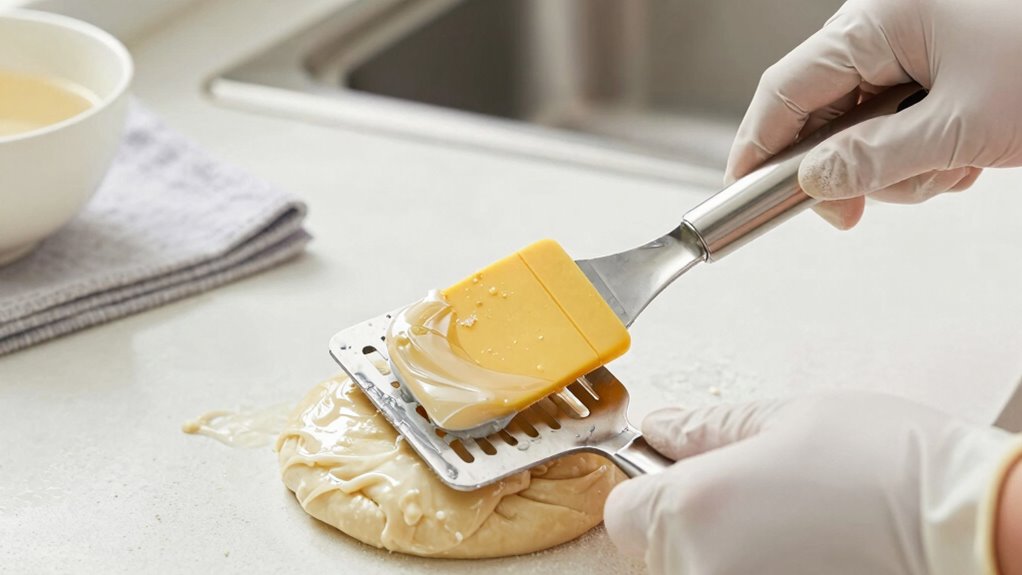
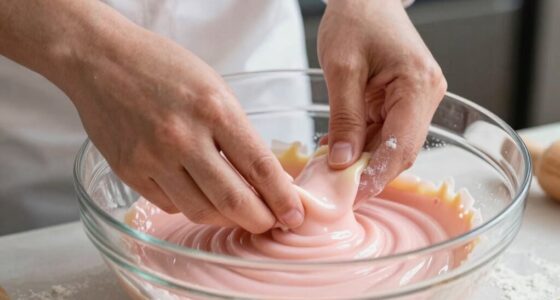
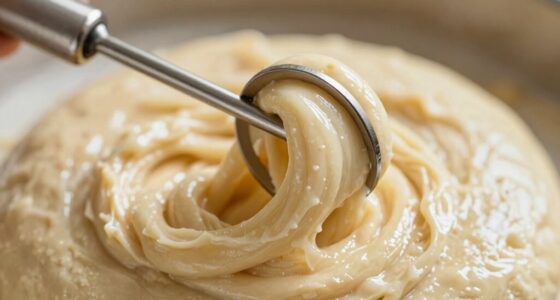
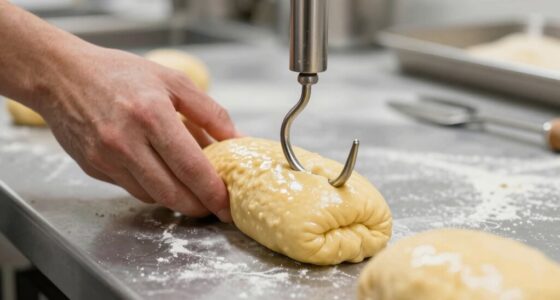
Cleaning sticky dough tools can be a challenging task, but with the right techniques, you can keep your tools in top shape. When dough residue builds up, it’s easy for tools to become sticky and difficult to clean, which can impact your tool maintenance routine. The key is to act quickly and use effective methods that remove dough residue efficiently without damaging your tools.
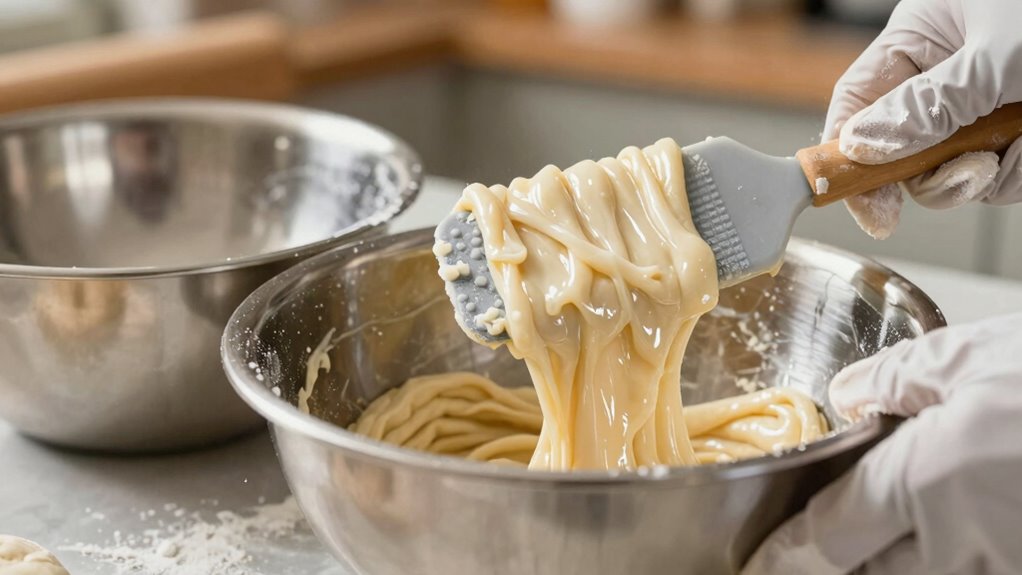
Start by scraping off as much dough as possible before washing. Use a silicone spatula or a scraper to gently lift off excess dough without scratching the surface. This step saves time and prevents dough from drying and hardening, making the cleaning process smoother. Once you’ve removed the bulk of the dough, soak your tools in warm, soapy water. Hot water helps loosen stubborn dough residue, making it easier to wipe away or scrub off later. Incorporating proper cleaning techniques can further enhance your efficiency.
For tools with stubborn dough residue, consider using a brush with stiff bristles or a scrub pad. Avoid steel wool or abrasive scrubbers that could scratch or damage your tools, especially if they’re non-stick or delicate. Focus on areas where dough tends to stick, like the edges or corners, and scrub gently but thoroughly. If the residue persists, a mixture of baking soda and water creates a natural abrasive that can cut through sticky dough without harming your tools. Apply this paste to the affected areas and let it sit for a few minutes before scrubbing. Using appropriate cleaning tools can make the process even easier. Additionally, ensuring proper ventilation during cleaning can help reduce lingering smells and moisture that could contribute to mold or bacteria buildup.
Additionally, understanding the importance of proper storage can help prevent excess dough buildup and make cleaning easier over time. In addition to manual cleaning, for tools that are dishwasher safe, running them through a cycle can help remove residual dough and sanitize them. However, always check manufacturer instructions to prevent damage. After cleaning, dry your tools thoroughly with a clean towel or air dry to prevent rust or mold, especially if they’re metal or wood. Proper tool maintenance includes regular cleaning and careful storage to extend their lifespan.
Regular tool maintenance is essential to prolong the lifespan of your dough tools. Clean them immediately after use to prevent dough from hardening and becoming more difficult to remove later. Store your tools in a dry, clean place to avoid moisture buildup, which can cause rust or deterioration. Keeping your tools clean and well-maintained not only saves you time in the long run but also ensures they stay in good condition for future baking projects.
As an affiliate, we earn on qualifying purchases.
Frequently Asked Questions
Can I Use Soap to Clean Sticky Dough Tools?
Yes, you can use soap to clean sticky dough tools. For effective dough tool maintenance and sticky residue removal, choose warm water and a mild dish soap. Scrub gently with a sponge or brush to break down the stickiness, then rinse thoroughly. Avoid harsh chemicals that might damage your tools. Proper cleaning with soap guarantees your dough tools stay in good condition and ready for your next baking session.
How Often Should I Clean My Dough Tools?
You should clean your dough tools after every use to guarantee proper dough storage and prevent residue buildup. Regular cleaning helps maintain their condition and makes tool maintenance easier. If you notice sticky dough clinging, wash your tools promptly with warm, soapy water, then dry thoroughly. This routine keeps your tools in top shape, avoids contamination, and ensures your dough stays fresh and easy to work with each time.
Are There Natural Remedies for Sticky Residue?
Yes, natural remedies like using natural oils, such as coconut or olive oil, can loosen sticky residue on your dough tools. You can also try vinegar solutions—mix equal parts vinegar and water—to break down stubborn stickiness. Apply the oil or vinegar mixture, let it sit briefly, then scrub gently with a brush or cloth. These eco-friendly options effectively clean your tools without harsh chemicals, saving you time and effort.
Can Dishwasher Cleaning Damage My Dough Tools?
They say, “Prevention is better than cure,” and that’s true for your dough tools. Dishwasher cleaning can damage tools, especially if they’re made from delicate materials like wood or certain plastics. Always consider the tool material and your cleaning frequency. While dishwashers are convenient, hand washing with gentle, natural cleaners often extends your tools’ lifespan and keeps them in top shape, avoiding costly replacements.
What’s the Best Way to Prevent Sticking Build-Up?
To prevent sticking build-up, you should regularly apply a thin layer of oil spray or dust your tools with flour coatings before use. These techniques create a barrier that stops dough from adhering, making cleanup easier. Reapplying flour or oil as needed during your baking process also helps maintain a non-stick surface. Consistent prevention guarantees your tools stay clean and in good condition, saving you time and effort in the long run.
stainless steel scrub brush for kitchen tools
As an affiliate, we earn on qualifying purchases.
As an affiliate, we earn on qualifying purchases.
Conclusion
Cleaning sticky dough tools quickly keeps your kitchen running smoothly. Did you know that spending just five minutes on cleanup can save you up to 30 minutes later? By using simple techniques like warm water, oil, and proper scrubbing, you’ll prevent dough from hardening and sticking. Keep your tools in top shape with these quick tips—so you can get back to baking without wasting precious time. Happy baking and effortless cleanup!
baking soda cleaning paste for kitchen utensils
As an affiliate, we earn on qualifying purchases.
As an affiliate, we earn on qualifying purchases.
As an affiliate, we earn on qualifying purchases.
Flea & tick season Picks
flea and tick prevention
As an affiliate, we earn on qualifying purchases.