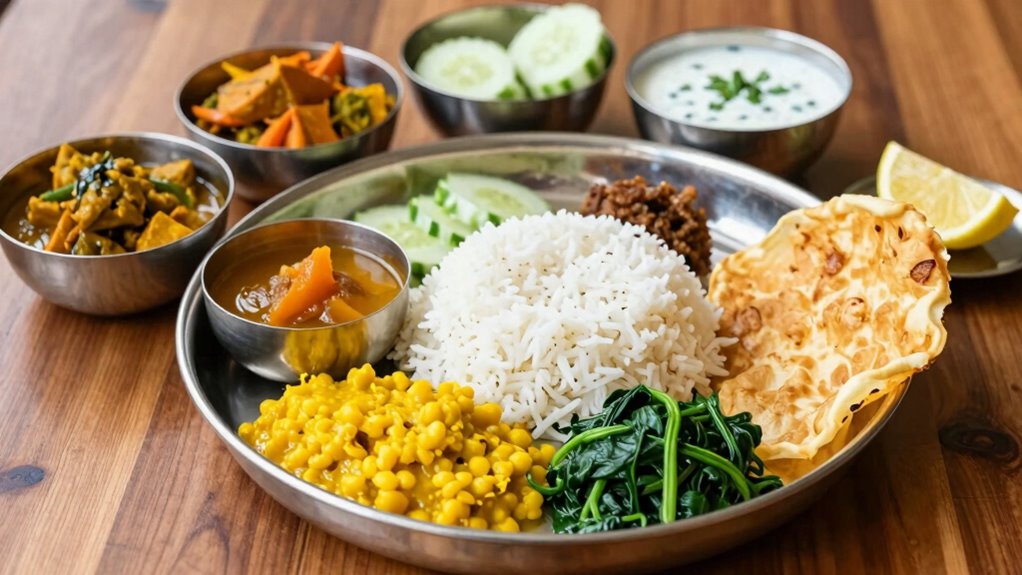

To build a balanced, simple weekly thali at home, plan diverse dishes for each day, focusing on a mix of grains, vegetables, lentils, and proteins. Batch cook staples like rice and dal for quick assembly, and organize your ingredients by your meal plan. Use fresh, seasonal produce and authentic spices to enhance flavor without complicating things. Keep flavors exciting with herbs and colorful presentation. Continue exploring ways to streamline your prep and add variety for satisfying, nutritious meals.
Key Takeaways
- Plan a weekly menu with diverse, balanced dishes including grains, vegetables, proteins, and flavorful condiments.
- Batch cook staples like rice, dal, and chutneys to streamline daily meal assembly.
- Source fresh, seasonal produce and authentic spices from trusted local markets and specialty stores.
- Incorporate a variety of colors, textures, and flavors to make each thali visually appealing and satisfying.
- Maintain a consistent preparation routine, focusing on simple, authentic ingredients for quick, nutritious meals.

Creating a weekly thali is a rewarding way to enjoy a variety of nutritious and delicious Indian dishes throughout the week. To do this successfully, you need to focus on meal planning and ingredient sourcing. Start by deciding which dishes you want to include. Think about balancing flavors, textures, and nutrients—include rice or flatbreads, lentils or beans, vegetables, and a small portion of protein like paneer or chicken, if you eat meat. Planning ahead helps you organize your grocery list efficiently, ensuring you get all the ingredients you need without multiple trips to the store.
Plan your weekly thali by choosing diverse dishes and sourcing fresh, quality ingredients.
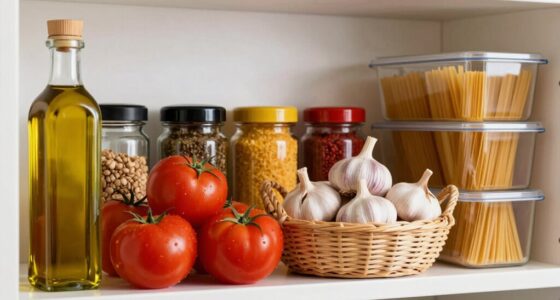
When it comes to ingredient sourcing, quality matters. Visit local markets or trusted grocery stores that stock fresh, seasonal produce and authentic spices. Fresh ingredients make a noticeable difference in taste and overall health benefits. Look for vibrant vegetables, aromatic herbs, and whole grains. If possible, buy spices in small quantities from specialty stores or markets to keep them fresh and potent. This way, you’ll have the essential ingredients on hand to prepare a variety of dishes without constantly running to the store. Additionally, ingredient sourcing from reputable suppliers can ensure that your ingredients are free from contaminants and pesticides, further enhancing the nutritional value of your meals. Incorporating seasonal produce can also boost the flavor and nutritional content of your meals. Moreover, selecting fresh produce regularly supports local farmers and sustainable practices, contributing positively to your community and environment.
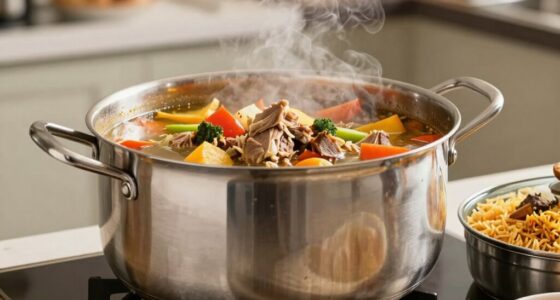
Once your ingredients are sourced, create a weekly meal plan that includes diverse dishes for each day. For example, you might prepare a lentil dal on Monday, vegetable stir-fry on Tuesday, chickpea curry on Wednesday, and so on. Keep your plan simple but flavorful. Batch cooking staples like rice, dal, or chutneys can save time during busy weekdays. Store these in airtight containers in the fridge, so you can assemble your thali quickly each day. Proper meal prep can help reduce stress and make daily cooking more efficient.
When building your thali, aim for a mix of flavors—spicy, tangy, sweet, and savory—to keep each meal interesting. Use fresh herbs like cilantro or mint to add brightness. Incorporate different colors and textures to make the meal visually appealing and satisfying. Remember, a balanced thali isn’t just about taste but also about nutrition. Include a variety of vegetables, legumes, and grains to ensure you get fiber, vitamins, and minerals. Additionally, choosing the right projector technology can enhance your viewing experience if you plan to enjoy movies or TV shows alongside your meals.
The key to a simple weekly thali is consistency and preparation. With thoughtful meal planning and careful ingredient sourcing, you’ll find it easier to prepare healthy, flavorful meals every day. Over time, you’ll develop a rhythm, and building a balanced, simple thali will become second nature—offering you comfort, nutrition, and a taste of authentic Indian cuisine every week.

Verdeho 304 stainless steel food storage containers with lids lock clips airtight container large airtight for rice flour sugar grain coffee bean storage containers Kitchen jar (3.17gal/12L)
Versatile Storage: Ideal for pantry organization, these canisters can store a variety of dry foods like flour,sugar, rice,…
As an affiliate, we earn on qualifying purchases.
As an affiliate, we earn on qualifying purchases.
Frequently Asked Questions
How Can I Customize My Thali for Specific Dietary Needs?
You can customize your thali for specific dietary needs by choosing gluten-free options like millet, rice, or buckwheat, and substituting dairy with plant-based alternatives such as coconut or almond yogurt. For vegan diets, replace lentils or paneer with tofu or chickpeas. Incorporate a variety of colorful vegetables and spices to keep it balanced. Always read labels and plan ahead to guarantee your thali aligns with your dietary restrictions.
What Are Some Cost-Effective Ingredients for a Weekly Thali?
You can keep your weekly thali budget-friendly by choosing staples like rice, lentils, and chickpeas, which are both nutritious and affordable. Incorporate seasonal vegetables such as spinach, carrots, and zucchini to add variety and flavor without spending much. These ingredients are versatile, readily available, and cost-effective, helping you create a balanced meal that nourishes your body and stays within your budget.
How Do I Ensure Variety in My Weekly Thali?
To guarantee variety in your weekly thali, incorporate seasonal vegetables to keep flavors fresh and exciting. Mix up your spice combinations to create different tastes each day, using cumin, coriander, or turmeric for warmth, and fresh herbs for brightness. Rotate proteins like lentils, paneer, or beans, and vary your bread or rice options. This approach keeps your meals balanced, flavorful, and interesting throughout the week.
Are There Any Traditional Regional Variations to Consider?
Yes, you should consider regional flavors and cultural influences when building your weekly thali. For example, explore North Indian dishes like paneer and naan, or try South Indian staples such as dosa and sambar. Incorporating regional spices and traditional recipes adds authenticity and variety. By embracing these cultural influences, you create a diverse, flavorful thali that reflects different traditions and keeps your meals exciting and balanced.
How Long Can I Store Prepared Thali Items Safely?
You can generally store prepared thali items safely for 1 to 2 days in the refrigerator. To guarantee food preservation and storage safety, keep leftovers in airtight containers and reheat thoroughly before eating. Avoid keeping food longer than this to prevent bacterial growth. If you need longer storage, consider freezing certain items, but always check for signs of spoilage like off smells or mold before consuming.
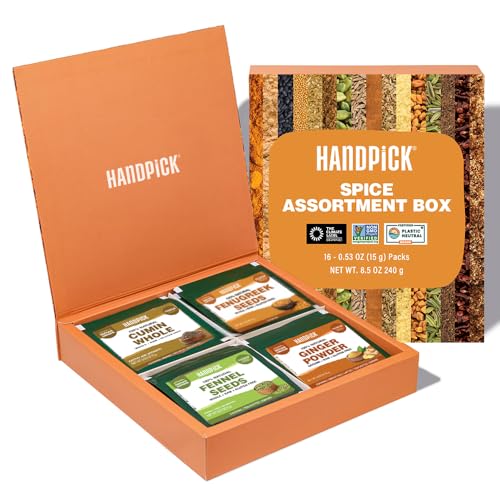
HANDPICK Assorted Spice Set – 16 Exotic Spices | Gluten-Free, Non-GMO | Essential Cooking Gift Set from India
TREASURE CHEST OF EXOTIC SPICES – Elevate your culinary adventures with an assortment box of 16 all-natural spices….
As an affiliate, we earn on qualifying purchases.
As an affiliate, we earn on qualifying purchases.
Conclusion
Remember, a healthy body is a guesthouse for the soul. Building a weekly thali at home is simple when you balance your ingredients and keep things fresh. Stay consistent, experiment with flavors, and enjoy the process of nourishing yourself. By planning ahead and embracing variety, you make healthy eating enjoyable and sustainable. So, start today, and let your kitchen be your sanctuary—because, as they say, “You are what you eat.”

CLWVPCOT 10 Pack Stainless Steel Food Storage Containers with Leak-Proof Lids, 34oz Reusable Metal Meal Prep Lunch Boxes, Stackable, BPA-Free, Dishwasher Safe for Snacks, Fruits & On-the-Go Meals
【Metal Food Containers with Lids】This set includes 10 stainless steel containers, each with a 34 oz capacity—perfect for…
As an affiliate, we earn on qualifying purchases.
As an affiliate, we earn on qualifying purchases.

MuYuDaDi Spice Grinder【Silver】For Kitchen Use Only
【Material】Aluminum alloy
As an affiliate, we earn on qualifying purchases.
As an affiliate, we earn on qualifying purchases.