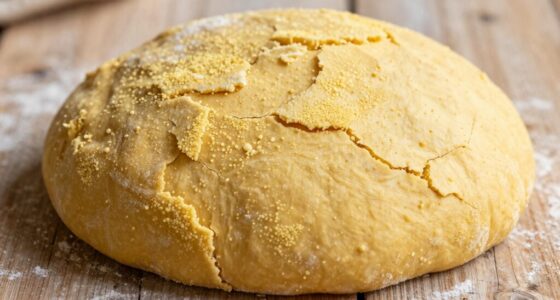
Rice flour is the key ingredient that gives South Indian snacks their irresistible crunch and delicate texture. Its fine, smooth consistency absorbs liquids well, creating crispy coatings for fritters and a tender bite in idlis and appams. Being gluten-free, it’s perfect for achieving those light, crunchy, and soft textures without wheat. When combined with lentils and spices, rice flour elevates the flavor and crunch. Keep exploring to uncover how this versatile ingredient transforms your favorite snacks.

Get kitchen staples and gadgets delivered free — and shop member deals
- Fast, free delivery on millions of items
- Access to Prime Big Deal Days deals on October 6–7
- Prime Video, Amazon Music and more included
Key Takeaways
- Rice flour provides the crispy texture essential for South Indian snacks like vada, appams, and crunchy fritters.
- Its fine, powdery consistency helps create light, tender, and well-structured snack batters.
- When combined with lentils and spices, rice flour enhances flavor and texture in traditional recipes.
- Rice flour’s ability to absorb liquids contributes to the perfect crunchy coating in fried snacks.
- Its gluten-free nature allows authentic South Indian snacks to achieve desired crunch without wheat.
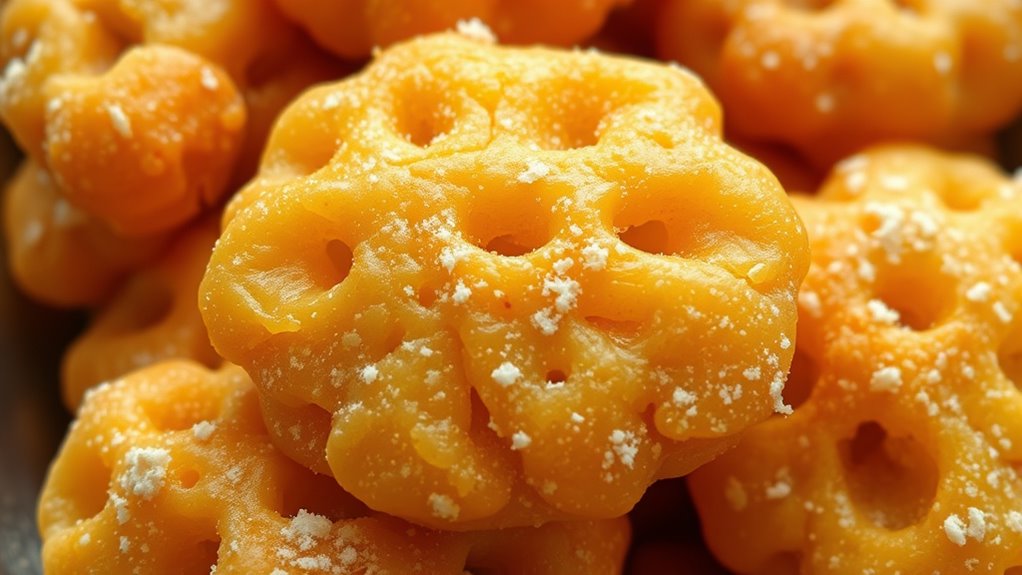
Have you ever wondered what makes rice flour a versatile ingredient in kitchens around the world? It’s not just because it’s gluten-free, offering significant benefits for those with gluten sensitivities or celiac disease. Its natural, neutral flavor makes it an ideal base for a wide range of dishes, especially in Asian and South Indian cuisines. When you explore rice flour recipes, you’ll quickly see how its unique texture and properties lend themselves to both savory and sweet creations. From crispy snacks to soft, delicate breads, rice flour’s adaptability shines through.
One of the biggest advantages of rice flour is its gluten-free benefits. Unlike wheat or barley, it doesn’t contain gluten, making it a safe and healthy alternative for people with gluten intolerance. This means you can enjoy a variety of traditional recipes without compromising your health or dietary needs. Plus, rice flour’s fine, powdery consistency creates a smooth batter and dough, which results in light, tender textures in baked goods, pancakes, and fritters. Its ability to absorb liquids well also helps you achieve the perfect consistency in recipes, whether you’re making thickening agents for sauces or crispy coatings for fried foods.
Rice flour offers a gluten-free, versatile alternative for light, tender baked goods and crispy coatings.
When you plunge into rice flour recipes, you’ll notice how it lends itself to creating crunchy, satisfying snacks often found in South Indian cuisine. Think of crispy vada, soft idlis, and crunchy appams—each showcasing rice flour’s role in bringing texture and flavor. The key to these dishes lies in the way rice flour interacts with other ingredients, giving them a delightful crunch or a tender bite. Using rice flour in these recipes not only enhances texture but also boosts the nutritional profile, especially when combined with ingredients like lentils or spices.
In addition, rice flour is incredibly versatile. You can substitute it for wheat flour in many recipes, adjusting the liquid quantities as needed. It’s perfect for making gluten-free bread, biscuits, or even thickening soups and stews. Its neutral taste allows it to blend seamlessly with herbs, spices, and other flavorings, making your culinary experiments more flexible. Whether you’re preparing traditional South Indian snacks or modern gluten-free baked goods, rice flour’s unique qualities make it an indispensable ingredient.
In short, rice flour’s gluten-free benefits and adaptability make it a must-have in your pantry. It opens up a world of creative possibilities through simple, delicious rice flour recipes. Once you start exploring, you’ll find that this humble ingredient can transform your cooking, bringing authentic flavors and satisfying textures to your kitchen every time.
rice flour for South Indian snacks
As an affiliate, we earn on qualifying purchases.
As an affiliate, we earn on qualifying purchases.
Frequently Asked Questions
Can Rice Flour Be Used as a Gluten-Free Substitute in Baking?
Yes, you can use rice flour as a gluten-free substitute in baking. It’s a popular choice for gluten-free baking because it’s versatile and readily available. While rice flour works well as an alternative to wheat flour, you might want to combine it with other gluten-free flours or binders to improve texture and structure. Explore different rice flour alternatives to find the best blend for your recipes.
How Does Rice Flour Affect the Texture of South Indian Snacks?
When you use rice flour in South Indian snacks, it considerably affects the texture, providing a crispiness boost and enhancing overall crunchiness. You’ll notice a light, airy quality that makes snacks like murukku or appam delightfully crunchy. The rice flour creates a perfect balance of softness and crisp, giving your snacks that authentic, crunchy texture that’s essential for traditional recipes. It truly elevates your snack game with its unique texture enhancement.
What Are the Storage Tips for Keeping Rice Flour Fresh?
To keep rice flour fresh, store it in airtight containers to prevent moisture and pests. Place the container in a cool, dark place like a pantry or cupboard away from sunlight and heat. Make sure to seal it tightly after each use. If you plan to store it for a long time, consider refrigerating or freezing it to extend its shelf life. Regularly check for any signs of spoilage or pests.
Is There a Difference Between White and Brown Rice Flour?
You’ll notice white and brown rice flour aren’t just different shades—they reflect distinct grain processing methods. White rice flour undergoes polishing, removing the bran and germ, which means it’s finer and longer-lasting but less nutritious. Brown rice flour retains these parts, offering more fiber and nutrients. So, your choice depends on whether you prioritize shelf life and texture or nutritional benefits, each telling its own story of grain processing.
Can Rice Flour Be Used to Make Gluten-Free Noodles?
Yes, you can use rice flour to make gluten-free noodles. For rice noodle recipes, combine rice flour with tapioca starch and hot water to create a smooth dough. Roll it out thin and cut into strips. While rice flour alone works, mixing it with other gluten-free pasta options like cornstarch or potato starch improves texture. Experiment to find the perfect balance for your delicious homemade gluten-free noodles.
gluten-free rice flour for baking
As an affiliate, we earn on qualifying purchases.
As an affiliate, we earn on qualifying purchases.
Conclusion
So, next time you bite into that crispy South Indian snack, remember it’s all thanks to rice flour’s secret crunch. Who would’ve thought that a simple, humble ingredient could turn a snack into a masterpiece? Ironically, the very ingredient often overlooked is what gives it that irresistible crunch. So, embrace the crunch, and maybe, just maybe, start appreciating rice flour for the crunchy hero it truly is—your snack’s best-kept secret.
crispy rice flour fritter batter
As an affiliate, we earn on qualifying purchases.
As an affiliate, we earn on qualifying purchases.
As an affiliate, we earn on qualifying purchases.
NFL season / tailgating Picks
team gear
As an affiliate, we earn on qualifying purchases.