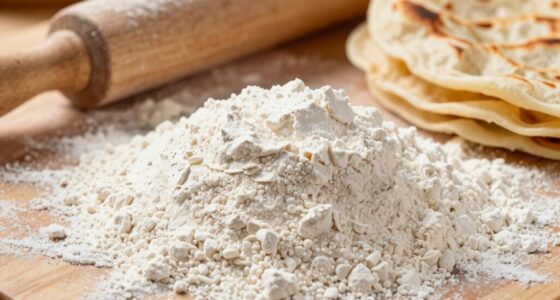
Poha, or flattened rice, is a quick and nutritious dish you can prepare in about five minutes if you treat it right. To do this, rinse the poha briefly to soften it, drain excess water, and then sauté with your favorite vegetables and spices. This simple process prevents mushiness and keeps it light. Whether you prefer it spicy or sweet, there’s a way to customize it. Keep exploring to discover more tips and variations!
Key Takeaways
- Proper soaking of poha softens it quickly without becoming mushy, enabling fast cooking.
- Rinsing and draining poha before sautéing ensures quick preparation and perfect texture.
- Cooking with prepped vegetables and spices takes about 5 minutes for a flavorful meal.
- Poha’s versatility allows quick customization with regional spices or sweet toppings.
- It’s a nutritious, low-calorie dish that offers a speedy, healthy breakfast or snack option.

If you’re looking for a quick and delicious breakfast, poha is your perfect choice. This flattened rice dish is not only easy to prepare but also packed with health benefits that make it a smart start to your day. Poha is low in calories yet rich in essential nutrients like iron, fiber, and carbohydrates, giving you sustained energy without the heaviness that can come with other breakfast options. Its light texture and versatility allow you to customize it with vegetables, spices, or even a dash of lemon for added flavor and nutritional boost. Because it cooks in just about five minutes, poha is ideal for busy mornings when time is scarce but you still crave something wholesome.
What makes poha truly appealing is its regional variation across India. From the spicy, tangy versions in Maharashtra to the sweet, coconut-topped varieties in parts of South India, each region offers a unique take on this humble dish. In Maharashtra, you might find it seasoned with mustard seeds, green chilies, onions, and topped with crunchy peanuts, giving it a savory, flavorful profile. In contrast, in some southern regions, poha is combined with grated coconut and jaggery, transforming it into a sweet treat. These regional variations not only reflect local ingredients and taste preferences but also showcase the adaptability of poha as a dish that can be tailored to suit different culinary traditions.
Preparing poha is straightforward; you simply rinse the flattened rice briefly, drain excess water, and then sauté it with your choice of vegetables and spices. The key is to soak the poha just enough to soften it without making it mushy. Once cooked, it’s a dish that can be enjoyed hot or even at room temperature, making it perfect for breakfast, quick snacks, or light lunches. The process is quick, often taking less than five minutes if you have your ingredients ready, which makes it an excellent option when you’re in a hurry but still want something nutritious and satisfying.

Poha THICK (Flattened Rice) – 2lb by Swad
As an affiliate, we earn on qualifying purchases.
As an affiliate, we earn on qualifying purchases.
Frequently Asked Questions
Can Poha Be Stored for Later Consumption?
Yes, you can store poha for later consumption. To guarantee freshness, follow poha storage tips like keeping it in an airtight container and storing it in a cool, dry place. Proper storage extends the poha shelf life, usually up to a few months. Avoid moisture to prevent spoilage, and always check for any signs of mold or pests before use. With these tips, your poha stays fresh longer.
Is Poha Gluten-Free?
Imagine a gentle breeze sweeping through a lush field—that’s how poha’s gluten content feels to those with gluten intolerance. Yes, poha is naturally gluten-free, making it a safe choice for many. However, always check labels, as cross-contamination can occur. If you have gluten sensitivity, enjoy poha with confidence, knowing it’s a light, wholesome option that aligns with your dietary needs.
What Are the Health Benefits of Poha?
Poha offers several health benefits due to its nutritional value. It’s low in calories and fat, making it a good choice for weight management. Rich in carbohydrates, it provides quick energy, while its dietary considerations include being gluten-free and easy to digest. Plus, adding vegetables boosts fiber and vitamins. You can enjoy poha as a wholesome, nutritious meal that supports your overall health and fits into a balanced diet.
Can Poha Be Made Into Sweet Dishes?
Yes, you can easily make sweet dishes with poha. Poha desserts like sweet poha, poha ladoos, and savory-sweet variations are popular in many cuisines. Just soak the poha briefly, then cook it with sugar, jaggery, or honey, and add nuts, dried fruits, or coconut for flavor. These sweet recipes are quick to prepare and delicious, making poha a versatile ingredient for both savory and sweet dishes.
How Do I Prevent Poha From Becoming Mushy?
To prevent poha from becoming mushy, use proper soaking techniques—rinse it gently and soak just enough to soften without overdoing it. Drain excess water thoroughly before cooking. Follow cooking tips like sautéing with spices and vegetables quickly, and avoid over-stirring. Keeping an eye on soaking time and moisture levels helps maintain fluffy texture, ensuring your poha stays light and perfectly cooked every time.

P&P CHEF Kitchen Utensil Set, 4 Pieces Non-stick Silicone Cooking Utensils, Heat-resistant Slotted Solid Spoon Turner for Frying, Mixing, Serving, Non-toxic & Easy to Clean, Khaki
【4 Pieces In A Set】P&P CHEF Kitchen utensil set includes solid turner, slotted turner, solid spoon, slotted spoon,…
As an affiliate, we earn on qualifying purchases.
As an affiliate, we earn on qualifying purchases.
Conclusion
So, next time you’re in a rush, remember that poha, this humble flattened rice, somehow manages to turn into a delicious breakfast in just five minutes—if you don’t forget to treat it right. Ironically, it’s the simplest things, like a quick soak and a few spices, that can make your morning both effortless and satisfying. Who knew that something so plain could be your breakfast hero? Your busy mornings just got a whole lot easier.

MTR 3minute Khatta Meetha Poha – Ready-to-Cook Mix – Authentic Indian Food in Just 3 Minutes – 100% Vegetarian – No Added Preservatives – Just Add Hot Water – Quick & Easy ( (Khatta Meetha Poha Cuppa – 80g, Pack of 6)
AUTHENTIC INDIAN FLAVOR IN JUST 3 MINUTES: MTR's signature dish brings the rich and mouthwatering flavors of traditional…
As an affiliate, we earn on qualifying purchases.
As an affiliate, we earn on qualifying purchases.
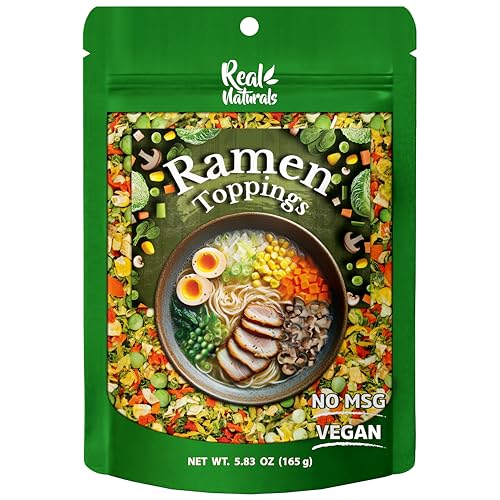
Dried ramen toppings. Dehydrated vegetables for ramen topper include Cabbage, Spinach, Chive, Carrot, Corn, Greenpea & Shitake mushrooms. (5.83oz mixed vegetables)
Versatile Add-Ins: Perfect for any dish, these dried vegetables for soup and ramen add-ins enhance not just ramen…
As an affiliate, we earn on qualifying purchases.
As an affiliate, we earn on qualifying purchases.