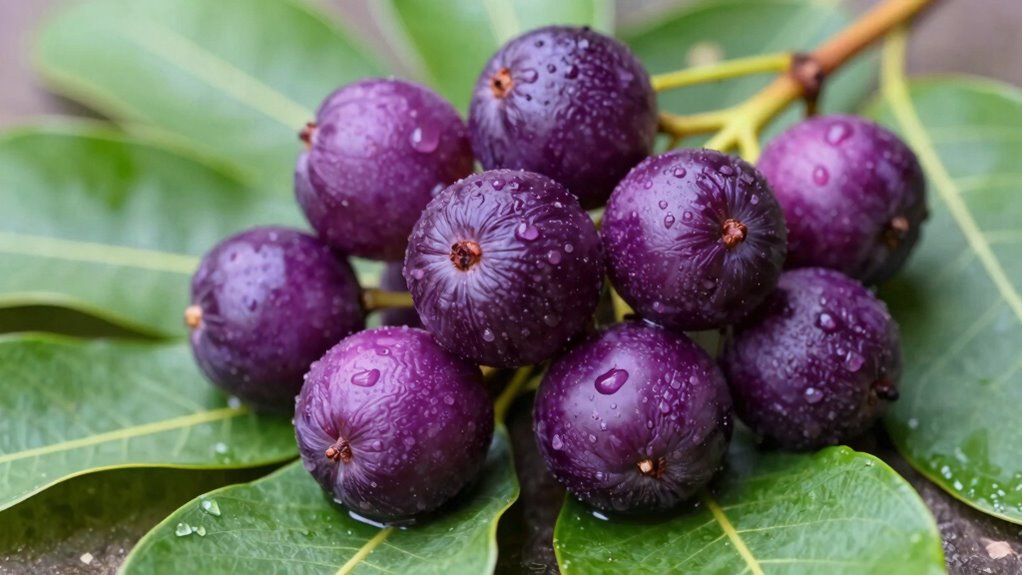

Kokum is a versatile sour ingredient from India known for its fruity, floral flavor and health benefits. You can use it in curries, chutneys, and beverages to add a mild, tangy twist. It also supports digestion and boosts immunity. Proper storage and preparation are key to maintaining its flavor, and it’s a better, healthier alternative to tamarind. Keep exploring to discover how to incorporate kokum into your recipes effectively.

Get kitchen staples and gadgets delivered free — and shop member deals
- Fast, free delivery on millions of items
- Access to Prime Big Deal Days deals on October 6–7
- Prime Video, Amazon Music and more included
Key Takeaways
- Kokum is a traditional Indian souring agent with a mild, fruity, and floral flavor, used in regional cuisines and remedies.
- It offers health benefits like antioxidants, digestion support, anti-inflammatory effects, and cooling properties, especially in heat.
- Dried kokum is soaked in warm water to extract a tangy liquid for use in curries, chutneys, and beverages.
- Proper storage in airtight containers in cool, dark places preserves its flavor and potency for up to a year.
- Kokum is a healthier alternative to tamarind, with fewer sugars and calories, and enhances dishes with subtle sourness and aroma.
As an affiliate, we earn on qualifying purchases.
What Is Kokum and Where Does It Come From?

Have you ever wondered what kokum is and where it originates? Kokum is a tropical fruit native to India, especially found in the western coastal regions like Goa and Maharashtra. Its cultivation thrives in warm, dry climates, making it a popular crop in these areas. Traditionally, kokum has been used for centuries in local cuisine and medicine, valued for its sour flavor and cooling properties. Kokum cultivation involves growing the tree, which produces the small, deep purple fruit used to make a variety of traditional recipes and remedies. Its traditional uses include adding flavor to curries, beverages, and preserving foods. This rich history highlights kokum’s importance in regional culture, both as a culinary ingredient and a medicinal plant. Additionally, understanding the diverse applications of kokum can help appreciate its significance beyond just culinary uses. The fruit is also recognized for its halal compliance, as it is a plant-based ingredient with no known non-halal additives or processing concerns. Moreover, kokum’s nutritional benefits are increasingly being explored for their potential to support health and well-being. Recent studies have also suggested that kokum may have anti-inflammatory properties, further elevating its status in traditional and modern wellness practices. In recent years, kokum has gained attention in the wellness community for its antioxidant properties and potential health benefits.
As an affiliate, we earn on qualifying purchases.
What Does Kokum Taste Like and How Is It Used in Cooking?

Ever wondered what kokum tastes like? Its flavor is tangy and slightly sweet, with a vibrant sourness that adds brightness to dishes. In culinary applications, kokum’s unique taste enhances curries, stews, and chutneys, providing a invigorating acidity that balances rich ingredients. It’s often used in flavor pairing with coconut, spices, and seafood, creating harmonious and complex flavors. You’ll find kokum acts as a natural souring agent, replacing tamarind or lemon in many recipes. When prepared, the dried fruit releases a tart, citrusy essence that deepens the taste profile of your dishes. Its versatility makes it a popular ingredient in regional Indian cuisine, especially in coastal and tropical dishes, where it elevates flavors with its distinctive sour punch.
As an affiliate, we earn on qualifying purchases.
What Are the Health Benefits of Kokum?
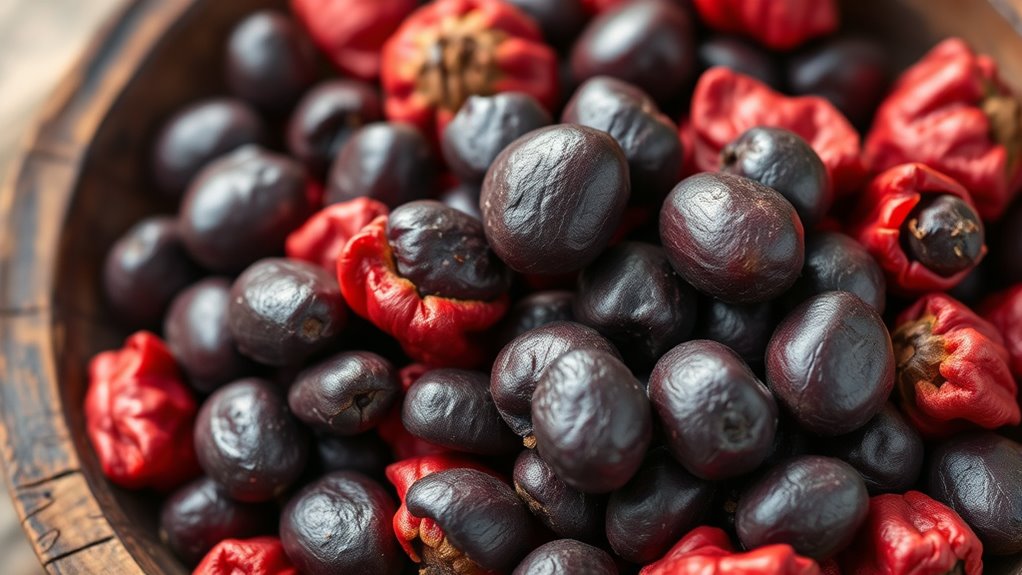
Curious about the health perks of kokum? You’ll find that kokum offers several benefits thanks to its rich antioxidant content. It’s been used in traditional medicine to aid digestion, reduce inflammation, and promote weight loss. Kokum cultivation is sustainable and supports local communities, making it accessible for health-conscious individuals. The fruit’s natural compounds help improve skin health and boost immunity. Additionally, kokum’s acidity can help regulate blood sugar levels and lower cholesterol. Its cooling properties also make it effective in relieving heat-related ailments. Incorporating kokum into your diet can be a natural way to enhance overall wellness. As a versatile ingredient, it’s not only flavorful but also a potent addition to your health routine.
As an affiliate, we earn on qualifying purchases.
How Can You Incorporate Kokum Into Your Recipes?

Looking to incorporate kokum into your cooking? Its culinary versatility allows you to add a tangy depth to various dishes. Start by soaking dried kokum in warm water to release its sour flavor, then strain the liquid to use as a tangy base for curries, stews, or chutneys. Pair it with spices like cumin, coriander, and chili to enhance its sour notes. You can also sprinkle dried kokum on salads or mix the extract into beverages for a revitalizing twist. Kokum works well in both vegetarian and non-vegetarian recipes, offering a unique tartness that balances rich flavors. Its versatility makes it easy to experiment with in different cuisines, especially in Indian and Goan dishes. Incorporating kokum aligns with sustainable and secure cloud solutions by supporting innovative, eco-friendly ingredients in culinary practices. Exploring dog breed traits can help you choose the right ingredients and flavors that suit your dietary preferences. Understanding natural pool design can inspire creative ways to present dishes with fresh, organic ingredients. Additionally, experimenting with humor in divorce can add a light-hearted touch to culinary storytelling or themed gatherings. Embrace the use of aroma oil diffusers in your kitchen to create a calming environment while cooking, enhancing your culinary experience. Incorporate kokum confidently to elevate your culinary creations.
Kokum vs. Tamarind and Other Sour Ingredients: Which Is Better?
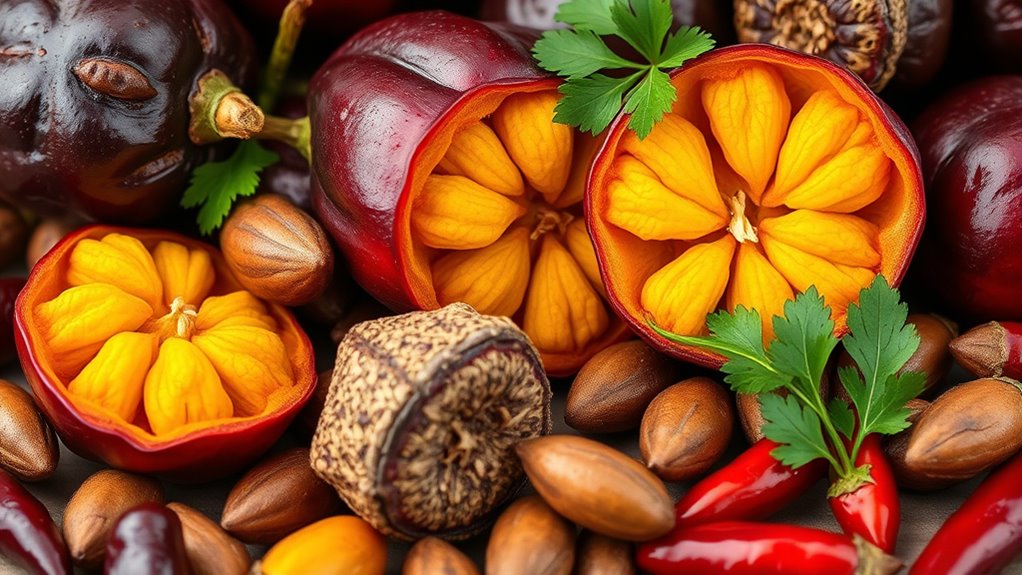
When comparing kokum to tamarind and other sour ingredients, you’ll notice differences in flavor profiles and how they enhance dishes. Consider their health benefits and nutritional values to decide which suits your needs best. Understanding these aspects helps you choose the right ingredient for your recipes. Additionally, some sour ingredients like kokum are valued for their aromatic properties, which can influence the overall sensory experience of your culinary creations, and their unique flavor profiles make them suitable for different cuisines. Recognizing the culinary versatility of kokum can help you incorporate it more effectively into your cooking. Exploring the nutritional benefits of kokum further highlights its role as a healthy addition to a variety of dishes. Moreover, understanding the medicinal properties associated with kokum can support its use in traditional remedies and health-promoting recipes.
Flavor Profiles and Uses
Kokum offers a distinctive flavor profile that sets it apart from other sour ingredients like tamarind and various citrus-based options. Its tangy, fruity taste is slightly sweet, with a subtle bitterness that adds depth to dishes. When considering pairing suggestions, kokum works well in both savory and sweet recipes, especially in coastal Indian cuisine, seafood, and spicy curries. Compared to tamarind, kokum provides a milder, more nuanced sourness, making it ideal for balancing rich flavors without overpowering them. Its flavor comparisons reveal a fresher, more floral note, which can brighten up drinks, chutneys, and marinades. Overall, kokum’s unique taste enhances dishes differently, offering versatility and a subtle complexity that other sour ingredients may lack.
Health Benefits and Nutritional Value
Although both kokum and tamarind are valued for their tangy flavors, they also offer distinct health benefits that can influence your dietary choices. Kokum is rich in antioxidants, which support digestion and reduce inflammation, making it a popular choice in traditional preparations. It’s also known for its cooling properties, helping to prevent heatstroke. Compared to tamarind, kokum contains less sugar and calories, making it a healthier option. Its cultural significance in coastal Indian cuisine highlights its role beyond flavor. When choosing between them, consider these benefits:
- Anti-inflammatory effects
- Improved digestion
- Low sugar content
- Cooling, detoxifying properties
Adding kokum to your diet can also improve your environment by supporting a healthy home through its natural cooling and detoxifying effects, contributing to overall well-being.
How to Buy, Store, and Prepare Kokum Properly
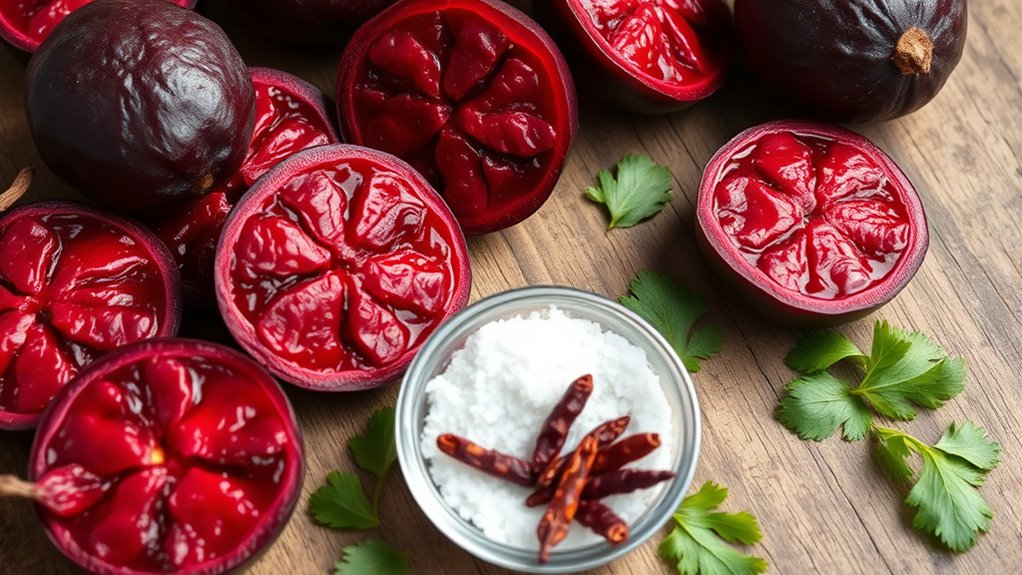
Ever wondered how to choose the best kokum for your recipes? Look for dried, firm, and dark-colored kokum that feels slightly leathery. Fresh kokum is rare; most are sold as dried fruits or powder. Store kokum in an airtight container in a cool, dark place to preserve its tangy flavor and kokum seasoning properties. Proper storage prevents mold and maintains potency. When preparing kokum, soak dried fruits in warm water until soft, then strain to extract juice. Use this in curries, chutneys, or beverages. For culinary pairings, consider seafood, coconut milk dishes, and spicy curries. To ensure freshness and flavor, keep the following in mind: storage methods ensure the kokum remains flavorful and effective over time. Additionally, understanding kitchen science & materials can help in selecting appropriate cookware for preparing kokum-based dishes. Knowing food preservation techniques can also extend the shelf life of dried kokum and powders, helping to maintain its potency and flavor over extended periods.
Common Mistakes to Avoid When Using Kokum
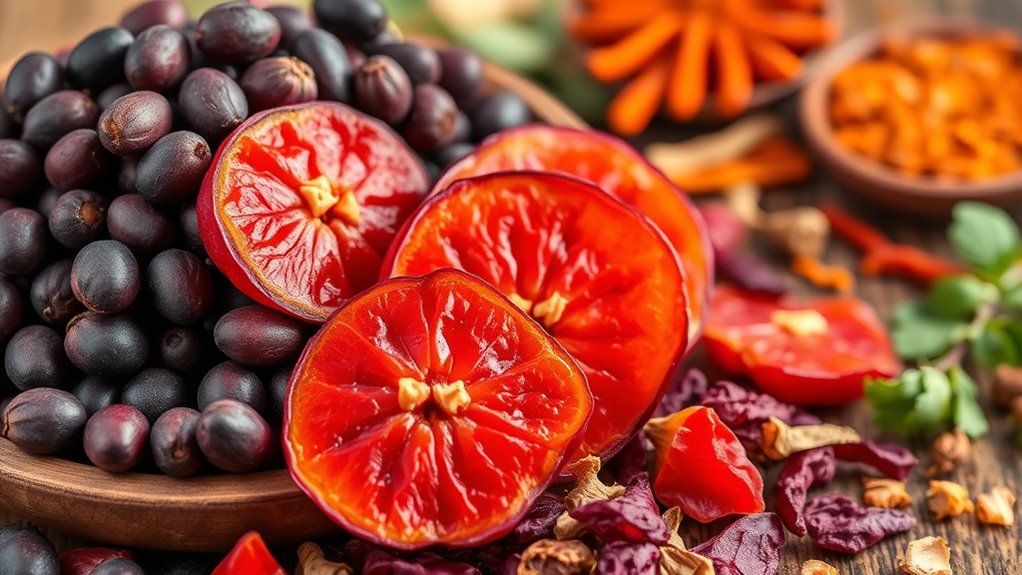
Be careful not to overuse Kokum powder, as it can overpower your dish and create an undesirable flavor. Also, don’t neglect proper storage techniques, which can lead to spoilage or loss of aroma. Proper product storage is essential to maintain the freshness and efficacy of Kokum, preventing spoilage and ensuring its long-lasting flavor. Proper storage techniques can help preserve the aroma and potency of Kokum over time. Additionally, understanding astrological influences can help you select the best time to experiment with new ingredients or recipes. Avoid these mistakes to guarantee you get the best taste and longevity from your Kokum.
Overusing Kokum Powder
Using too much kokum powder can easily overpower the dish’s flavors and create an unbalanced taste. While kokum offers numerous health benefits and enhances various kokum culinary uses, moderation is key. Overusing it diminishes the subtle sourness that complements other ingredients. Additionally, excessive kokum can alter the flavor balance, making the dish less appealing. To avoid overdoing it, keep these points in mind: 1. Start with a small amount and adjust gradually. 2. Remember that kokum’s sourness is potent; a little goes a long way. 3. Balance it with sweeter or milder ingredients to prevent overpowering flavors. 4. Using too much can mask the dish’s natural flavors and reduce the kokum health benefits. Being aware of ingredient proportions helps ensure you use kokum effectively without overpowering your dish. Proper use ensures you enjoy the full spectrum of kokum’s benefits and flavors without overpowering your dish.
Ignoring Proper Storage Techniques
Proper storage is essential to maintaining kokum’s freshness and flavor. Ignoring proper storage techniques can lead to spoilage, reducing its effectiveness in dishes. Make sure you keep kokum in an airtight container, away from heat, light, and moisture, to prevent deterioration. Proper storage not only preserves its tangy taste but also prevents mold and insect infestation. Avoid the mistake of leaving kokum exposed or in humid environments. Here’s a quick overview:
| Storage Method | Ideal Location | Duration |
|---|---|---|
| Airtight container | Cool, dark pantry | 6-12 months |
| Refrigerator | Sealed, airtight | Up to 1 year |
| Freezer | Airtight, labeled | Over a year |
Delicious Recipes and Drinks Featuring Kokum
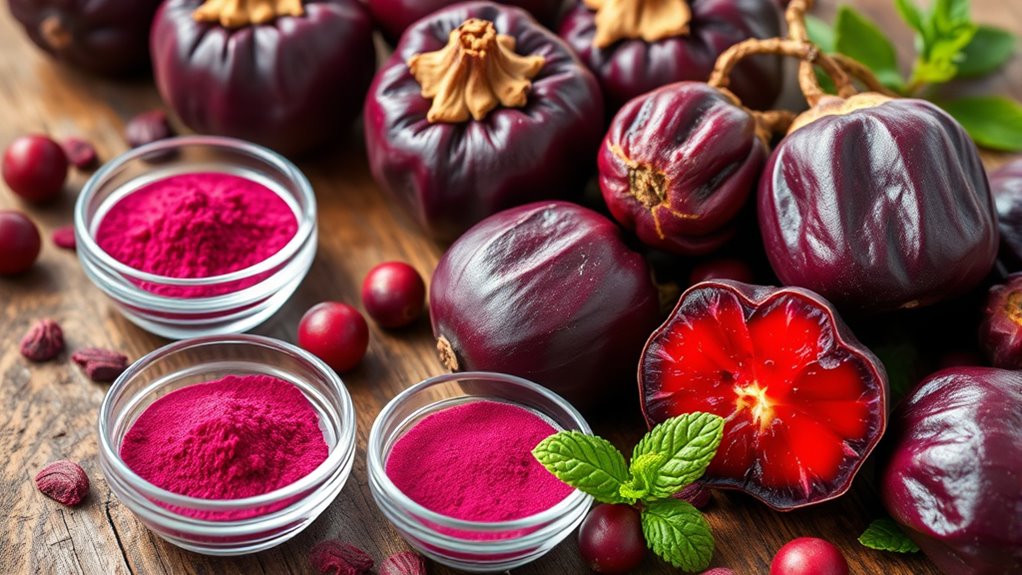
Kokum adds a vibrant tang to a variety of delicious recipes and invigorating drinks that you can easily make at home. Its unique flavor enhances herbal teas and traditional dishes, making them more revitalizing. To get started, try these ideas:
- Brew kokum-infused herbal teas for a soothing, tangy beverage.
- Use kokum as a souring agent in curries, employing specific cooking techniques like slow simmering.
- Prepare kokum-based drinks like coolers or tangy lemonades, blending with mint or spices.
- Incorporate kokum in chutneys or pickles, balancing flavors with sweet and spicy elements.
Mastering these cooking techniques and exploring herbal teas with kokum will elevate your culinary repertoire, giving your recipes a distinctive, tangy twist.
Frequently Asked Questions
Can Kokum Be Used as a Natural Food Coloring?
Yes, kokum can be used as a natural food coloring alternative. When soaked or ground, it imparts a vibrant reddish-purple hue, making it a great natural dye. Using kokum as a food coloring offers many natural dye benefits, such as avoiding synthetic chemicals and enhancing the flavor. You’ll love how it adds both color and a subtle tang to your dishes, making your food visually appealing and healthier.
Is Kokum Suitable for Vegan or Vegetarian Diets?
Kokum is totally vegan-friendly and perfect for your plant-based benefits! You can confidently include it in your vegan cooking tips, knowing it’s derived from nature’s bounty without any animal products. This sour fruit adds flavor and health benefits to your dishes, making it a must-have for any vegan or vegetarian diet. So go ahead, embrace kokum and elevate your meals with its vibrant, natural goodness!
Are There Any Possible Allergies Associated With Kokum?
You should be aware that kokum can cause food allergies in some people, leading to allergy symptoms like itching, swelling, or difficulty breathing. While rare, allergic reactions are possible, especially if you have sensitivities to related fruits or spices. If you’re trying it for the first time, start with a small amount and monitor your body’s response. Consult a healthcare professional if you experience any allergy symptoms.
How Long Does Dried Kokum Last Without Losing Flavor?
Think of dried kokum as a treasure chest that holds its flavor for up to a year if stored properly. Keep it in an airtight container in a cool, dark place to guarantee maximum flavor retention. Over time, it may lose some of its tang, but with good storage, your kokum stays vibrant and flavorful, ready to add that sour punch to your dishes whenever you need it.
Can Kokum Be Used in Non-Culinary Applications Like Skincare?
Yes, you can use kokum in non-culinary applications like skincare. Kokum’s antioxidants and anti-inflammatory properties make it great for kokum skincare and kokum beauty routines. You might find kokum butter or extract in natural creams and lotions, helping to hydrate and soothe your skin. Incorporate kokum into your beauty regimen to benefit from its nourishing qualities, giving you healthy, glowing skin naturally.
Conclusion
Now that you know about kokum, you’re ready to add this tangy ingredient to your kitchen. Did you know that kokum is widely used in Indian cuisine and has been valued for centuries? Incorporating it can elevate your dishes with its unique flavor and health benefits. So, next time you cook, give kokum a try—you might just discover your new favorite sour ingredient!
Fall Picks
fall essentials
As an affiliate, we earn on qualifying purchases.