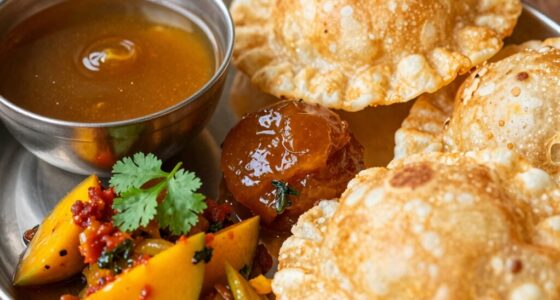
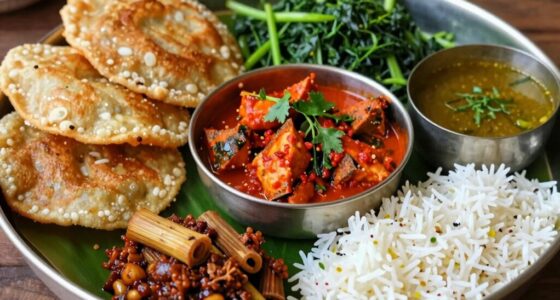
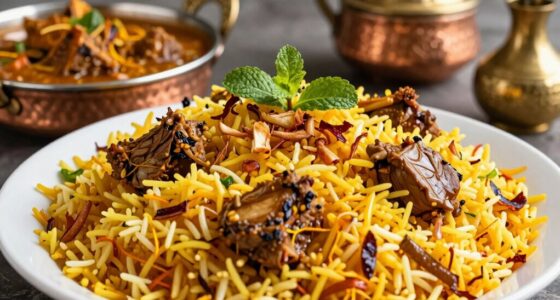
Punjabi cuisine is rich and vibrant, far beyond just butter and creamy dishes. It features bold spices, hearty traditional recipes, and regional ingredients like mustard greens and sesame seeds. From smoky tandoor meats to tangy pickles and street snacks, each dish tells a story of culture and community. Techniques like slow cooking and authentic spice blends create deep, flavorful profiles. Explore how Punjabi food blends tradition with innovation—you’ll uncover its true essence in every bite.
Key Takeaways
- Punjabi cuisine is characterized by bold spices, hearty ingredients, and regional variations beyond just butter and dairy.
- Traditional dishes showcase earthy, smoky, and creamy flavors with unique regional ingredients like mustard greens and sesame seeds.
- Cooking techniques such as tandoor grilling and slow simmering develop deep, layered flavors and authentic textures.
- Street foods and pickles reflect Punjab’s vibrant culture, regional flavors, and preservation methods, emphasizing community and tradition.
- Regional differences influence ingredients and presentation, highlighting the diversity within Punjabi culinary practices beyond stereotypes.

HANDPICK Assorted Spice Set – 16 Exotic Spices | Gluten-Free, Non-GMO | Essential Cooking Gift Set from India
- Exotic Spice Assortment: 16 all-natural, premium spices from India
- Versatile Culinary Use: Perfect for a variety of dishes and flavors
- Pure and Authentic Ingredients: Sourced from India with traditional methods
As an affiliate, we earn on qualifying purchases.
As an affiliate, we earn on qualifying purchases.
What Is Punjabi Cuisine Really All About?

What exactly makes Punjabi cuisine so vibrant and distinctive? It’s the warm Punjabi hospitality that shines through in every dish, creating a welcoming, lively atmosphere. Food plays a central role in celebrating life and togetherness, especially during festivals when festival foods take center stage. These special dishes, rich in flavor and tradition, bring families and communities closer. The cuisine’s bold spices, hearty ingredients, and generous portions reflect the region’s joyful spirit. You’ll notice how every meal feels like a celebration, filled with aromatic curries, tandoori breads, and sweet treats. Punjabi hospitality guarantees that guests always feel at home, while festival foods highlight the cultural pride woven into every bite. This vibrant culinary culture is about more than just food—it’s about sharing joy and warmth. Incorporating mindful eating practices can enhance appreciation for these rich flavors and deepen the cultural connection. Understanding the importance of regional ingredients can also elevate your appreciation of authentic Punjabi dishes, revealing the culinary diversity that makes this cuisine so special. Additionally, exploring traditional cooking methods sheds light on the culinary techniques that preserve the authenticity and history behind Punjabi food. Recognizing the influence of local spices helps in understanding the depth and complexity of Punjabi flavors.

Mini Tandoor Oven Angaar Tandoor Electric Oven 4 Minute Pizza Maker – Table Top Pizza Oven, Tandoori Roti, Naan
- Efficient Pizza Cooking: Cooks pizza evenly with convection heat
- Clay Oven Quality: Bakes Naan and Roti with authentic taste
- User-Friendly Operation: Simple on/off switch and temperature controls
As an affiliate, we earn on qualifying purchases.
As an affiliate, we earn on qualifying purchases.
Traditional Punjabi Dishes and Flavor Profiles
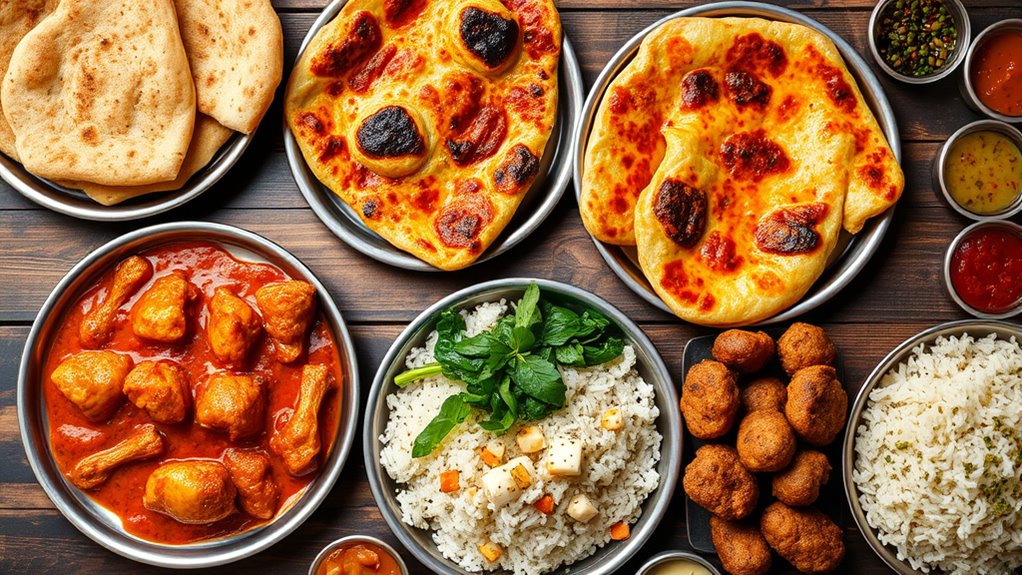
Punjabi cuisine is renowned for its hearty and flavorful dishes that reflect the region’s rich agricultural roots. You’ll find traditional dishes like Sarson Ka Saag, Makki Di Roti, and Butter Chicken, each bursting with robust spices and textures. These dishes showcase classic flavor profiles—earthy greens, smoky maize, and creamy, spiced gravies—that have stood the test of time. Today, chefs are blending these traditions with Punjabi food fusion and modern Punjabi twists, creating exciting new takes. Innovative techniques are helping to preserve the authentic essence of these dishes while introducing contemporary culinary art. Additionally, understanding traditional flavor profiles helps in appreciating how these dishes maintain their cultural significance amidst evolving culinary trends. Recognizing market trends can also inspire chefs to experiment with new ingredients that complement traditional flavors. Moreover, incorporating water-based cooking methods can enhance the depth of flavors in such dishes, emphasizing their connection to regional culinary practices.

Indianlife, Snack Mix Hot Punjabi, 7 Ounce
- Gluten-free facility: Prepared in a dedicated gluten-free facility
As an affiliate, we earn on qualifying purchases.
As an affiliate, we earn on qualifying purchases.
How Punjabi Pickles and Chutneys Reflect Culture?

Pickles and chutneys are more than just condiments in Punjabi culture—they’re vibrant expressions of history, community, and regional flavors. The variety of pickle varieties, from tangy mango to spicy lime, reflects local ingredients and traditional methods passed down through generations. These pickle varieties often carry stories of resilience and resourcefulness, showcasing how communities preserved seasonal bounty. fermentation techniques used in preparing many pickles demonstrate traditional preservation methods that have been refined over centuries. Making chutneys is often a communal activity, strengthening bonds and celebrating local produce. Additionally, the use of regional spices and herbs in both pickles and chutneys highlights the diverse agricultural landscape of Punjab. These culinary practices are deeply rooted in cultural traditions and continue to be passed down, preserving regional food heritage and fostering a sense of identity. The cultural significance of these foods is further exemplified by their role in festivals, rituals, and everyday life, reinforcing their importance beyond mere flavor. The local ingredients used in these preparations reveal the agricultural richness of Punjab. The traditional methods of preparation and sharing these foods are essential to maintaining their authenticity and cultural value. Together, pickles and chutneys embody Punjabi hospitality and identity, offering a flavorful window into the region’s history, agricultural roots, and cultural values.

FarmDidi Punjabi Mango Pickle In Fresh Mango Pickles Homemade 325g | Preservative free Indian Aam ka Achar homemade | Authentic Less Oil Pickle Mango aachar Dry aam Ka Achaar in Homemade pickles
- Flavorful Nostalgia: Rich traditional Punjabi mango pickle
- Balanced Spices: Perfect blend of spices and mango
- Purely Natural: Made with organic, preservative-free ingredients
As an affiliate, we earn on qualifying purchases.
As an affiliate, we earn on qualifying purchases.
Popular Punjabi Street Foods and Snacks
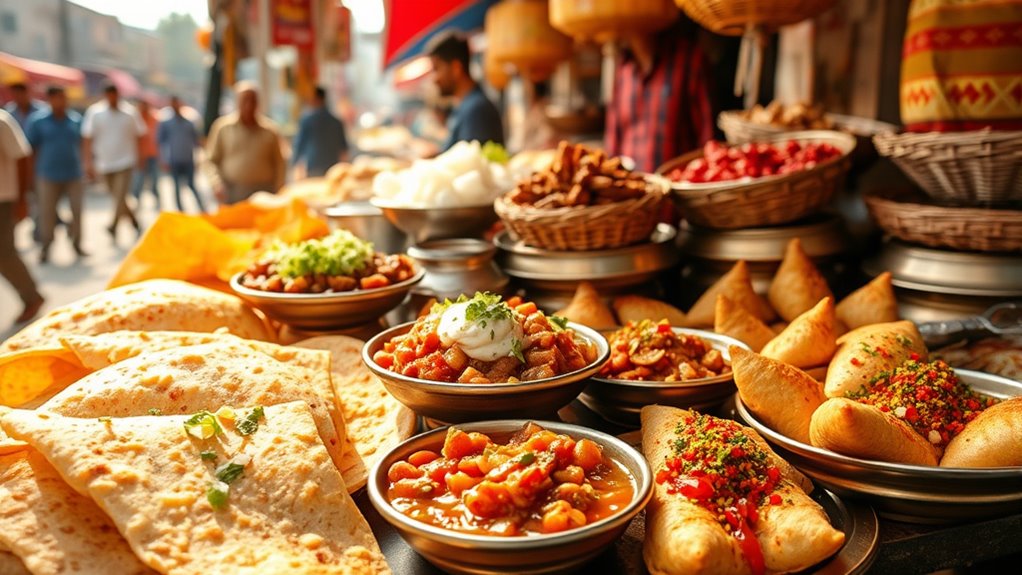
Street foods and snacks are at the heart of Punjabi culinary culture, offering a delicious glimpse into the region’s vibrant community life. When you explore Punjabi street food, you’ll notice how these popular snack varieties bring people together and reflect local flavors. From crispy samosas filled with spiced potatoes to tangy chaats bursting with flavor, each bite tells a story. These snacks are quick, satisfying, and reflect the region’s love for bold tastes. Punjabi street food isn’t just about taste—it’s about tradition, social bonding, and everyday joy. The bustling stalls and lively aroma create an experience that’s both authentic and inviting. Immerse yourself in these snacks to truly appreciate the region’s rich culinary spirit. The support breakfast options available in many local eateries often feature these flavorful treats, highlighting their importance in Punjabi cuisine. Recognizing the cultural significance of these street foods enhances your appreciation of the region’s culinary traditions. Additionally, understanding the regional flavor profile helps explain the bold spices and ingredients used in these dishes.
Regional Differences and Special Ingredients in Punjabi Food
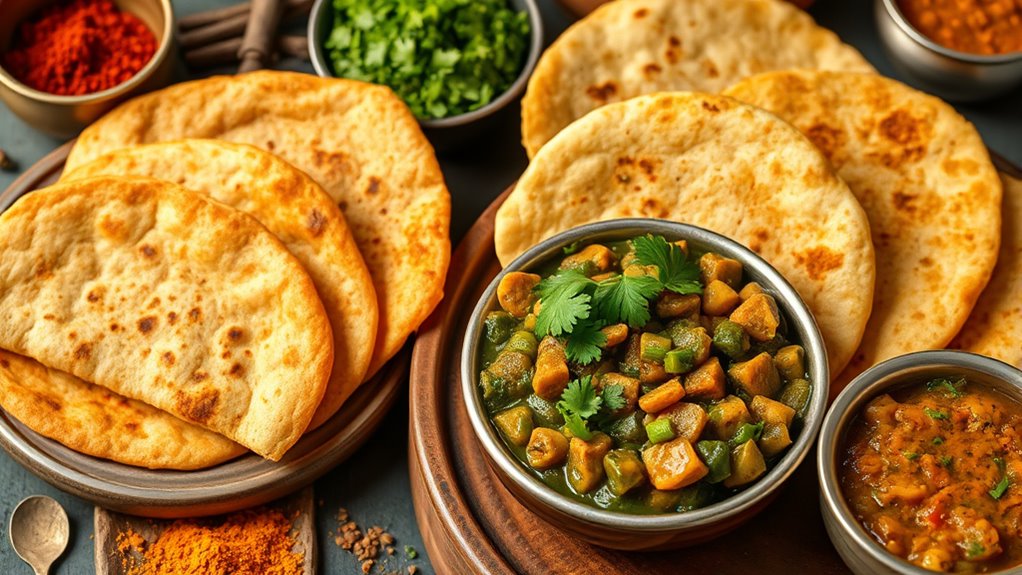
You’ll notice that Northern and Southern Punjabi cuisines have distinct flavors, with the North favoring richer gravies and the South focusing on lighter, spiced dishes. Traditional spice combinations, like cumin, coriander, and cardamom, vary between regions, creating unique tastes. Regional ingredients such as mustard greens in the North and sesame seeds in the South further define their culinary identities. Additionally, regional Nail Styles Names influence the presentation of traditional dishes, blending cultural aesthetics with culinary artistry. Exploring regional culinary identities reveals how subtle vibrations can also be integrated into culinary presentations to enhance sensory experiences.
Northern vs. Southern Flavors
While Punjabi cuisine shares a common cultural heritage, its regional flavors differ markedly between the north and south of Punjab. In the north, you’ll find bold, hearty dishes that emphasize dairy and wheat, often using regional spice blends for depth. The south leans toward lighter, rice-based dishes with a touch of sweetness and tang, influenced by neighboring culinary fusion styles. These regional differences shape your experience of Punjabi food, highlighting unique ingredients and techniques. Additionally, the regional spice blends used in both areas contribute significantly to their distinctive tastes.
- Northern flavors focus on robust masalas and dairy, creating rich, comforting dishes.
- Southern flavors incorporate sweeter spices and tangy elements, offering a lighter profile.
- Both regions showcase distinct culinary fusion styles that reflect local history and culture, making Punjabi food diverse and vibrant.
Traditional Spice Combinations
Punjabi cuisine is renowned for its bold and aromatic spice blends that vary regionally, reflecting local ingredients and culinary traditions. You’ll notice herbal blends, like fresh coriander, mint, and fenugreek, often layered into dishes to deepen flavor. Spice layering is essential, starting with whole spices such as cumin and cardamom, then building with ground powders like turmeric and garam masala. These combinations create complex profiles that define Punjabi food’s richness. Regional differences influence which herbs and spices take center stage, but the emphasis remains on balancing heat, earthiness, and fragrance. When cooking Punjabi dishes, focus on layering spices thoughtfully, allowing each ingredient to shine through. This method results in vibrant, hearty flavors that are both traditional and uniquely regional.
Unique Regional Ingredients
Regional ingredients give Punjabi dishes their distinctive character, reflecting the diverse landscape and agricultural practices across Punjab. You’ll notice the use of herbal garnishes like mint, coriander, and fenugreek leaves, which add freshness and depth to many dishes. Regional sweeteners, such as jaggery and sugarcane syrup, enhance desserts with natural sweetness. These ingredients create a unique flavor profile that varies from one area to another.
- Herbal garnishes elevate the aroma and flavor, connecting you to local traditions.
- Regional sweeteners provide a natural, earthy sweetness that complements spicy dishes.
- These special ingredients showcase Punjab’s agricultural richness, making each dish a taste of the land.
Cooking Techniques That Make Punjabi Food Authentic

To make Punjabi dishes truly authentic, mastering tandoor cooking is essential, as it imparts a smoky flavor that defines many recipes. Using fresh spices enhances the vibrant taste and aroma, setting Punjabi food apart. Additionally, slow cooking techniques help develop rich, layered flavors that are characteristic of traditional Punjabi cuisine.
Tandoor Cooking Mastery
Mastering tandoor cooking is essential for achieving authentic Punjabi flavors. When you excel in tandoor marination, you ensure the meat stays tender and infused with rich spices. Clay oven mastery requires you to control the heat precisely, which delivers that signature smoky aroma and char. Properly prepared, the tandoor transforms ingredients into deliciously crispy and juicy dishes. To deepen your understanding, focus on these key points:
- Consistent marination techniques enhance flavor penetration.
- Managing clay oven temperature guarantees even cooking.
- Skillful handling preserves the moisture and texture of the dish.
Use of Fresh Spices
Using fresh spices is key to capturing the vibrant flavors that define authentic Punjabi cuisine. When you use fresh spice blends, you release a depth of aroma and taste that dried spices can’t match. These fresh spices are often ground just before cooking, releasing aromatic seasoning that elevates every dish. Incorporating fresh ginger, garlic, and freshly ground cumin or coriander guarantees your curries, dals, and tandoori dishes burst with flavor. Not only do fresh spices provide a lively profile, but they also preserve essential oils that give Punjabi food its signature aroma. By choosing fresh over pre-packaged options, you bring authenticity and vibrancy to your cooking, making every bite a true reflection of Punjabi culinary tradition.
Slow Cooking Techniques
Slow cooking techniques are a cornerstone of authentic Punjabi cuisine, allowing flavors to develop fully and ingredients to meld together beautifully. By using slow cooking methods, you give spices and marination techniques time to infuse deeply into the dishes, resulting in rich, complex flavors. When you opt for slow simmering, you break down tougher cuts of meat and soften grains, creating tender, flavorful dishes.
- Enhances the depth of flavors through gradual heat
- Allows marination to penetrate ingredients thoroughly
- Preserves moisture and tenderness in meats and vegetables
Mastering these techniques ensures your Punjabi dishes stay true to tradition, highlighting the importance of patience and precision in cooking. Slow cooking transforms simple ingredients into memorable, authentic flavors.
Frequently Asked Questions
How Has Punjabi Cuisine Evolved Over Centuries?
You’ve seen Punjabi cuisine evolve through centuries by embracing spice evolution and innovative cooking techniques. Traditional methods like tandoori and slow cooking blend with new flavors, making dishes richer and more diverse. Over time, you’ve noticed how regional influences and trade have introduced spices and ingredients, allowing you to enjoy a vibrant, dynamic culinary tradition that balances heritage with modern tastes.
What Are the Health Benefits of Traditional Punjabi Ingredients?
You’ll love how traditional Punjabi ingredients boost your health. Superfood spices like turmeric and cumin are packed with antioxidants, helping reduce inflammation and support immunity. Probiotic dairy such as lassi and yogurt improve digestion and gut health. Studies show that incorporating these ingredients can lower cholesterol and enhance overall well-being. So, enjoying Punjabi cuisine not only satisfies your taste buds but also offers powerful health benefits.
How Do Punjabi Festivals Influence Food Traditions?
You’ll find that Punjabi festivals greatly influence food traditions through vibrant festival feasts and ritual recipes. During these celebrations, you actively partake in preparing and sharing special dishes that honor cultural and religious heritage. These festival feasts bring communities together, emphasizing traditional ingredients and cooking methods. Ritual recipes, passed down through generations, become central to the festivities, enriching your understanding of Punjabi culinary heritage and making the celebrations more meaningful.
Are There Vegetarian Punjabi Dishes Unique to the Region?
Yes, you’ll find vegetarian delights that are unique to Punjab. Regional specialties like Sarson da Saag with Makki di Roti and Chole Bhature stand out as delicious vegetarian dishes. These dishes showcase the rich flavors and traditional spices of the region. When exploring Punjabi cuisine, you’ll enjoy a variety of vegetarian delights that highlight the region’s culinary diversity and cultural heritage, making your experience authentic and memorable.
What Modern Twists Are Being Added to Traditional Punjabi Recipes?
Like chefs painting a modern canvas, you see fusion flavors and innovative techniques transforming traditional Punjabi recipes. Chefs blend spices with global ingredients, creating dishes that honor heritage while embracing new tastes. Tandoori meats get a contemporary twist with unique marinades, and classics like dal are infused with exotic herbs. These modern adaptations celebrate Punjabi cuisine’s rich history while exciting your palate with fresh, inventive flavors.
Conclusion
So next time you think Punjabi food is just about butter and ghee, remember it’s a vibrant tapestry of bold spices, lively street snacks, and age-old traditions. It’s like a spicy carnival for your taste buds, not just a greasy spoon. Dive deeper, and you’ll find a culture that’s as rich and varied as the aroma wafting from a bustling dhaba. Punjabi cuisine isn’t just food—it’s a flavorful, fragrant revolution in every bite.