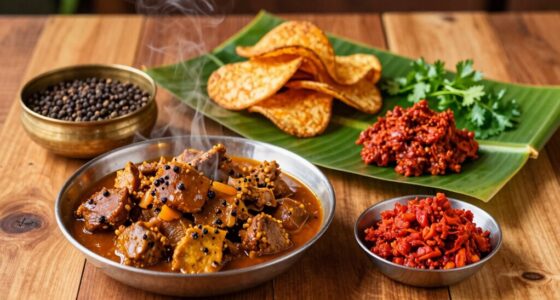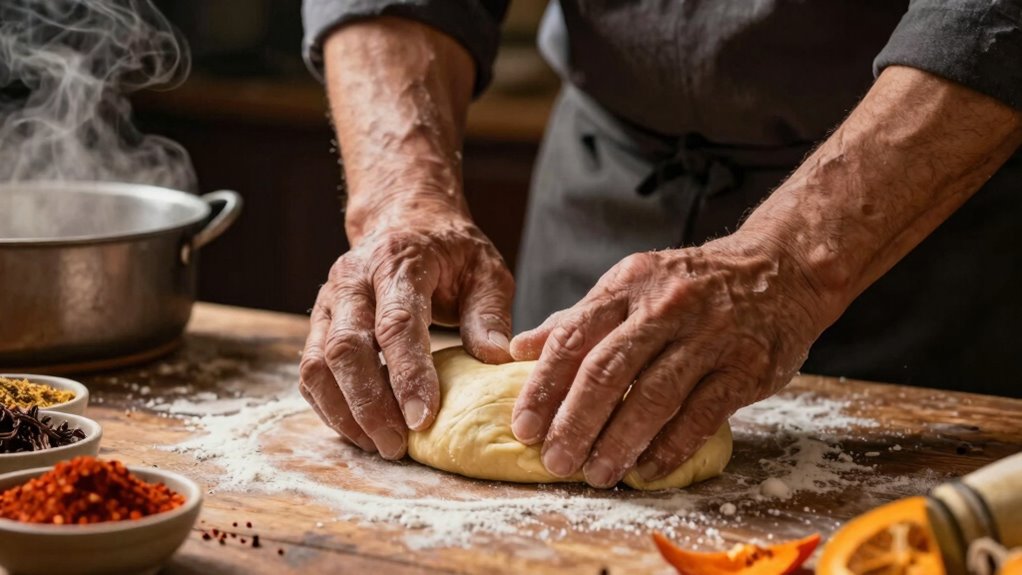

Awadhi cooking shows what patience tastes like through its careful techniques and slow processes. You’ll notice that every step, from blending high-quality spices to marinating meats overnight, needs time and attention. Techniques like slow simmering and dum cooking develop rich flavors and tender textures that can’t be rushed. This dedication to time and tradition results in authentic, flavorful dishes that truly reflect patience. Keep exploring, and you’ll discover more about this timeless culinary art.
Key Takeaways
- Awadhi cuisine’s rich flavors are achieved through meticulous, time-consuming preparation and slow cooking techniques.
- The process of spice blending and marination requires patience for authentic, deep flavors.
- Techniques like dum cooking and slow simmering develop complex textures and aroma over extended periods.
- Traditional methods emphasize deliberate execution, reflecting cultural respect for patience and craftsmanship.
- The flavorful, tender dishes showcase how patience enhances taste and authenticity in Awadhi cooking.
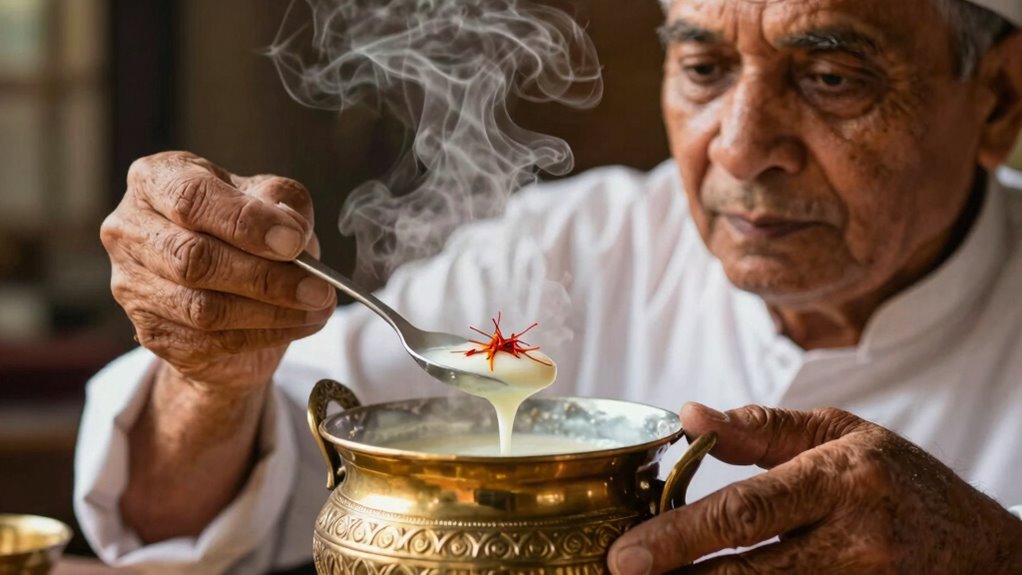
Awadhi cuisine, renowned for its rich flavors and intricate preparation methods, exemplifies the true meaning of patience in cooking. When you immerse yourself in preparing these dishes, you quickly realize that every element, from spice blending to execution, demands a deliberate and careful approach. You get hands-on experience with traditional techniques that have been passed down through generations, emphasizing culinary patience and respect for the process. The art of spice blending, in particular, stands out as a cornerstone of Awadhi cooking. You take time to select the finest spices—cardamom, cinnamon, cloves, and others—and grind them meticulously, ensuring each aroma contributes perfectly to the final dish. This isn’t a hurried task; it requires attentiveness and a keen sense of balance to achieve the depth of flavor that characterizes Awadhi cuisine.
As you follow the traditional techniques, you notice how patience influences every step. For instance, marinating meat for hours or even overnight isn’t just about flavor; it’s about allowing the spices to penetrate deeply, creating a layered taste experience. You learn that rushing through these steps compromises the authenticity and richness of the dish. Instead, you embrace the slower pace, understanding that the results will be worth the wait. The slow simmering of curries, for example, develops complex flavors that can’t be rushed. You keep the heat low, stirring occasionally, letting the ingredients meld over time, which is a proof of the patience woven into every recipe. Time-honored techniques are crucial in achieving the authentic taste of Awadhi dishes. Incorporating traditional cooking methods highlights the significance of patience in preserving culinary integrity.
Furthermore, you discover that the slow cooking processes are designed to enhance flavors and tenderize ingredients naturally, which is essential in traditional Awadhi cuisine. The meticulous process of preparing Awadhi dishes also involves mastering traditional techniques like dum cooking—slowly sealing the pot to trap steam and aroma—highlighting the importance of patience in achieving the perfect texture and flavor. You see that each step is deliberate, and the successful execution hinges on your willingness to wait and adhere to these methods. You realize that patience is not just a virtue but a necessary ingredient in traditional cooking methods. The result isn’t just a meal; it’s a reflection of the patience and dedication embedded in Awadhi culinary traditions. By immersing yourself in these practices, you realize that authentic Awadhi cooking is as much about respecting time as it is about respecting ingredients. Ultimately, your appreciation for patience deepens, recognizing that good things—especially in the kitchen—are worth waiting for.
As an affiliate, we earn on qualifying purchases.
Frequently Asked Questions
What Is the History of Awadhi Cuisine?
Awadhi cuisine has a rich history rooted in Mughal influence and regional traditions. You’ll notice cultural influences from Persia and Central Asia, shaping its refined flavors. Using intricate culinary techniques like slow cooking and marination, this cuisine emphasizes patience and precision. As you explore Awadhi dishes, you’ll appreciate how history and culture blend seamlessly, creating royal, aromatic flavors that reflect centuries of culinary evolution in Uttar Pradesh.
Which Ingredients Are Unique to Awadhi Dishes?
You find yourself savoring ingredients so unique, they seem almost legendary. In Awadhi dishes, regional spices like saffron, cardamom, and rose water elevate flavors to divine heights. You use meticulous cooking techniques—slow cooking, dum pukht—that transform simple ingredients into royal delicacies. These ingredients and methods create an exquisite culinary experience, where every bite whispers stories of centuries-old tradition, patience, and unmatched artistry in spice blending.
How Long Does It Typically Take to Prepare Traditional Awadhi Recipes?
Preparing traditional Awadhi recipes can take anywhere from a few hours to an entire day, depending on the dish. You’ll use slow cooking techniques like dum (slow steaming) to develop rich flavor profiles, requiring patience. This method permits spices and ingredients to meld perfectly, resulting in dishes with complex, layered tastes. Your careful attention to timing and technique guarantees authentic flavors, making the process lengthy but incredibly rewarding.
Are There Modern Adaptations of Awadhi Cooking Methods?
You’ll find modern adaptations of Awadhi cooking as a vibrant tapestry woven with fusion techniques and contemporary plating. Chefs blend traditional spices with global flavors, creating dishes that dance on your palate. They reimagine slow-cooked gravies and tender kebabs with innovative presentations, turning centuries-old recipes into visual and culinary masterpieces. This evolution preserves Awadhi’s soul while embracing the excitement of new culinary frontiers, making each bite a delightful journey through time and taste.
What Are Common Challenges in Mastering Awadhi Cooking?
Mastering Awadhi cooking challenges you with cooking patience and spice balancing. You need to be precise with timing, allowing flavors to develop slowly, and attentive to spices to avoid overpowering dishes. It’s essential to slow down and pay close attention during preparation, as rushing ruins the delicate harmony of flavors. Practicing these skills helps you embrace the art of Awadhi cuisine, where patience truly enhances the taste.

Universal 6.3 QT Caldero – Traditional Cast Aluminum Cooking Pot with Lid, 18 Cup Rice Pot for Soups, Stews, Beans & Everyday Family Cooking
- Traditional cast aluminum construction: Ensures even heat distribution for authentic cooking
- Large 6.3 QT capacity: Cooks up to 18 cups of rice
- Versatile for various recipes: Ideal for soups, stews, beans, and more
As an affiliate, we earn on qualifying purchases.
As an affiliate, we earn on qualifying purchases.
Conclusion
As you watch the slow simmering of spices and the careful layering of flavors, you begin to taste patience itself—like a gentle breeze carrying the aroma of saffron and cardamom. With every tender stir and measured pause, you realize that Awadhi cuisine isn’t just about food; it’s about mastering the art of waiting, allowing time to infuse every bite with rich, soulful depth. In this dance of patience, you find a flavor that lingers long after the plate is empty.

Ancient Cookware, Indian Clay Curry Pot, Medium, 8 Inch, 1.5 Quarts
- Traditional Indian Clay Pot: Handmade unglazed terracotta cookware
- Lead-Free Material: Made from 100% lead-free clay
- Ideal for Fish Curry: Perfect for traditional fish curry recipes
As an affiliate, we earn on qualifying purchases.
As an affiliate, we earn on qualifying purchases.
marinating meat for Awadhi cuisine
As an affiliate, we earn on qualifying purchases.
As an affiliate, we earn on qualifying purchases.