🔍 Read the full analysis: Strangozzi Al Tartufo Nero: Umbria's Truffle Pasta At Home on Mad Tasting

Get kitchen staples and gadgets delivered free — and shop member deals
- Fast, free delivery on millions of items
- Access to Prime Big Deal Days deals on October 6–7
- Prime Video, Amazon Music and more included
TL;DR
A newly published guide details how home cooks can prepare strangozzi al tartufo nero, Umbria’s signature thick, eggless pasta dressed with garlic-scented olive oil and fresh black truffle. The method hinges on gentle heat: most of the truffle is added away from direct flame to preserve aroma, at roughly 10–20 grams per person depending on species.
A new guide from Mad Tasting walks home cooks through preparing strangozzi al tartufo nero, the thick, hand-cut eggless pasta from central Umbria dressed with garlic-scented extra-virgin olive oil and fresh black truffle. The guide’s central warning is that the dish succeeds or fails in the final minute: truffle fried in hot oil loses the aroma cooks are paying for, so most of it must be added off the heat and the pasta served immediately.
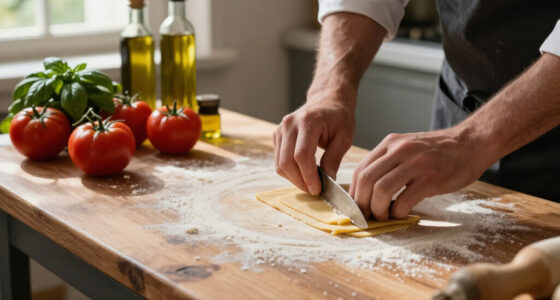
Strangozzi are long, irregular noodles traditionally made from flour and water rather than eggs, closely associated with Spoleto and central-southern Umbria. According to the guide, their rough surface and thick bite make them better carriers for a light oil-based truffle sauce than smooth spaghetti; a near-transparent sauce can taste richer than it looks because the strands trap tiny truffle particles. The spelling stringozzi is a common variant, while strozzapreti can refer to different shapes elsewhere in Italy and should not be assumed to be the same noodle.
For homemade pasta, the guide gives a ratio of 300 grams of flour to roughly 150 grams of water for four modest first-course servings, adjusting for humidity. Italian tipo 00 flour produces supple noodles; replacing up to one-third with fine semolina adds grip and color. Because the flour contains wheat, the dish contains gluten unless a tested gluten-free formula is used. Thick spaghetti, pici or tonnarelli are listed as workable substitutes when strangozzi are unavailable.
The truffle itself is the variable ingredient. Tuber melanosporum, the prized winter black truffle, delivers the deepest fragrance — described as damp earth, cocoa, garlic and toasted hazelnut — and makes an impression at 10–20 grams per person when fresh. Tuber aestivum, the milder and cheaper summer truffle, may require closer to 20 grams per person, grated finely. Tuber uncinatum, often sold as Burgundy or autumn truffle, sits between the two, though aroma varies with maturity and origin. The guide advises buyers to ask for the botanical name and origin, since the words “black truffle” alone convey nothing about season, strength or fair price.
Strangozzi al Tartufo Nero
Umbria’s signature thick, eggless, hand-cut pasta from Spoleto and the Valnerina — dressed with garlic-scented extra-virgin olive oil and fresh black truffle. The dish succeeds or fails in the final minute: truffle fried in hot oil loses the very aroma you are paying for.
Home Method · 7-Step SequenceThe Noodle: Flour, Water, Nothing Else
Spoleto & Central Umbria
Long, irregular, hand-cut noodles traditionally made from flour and water rather than eggs — closely tied to Spoleto, Norcia and the Valnerina valleys of the Apennines.
Rough Surface, Thick Bite
Their rustic texture makes them better carriers for a light oil-based truffle sauce than smooth spaghetti. A near-transparent sauce can taste richer than it looks, because strands trap tiny truffle particles.
Not All Names Agree
Stringozzi is a common spelling variant. Strozzapreti refers to different shapes elsewhere in Italy and should never be assumed to be the same noodle.
Know Your Black Truffle
| Species | Common Name | Aroma Profile | Per Person |
|---|---|---|---|
| Tuber melanosporum | Winter black truffle — the prized one | Damp earth, cocoa, garlic and toasted hazelnut. The deepest fragrance. | 10–20 g fresh |
| Tuber uncinatum | Burgundy / autumn truffle | Sits between winter and summer in strength; aroma varies with maturity and origin. | Mid range |
| Tuber aestivum | Summer truffle — milder & cheaper | Delicate; grate finely so it registers on the palate. | Up to ~20 g |
Why Restraint Beats Cream
The most common home mistake is treating truffle as an ingredient to cook through. Gentle heat preserves the volatile aromas; starchy pasta water — not cream — builds the glossy sauce. Cream can smother a delicate truffle.
Warm the oil
60 ml olive oil over low heat with one lightly crushed garlic clove.
Cook the pasta
Boil strangozzi; reserve the starchy cooking water before draining.
Loosen the sauce
Add pasta water to the scented oil to build a glossy, emulsified coating.
Combine off heat
Toss pasta in the pan away from direct flame; add most of the truffle here.
Serve at once
Warm the bowls in advance so the pasta stays fragrant at the table.
Black truffle pasta succeeds or fails in the final minute. You can buy a fragrant truffle, roll beautiful noodles, and still lose the dish by frying the truffle until its aroma disappears.
The words “black truffle” alone do not tell you its season, fragrance, strength, or fair price.
When a firm, fragrant specimen costs more than planned, buy a smaller amount of better truffle and serve the pasta as a first course rather than weakening it beneath cream.
The Dough & The Stand-Ins
Approved substitutes when strangozzi are unavailable
Thick Spaghetti
Smoother than strangozzi but holds an oil sauce respectably.
Pici
Hand-rolled Tuscan cousins with a similarly chewy bite.
Tonnarelli
Thick square-cut strands, dense and satisfying.
Fresh Strangozzi
Still the gold standard: rough, rustic, eggless.
Key Questions
Strangozzi vs. spaghetti?
Strangozzi are thick, irregular, hand-cut noodles made with flour and water, not eggs. Their rough surface holds an oil-based truffle sauce better than smooth spaghetti, with a chewier bite.
How much truffle per person?
10–20 grams of fresh truffle per person gives a clear aroma, depending on species and freshness. Milder summer truffles (Tuber aestivum) may need the higher end.
Why not cook truffle in hot oil?
Frying drives off its volatile aromas. Most of the truffle should be added away from direct heat, after pasta and sauce are combined — then the dish is served at once.
Gluten or other allergens?
Yes — traditional strangozzi are wheat-based, so the dish contains gluten unless a tested gluten-free pasta is used. No dairy or nuts are required in the base preparation.
Can I substitute another pasta?
Yes. The guide lists thick spaghetti, pici and tonnarelli as good alternatives, though they are smoother or less rustic than fresh strangozzi.
Starting with winter truffle?
Begin with the smallest quantity — around 10 g per person of Tuber melanosporum — and adjust upward by aroma rather than weight.
Why Restraint Matters More Than Cream
The guide’s practical value lies in correcting the most common home mistake: treating truffle like an ingredient to cook through. According to Mad Tasting, the method — warming 60 milliliters of olive oil over low heat with one lightly crushed garlic clove for four servings, loosening the sauce with starchy pasta water, and adding most of the truffle off the heat — produces a glossy coating without destroying volatile aromas. Starchy pasta water, the guide argues, matters more than cream, which can smother a delicate truffle.
It also matters for household budgets. Fresh black truffles are among Italy’s most expensive ingredients, and prices vary widely with species, rainfall, summer heat and origin. The guide’s advice — buy a smaller amount of better truffle and serve the pasta as a first course rather than diluting it beneath cream — gives readers a way to cook the dish honestly at different price points.
As an affiliate, we earn on qualifying purchases.
The Valnerina Landscape Behind the Dish
The dish belongs to the area around Spoleto, Norcia and the Valnerina, where wooded Apennine slopes produce some of Italy’s most sought-after black truffles. The guide describes the finished plate as earthy but never heavy, with steam carrying the scent of a woodland after rain — the sensory profile the cooking method is designed to protect.
Preparation details from the guide include brushing soil from the truffle under a very light stream of cool water and drying it carefully without soaking, and warming the serving bowls in advance so the pasta stays fragrant at the table. Umbria’s truffle supply depends on weather conditions and the slow maturation of cultivated truffle orchards, which is why two truffles of the same species can differ in both price and perfume.
“Black truffle pasta succeeds or fails in the final minute. You can buy a fragrant truffle, roll beautiful noodles, and still lose the dish by frying the truffle until its aroma disappears.”
— Mad Tasting guide
As an affiliate, we earn on qualifying purchases.
Quantities That Depend on the Specimen
The guide is explicit that truffle quantities are estimates, not fixed rules. The 10–20 grams per person range depends on the species, freshness and maturity of the individual truffle, and summer truffles may need the upper end of the range to register clearly. Aroma strength varies between specimens of the same species, so no single weight guarantees a result.
The exact water quantity for the homemade dough also requires judgment: the stated 150 grams must be adjusted for humidity and how the particular flour absorbs liquid. The source excerpt does not include complete nutrition data or the final service steps beyond the seven-step sequence, so readers following the full method will need the complete guide.
As an affiliate, we earn on qualifying purchases.
From Method to the Winter Table
Home cooks attempting the dish during the winter Tuber melanosporum season can apply the method with the smallest quantity first — around 10 grams per person — and adjust upward by aroma rather than weight. Those shopping should verify the species name and origin at purchase and plan to use fresh truffle quickly, since fragrance fades with storage. The full Mad Tasting guide includes the remaining steps of the seven-step sequence, storage guidance and substitution ideas for readers who want the complete cooking order.
As an affiliate, we earn on qualifying purchases.
Key Questions
What is the difference between strangozzi and spaghetti?
Strangozzi are thick, irregular, hand-cut noodles traditionally made with flour and water, not eggs. Their rough surface holds an oil-based truffle sauce better than smooth spaghetti, giving a chewier bite.
How much black truffle should I buy per person?
According to the guide, 10–20 grams of fresh truffle per person gives a clear aroma, depending on species and freshness. Milder summer truffles (Tuber aestivum) may need the higher end.
Why should the truffle not be cooked directly in hot oil?
The guide warns that frying truffle drives off its volatile aromas. Most of the truffle should be added away from direct heat, after the pasta and sauce are combined, and the dish served at once.
Does this dish contain gluten or other allergens?
Yes. Traditional strangozzi are made from wheat flour, so the dish contains gluten unless a tested gluten-free pasta is used. No dairy or nuts are required in the base preparation.
Can I substitute another pasta if I can’t find strangozzi?
Yes. The guide lists thick spaghetti, pici and tonnarelli as good alternatives, though they are smoother or less rustic than fresh strangozzi.
Source: Mad Tasting
NFL season / tailgating Picks
team gear
As an affiliate, we earn on qualifying purchases.