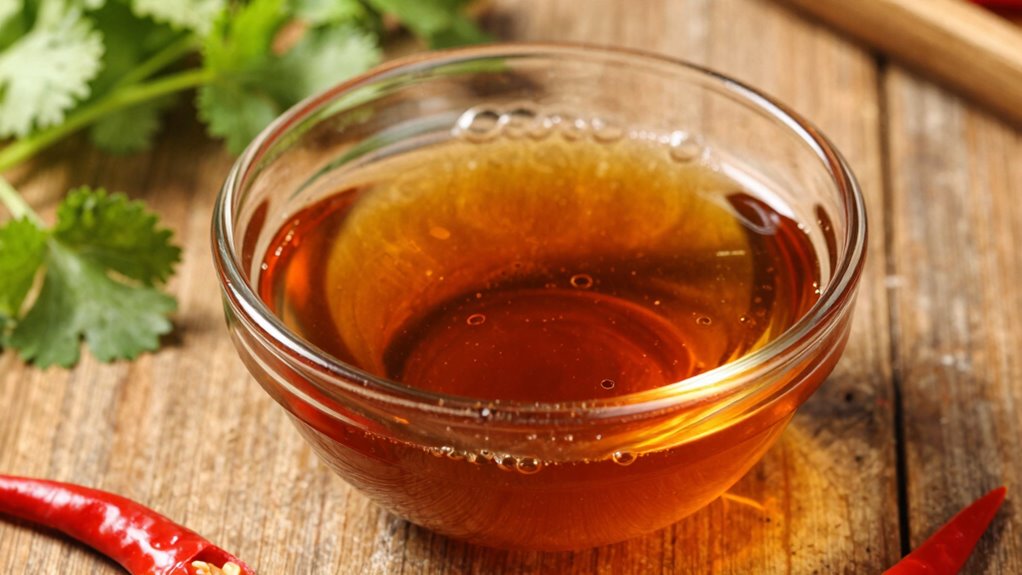

Fish sauce might smell strong and off-putting at first, but its rich, savory umami flavor can truly transform your dishes. It’s a staple in Southeast Asian cuisine, acting as a flavor enhancer rather than a main ingredient. Its complexity comes from a natural fermentation process, giving each regional variety unique characteristics. If you keep exploring, you’ll discover how this pungent-smelling ingredient adds depth and balance to your favorite recipes.
Key Takeaways
- Fish sauce’s strong aroma results from natural fermentation, but its umami flavor enhances many Southeast Asian dishes.
- The fermentation process breaks down fish proteins into savory amino acids, creating its distinctive taste.
- Regional variations—Thai, Vietnamese, Filipino—offer different flavors and aromas suited to local cuisines.
- Despite its smell, fish sauce adds depth and balance to salads, soups, and stir-fries when used sparingly.
- Embracing fish sauce requires overcoming initial odor aversion to enjoy its rich, savory culinary benefits.
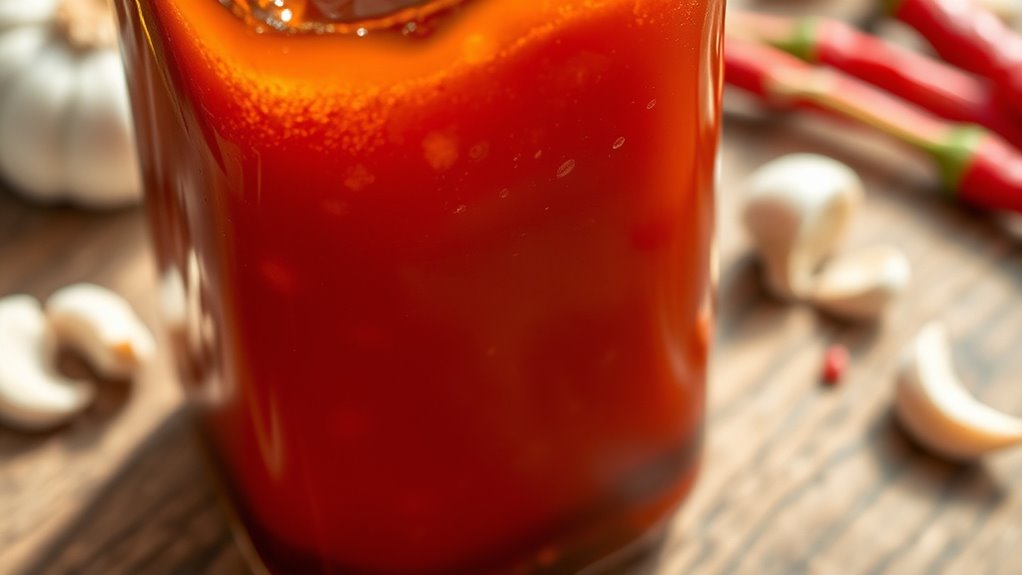
Have you ever wondered what gives many Southeast Asian dishes their rich, umami flavor? The answer often lies in fish sauce, a condiment that has been a staple in the region’s cuisine for centuries. Its distinctive aroma might be off-putting at first, but its deep, savory taste enhances countless dishes. The secret to fish sauce’s complexity is rooted in the fermentation process, which transforms simple fish into a flavorful liquid. During fermentation, fish and salt are combined and left to sit for months or even years, allowing natural enzymes and bacteria to break down proteins into amino acids like glutamate—key contributors to its umami punch. This slow, natural process creates a rich, savory profile that can’t be replicated with artificial flavorings.
One reason fish sauce is so beloved across Southeast Asia is because of the regional variations that influence its flavor and texture. For example, Thai fish sauces tend to be lighter, with a slightly sweeter and more delicate profile, often made from anchovies and salt, then aged briefly. In contrast, Vietnamese fish sauces like nước mắm are usually darker, more robust, and often have a stronger aroma, reflecting the traditional methods and local fish varieties used. Filipino fish sauces, such as bagoong, are often thicker and saltier, sometimes with added ingredients like shrimp or other seafood, giving them a more pungent, complex flavor. These regional differences are a testament to local tastes, climate, and available ingredients, making each type of fish sauce uniquely suited to specific dishes and culinary traditions.
Despite its reputation for smell, fish sauce’s taste is what truly makes it worth trying. When used correctly, it imparts a savory depth that balances sweetness, sourness, and heat. It’s not meant to be the star on its own but rather a flavor enhancer that brings a dish to life. Small amounts can elevate salads, soups, marinades, and stir-fries, blending seamlessly into the background yet making a noticeable difference. As you experiment with it, remember that quality matters—higher-quality fish sauce will have a richer flavor and a more balanced aroma. Don’t let its smell deter you; once you taste its umami richness, you’ll understand why it’s considered a culinary treasure. Fish sauce’s fermentation process and regional variations have crafted a versatile, indispensable ingredient that’s worth embracing, even if it smells a little wrong at first glance.
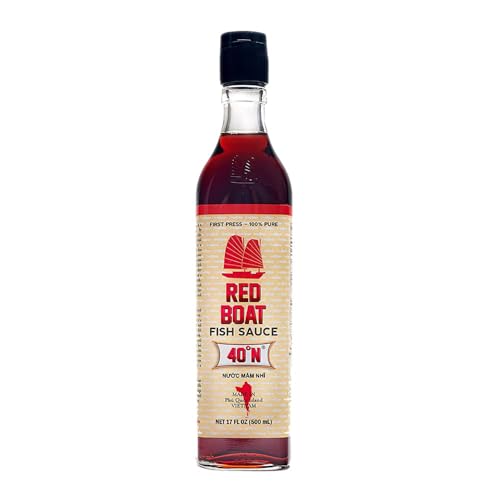
Red Boat Fish Sauce | Premium 40°N Fish Sauce made with just 2 ingredients in Vietnam | Keto, Paleo & Whole 30 | Gluten and Sugar free | 17 fl oz
JUST TWO INGREDIENTS: We use only sea salt and black anchovies caught off of the crystal clear waters…
As an affiliate, we earn on qualifying purchases.
As an affiliate, we earn on qualifying purchases.
Frequently Asked Questions
Is Fish Sauce Gluten-Free?
Yes, fish sauce is generally gluten-free, but you should verify the label for gluten content. Many brands are made without gluten, making them safe for those with gluten sensitivities. However, watch out for potential gluten cross contact during manufacturing, which can sometimes introduce gluten into the product. Always read the ingredients list carefully and choose certified gluten-free options to ensure it meets your dietary needs.
How Long Does Fish Sauce Last After Opening?
Once you open fish sauce, its shelf life typically lasts about 6 months to a year if stored properly. Keep it in a cool, dark place, tightly sealed, to maintain freshness. Proper storage tips include avoiding direct sunlight and temperature fluctuations. Always check for any changes in smell or color before using, and if it develops an off-odor, it’s best to replace it. Proper storage helps guarantee it stays flavorful and safe.
Can Vegetarians Use Fish Sauce?
You might think fish sauce is off-limits if you’re vegetarian, but luckily, there are plant-based substitutes like soy sauce, tamari, or mushroom-based sauces. These alternatives mimic the umami flavor fish sauce provides, so you don’t have to miss out on rich, savory dishes. By choosing vegetarian alternatives, you enjoy the same depth of flavor without compromising your dietary choices. It’s a simple switch that keeps your meals delicious and cruelty-free.
What’s the Best Way to Store Fish Sauce?
You should store fish sauce in a cool, dark place like your pantry or cupboard, away from direct sunlight and heat. Keep the cap tightly sealed to prevent oxidation and contamination. Follow storage tips by refrigerating after opening to prolong its shelf life, which can last up to two years. Proper storage guarantees the flavor stays fresh and vibrant, making it a versatile ingredient in your cooking.
Is Fish Sauce Safe for Pregnant Women?
Perfectly safe for pregnant women, fish sauce’s fiery flavor and fragrant funk fascinate many. However, it’s vital to take into account fish sauce safety; some brands may contain high levels of salt or additives that could pose risks. Consult your healthcare provider before including fish sauce in your pregnancy diet. Moderation matters, and choosing reputable, high-quality brands ensures you savor the savory seasoning safely and securely for your little one’s well-being.

Dear Mam Fish Sauce | Premium Fish Sauce Made With Real California Anchovies | 1 year Barrel aged | Brewed in Phu Quoc Vietnam
First Press (Nước Mắm Nhĩ) – only the purest, most flavorful extract
As an affiliate, we earn on qualifying purchases.
As an affiliate, we earn on qualifying purchases.
Conclusion
So, next time you open a bottle of fish sauce, remember it’s like a hidden treasure chest—smelling like the depths of the ocean but adding a burst of flavor that transforms your dish. Don’t let the pungent aroma fool you; it’s the secret ingredient that brings your cooking to life. Embrace its bold character, and watch your flavors sail smoothly into delicious territory, turning ordinary meals into extraordinary adventures.
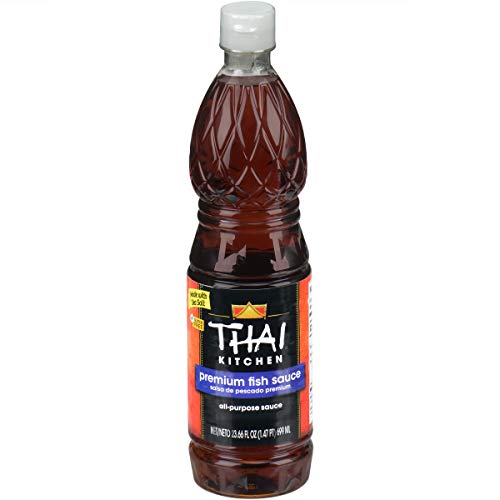
Thai Kitchen Premium Fish Sauce, 23.66 fl oz – One 23.66 Fluid Ounce Bottle of Fish Sauce Crafted for Dressings and Marinades for a Sweet, Tangy and Spicy Flavor
PREMIUM FISH SAUCE: Premium fish sauce contains fresh-pressed salted anchovies; features an intense flavor that is a hallmark…
As an affiliate, we earn on qualifying purchases.
As an affiliate, we earn on qualifying purchases.

Tropics Round Cad Fish Sauce (Bagoong) Pack of Two 12 Oz Per Bottle
Fish Sauce Bagoong
As an affiliate, we earn on qualifying purchases.
As an affiliate, we earn on qualifying purchases.