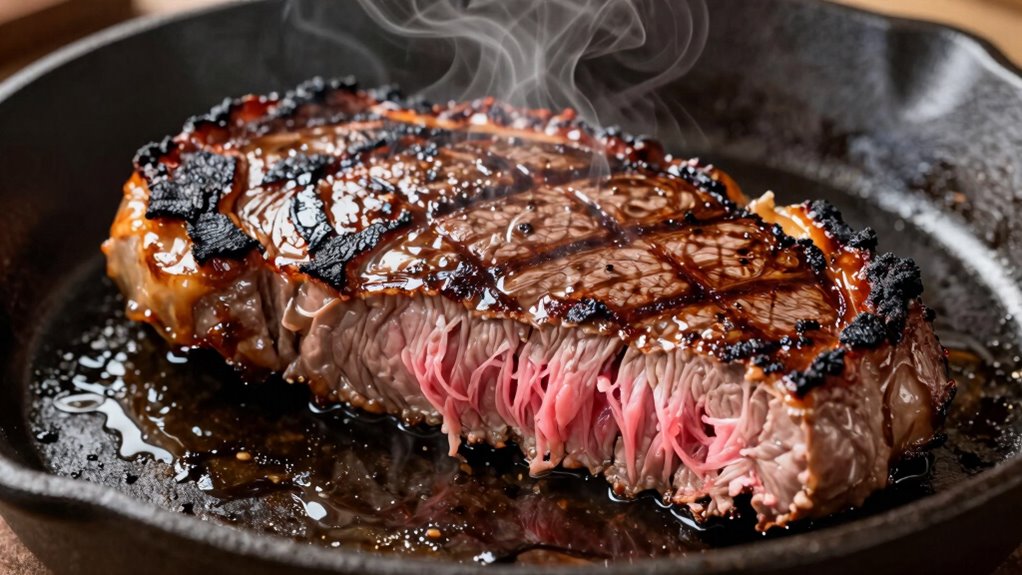

When you cook meat, toughening often happens because of how heat affects muscle fibers and collagen. Applying too much heat too quickly causes fibers to contract tightly, squeezing out moisture and making the meat dry and tough. Conversely, cooking at the right temperature for the right amount of time allows collagen to break down into gelatin, tenderizing the meat. Mastering this heat-and-time balance is key—stick around to learn how to do it perfectly.
Key Takeaways
- Excessive or rapid heat causes muscle fibers to contract tightly, squeezing out moisture and making meat tough.
- Proper heat and time balance allows collagen to convert into gelatin, tenderizing the meat.
- High heat for too long shrinks connective tissue, resulting in a dry, tough texture.
- Insufficient cooking time prevents collagen breakdown, leaving meat tough and chewy.
- Maintaining controlled, moderate heat over the right duration ensures optimal tenderness and flavor.
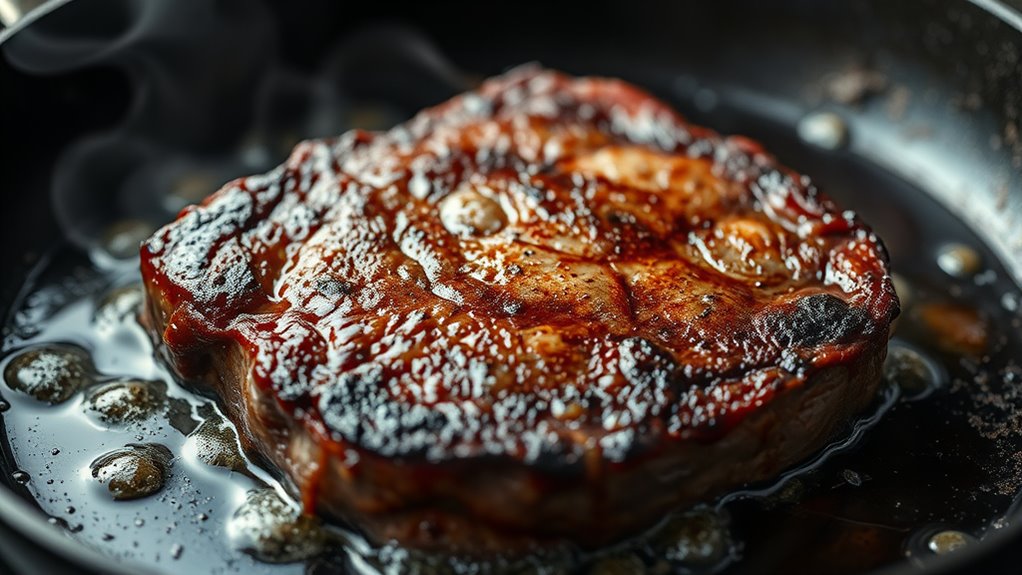
Have you ever wondered why your steak turns tough after cooking? It’s frustrating to put in the effort, only to end up with meat that’s chewy and difficult to bite. The answer lies in understanding how heat affects the muscle fiber structure and connective tissue in meat. When you cook meat, you’re fundamentally transforming its tissue components through heat and time. If you don’t pay attention to these factors, you risk turning tender cuts into a tough, unappetizing dish.
The muscle fiber structure plays a critical role in how meat responds to heat. Meat is composed of long, thin muscle fibers bundled together. When you apply heat, these fibers begin to contract and tighten, squeezing out moisture. If cooked too quickly or at too high a temperature, the fibers will contract excessively, making the meat feel tough and dry. The key is to manage the heat so that the fibers don’t tighten too much before they have a chance to break down gradually. Lower, slower cooking allows the muscle fibers to relax and retain moisture, resulting in a tender texture.
Connective tissue, primarily collagen, also influences meat tenderness. Collagen is a protein that binds muscle fibers together, providing structure and support. When cooked properly, collagen breaks down into gelatin, which adds richness and moisture to the meat. However, this process requires patience; collagen doesn’t dissolve instantly. If you cook meat for too short a time at low heat, the connective tissue remains intact, making the meat tough and chewy. Conversely, cooking for too long at high heat can cause the connective tissue to shrink and toughen up, especially if the meat is lean and has little fat to insulate it. That’s why slow braising or stewing at moderate temperatures is often recommended for tougher cuts—this method allows for connective tissue breakdown without drying out the meat. Additionally, understanding how heat transfer impacts meat can help optimize cooking techniques for better results. Proper temperature control is essential for breaking down collagen effectively while preventing muscle fibers from tightening excessively. Mastering this process involves balancing heat and time, which is crucial for achieving the desired tenderness. Moreover, the cut of meat significantly influences how long and at what temperature you should cook it to achieve tenderness.
A helpful tip is to consider the marbling within the meat, as fat can insulate tissues and slow down moisture loss, leading to more tender results. The heat-and-time rule emphasizes that patience is vital for tender meat. It’s not just about how hot you cook but also how long you keep it there. Properly tenderizing meat involves balancing these two factors: applying enough heat for enough time to allow collagen to convert into gelatin, and avoiding excessive heat that can cause muscle fibers to contract too tightly. When you follow this rule, you give the muscle fibers and connective tissue the opportunity to break down gradually, resulting in meat that’s juicy, tender, and flavorful. Mastering this balance is the secret behind perfectly cooked meat, no matter the cut.
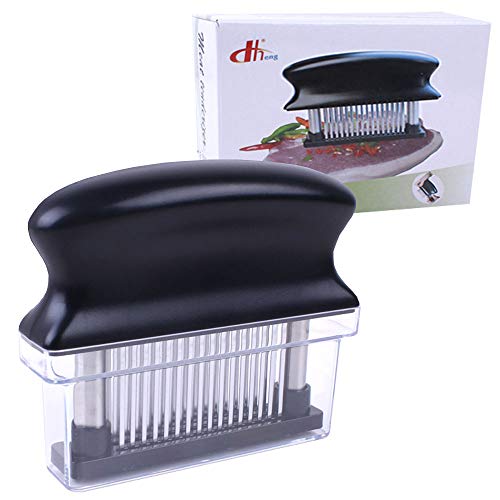
Meat Tenderizer with 48 Stainless Steel Ultra Sharp Needle Blades Heavy Duty Cooking machine for Tenderizing Beef, Turkey, Chicken, Steak, Veal, Pork, Fish etc
CHEF GRADE MEAT TENDERIZER – The Meat tenderizing tool easily slices through meat to create tiny heat channels…
As an affiliate, we earn on qualifying purchases.
As an affiliate, we earn on qualifying purchases.
Frequently Asked Questions
Can Marinades Prevent Meat From Becoming Tough?
Marinades can help prevent meat from becoming tough by incorporating enzyme tenderizers and leveraging marinade chemistry. Enzymes like bromelain and papain break down tough muscle fibers, making the meat more tender. Properly balanced marinades also contain acids and oils that enhance moisture and prevent dehydration. Keep in mind, marinating too long can over-tenderize, so follow recommended times for the best results in maintaining tenderness.
How Does Meat Cut Affect Its Tenderness?
Think of meat cuts like a tangled ball of yarn. Your cut directly impacts tenderness because different cuts have varying muscle fibers and connective tissue. More tender cuts, like filet mignon, have fewer muscle fibers and less connective tissue, making them easier to chew. Tougher cuts, such as brisket, contain densely packed muscle fibers and more connective tissue, requiring slow cooking to break down and become tender.
Does Resting Meat After Cooking Improve Tenderness?
Resting meat after cooking definitely improves tenderness. When you let meat sit, the juices redistribute, preventing them from escaping when you cut into it. This process, similar to meat aging, allows proteins to relax, making the meat more tender. Be mindful of the cooking temperature; overcooking can cause toughness, so resting helps mitigate that by allowing the meat’s fibers to reabsorb moisture, resulting in a juicier, more tender bite.
Are Tougher Meats Better for Slow Cooking?
Tougher meats are actually great for slow cooking because their dense muscle fibers and meat marbling break down slowly, becoming tender and flavorful. You benefit from low cooking temperatures that allow collagen to convert into gelatin, enhancing tenderness. So, if you choose tougher cuts, you’ll need patience, but the result is melt-in-your-mouth meat that’s rich in flavor. Slow cooking transforms even the toughest cuts into a delicious, tender feast.
How Does Age of the Animal Influence Meat Toughness?
As the animal ages, its muscle development increases, making the meat tougher due to more extensive connective tissue. You’ll notice that older animals produce meat that’s chewier, requiring slow cooking to break down the connective tissue effectively. Younger animals tend to have less developed muscle and connective tissue, resulting in more tender meat. So, age directly influences toughness, and adjusting your cooking method can help achieve the desired tenderness.
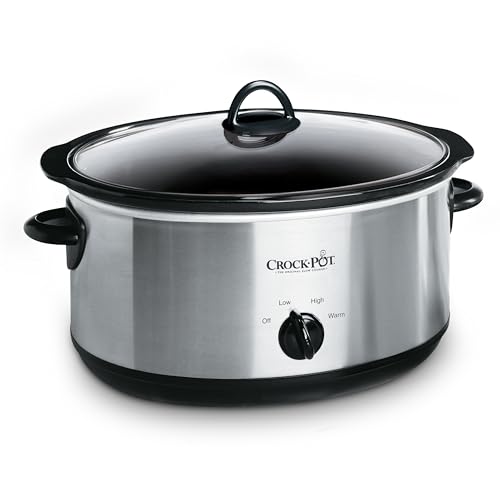
Crock-Pot 7 Quart Oval Manual Slow Cooker, Stainless Steel (SCV700-S-BR), Versatile Cookware for Large Families or Entertaining
Generous Capacity: 7-quart slow cooker that comfortably serves 9+ people or fits a 7-pound roast
As an affiliate, we earn on qualifying purchases.
As an affiliate, we earn on qualifying purchases.
Conclusion
So, next time you’re cooking meat, remember the heat-and-time rule. Yes, it can seem tricky at first, but with patience, you’ll master it and enjoy perfectly tender results. Don’t worry if it feels like a lot to remember—practice makes perfect. Just keep an eye on the heat and cooking time, and you’ll savor juicy, tender meat every time. Trust the process, and enjoy delicious meals without stress or toughness!

Alpha Grillers Meat Thermometer Digital – Instant Read Food Thermometer for Cooking & Grilling – Professional Kitchen Gift for Men, Dad & Mom
Instant Read Food Thermometer | Our instant read thermometer features a temperature probe and advanced, highly accurate technology…
As an affiliate, we earn on qualifying purchases.
As an affiliate, we earn on qualifying purchases.

Enameled Cast Iron Dutch Oven – Umite Chef 5QT Pot with Lid & Cotton Potholders – Heavy-Duty Cookware for Bread Baking, Braising, Stews, Roasting(Cream White)
Even Heat Distribution Retention: This Umite Chef Dutch oven Made with heavy-duty enameled cast iron, ensures even heat…
As an affiliate, we earn on qualifying purchases.
As an affiliate, we earn on qualifying purchases.