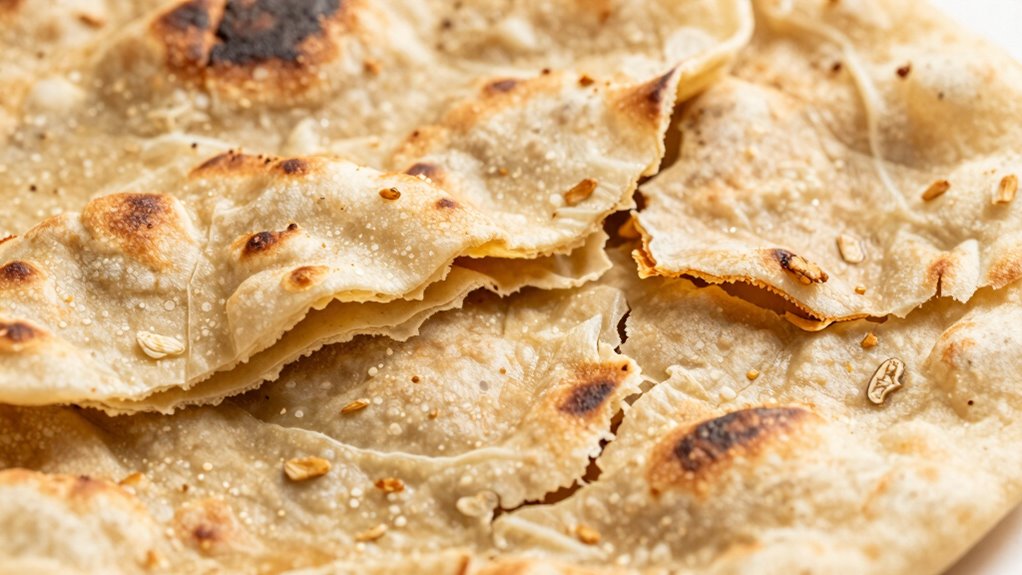

Rotis crack mainly because of inadequate hydration and the presence of bran fibers that weaken gluten structure, making the dough dry and brittle. If you don’t add enough water, the dough becomes stiff and prone to cracking during rolling and cooking. Bran in whole wheat flour also cuts through gluten, reducing elasticity. To prevent this, proper hydration and kneading are key. Keep exploring to learn how to perfect your roti every time.
Key Takeaways
- Insufficient hydration leads to dry, stiff dough, increasing the likelihood of cracks during rolling and cooking.
- Higher bran content weakens gluten development, making rotis tougher and more prone to cracking if not properly hydrated.
- Bran fibers cut through gluten strands, reducing elasticity and causing cracks if not adequately hydrated to soften fibers.
- Proper hydration allows gluten to form a flexible network, preventing cracks and ensuring softer, more pliable rotis.
- Inadequate or excessive water disrupts dough balance, increasing crack risk, especially in high-bran flours.

Joydeem Electric Dough Maker, 9.5Qt with Winter & Summer Fermentation, Dual Functions (MIX for Dough/Kneading, BLEND for Filling) – Ideal for Bread, Pizza, Roti, Dumplings, Sourdough, HMJ-A901
Versatile Dough Options: Joydeem electric dough maker mimics the action of hand-kneading with a 300W motor that operates…
As an affiliate, we earn on qualifying purchases.
As an affiliate, we earn on qualifying purchases.
Why Do Rotis Crack and How Can You Fix It?

Rotis crack mainly because the dough lacks enough moisture or elasticity, making it difficult for the dough to stretch evenly during rolling and cooking. When flour isn’t properly hydrated, gluten development suffers, leading to a less flexible dough that’s prone to cracking. To fix this, make sure you add enough water during mixing so the flour fully absorbs it, creating a smooth, pliable dough. Resting the dough for at least 20-30 minutes also helps gluten develop properly, improving elasticity. Proper flour hydration is key; if your dough feels dry or crumbly, sprinkle a little water and knead again until soft. By focusing on good gluten development through adequate hydration, you’ll achieve a dough that rolls out smoothly without cracking.

Rani Chapati Flour (100% Pure Whole Wheat Atta), For Making Roti & Indian Breads 48oz (3lbs) 1.36kg PET Jar ~ All Natural | Vegan | No Salt or Colors | NON-GMO | Indian Origin
You'll LOVE our Chapati Flour (Chakki Atta) by Rani Brand–Here's Why:
As an affiliate, we earn on qualifying purchases.
As an affiliate, we earn on qualifying purchases.
How Does Bran Content Affect Roti Softness and Cracking?
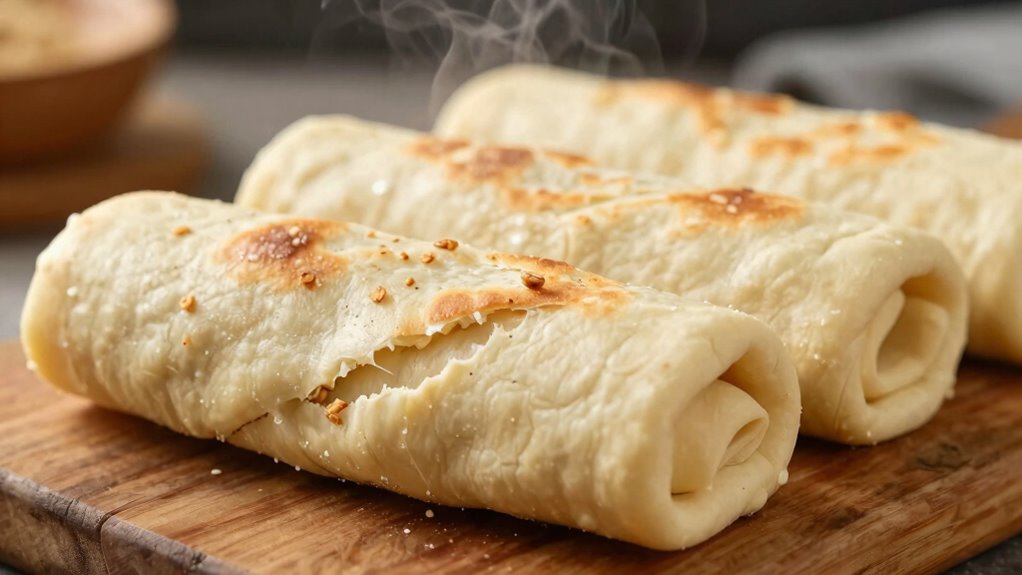
Adding bran to your roti dough influences both softness and cracking. Higher bran content can make rotis tougher and more prone to cracks because bran fibers cut through gluten formation, weakening the dough structure. To counteract this, you need a hydration adjustment—adding more water helps hydrate the bran and improve dough elasticity. Proper hydration allows the gluten to develop fully, resulting in softer rotis that are less likely to crack. Keep in mind that too much bran can still cause dryness; balancing bran content with adequate hydration is key. Additionally, understanding color accuracy can help you assess the visual quality of the dough and finished rotis, ensuring consistent results. Monitoring dough elasticity can also give you clues about whether your hydration level is adequate. By controlling the bran content and adjusting hydration levels accordingly, you can achieve rotis that are both soft and less prone to cracking, even with higher fiber content.
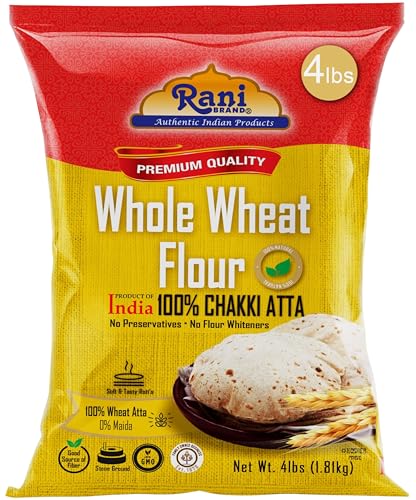
Rani Chapati Flour (100% Pure Whole Wheat Chakki Atta), For Making Roti & Indian Breads 64oz (4lbs) 1.81kg Bulk ~ All Natural | Vegan | No Salt or Colors | NON-GMO | Kosher | Indian Origin
You'll LOVE our Chapati Flour (100% Pure Whole Wheat Chakki Atta) by Rani Brand–Here's Why:
As an affiliate, we earn on qualifying purchases.
As an affiliate, we earn on qualifying purchases.
Which Flour Types Make Soft, Crack-Free Rotis?

What flour types are best for making soft, crack-free rotis? To achieve this, choose flours with high gluten development, like whole wheat or atta flour. These flours create a strong gluten network that helps the dough stay elastic and resilient, reducing cracks. The fermentation process also plays a crucial role; allowing the dough to rest enables gluten strands to strengthen, resulting in softer rotis. Avoid flours with low gluten content, such as multigrain or refined flours, as they lack the elasticity needed for crack-free rotis. Using the right flour combined with proper resting time promotes even hydration and gluten formation, ensuring your rotis are soft, pliable, and free from cracks. Additionally, proper kneading techniques can enhance gluten development, making your rotis even more tender and crack-resistant. Proper hydration and consistent kneading are key factors in developing a strong gluten network that prevents cracks and produces a soft texture.

3Pcs Bowl Covers for Bread Proofing, 9 Inch Round Reusable Sourdough Bowl Covers Bread Proofing Cover Basket Cloth Banneton Liner Cover for Rising, Ideal for Dough Rising, Easy to Clean, Beige
Baking Essential – Our sourdough bowl covers for bread proofing are crafted from untreated linen and cotton, ensuring…
As an affiliate, we earn on qualifying purchases.
As an affiliate, we earn on qualifying purchases.
How to Adjust Hydration for Different Flours?

Different flours absorb water differently, so adjusting hydration levels is key to making perfect rotis. Whole wheat flour with higher bran content needs slightly more water to support gluten development and prevent cracking. On the other hand, refined flours with less bran require less water, as they develop gluten more readily. To achieve ideal hydration, start with a smaller amount of water and gradually add more until the dough is soft but not sticky. Pay attention to how the dough feels—if it’s too dry, increase hydration; if it’s sticky, reduce it. Proper hydration ensures even gluten development, which helps create pliable rotis that don’t crack during rolling and cooking. Understanding gluten development is also important, as it influences the dough’s elasticity and overall texture. Consistent hydration is essential for flour absorption properties and for producing consistent, soft rotis. Being mindful of hydration adjustments helps ensure the dough remains manageable and yields the best results. Additionally, considering dough elasticity can aid in achieving the perfect texture and prevent cracks.
How to Knead and Rest Dough for Soft, Pliable Rotis?

To get soft, pliable rotis, you need to focus on proper kneading techniques that develop gluten and smooth the dough. Resting the dough for the right amount of time allows the moisture to distribute evenly, making the rotis easier to roll and softer. Pay attention to these steps, and you’ll notice a clear difference in the texture of your rotis. Additionally, understanding the hydration level of your dough can significantly influence its pliability and softness. Using a seasonal checklist to monitor dough resting times and humidity levels can help optimize the process for consistent results. Incorporating essential oils for hydration into your routine can also help in maintaining optimal moisture content in your dough. Recognizing the importance of dough elasticity can further enhance the softness and pliability of your rotis. Moreover, adjusting the kneading duration based on dough consistency can lead to better gluten development and improved softness.
Proper Kneading Techniques
Achieving soft, pliable rotis starts with proper kneading and resting of the dough. To enhance dough elasticity, knead thoroughly until the ingredients bind well, creating a smooth, soft ball. Focus on developing gluten by kneading with firm pressure, which helps form a network that traps air and moisture, making the dough resilient yet tender. Avoid over-kneading, as this can toughen the dough, but ensure it’s kneaded enough for uniform elasticity. Use a gentle, rhythmic motion, folding and pressing repeatedly. After kneading, cover the dough and let it rest for at least 15-20 minutes. Resting allows gluten strands to relax, resulting in a softer, more pliable roti that’s easier to roll and less prone to cracking during cooking.
Rest Period Importance
Allowing the dough to rest after kneading is essential for soft, pliable rotis. Resting helps gluten develop, which improves dough elasticity and makes rolling easier. During this period, the flour fully hydrates, resulting in better texture and fewer cracks. To optimize this step, cover the dough with a damp cloth and let it rest for at least 20-30 minutes. This pause allows the gluten strands to relax, reducing springiness and making the rotis softer. Use the following table to understand the key benefits:
| Benefit | Effect on Rotis | Tips |
|---|---|---|
| Gluten development | Enhances dough elasticity | Rest for 20-30 minutes |
| Hydration | Improves texture | Cover with damp cloth |
| Relaxation | Prevents tearing | Avoid overworking dough |
| Softness | Creates tender rotis | Resting is vital |
| Easy rolling | Reduces cracking | Rest before rolling |
Additionally, proper hydration is crucial for achieving the ideal dough consistency and preventing cracks during cooking. Proper hydration ensures the flour absorbs enough water, which is essential for optimal gluten development and elasticity. As the dough absorbs water, the hydration level directly influences how well the gluten strands form, impacting the overall softness of the rotis. Incorporating adequate hydration allows the dough to relax, making it easier to roll out without tearing. Developing a good hydration balance is key to consistent results, especially when aiming for soft, crack-free rotis.
Common Mistakes That Cause Roti Cracks and How to Avoid Them?
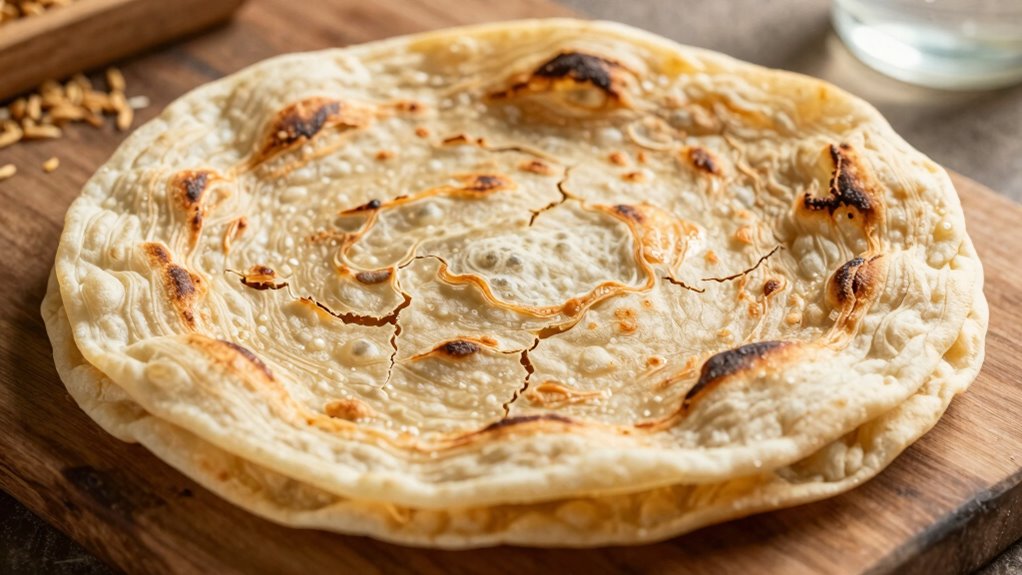
One common mistake that leads to roti cracks is using too much or too little water in the dough. The key is to match the water amount with the flour quality, as different flours absorb water differently. If you add too much, the dough becomes sticky and difficult to roll smoothly, resulting in cracks. Too little water makes the dough dry and stiff, causing uneven expansion during cooking. Additionally, improper cooking temperature can cause cracks; if the pan is too hot, the roti cooks too quickly and cracks, while a low temperature leads to uneven cooking. To avoid these mistakes, use fresh, good-quality flour, add water gradually, and maintain a moderate, consistent cooking temperature. This balance helps produce a smooth dough and evenly cooked roti.
Tips to Make Perfect, Soft Rotis Every Time?

To make soft, perfect rotis every time, focus on preparing a well-hydrated dough and handling it gently. Achieving the right dough consistency is vital; it should be soft, smooth, and elastic without being sticky. Use warm water gradually to knead the flour, guaranteeing even hydration. Rest the dough for at least 20-30 minutes, which helps gluten development and makes rolling easier. When cooking, maintain a high, even heat on the tawa or skillet to guarantee the rotis puff up and cook evenly. Avoid over-flipping or pressing too hard, as this can toughen the dough. Proper dough kneading techniques are essential for developing the gluten structure that gives rotis their softness. With proper hydration, handling, and cooking temperature, you’ll consistently get rotis that are soft, flaky, and delicious. Incorporating temperature control during cooking can further enhance the texture and puffiness of your rotis.
Frequently Asked Questions
Can Adding Oil Prevent Rotis From Cracking?
Yes, adding oil can prevent rotis from cracking. When you incorporate oil into the dough, it enhances dough elasticity, making it softer and more pliable. This increased elasticity helps the rotis stretch evenly without tearing. By doing this, you get smoother, crack-free rotis that are easier to roll out and cook perfectly. So, a little oil makes a noticeable difference in the final texture and appearance of your rotis.
Does the Thickness of the Roti Influence Cracking?
Ever wondered if the thickness of your roti affects cracking? Yes, it does! Thicker rotis are more prone to cracking because they’re harder to cook evenly, while thinner ones require careful rolling technique. To prevent cracks, make sure your dough consistency is just right—smooth and soft—and use a gentle, even rolling technique. This way, your rotis stay soft, pliable, and crack-free regardless of thickness.
How Does Altitude Affect Roti Preparation and Cracking?
Altitude effects your roti by making the dough less elastic due to lower air pressure, which can cause cracking. You should modify your water quantity because at higher altitudes, water evaporates faster, so adding a little extra helps maintain proper dough consistency. Roll the dough gently and avoid overworking it, as this preserves elasticity. These tweaks ensure your rotis stay soft and crack-free despite altitude changes.
Are There Specific Spices That Help Keep Rotis Soft?
You might find that spice combinations like ajwain or fennel seeds help keep rotis soft, acting as natural softening agents. These spices add flavor and moisture retention, preventing the dough from drying out quickly. Incorporate them into your dough to enhance softness and flavor. While not a magic solution, their properties support a tender texture, making your rotis more enjoyable and less prone to cracking.
Can Storage Methods Impact Roti Freshness and Cracking?
Yes, storage techniques and container choices can impact roti freshness and cracking. You should store rotis in an airtight container to retain moisture and prevent them from drying out, which causes cracking. Using a clean, moisture-retaining container helps keep rotis soft longer. Avoid exposing them to air or direct sunlight, as these can dry out the rotis quickly, making them more prone to cracking when you try to reheat or eat them.
Conclusion
Now that you know the hidden role of bran and hydration, imagine perfect rotis that stay soft and crack-free, no matter the flour or weather. With just the right tweaks, you’ll master the art of soft, pliable rotis that impress everyone. But remember, the secret lies in the delicate balance—too much or too little can change everything. Are you ready to reveal the final trick and elevate your roti game to perfection?