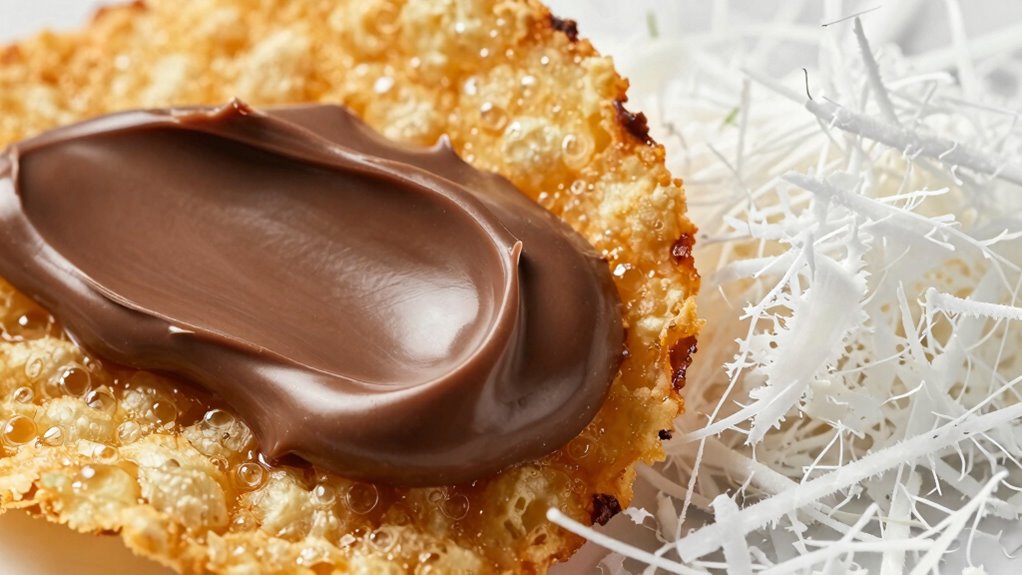

The texture rule behind crunch, chew, and creaminess is all about food structure and sensory cues. Crunchiness comes from crispy, dry surfaces that produce sound and pressure signals, while chewiness involves resistance and elasticity that make you want to chew longer. Creaminess results from soft, smooth internal structures that create a velvety mouthfeel. Understanding how culinary techniques shape these textures helps you appreciate why they feel satisfying—if you keep exploring, you’ll discover even more about these fascinating sensory secrets.

Get kitchen staples and gadgets delivered free — and shop member deals
- Fast, free delivery on millions of items
- Access to Prime Big Deal Days deals on October 6–7
- Prime Video, Amazon Music and more included
Key Takeaways
- Crunchiness signals crispness through rapid sound, pressure, and temperature cues detected by sensory receptors.
- Chewiness involves resistance and elasticity, interpreted as satisfying resistance during mastication.
- Creaminess results from a smooth internal structure that creates a soft, velvety mouthfeel.
- Food structure manipulation via techniques like dehydration and emulsification directly influences texture perception.
- Sensory signals and internal food architecture work together to evoke specific tactile and emotional responses.
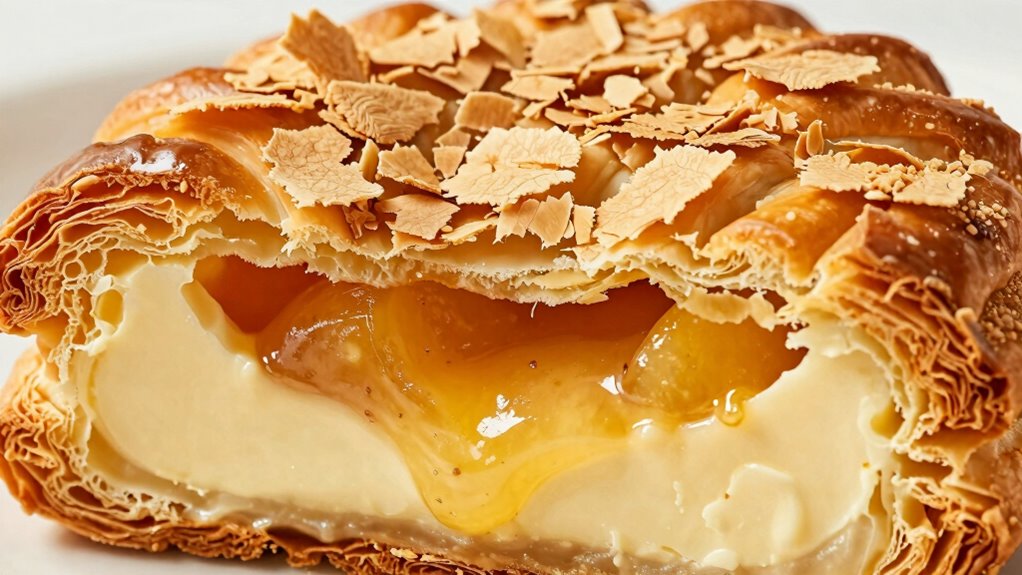
Have you ever wondered what makes a food crispy, chewy, or velvety smooth? The answer lies in the fascinating world of sensory perception and culinary techniques. Your senses—especially your sense of touch and taste—play a crucial role in how you experience texture. When you bite into a crunchy chip, your sensory perception immediately signals the crispness through a combination of sound, pressure, and temperature. Similarly, the chewy texture of a piece of gum or bread involves a different set of sensory cues, like resistance and elasticity, that your brain interprets as a satisfying chewiness. The velvety smoothness of a well-made mousse or custard results from precise culinary techniques that manipulate the food’s internal structure to create a soft, cohesive mouthfeel. Understanding these elements helps you appreciate why certain textures feel right and others don’t. Additionally, texture manipulation is a key aspect of culinary innovation, allowing chefs to craft unique sensory experiences that enhance flavor profiles.
Culinary techniques are essential for controlling texture. Chefs use specific methods—such as tempering, emulsifying, or dehydration—to influence how ingredients behave during preparation and cooking. For example, frying creates a crispy exterior by rapidly removing moisture and forming a golden crust, while slow simmering breaks down connective tissues to produce tender, chewy meat. Techniques like whipping air into a batter or cream introduce lightness and softness, giving rise to creaminess. These methods directly impact the food’s internal structure, which your sensory perception then interprets to create the desired experience. When you understand the science behind these techniques, you become more aware of how texture is deliberately crafted to enhance flavor and enjoyment. Recognizing the role of food structure helps deepen your appreciation for culinary artistry and the science behind it. Moreover, understanding the interplay of sensory signals** can help you better identify how specific textures evoke emotional responses and influence your overall eating experience. As you become more familiar with these concepts, you can also learn how to better select and prepare foods that align with your desired texture preferences**, enhancing your enjoyment and health.
As an affiliate, we earn on qualifying purchases.
Frequently Asked Questions
How Do Different Ingredients Affect Food Texture?
Different ingredients considerably impact food texture through ingredient interactions and mouthfeel modulation. For example, adding fats can create a creamy, smooth sensation, while crunchy elements like nuts add crispness. Gums and thickeners enhance chewiness, and acidic ingredients can soften textures. Understanding these interactions helps you control mouthfeel, making dishes more appealing by balancing crunch, chew, and creaminess to suit your desired sensory experience.
Can Texture Influence Taste Perception?
Yes, texture greatly influences taste perception. When you experience mouthfeel variations, like crunchiness or creaminess, it heightens your enjoyment and amplifies flavors. Conversely, sensory fatigue can dull your taste buds over time, reducing flavor intensity. By varying textures, you keep your palate engaged and prevent sensory fatigue, making each bite more flavorful and satisfying. So, texture isn’t just about feel; it’s a key component in how you perceive taste.
How Is Food Texture Measured Scientifically?
You measure food texture scientifically through mouthfeel analysis and rheological properties. Mouthfeel analysis involves sensory testing to assess how food feels in your mouth, while rheological testing uses instruments to evaluate viscosity, elasticity, and flow behavior. These methods allow scientists to quantify texture attributes like crunchiness or creaminess objectively, helping you understand and control food quality and consistency. This scientific approach guarantees your products meet desired sensory standards.
Do Cultural Preferences Impact Texture Expectations?
Yes, cultural preferences considerably impact your texture expectations. Cultural influences shape what you find appealing or acceptable, creating texture stereotypes that influence your taste experiences. For example, some cultures prefer crispy textures, while others favor soft or chewy foods. These preferences develop through tradition, exposure, and social norms, making your perception of ideal textures deeply rooted in your cultural background. Understanding this helps explain why taste varies across different societies.
How Does Temperature Alter Food Texture?
You notice how temperature induces changes in food texture, surprisingly altering mouthfeel variations. When you chill ice cream, it becomes firmer and less creamy, while warming bread makes it softer and more pliable. These temperature-induced changes impact how you perceive food, making some textures more enjoyable or challenging. Coincidences like this remind you how delicate and dynamic your sensory experience is, constantly shaped by temperature’s subtle influence on food’s physical properties.
As an affiliate, we earn on qualifying purchases.
Conclusion
Understanding texture is like revealing a secret recipe; it transforms how you experience food. When you notice the crunch, chew, or creaminess, you’re tuning into the subtle symphony of sensations that make each bite special. Next time you savor your favorite dish, remember—texture isn’t just a detail, it’s the heartbeat of flavor. So, embrace these textural cues, and let your taste buds dance to the rhythm of food’s hidden language.
As an affiliate, we earn on qualifying purchases.
As an affiliate, we earn on qualifying purchases.
Fall Picks
fall essentials
As an affiliate, we earn on qualifying purchases.