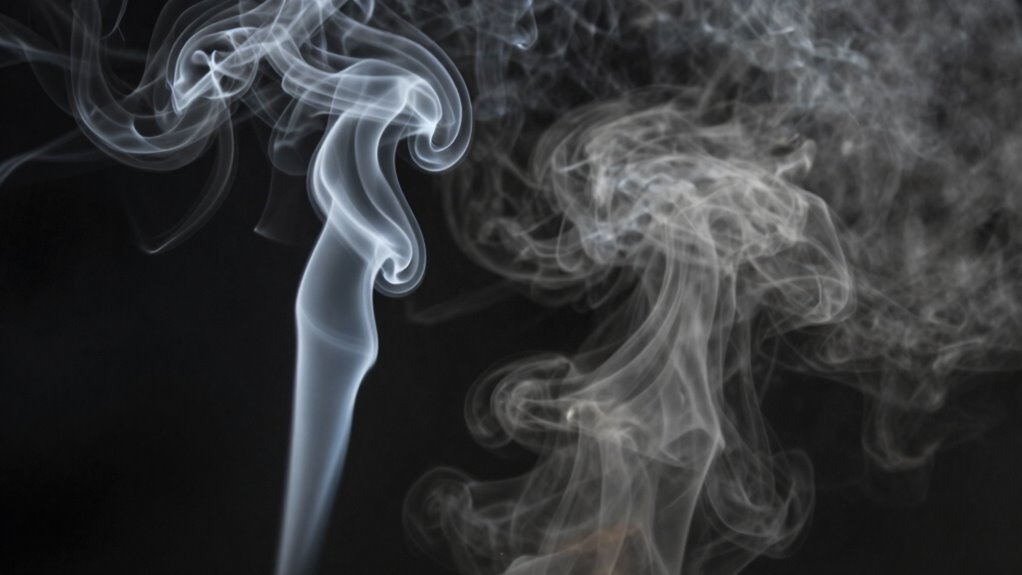

Understanding the difference between clean and dirty smoke is essential for tasty, safe barbecue. Clean smoke is made from properly seasoned dry wood or charcoal, producing a light, bluish haze that enhances flavor without bitterness or harmful residues. Dirty smoke, caused by incomplete combustion and moisture-rich wood, appears thick and white or black, risking off-flavors and health issues. Mastering these concepts will help you produce better smoke every time—keep exploring to learn how to achieve perfect results.

Get kitchen staples and gadgets delivered free with Prime
- Fast, free delivery on millions of items
- Prime Video, Amazon Music and more included
- Member-only deals all year
Key Takeaways
- Clean smoke is clear, bluish, and contains fewer impurities, enhancing flavor without bitterness or residues.
- Dirty smoke results from unseasoned or wet wood, producing thick, white, or black smoke with impurities.
- Proper fire management and dry, seasoned hardwoods ensure consistent, clean smoke production.
- Dirty smoke can introduce harmful compounds, negatively affecting food safety and flavor quality.
- Recognizing smoke color and flow helps distinguish between clean, beneficial smoke and dirty, harmful smoke.
best seasoned hardwood for smoking
As an affiliate, we earn on qualifying purchases.
As an affiliate, we earn on qualifying purchases.
What Is Clean Smoke and How Is It Made?
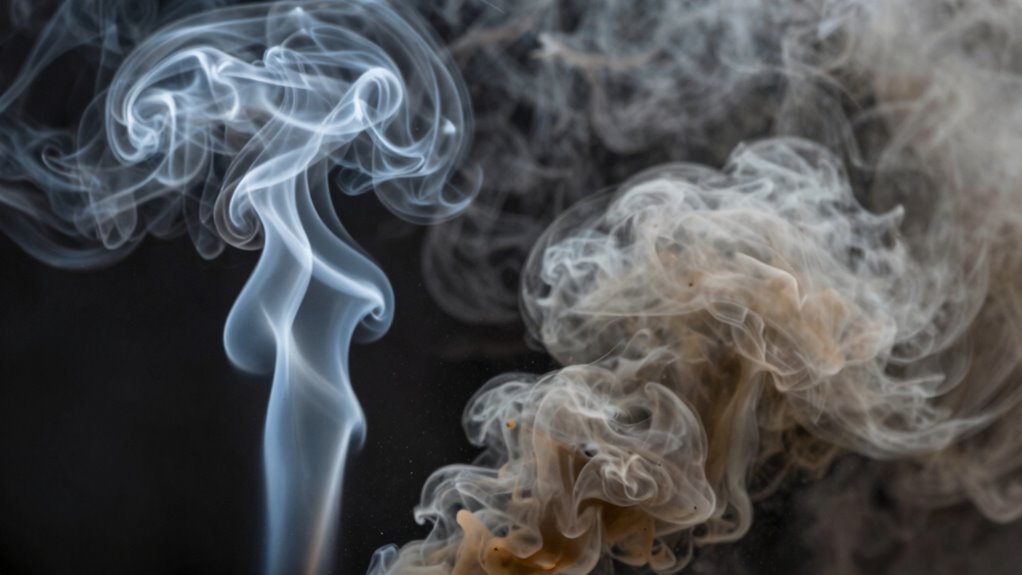
Clean smoke is a type of smoke produced during the smoking process that contains fewer impurities and harmful compounds. It generally has a lighter smoke density, which allows the flavors of the meat or other foods to infuse more effectively. When you generate clean smoke, you create an environment where the smoke’s natural qualities enhance the flavor infusion without introducing bitterness or unwanted residues. To achieve this, you need to maintain proper fire management, using dry, seasoned wood or charcoal that burns cleanly. Proper fire management techniques are essential to maintain consistent clean smoke production throughout the process. Additionally, controlling the smoke density helps prevent the formation of dirty smoke and ensures optimal flavor infusion. By focusing on producing clean smoke, you maximize flavor while reducing harmful compounds, resulting in a better overall smoking experience. Incorporating eco-friendly practices in your smoking setup can further improve the quality of the smoke and minimize environmental impact. Maintaining proper airflow and avoiding excess moisture are also crucial steps in ensuring clean smoke production. Paying attention to wood quality and ensuring proper ventilation can further enhance smoke purity and flavor.
As an affiliate, we earn on qualifying purchases.
Common Causes of Dirty Smoke in Smoking and Grilling
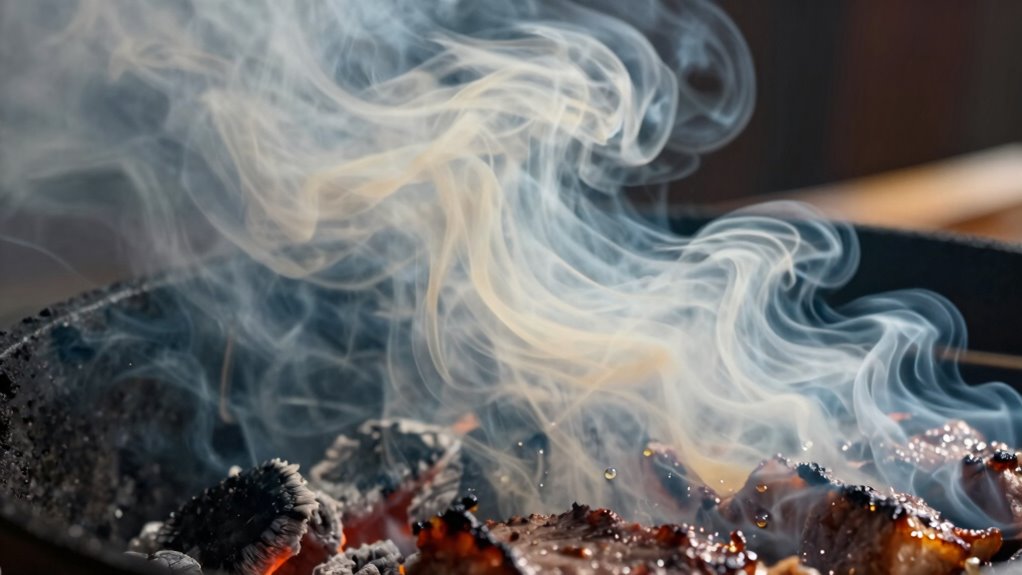
Dirty smoke often results from improper fire management or using the wrong materials, which can introduce excess impurities and unpleasant flavors into your smoke. Poorly seasoned wood creates more creosote, leading to a harsher, dirtier smoke that hampers smoke ring formation. Using green or wet wood causes incomplete combustion, producing thick, dirty smoke. Additionally, inconsistent fire management can cause fluctuations in smoke quality, making it harder to produce clean smoke consistently.
| Cause | Effect |
|---|---|
| Using unseasoned wood | Increased creosote, bitter flavors |
| Improper fire management | Incomplete combustion, dirty smoke |
| Using green or wet wood | Thick, smoky impurities, poor smoke rings |
| Neglecting airflow control | Fluctuating smoke quality, dirtier smoke |
digital fire management thermometer
As an affiliate, we earn on qualifying purchases.
As an affiliate, we earn on qualifying purchases.
How to Recognize Clean Smoke While Cooking
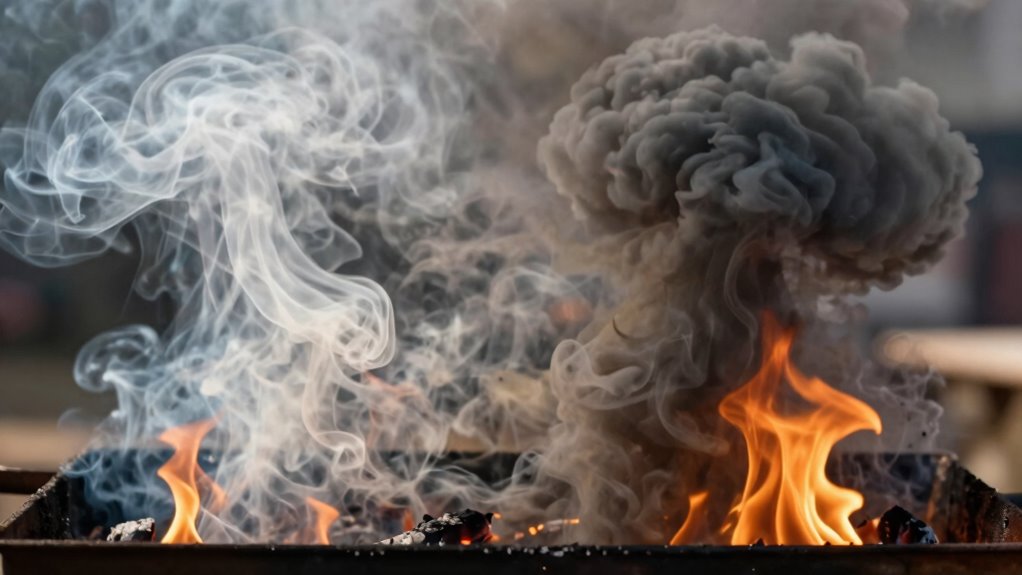
When cooking with smoke, look for a thin, bluish or nearly invisible haze rather than thick white or black smoke. Keep an eye on the smoke flow; steady, consistent smoke indicates proper combustion. Recognizing these signs helps make certain you’re producing clean, flavorful smoke for your food. Additionally, monitoring the fire quality can prevent the formation of harmful smoke and ensure optimal flavor. Being aware of the smoke profile can also help distinguish between clean and dirty smoke, ultimately improving your cooking results. Incorporating connected equipment such as smart grills can provide real-time feedback on smoke quality, further enhancing your ability to produce clean smoke. Understanding the essential oils for smoke can also influence the aroma and flavor profile, ensuring a more enjoyable cooking experience. Paying attention to these factors can help you achieve consistently desirable smoke characteristics during your culinary process.
Visible Smoke Color
Recognizing the color of visible smoke is key to ensuring you’re producing clean smoke during cooking. Clean smoke typically appears thin, almost transparent, with a bluish or light gray tint. This smoke appearance indicates proper combustion and minimal impurities. If the smoke is thick, white, or billowing, it’s a sign of incomplete burning or excess moisture, which can lead to dirty smoke. Clear, wispy smoke suggests your fire is burning efficiently and producing the best flavor without harsh, bitter notes. Pay attention to the smoke color throughout your cooking process. Consistently observing a thin, bluish smoke helps you maintain the ideal combustion environment for clean smoke, ensuring your food absorbs the authentic, smoky flavor without unwanted impurities. Air quality plays a significant role in creating a healthier cooking environment and avoiding the inhalation of harmful pollutants. Additionally, monitoring smoke consistency can help you make real-time adjustments to improve your cooking results. Proper airflow management and ventilation are also crucial in maintaining clean smoke production in your cooking area. Regular maintenance of your cooking equipment can also ensure optimal combustion and reduce the risk of producing dirty smoke, especially in appliances that may develop issues over time.
Consistent Smoke Flow
Maintaining a steady, consistent flow of smoke is vital for achieving the clean, flavorful results you want. When airflow regulation is proper, the smoke density remains steady, producing a smooth, thin stream of smoke. You’ll notice clean smoke flows evenly from your smoker without sudden bursts or irregular puffs. If the smoke is thick and billowy or if airflow is inconsistent, it indicates that the fire isn’t burning efficiently, which can lead to dirty smoke. To recognize clean smoke, look for a gentle, continuous flow that isn’t turbulent or excessive. Proper airflow regulation ensures your smoker produces an even, steady smoke that enhances flavor without introducing harsh or bitter notes. Additionally, understanding how to regulate airflow effectively is essential for maintaining this steady flow and preventing dirty smoke from forming. Controlling airflow involves managing air intake and exhaust, which directly impacts combustion and smoke quality. Steady airflow is fundamental to achieving and maintaining clean smoke during your smoking sessions.
airflow control vents for smoker
As an affiliate, we earn on qualifying purchases.
As an affiliate, we earn on qualifying purchases.
How Dirty Smoke Affects Your Food’s Flavor and Safety
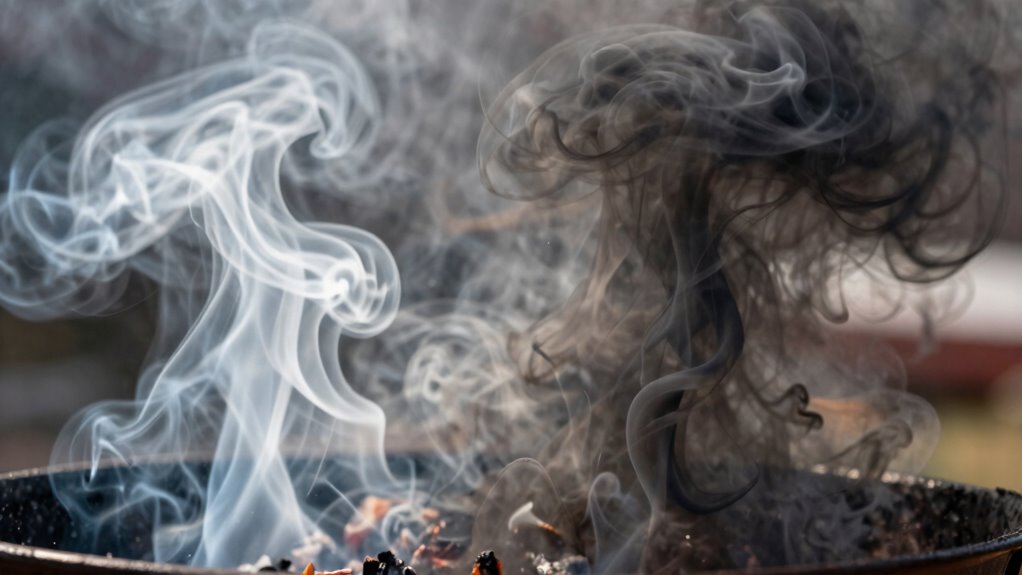
Dirty smoke can substantially compromise both the flavor and safety of your food. Instead of providing a clean, pleasant smoke infusion, it introduces unwanted impurities and chemicals that can lead to off-flavors, making your dish taste bitter or harsh. These contaminants can overshadow the natural aroma and diminish the intended flavor enhancement. More importantly, dirty smoke can pose health risks, as harmful compounds like tar and carcinogens settle on your food. When you use unclean smoke, you risk not only ruining your meal’s taste but also compromising safety. To achieve the best results, pure smoke ensures a pure, consistent smoke infusion, preserving the natural flavors and protecting your health. Proper air purifier maintenance can help prevent the buildup of harmful particles in your environment, ensuring cleaner smoke. Regularly checking your smoke quality can help prevent auditory processing challenges, ensuring a safer and more enjoyable cooking experience. Additionally, using clean smoke can improve overall food quality, making your dishes more flavorful and nutritious. Being mindful of the smoke source and maintaining your equipment can also help avoid contamination risks and ensure your food remains safe to eat.
Tips for Producing Pure, Clean Smoke Every Time
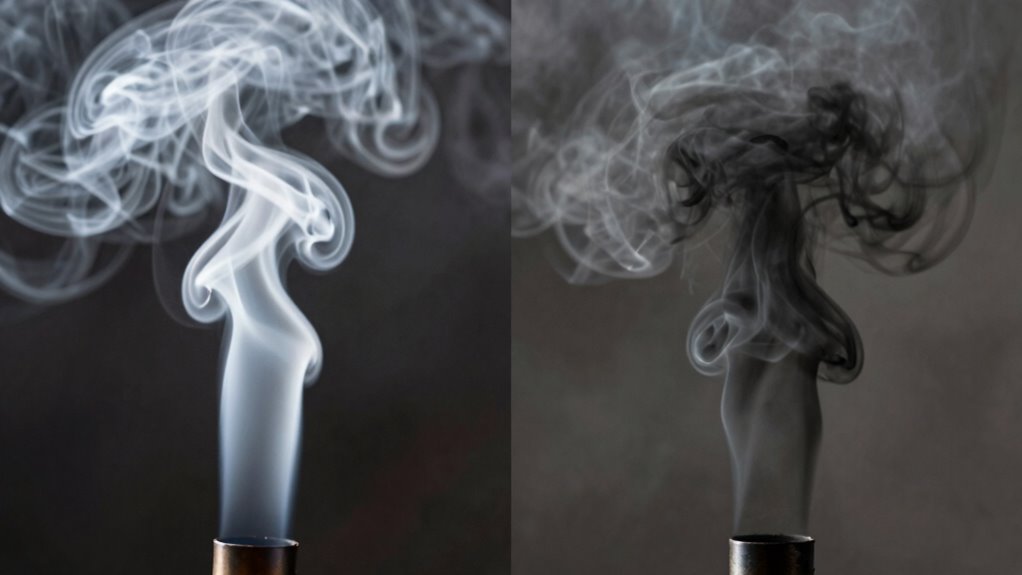
To produce pure, clean smoke every time, start with well-seasoned, dry wood or charcoal, as moisture and impurities can cause incomplete combustion and produce dirty smoke. Choosing quality wood guarantees consistent burn and better smoke output. Opt for hardwoods like oak or hickory, which burn longer and cleaner. Proper wood selection improves fuel efficiency, meaning you’ll get more heat and smoke from less material. Keep your fuel dry and stored properly to prevent excess moisture. Maintain a steady airflow to promote complete combustion, reducing soot and creosote buildup. Regularly clean your smoker to prevent residue buildup that could contaminate your smoke. By focusing on wood selection and efficient burning practices, you’ll consistently generate pure, clean smoke that enhances your flavor profile.
How Wood Type and Moisture Levels Influence Smoke Quality
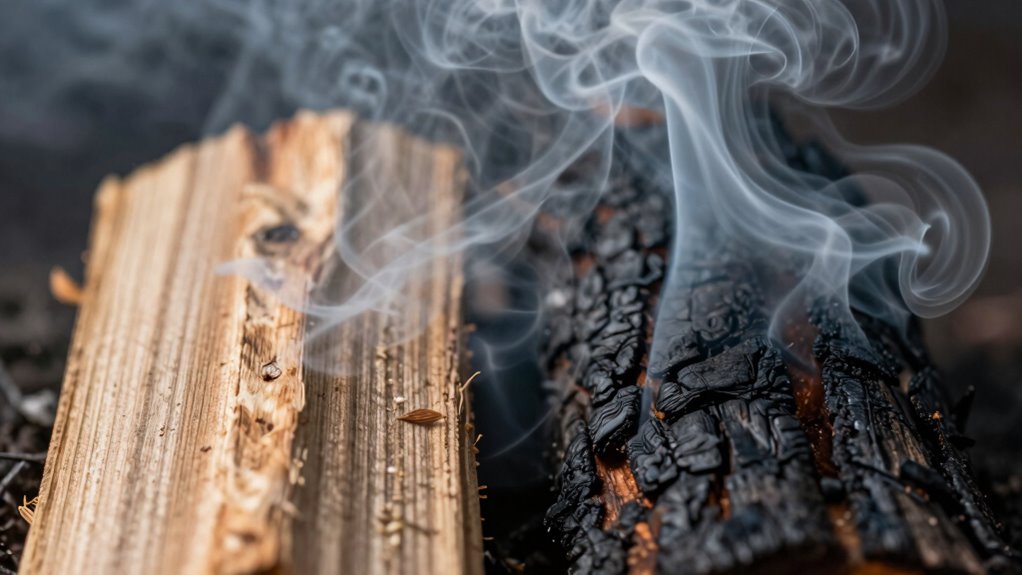
The type of wood you choose considerably affects the flavor and aroma of your smoke. Dry, seasoned wood produces cleaner, more consistent smoke, while moisture-rich wood can create excess creosote and bitter notes. Understanding how wood variety and moisture levels interact helps you achieve the best smoke quality for your cooking.
Wood Type Effects
Different types of wood produce distinct smoke flavors, and the moisture content of your wood considerably influences smoke quality. The wood aroma varies depending on the species, affecting the overall flavor profile of your smoked food. Hardwoods like oak and hickory tend to produce richer, more robust smoke with higher smoke density, enhancing the depth of flavor. Meanwhile, softer woods such as pine can create a lighter, more resinous smoke that may introduce unwanted flavors. The choice of wood impacts not only the aroma but also how clean or dirty the smoke appears, which in turn influences the flavor clarity. Selecting the right wood type guarantees you achieve the desired smoke characteristics, balancing wood aroma with ideal smoke density for a clean smoking process.
Moisture Content Impact
Moisture content plays an essential role in determining the quality of smoke produced from your wood. When your wood has high moisture levels, it creates less efficient combustion, resulting in lower smoke density and dirtier smoke. Excess moisture causes incomplete burning, leading to more creosote and a harsher flavor. Conversely, properly seasoned wood with ideal wood moisture content produces cleaner, more consistent smoke. It burns hotter and more efficiently, which enhances the flavor and reduces undesirable compounds. The right moisture level ensures your smoke is smooth and free from excessive soot or off-flavors. To achieve this, use well-seasoned wood with a moisture content below 20%. Controlling wood moisture is key to producing high-quality smoke that enhances your culinary or smoking experience.
Troubleshooting Dirty Smoke: Solutions When Your Smoke Isn’t Perfect
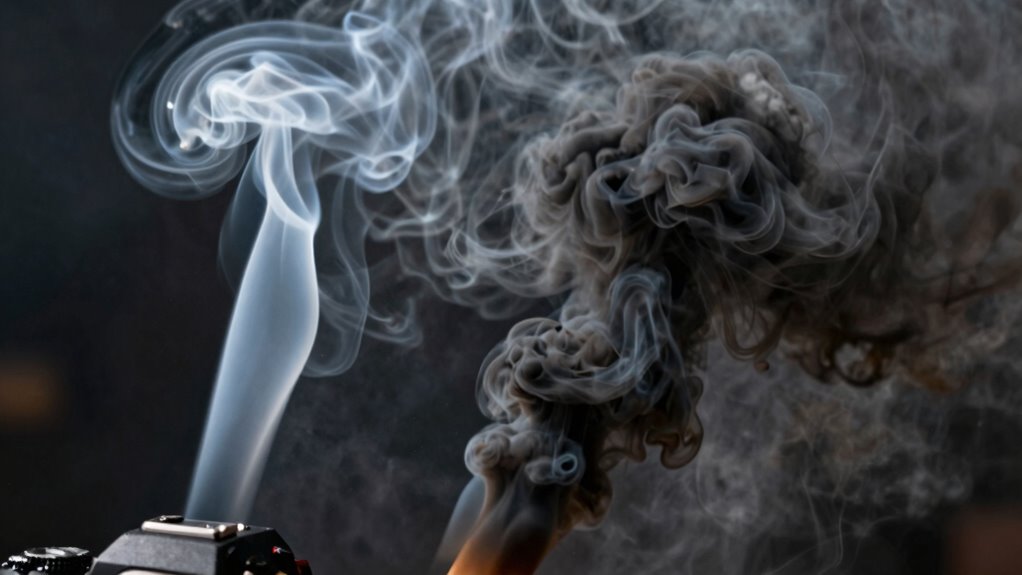
When your smoke turns dirty or off-putting, it can ruin the flavor of your food and frustrate your smoking experience. Dirty smoke can hinder smoke penetration and prevent proper flavor enhancement. To fix this, start by ensuring your fire is producing clean, white smoke—avoid smoky, black, or gray smoke. Check your wood for moisture; wet or green wood creates dirty smoke. Maintain proper airflow and temperature, avoiding smoldering or incomplete combustion. Regularly clean your smoker’s components to eliminate grease and soot buildup. Additionally, use seasoned, dry wood for consistent, clean smoke. These adjustments help you achieve cleaner smoke, ensuring better smoke penetration and more flavorful, evenly smoked food. Troubleshooting these issues keeps your barbecue tasting its best and your smoking process smooth.
Why Clean Smoke Matters for Delicious and Healthy Barbecue
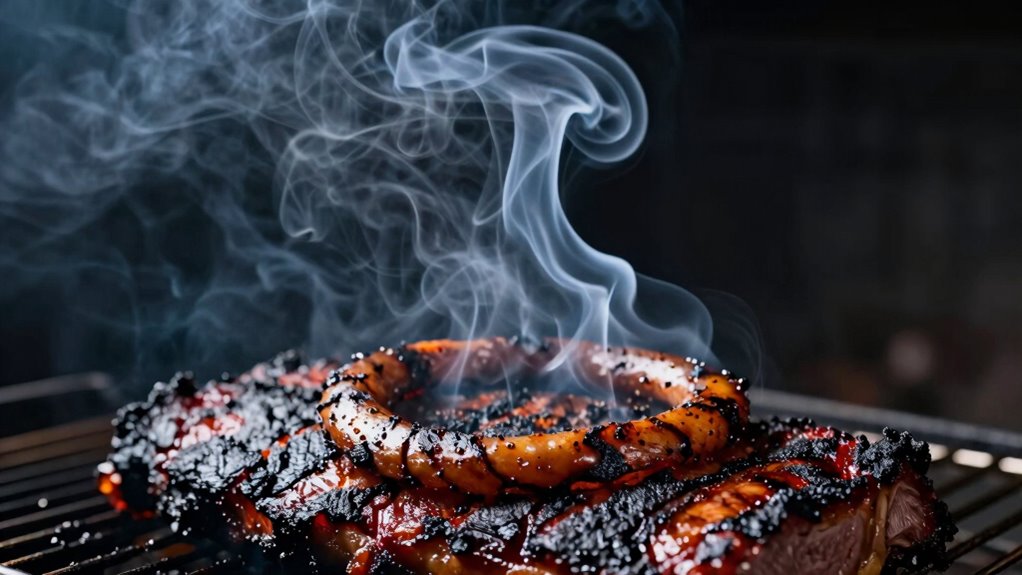
Clean smoke is vital for creating delicious and healthy barbecue because it directly affects the flavor and safety of your food. When you use clean smoke, you guarantee proper flavor infusion, allowing the smoke to enhance your meat without adding unwanted bitterness. The right smoke density is essential; too thick or dirty smoke can overwhelm the meat’s natural flavors and introduce harmful compounds. Clean smoke provides a consistent, mild environment that promotes even cooking and ideal smoke absorption. This results in tender, flavorful barbecue with a clean, smoky aroma. Additionally, avoiding dirty smoke reduces the risk of carcinogens, making your barbecue healthier. By maintaining clean smoke throughout your cook, you assure a superior, safer, and more enjoyable grilling experience.
Frequently Asked Questions
Can Different Types of Fuel Produce Cleaner Smoke?
Yes, different types of fuel can produce cleaner smoke. By carefully selecting the right fuel, you decrease smoke contaminants and achieve a purer, cleaner burn. Hardwoods like oak or hickory generally produce cleaner smoke compared to softwoods or treated fuels, which can emit more contaminants. Proper fuel selection guarantees your smoke stays cleaner, enhancing flavor and reducing harmful emissions, making your smoking process more efficient and enjoyable.
How Does Weather Impact Smoke Quality During Outdoor Smoking?
Did you know that high humidity levels can make smoke feel thicker and less clean? As you smoke outdoors, wind effects become essential—strong gusts can disperse smoke unevenly, causing inconsistent flavors. Wind can also introduce dirt or debris, making the smoke feel dirtier. To maintain quality, position your smoker in a sheltered spot and keep an eye on weather conditions, especially humidity and wind, for ideal smoke flavor.
Is It Safe to Consume Food Cooked With Dirty Smoke?
Consuming food cooked with dirty smoke isn’t safe because it contains smoke contaminants that can pose health risks. These contaminants include harmful chemicals and particulate matter that may lead to respiratory issues or long-term health problems. To guarantee food safety, always use clean, well-ventilated smoke and avoid smoke that appears dirty or thick. Prioritize proper smoking techniques to minimize smoke contaminants and keep your food safe to eat.
How Often Should I Clean My Smoker to Maintain Clean Smoke?
Ever wondered how often you should clean your smoker? To maintain clean smoke, you should ideally follow a regular cleaning schedule—after every few uses or at least once a month if you use it frequently. Regular smoker maintenance prevents dirty smoke, guarantees better flavor, and prolongs your equipment’s life. Don’t wait for buildup to become obvious; staying consistent keeps your smoking experience first-rate and your food tasting great.
Are There Any Natural Additives That Improve Smoke Purity?
You can use natural additives and smoke enhancers like herbs, fruit peels, or wood chips soaked in water to improve smoke purity. These natural options help produce cleaner, more flavorful smoke by reducing impurities and promoting complete combustion. Just add these to your smoker carefully, and you’ll notice a smoother, purer smoke that enhances your food’s flavor without introducing unwanted contaminants.
Conclusion
Think of clean smoke like a clear mountain stream—pure and invigorating. When you master producing clean smoke, your barbecue will shine with authentic flavor and safety. It’s all about understanding how your techniques and ingredients affect smoke quality. Don’t let dirty smoke cloud your cooking; instead, aim for that pristine, blue-hued wisps that make every bite better. With a little practice, you’ll turn your grill into a flavor-packed, healthy feast that everyone will love.
Halloween Picks
halloween
As an affiliate, we earn on qualifying purchases.