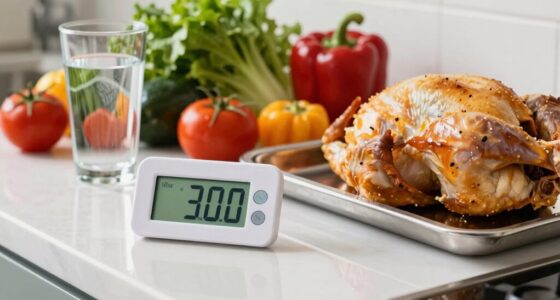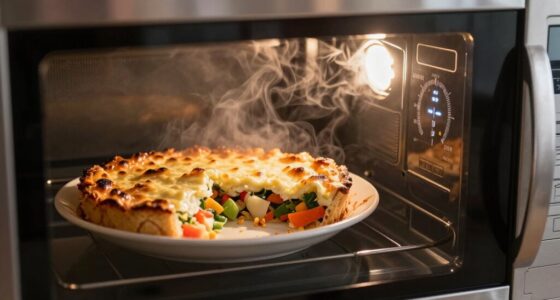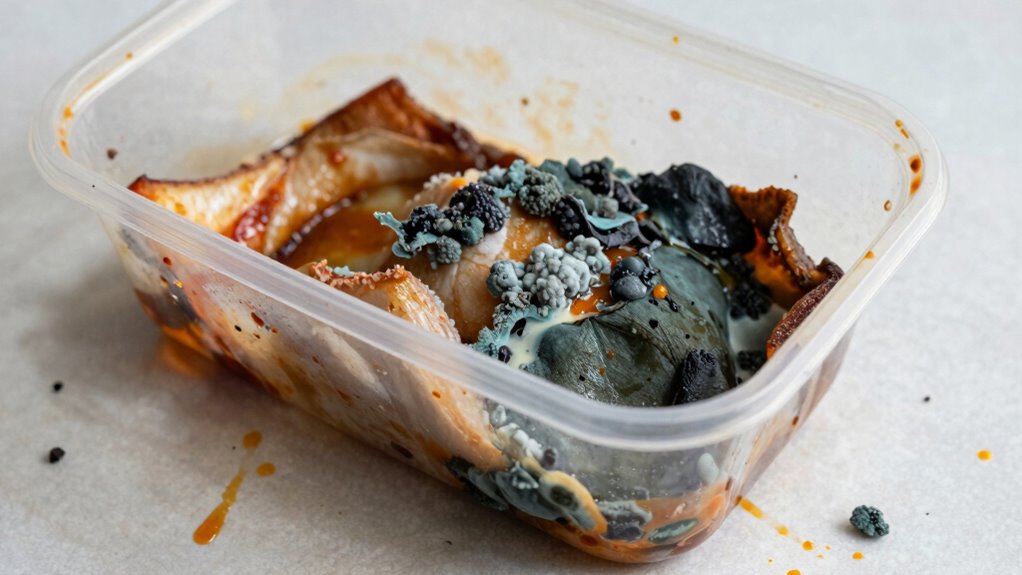

Leftovers go bad faster than you think mainly because bacteria thrive between 40°F and 140°F, especially if food is left out too long. Improper storage, like not using airtight containers or leaving food at room temperature, accelerates spoilage. Even small temperature fluctuations or slow cooling can create safe havens for bacteria. Properly storing leftovers at the right temperature and using the correct containers can greatly extend their freshness. Keep going, and you’ll discover more tips to keep your food safe longer.

Get kitchen staples and gadgets delivered free with Prime
- Fast, free delivery on millions of items
- Prime Video, Amazon Music and more included
- Member-only deals all year
Key Takeaways
- Bacteria grow rapidly between 40°F and 140°F, especially if leftovers are left out too long.
- Improper cooling and storage containers expose food to air and moisture, speeding spoilage.
- Inadequate refrigerator temperatures allow bacteria to multiply faster, reducing leftovers’ freshness.
- Reheating leftovers without reaching 165°F can leave bacteria alive, causing spoilage.
- Not dividing leftovers into smaller portions slows cooling, increasing bacteria growth risk.
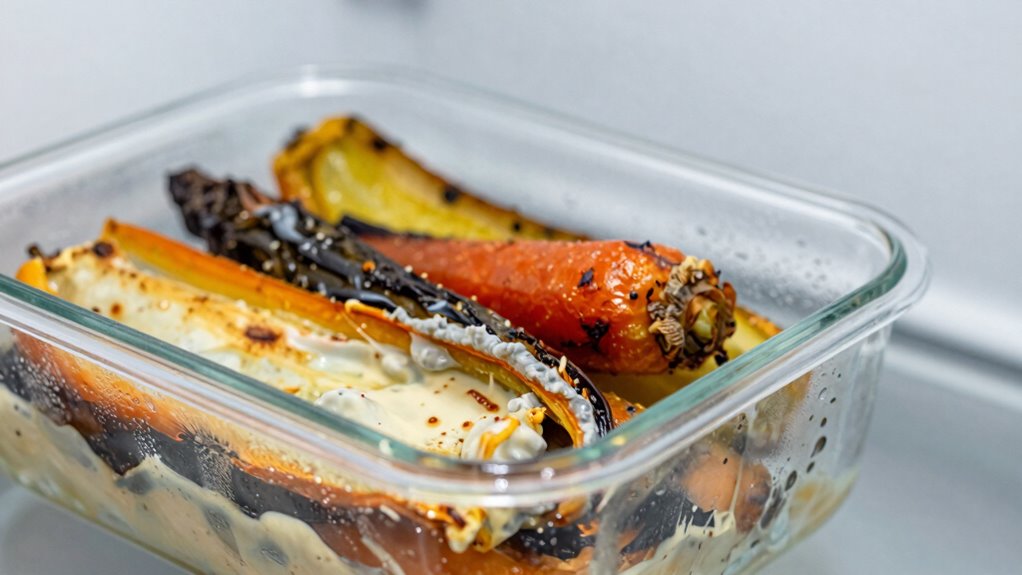
Have you ever wondered why some leftovers spoil quickly while others last longer? It all comes down to how you handle food preservation and your storage techniques. When you don’t store leftovers properly, bacteria and mold can grow faster, turning what should be a tasty meal into waste in no time. To maximize freshness and safety, understanding the right storage methods is vital.
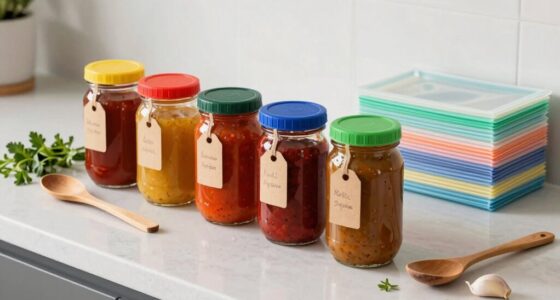
First, think about how quickly leftovers can deteriorate if left out at room temperature. Bacteria thrive between 40°F and 140°F, so leaving food out for more than two hours markedly increases the risk of spoilage. To prevent this, you need to refrigerate or freeze leftovers promptly. Using airtight containers is a smart storage technique because it limits exposure to air and moisture, both of which accelerate spoilage. Glass or plastic containers with tight-fitting lids are ideal, as they help maintain the food’s quality and prevent odors from spreading in your fridge. Proper food storage practices, such as cooling leftovers quickly, are essential to slow bacterial growth.
Another key aspect of food preservation is knowing the right temperature to store different types of leftovers. Most cooked foods should be kept at or below 40°F. If your refrigerator isn’t cold enough, leftovers won’t last as long. Conversely, freezing extends their lifespan considerably—sometimes up to several months. When freezing, use freezer-safe containers or wraps, and make sure to remove as much air as possible to prevent freezer burn. Labeling leftovers with dates helps you keep track of their freshness and avoid consuming spoiled food. Additionally, understanding food safety practices, such as proper reheating and storage, can further reduce the risk of spoilage.
Additionally, portioning leftovers into smaller containers can improve their longevity. Smaller portions cool faster and are easier to reheat, reducing the risk of bacteria growth during the cooling process. When reheating leftovers, ensure they reach an internal temperature of 165°F to kill any bacteria that might have developed. This step is vital for food safety and helps prevent foodborne illnesses. Using a food thermometer is a reliable way to check that leftovers are reheated to a safe temperature.
Your habits around storing leftovers directly influence how quickly they spoil. The right storage techniques—like rapid cooling, proper sealing, and maintaining correct refrigerator temperatures—are your best tools to extend the life of your food. When you pay attention to these details, you’re less likely to waste good food and more likely to enjoy your leftovers safely over several days. So next time, take a moment to store your leftovers properly; it’s a simple step that makes a big difference in freshness and safety.
airtight food storage containers
As an affiliate, we earn on qualifying purchases.
As an affiliate, we earn on qualifying purchases.
Frequently Asked Questions
How Does the Type of Container Affect Leftover Storage?
The type of container impacts leftover storage by affecting material permeability and container size. You should choose airtight containers made of non-permeable materials like glass or certain plastics to keep moisture and air out, slowing spoilage. Smaller containers help by limiting air exposure and reducing the space for bacteria to grow. Using the right container keeps your leftovers fresher longer, preventing faster spoilage caused by improper storage.
Can Reheating Leftovers Make Them Last Longer?
Reheating leftovers doesn’t make them last longer; it’s more about food safety. When you reheat leftovers properly, you kill bacteria, reducing the risk of illness. However, reheated food should be eaten promptly, as bacteria can grow again. Using good storage techniques—like airtight containers and proper refrigeration—helps keep leftovers safe longer. Always reheat to the right temperature and avoid leaving leftovers at room temperature too long.
What Is the Ideal Temperature to Store Leftovers?
You should store leftovers at 40°F (4°C) or below to guarantee food safety and prevent bacteria growth. Use a thermometer to check your fridge’s temperature regularly. Follow proper storage tips by dividing large portions into smaller containers, sealing them tightly, and labeling with dates. Keeping leftovers at the right temperature helps them stay fresh longer, reducing waste and keeping your meals safe to eat.
Do Leftovers Lose Nutrients Over Time?
You might wonder if leftovers lose nutrients over time, and the answer is yes—nutrient degradation happens gradually. As days pass, vitamins and minerals diminish, affecting freshness preservation and nutritional value. If you want to maximize benefits, consume leftovers soon after refrigeration. The longer they sit, the more you risk sacrificing essential nutrients, so it’s best to eat them sooner rather than later to enjoy both freshness and health benefits.
How Can I Tell if Leftovers Are Still Safe to Eat?
You can tell if leftovers are still safe by checking for signs of food poisoning and mold growth. Look for a sour or off smell, slimy texture, or visible mold. If the leftovers have been in the fridge for more than 3-4 days or smell strange, it’s safest to discard them. Eating spoiled leftovers can cause food poisoning, so trust your senses and err on the side of caution.
As an affiliate, we earn on qualifying purchases.
Conclusion
So, next time you’ve got leftovers, remember to store them properly, label them clearly, and consume them promptly. Don’t wait until they smell or look off—trust your senses and act quickly. Keep leftovers fresh by refrigerating promptly, reheating thoroughly, and eating within a safe timeframe. Treat your food with care, respect its life cycle, and avoid waste. Because, in the end, safe leftovers are fresh leftovers, and fresh leftovers make happy, healthy meals.
As an affiliate, we earn on qualifying purchases.
As an affiliate, we earn on qualifying purchases.
NFL season / tailgating Picks
team gear
As an affiliate, we earn on qualifying purchases.