Washing knives in a dishwasher can cause more damage to their edges and handles than handwashing, due to high heat, abrasive detergents, and powerful water jets that weaken and dull blades over time. Impact from water pressure and chemicals can create chips, surface erosion, and corrosion, reducing sharpness and safety. To keep your knives in top shape, it’s best to hand wash and properly store them. Continue here to discover how to protect and extend your knives’ lifespan.
Key Takeaways
- Dishwashers expose knives to high heat, abrasive detergents, and water jets that accelerate dulling, chipping, and surface erosion.
- Handwashing with gentle techniques preserves blade edges by avoiding harsh chemicals and excessive water pressure.
- Dishwasher damage often shows as surface pitting, micro-damage, and handle deterioration, reducing cutting efficiency.
- Proper handwashing and immediate drying prevent corrosion, surface pitting, and maintain blade sharpness over time.
- Regular honing and safe storage extend knife lifespan, whereas dishwasher use increases the risk of edge damage and dullness.

Intelitopia Complete Knife Sharpening Stone Set – Dual Grit Whetstone 400/1000 3000/8000 Knife Sharpener with Leather Strop, Flattening Stone, Bamboo Base, 3 Non-slip Rubber Bases & Angle Guide
【Complete Knife Sharpening Stone Kit】You don't need to be a Pro to sharpen your blades, all you need…
As an affiliate, we earn on qualifying purchases.
As an affiliate, we earn on qualifying purchases.
Why Dishwashers Harm Knife Edges and How to Avoid It

Dishwashers can damage knife edges because the high heat, strong detergents, and vigorous water jets wear down the blade over time. This constant exposure can misalign the blade, leading to dullness and uneven cutting. Additionally, the force of water can cause the handle to loosen or crack, reducing handle durability and making the knife unsafe to use. Over time, the repeated impact and harsh cleaning environment cause the metal to chip or bend, further impairing blade alignment. The abrasive action of dishwasher detergents and water pressure can accelerate blade dulling and damage. To avoid this damage, it’s best to keep knives out of the dishwasher. Proper care preserves blade sharpness, maintains handle integrity, and ensures your knives stay safe and effective for years. Protect your investment by handwashing and storing knives carefully. European standards for sustainable and secure kitchen tools emphasize gentle cleaning methods to extend product lifespan, including gentle cleaning methods that minimize wear on blades and handles. Recognizing that proper knife maintenance is essential for longevity, handwashing is highly recommended over dishwasher cleaning.
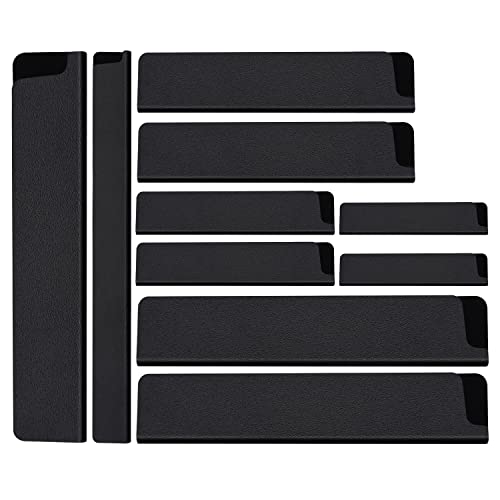
10pcs Universal Knife Edge Guards Set, Non-BPA Knife Sheath, Gentle on Your Blades
【Size and Quantity】- The package includes 2pcs of 4.7" x 1", 2pcs of 6.3" x 1.3", 2pcs of…
As an affiliate, we earn on qualifying purchases.
As an affiliate, we earn on qualifying purchases.
Protect Your Knives: Proper Handwashing Techniques
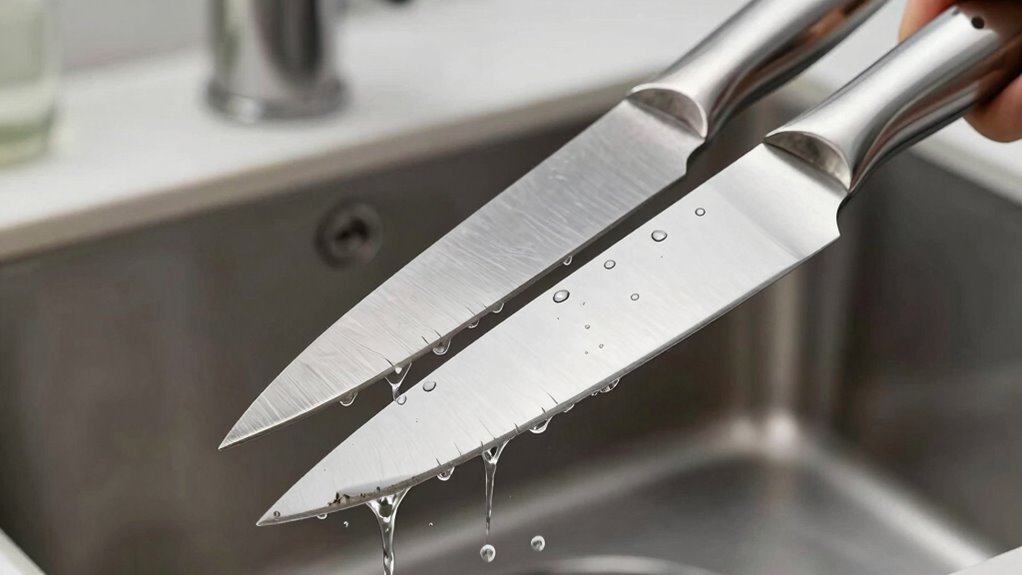
To keep your knives in top condition, it’s vital to use proper handwashing techniques. Start by rinsing your knife immediately after use to prevent food from drying on the blade. Use warm water and a mild dish soap, avoiding abrasive cleaners that can damage the edge. When washing, hold the knife by the handle and carefully clean along the blade’s length, avoiding direct contact with the edge. Always wash knives separately from other utensils to prevent accidental cuts and promote handwashing safety. Dry your knives immediately with a soft towel to prevent rust and maintain sharpness. Proper knife maintenance through careful handwashing extends your blades’ lifespan and keeps them performing their best. Additionally, air purifier maintenance can help ensure a safe and clean environment for food preparation. Regular blade sharpening is essential to maintain optimal cutting performance and safety. Also, using proper storage solutions can help protect your knives from dulling or damage when not in use. Incorporating appropriate cleaning tools into your routine can further safeguard the integrity of your blades.

AccuSharp Knife Sharpener, Ergonomic Comfortable Handle, Compact & Easy to Use, Restore and Hone Straight & Serrated Knives, White
EASY TO USE KNIFE SHARPENER: This is the perfect knife sharpener for chef’s knives, paring knives, serrated knives,…
As an affiliate, we earn on qualifying purchases.
As an affiliate, we earn on qualifying purchases.
Common Dishwasher Hazards That Dull Knife Edges

Even when you rely on your dishwasher for convenience, it’s important to recognize how the process can harm your knives. Dishwasher cycle settings, especially high heat and aggressive drying, can weaken knife handle materials like plastic or resin, causing warping or loosening. Sharp blades often get dulled when they rub against other utensils or the dishwasher’s racks, especially if the racks have rough or damaged surfaces. Additionally, harsh detergents can degrade certain handle materials over time, making the knife less stable and more prone to damage. The combination of strong water jets and abrasive wear in dishwashers accelerates edge dulling. To preserve your knives, avoid choosing heavy-duty cycles and consider handwashing, especially for knives with delicate handle materials or those you want to keep sharp longer.

Cook N Home Acacia Wood Knife Storage Block without Knives, 20 Slot Universal Knife Holder Countertop Butcher Block Knife Stand for Easy Kitchen Storage
Acacia Wood Knife Block: The Cook N Home knife block is made of acacia wood and has 20…
As an affiliate, we earn on qualifying purchases.
As an affiliate, we earn on qualifying purchases.
How Water Pressure and Detergents Damage Knife Blades

High water pressure in dishwashers can force water and detergent into tiny cracks and crevices on your knives, causing surface erosion over time. Strong detergents may accelerate corrosion, weakening the blade’s metal. Together, these factors can markedly damage your knives if you’re not careful. Additionally, using essential oils in cleaning routines is not recommended, as they can degrade certain materials and compromise blade integrity. Proper piercing care and hygiene practices can also help prevent corrosion and damage to blades that are frequently cleaned or exposed to moisture. Moreover, understanding Lifevest Advisors guidelines on safe investment practices can inform better maintenance and care strategies for your valuable cutlery. Being aware of ventilation considerations can also help in reducing moisture buildup around your tools, further protecting your knives from damage. It’s important to understand the impact of cookies and how they influence website functionality and user privacy.
Water Pressure Impact
Water pressure and detergents can considerably impact the sharpness and longevity of your knife blades. High water flow in dishwashers subjects blades to strong force, which can cause chips or micro-damage over time. Pressure fluctuations during cycles create inconsistent force, risking blade deformation or dulling. When water hits the edge at high speed or with sudden changes, it can loosen microscopic sharpness or cause tiny cracks. Additionally, water pressure impact can accelerate edge wear, especially when combined with harsh detergents. Proper knife cleaning techniques and gentle rinsing can help mitigate these effects. Handwashing allows you to control water pressure, gently rinsing knives without risking undue stress. Conversely, dishwashers’ relentless water jets can accelerate edge wear. Understanding how water pressure impacts your knives helps you decide whether to hand wash or use the dishwasher, ultimately protecting your blades from unnecessary damage caused by forceful water flow and fluctuating pressure. Proper maintenance practices can significantly extend the life of your knives and preserve their cutting performance. For optimal care, consider the material composition of your knives, as some materials are more resistant to pressure-induced damage than others.
Detergent Corrosion Risks
While detergents are essential for cleaning, they can also pose a risk to your knife blades, especially when combined with the force of water in dishwashers. Many detergents contain chemicals that can cause chemical etching on metal surfaces, weakening the blade’s edge over time. Additionally, the pH imbalance in some detergents can accelerate corrosion, leading to pitting and dulling. When exposed repeatedly, this chemical interaction damages the integrity of your knives, making them more prone to chipping and dullness. Modern smart home devices, such as energy management systems, can help monitor and optimize water temperature and pressure to reduce potential damage during cleaning. Handwashing with mild soap minimizes these risks by reducing chemical exposure and avoiding harsh pH levels. To preserve your knives’ sharpness, consider limiting dishwasher use and opting for gentle cleaning methods.
Blade Surface Erosion
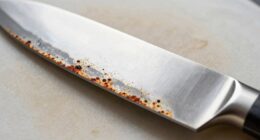
Even gentle water pressure combined with harsh detergents can wear down your knife blades over time. This surface erosion leads to blade corrosion and surface pitting, both damaging your knife’s effectiveness. To understand how this occurs, consider:
- Water pressure can cause microscopic nicks on the blade surface, accelerating pitting.
- Harsh detergents strip protective layers, exposing metal to corrosion.
- Frequent exposure to moisture creates a cycle of rust formation.
- Small surface imperfections become breeding grounds for corrosion, weakening the blade’s integrity.
- Proper care and understanding of surface erosion can help prevent long-term damage to your knives. Additionally, regular maintenance and appropriate cleaning techniques can significantly reduce metal degradation and extend the lifespan of your blades.
Over time, these factors erode the smoothness of your blade, making it dull faster and more prone to damage. Proper care prevents surface pitting and preserves your knife’s sharpness and lifespan.
How to Tell If Your Knife Is Dull and When to Resharpen

You can spot a dull knife by looking for visual signs like nicks or a bent edge. If your cuts start to look uneven or require more pressure, it’s a clear sign performance has dropped. Recognizing these changes helps you know when it’s time to resharpen your blade. Additionally, understanding knife maintenance can extend the lifespan of your blades and improve cutting efficiency.
Visual Dullness Indicators
A dull knife often reveals itself through subtle visual cues that are easy to overlook. To spot dullness, check for these indicators:
- Dull reflections – The blade no longer reflects light clearly, indicating a loss of sharpness.
- Chipped or nicked edges – Small imperfections or chips can dull the appearance, especially on softer blade materials.
- Uneven blade surface – A matte or cloudy look can suggest wear, impacting kitchen aesthetics.
- Visible dullness or scratches – Fine scratches or cloudiness signal blade degradation, reducing cutting performance.
These visual cues help you assess when to resharpen or replace your knife. Keep in mind that blade material influences how easily it shows dullness—softer metals may dull faster and display more visual signs, affecting both function and kitchen aesthetics.
Cutting Performance Changes
Visual cues like dull reflections and scratches can help you spot a dull knife, but the real test lies in how it performs during cutting tasks. If your knife requires more pressure or slips easily, it’s likely experiencing metal fatigue or edge deformation. You might notice uneven or chipped edges, which indicate the blade has lost its original geometry. When these signs appear, it’s time to resharpen. A dull knife not only slows down prep work but also increases the risk of accidents. Regularly assess your knife’s cutting performance to catch early signs of dullness, ensuring safer, more precise cuts and prolonging the life of your blade. Proper maintenance of your knives can help prevent premature dulling and extend their usability.
Tips to Keep Your Knives Sharp Longer

Maintaining a sharp knife requires more than just regular honing; proper care and technique are essential. To improve your knife maintenance and edge preservation, follow these tips:
- Always hand wash your knives with warm, soapy water and dry immediately to prevent corrosion.
- Use a honing steel regularly to realign the edge and keep it sharp between sharpenings.
- Avoid cutting on hard surfaces like glass or stone; opt for wood or plastic cutting boards.
- Store knives properly in a knife block or on a magnetic strip to prevent unnecessary edge damage.
- Incorporate proper storage methods to further protect your knives’ edges and extend their lifespan.
Best Storage Options to Protect Your Knife Edges

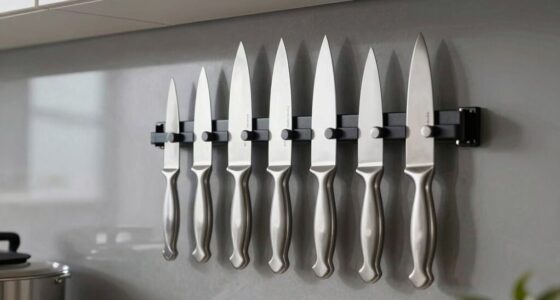
Proper storage plays a vital role in keeping your knives sharp and in top condition. Using magnetic strips allows you to securely hang knives, preventing blades from knocking against other utensils or surfaces that can cause dulling or damage. This method keeps your knives easily accessible while minimizing contact, which preserves their edges. Alternatively, protective sheaths or blade guards offer a safe, enclosed environment for storage, shielding blades from bumps and accidental nicks. Both options reduce friction and prevent unnecessary wear, helping your knives stay sharper longer. Make certain your storage solution is stable and accessible, so you handle your knives carefully and avoid dulling or damaging the edges over time. Proper storage techniques are also essential for maintaining safety in your kitchen. Proper storage is an investment in your knives’ longevity and performance.
Final Tips for Extending Your Knife’s Lifespan

To maximize your knife’s lifespan, focus on consistent maintenance habits and mindful use. Proper knife maintenance guarantees your blades stay sharp and edges remain intact. Here are key tips:
- Regularly hone your knife to realign the edge using a honing rod.
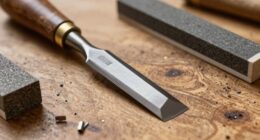
- Use correct sharpening techniques with a whetstone or professional sharpener when needed.
- Avoid dishwashers; handwash with mild detergent and dry immediately to prevent corrosion.
- Store knives properly in a knife block or on a magnetic strip to prevent edge damage.
Frequently Asked Questions
Can Dishwasher Detergents Cause Corrosion on Knife Blades?
Dishwasher detergents can cause corrosion on knife blades, especially if they contain harsh chemicals like bleach or high alkalinity. These detergents strip away protective coatings and weaken the metal over time, leading to rust and corrosion. To prevent this, avoid putting high-quality or delicate knives in the dishwasher. Instead, hand wash them with mild soap and dry thoroughly to preserve their sharpness and prevent knife corrosion.
Are Ceramic Knives More Resistant to Dishwasher Damage Than Steel Ones?
Ceramic knives are about 10 times more resistant to dishwasher damage than steel ones, thanks to their ceramic resilience. You’ll find that steel vulnerability leads to edge chipping and dulling from dishwasher detergents and high heat. So, if you want to preserve your knives’ sharpness and integrity, handwashing is the smarter choice, especially for steel blades, whereas ceramic knives can tolerate more dishwasher cycles without significant damage.
How Does Water Temperature Affect Knife Edge Durability?
Higher water temperature can harm your knife’s edge, reducing its durability over time. Hot water speeds up metal fatigue and can cause the edge to chip or dull faster. To preserve your knife’s edge, it’s best to wash with warm or cool water instead of hot. Proper water temperature helps maintain edge preservation, keeping your knives sharper longer and preventing unnecessary damage.
Is Hand Drying Knives More Beneficial Than Air Drying?
You can’t judge a book by its cover, so when it comes to drying knives, hand drying is more beneficial for their longevity. Drying techniques matter because moisture can cause rust and corrosion, dulling the edge faster. By thoroughly drying your knives with a soft towel, you prevent water spots and corrosion, ultimately preserving sharper edges and extending their lifespan. Air drying might seem convenient, but it doesn’t offer the same level of protection.
Do Specific Knife Materials Require Special Cleaning Methods?
Certain knife materials, like high-carbon steel and specialty alloys, require specific cleaning methods due to their sensitivity. You should avoid dishwasher cleaning for these, as harsh detergents and high heat can damage the edge and cause rust. Instead, hand wash with mild soap, dry immediately, and avoid abrasive scrubbers. For ceramic or laminated blades, follow manufacturer guidelines, as some materials need gentle cleaning to maintain their integrity and compatibility.
Conclusion
To keep your knives singing sharp and true, treat them like treasured secrets passed down through generations. Avoid the dishwasher’s harsh whirlpools and embrace gentle handwashing, like a tender caress. Store them wisely, shielded from the chaos of everyday life. With care, your blades will stay fierce and beautiful, ready to dance through your culinary adventures. Cherish your knives, and they’ll forever be your trusted partners in creating magic in the kitchen.