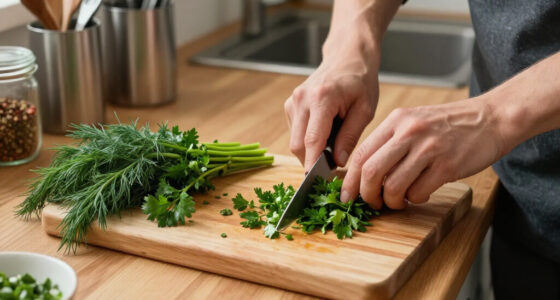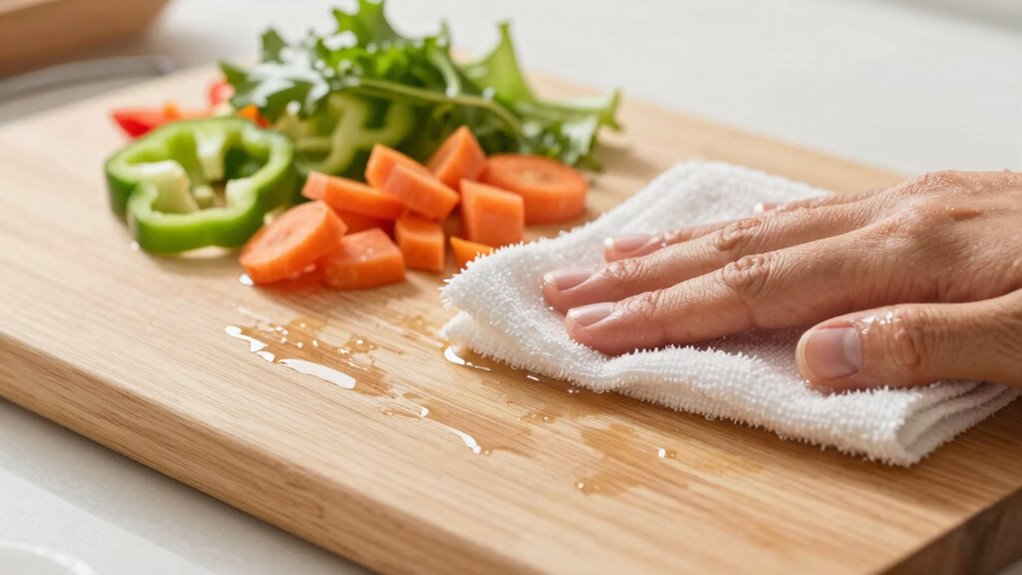

To prevent cross-contamination, you should clean your cutting board thoroughly after each use with hot, soapy water or a sanitizer suitable for food surfaces. Regularly sanitize with a vinegar solution or commercial disinfectant, especially after chopping raw meat or seafood. Use separate cutting boards for different food types to avoid bacteria transfer. Proper storage and sharp knives also help maintain hygiene and safety. Continue exploring simple routines that keep your kitchen safe and contamination-free.
Key Takeaways
- Clean and sanitize cutting boards thoroughly after each use to remove bacteria and prevent cross-contamination.
- Use separate cutting boards for raw meats, vegetables, and cooked foods to avoid pathogen transfer.
- Wash cutting boards with hot, soapy water and disinfect with a vinegar or bleach solution regularly.
- Allow cutting boards to dry completely before storing to inhibit bacterial growth.
- Inspect and replace damaged or stained boards to maintain hygiene and prevent bacterial harboring.
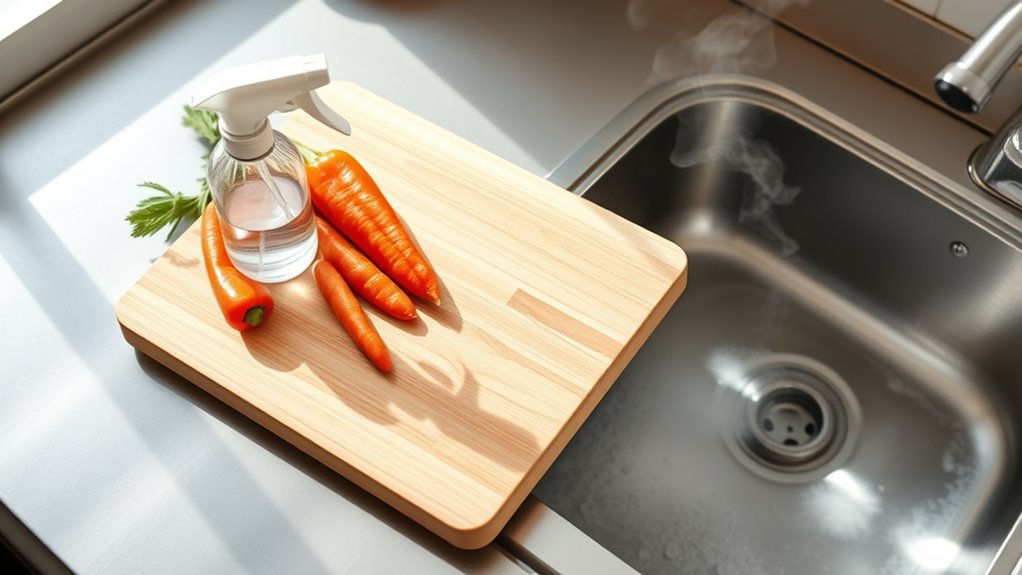
A clean cutting board is essential for safe food preparation. It’s the foundation of good kitchen sanitation, helping prevent the spread of bacteria and cross-contamination. But just cleaning your board isn’t enough—you also need to pay attention to knife maintenance. Sharp knives not only make cutting easier but also reduce the risk of accidents and minimize damage to your cutting surface. Dull blades require more force, which can lead to slipping and potential contamination. Keeping your knives sharp ensures you’re cutting precisely and safely, contributing to overall kitchen hygiene. Understanding filtration and surface safety can further enhance your kitchen sanitation practices. Additionally, using proper cleaning techniques for your knives and cutting surfaces can effectively eliminate residues and bacteria, further supporting a hygienic environment. Proper surface sanitation practices are vital to prevent bacterial growth and cross-contamination between different types of food.
A clean cutting board and sharp knives are key to safe, hygienic food preparation.
Maintaining your knives is straightforward but often overlooked. Regularly hone your blades with a honing steel to realign the edge, and sharpen them as needed—typically every few months, depending on usage. Use proper cutting techniques to avoid unnecessary blade damage, and wash your knives carefully after each use, avoiding dishwasher cleaning unless the manufacturer states it’s safe. Proper knife care reduces the chances of bacteria being transferred from the blade to your food, especially when switching between raw meats and vegetables. Incorporating proper storage solutions can also help prevent blade damage and maintain hygiene. When you keep your knives in top condition, you’re supporting your efforts to maintain a hygienic kitchen environment.
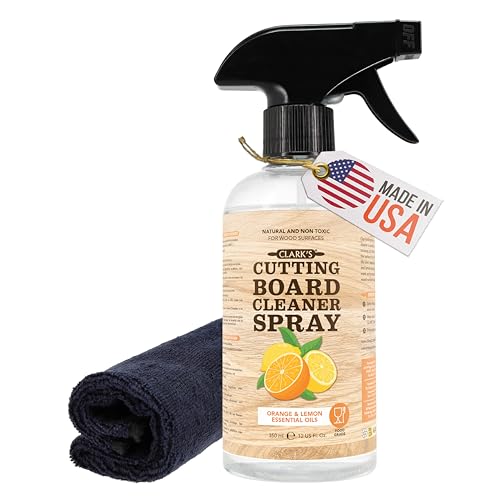
CLARK'S Natural Cutting Board Spray Cleaner 12oz, with Microfiber Cloth, for Wood Countertop – Pure Ingredients Filtered Water, Distilled Vinegar, Castile Soap, Lemon & Orange Citrus Oil Extracts
- Natural Ingredients: Filtered water, vinegar, castile soap, citrus oils
- Versatile Usage: Cleans cutting boards, utensils, countertops, floors
- Chemical-Free Formula: No harmful chemicals, food-grade mineral oil
As an affiliate, we earn on qualifying purchases.
As an affiliate, we earn on qualifying purchases.
Frequently Asked Questions
How Often Should I Replace My Cutting Board for Optimal Hygiene?
You should replace your cutting board when it shows deep cuts or stains that harbor bacteria, typically every 1-3 years for plastic and every 5-7 years for wood. Follow a hygiene maintenance schedule by thoroughly cleaning and sanitizing after each use. Regularly inspect your board, and don’t hesitate to replace it sooner if it becomes excessively worn or damaged, ensuring safe food prep and reducing cross-contamination risks.
Can Plastic Cutting Boards Harbor More Bacteria Than Wooden Ones?
Plastic boards can harbor more bacteria than wooden ones because they have higher bacterial retention due to material porosity. Plastic’s smooth surface can trap bacteria in tiny cuts and scratches, making it harder to clean thoroughly. Wooden boards, with their natural grain, tend to resist bacteria better and are easier to sanitize because their porosity allows bacteria to be absorbed and removed more effectively.
Are Antibacterial Cutting Boards More Effective Than Regular Ones?
Antibacterial cutting boards are generally more effective than regular ones because their antibacterial coating can reduce microbial resistance and inhibit bacterial growth. You benefit from added protection against cross-contamination, especially when handling raw meat or fish. However, it is crucial to clean them properly, as the antibacterial properties aren’t a substitute for thorough washing. Using these boards, combined with good hygiene practices, helps keep your kitchen safer.
What Are the Best Methods to Sanitize a Cutting Board?
Think of sanitizing your cutting board like giving it a fresh start. To guarantee food safety, wash it with hot, soapy water after each use. For deep cleaning, use a mixture of white vinegar and water or a bleach solution (1 tablespoon bleach per gallon of water). Rinse thoroughly, dry with a clean towel, and regularly replace wooden boards. These cleaning techniques keep your food safe and prevent cross-contamination.
Does the Color Coding of Cutting Boards Prevent Cross-Contamination?
Yes, color coding substantially helps prevent cross-contamination and improves food safety. By assigning specific colors to different food types—like red for raw meat and green for vegetables—you reduce the risk of transferring harmful bacteria between foods. This visual system keeps your kitchen organized and ensures you use the right cutting board for each task, making your food prep safer and more efficient.

FARBERWARE Large Cutting Board, Dishwasher- Safe Plastic Chopping Board for Kitchen with Easy Grip Handle, 11in by 14in, White
- Material: Polypropylene plastic, stain-resistant, gentle on knives
- Reversible Design: Double-sided with hand hole for control
- Versatile Use: Suitable for meats, poultry, fish, and vegetables
As an affiliate, we earn on qualifying purchases.
As an affiliate, we earn on qualifying purchases.
Conclusion
By following these simple cutting board hygiene tips, you’re not just protecting your kitchen—you’re safeguarding your loved ones from unseen dangers. Think of your cutting board as the silent guardian of your health; neglect it, and unseen threats can spread like wildfire. But with a mindful routine, you hold the power to prevent cross-contamination. Make this small habit your shield, and turn your kitchen into a fortress of safety and care—because their well-being is worth it.
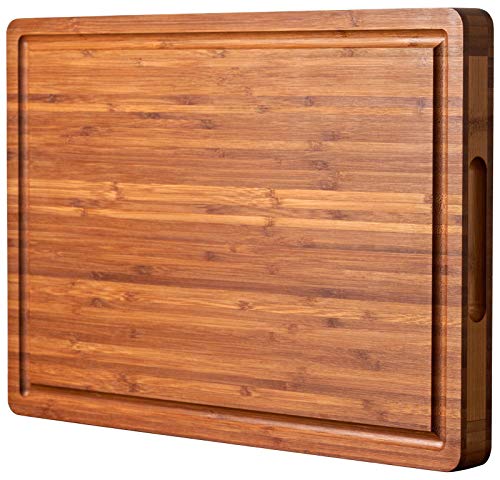
Allsum Bamboo Wood Cutting Board for Kitchen, 1" Thick Butcher Block, Cheese Charcuterie Board, with Side Handles and Juice Grooves, 16×11"
- Material: Premium organic bamboo
- Thickness: 1 inch thick
- Durability: Resists heavy-duty carving and chopping
As an affiliate, we earn on qualifying purchases.
As an affiliate, we earn on qualifying purchases.

Utopia Kitchen Knife Sharpener Rod 12 Inch, Professional Honing Rod for Knife Sharpening with Hanging Hook, Black
- Premium Steel Construction: Carbon steel with nickel-chrome plating
- Universal Compatibility: Suitable for all knife types
- Ergonomic Non-Slip Handle: Comfortable grip with slip-resistant base
As an affiliate, we earn on qualifying purchases.
As an affiliate, we earn on qualifying purchases.