TL;DR

Get kitchen staples and gadgets delivered free with Prime
- Fast, free delivery on millions of items
- Prime Video, Amazon Music and more included
- Member-only deals all year
The best lunch box containers for kids combine safety, durability, and eco-friendliness. Look for BPA-free, leak-proof, easy-to-clean options with fun designs to encourage healthy eating habits.
Imagine your child’s lunch spilling all over their backpack—frustrating and messy. Now, picture a lunch box that’s tough, leak-proof, and makes kids excited to open it every day. That’s what choosing the right container is all about.
In this guide, you’ll learn how to pick the safest, most practical lunch boxes that fit your child’s needs. Plus, we’ll explore the latest features, eco-friendly options, and insider tips to make packing lunch easier and more fun.
Choose BPA-free, food-grade materials like stainless steel for safety and longevity.
Opt for containers with multiple compartments and leak-proof seals for practicality and mess-free lunch.
Prioritize easy-to-clean features—dishwasher safe and disassemble-able parts save time and ensure hygiene.
Eco-friendly options like biodegradable and recycled materials help reduce plastic waste.
Involve your child in choosing and decorating their lunch box to boost enthusiasm and participation.
What Materials Keep Lunch Safe and Toxins Out
When it comes to lunch boxes for kids, safety is king. BPA-free plastics, stainless steel, and silicone are the top contenders. These materials don’t leach harmful chemicals, even when exposed to hot or cold foods. For example, a stainless steel lunch box not only keeps food safe but also withstands drops without cracking.
Parents often ask: “Are plastic containers safe?” The answer is yes, if they’re labeled BPA-free and food-grade. But stainless steel beats plastic for durability and long-term safety, lasting years without staining or retaining odors.
Choosing the right material matters because it directly impacts your child’s health and the environment. BPA-free plastics are safer than older plastics but still can degrade or stain over time, potentially harboring bacteria. Stainless steel, on the other hand, is inert, non-reactive, and easy to sanitize, making it a superior choice for long-term safety and ecological impact. The tradeoff is weight; stainless steel tends to be heavier, which might be a concern for very young children.
As an affiliate, we earn on qualifying purchases.
How to Pick a Lunch Box Kids Will Love to Use
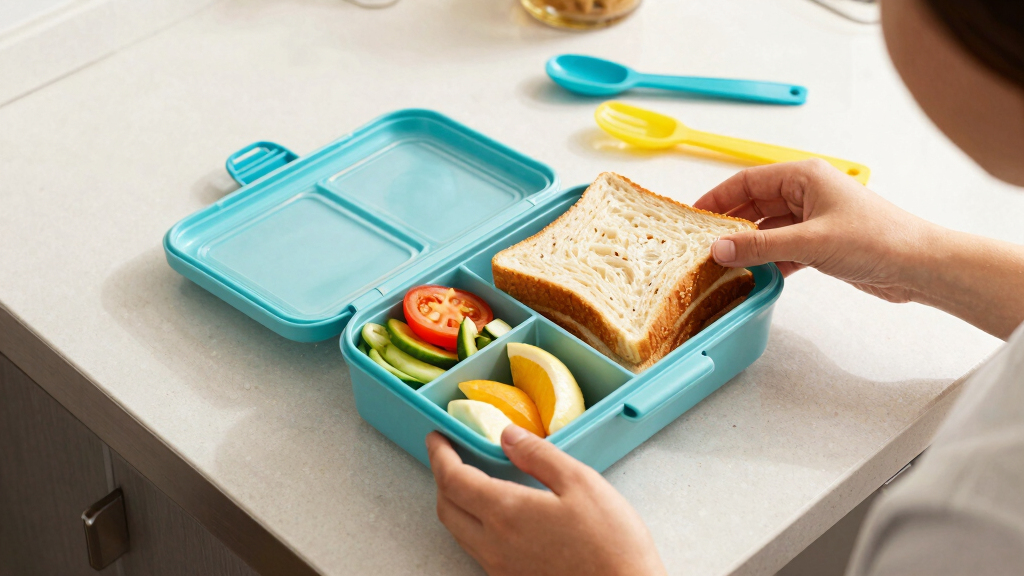
- Check for multiple compartments — they help keep foods separate, which not only prevents flavors from mixing but also encourages balanced eating by segmenting different food groups.
- Choose easy-open lids—kids should manage without adult help, but lids shouldn’t pop open in backpacks, which can cause messes and waste food.
- Pick a size that fits comfortably in their backpack but isn’t bulky—an oversized container can be cumbersome, while too small may not hold enough for a full meal.
- Look for leak-proof seals—especially for yogurt, dips, or liquids. This feature is crucial because spills can ruin clothes and other belongings, and leaks can cause mold or bacterial growth if not properly contained.
- Pick fun designs—cartoon characters or vibrant colors make kids excited to eat and take pride in their lunch box. This psychological aspect boosts their willingness to eat healthy and reduces lunchtime resistance.
For example, a parent might choose a container with a Spider-Man theme, making lunchtime a highlight rather than a chore. When children feel connected to their lunch gear, they’re more likely to use it consistently, reinforcing good habits and making packing a smoother process for caregivers.
As an affiliate, we earn on qualifying purchases.
Comparison Table: Plastic vs. Stainless Steel Lunch Boxes
| Feature | Plastic | Stainless Steel |
|---|---|---|
| Durability | Prone to cracks and stains over time, which can compromise safety and hygiene, leading to more frequent replacements. | Highly durable, withstands drops and rough handling, often lasting up to 10 years or more, reducing waste and replacement costs. |
| Safety | BPA-free options are safe, but plastics can degrade or stain, which may harbor bacteria if not cleaned thoroughly. | Non-toxic, inert, and resistant to staining or retaining odors, making it a safer long-term option that minimizes chemical exposure. |
| Weight | Lightweight, making it easier for children to carry, especially important for younger kids or those with smaller backpacks. | Heavier, which can be a drawback for very young children, but often more stable and less likely to tip or spill. |
| Cost | Generally cheaper upfront, but may need replacement more frequently, which adds to long-term costs. | Higher initial investment, but the longer lifespan and durability often make it more cost-effective over time. |
| Design Options | Wide variety, including flexible shapes, colors, and themes, catering to personal preferences. | Limited but sleek and modern designs, often with a focus on minimalism and longevity. |
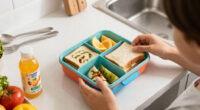
BPA-free kids lunch box with compartments
As an affiliate, we earn on qualifying purchases.
As an affiliate, we earn on qualifying purchases.
How to Keep Lunch Containers Clean and Safe
Most lunch boxes are dishwasher safe, but double-check the label. For tougher stains or lingering odors, hand wash with mild soap and warm water. Disassemble all parts—lids, seals, and compartments—for thorough cleaning. Replace seals periodically to keep containers leak-proof.
Storing clean, dry containers in a cool, dry place prevents mold and bacteria growth. Remember: a dirty lunch box can harbor germs, so cleaning it daily is a must. Regular cleaning not only maintains hygiene but also extends the lifespan of the container, preventing buildup of grime that can compromise seals and structural integrity.
As an affiliate, we earn on qualifying purchases.
The Latest in Eco-Friendly Lunch Box Trends
More brands now offer biodegradable, compostable, and sustainably sourced materials. Think bamboo fiber, recycled plastics, or silicone that lasts years but breaks down naturally after disposal. These options cut down on plastic waste—perfect for eco-conscious families.
Choosing eco-friendly materials isn’t just about reducing waste; it also involves understanding the tradeoffs. For instance, biodegradable containers may be less durable or more prone to staining, requiring careful handling. Recycled plastics can sometimes be less aesthetically appealing or flexible but significantly reduce environmental impact. The key is balancing sustainability with practicality, ensuring the container still meets safety and durability standards.
Some companies add features like reusable utensils built into the lid or personalized labels, making lunch packing both fun and environmentally responsible. These innovations encourage children to develop eco-conscious habits early on, fostering long-term environmental awareness.
Smart and Fun Features Kids Will Actually Use
From leak-proof seals to built-in utensil compartments, modern lunch boxes are packed with smart features. Some include temperature indicators that tell you if the food is still warm or cold. Others have vacuum insulation to keep food fresh for hours.
Imagine a container that glows red if the food is too warm—kids find it exciting, and parents get peace of mind. These innovations make lunchtime safer, cleaner, and a little more fun. However, it’s important to consider whether these features truly add value or if they complicate cleaning and maintenance. Overly complex containers might deter children from using them regularly or make cleaning cumbersome, so prioritizing user-friendly features is key to encouraging consistent use and ensuring safety.
How to Encourage Kids to Love Reusable Lunch Boxes
Getting kids excited about their lunch containers makes all the difference. Let them pick designs or colors, and teach them about environmental benefits. When kids see their favorite characters on the box, they’re more likely to want to use it every day.
Involving children in the process of choosing and decorating their lunch box helps foster a sense of ownership and pride. This can include letting them decorate with stickers, or even helping pack their lunch, making the experience interactive and positive. Emphasizing the environmental benefits, such as reducing waste and protecting the planet, can also motivate children to adopt these habits early on, creating lifelong sustainable practices.
Frequently Asked Questions
Are stainless steel lunch boxes really safer than plastic?
Yes, stainless steel is 100% non-toxic and doesn’t leach chemicals like some plastics can. It’s also more durable, making it a safer long-term choice for kids’ lunch containers.
What’s the best way to clean a lunch box that has food stuck in tiny crevices?
Use a small brush or toothbrush to scrub seams and seals. Disassemble all parts and soak them in warm soapy water if needed. Regular cleaning prevents bacteria buildup and keeps the container fresh.
Are leak-proof lunch boxes reliable for liquids and dips?
High-quality leak-proof containers with secure seals and locking lids are very reliable. Always check reviews and product specs, and avoid cheap options that may fail over time.
How can I make my child more interested in using reusable lunch containers?
Let them choose their favorite colors or characters, pack their lunch together, or decorate the container with stickers. Making it fun builds enthusiasm and pride in using eco-friendly options.
Are biodegradable or compostable lunch boxes a good option?
Yes, they’re a great eco-conscious choice. Brands now offer biodegradable containers made from sustainable materials, helping to reduce plastic waste while still being practical for daily use.
Conclusion
Picking the perfect lunch box isn’t just about style or price—it’s about safety, durability, and encouraging good habits. A well-chosen container makes lunchtime smoother and even a little more fun for kids.
Start by considering safety features and design, then look for eco-friendly options that last. Your child’s lunch should nourish their body—and make them eager to eat it.
Halloween Picks
halloween
As an affiliate, we earn on qualifying purchases.