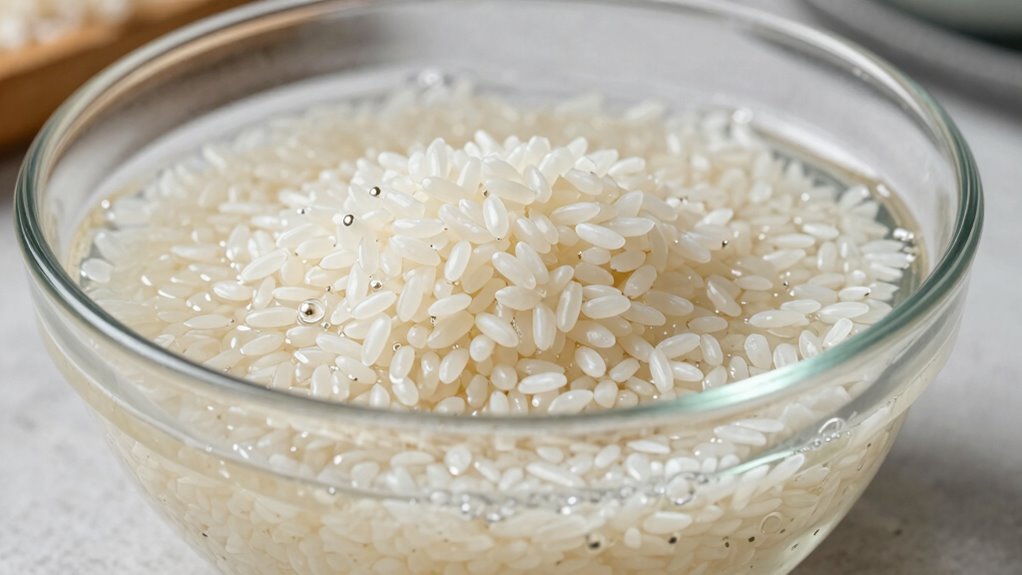
Soaking rice helps by activating beneficial microbes, improving digestibility, and boosting mineral absorption, especially when you want subtle fermentation benefits. It also reduces cooking time and makes rice fluffier and easier to digest. However, soaking isn’t necessary for quick meals or processed rice types like parboiled or instant rice. If you soak properly, you can enhance both texture and nutrition. Want to discover how to get the best results? Keep exploring for more tips.
Key Takeaways
- Soaking enhances nutrient absorption, digestibility, and promotes beneficial microbial activity, especially for whole or unprocessed rice.
- It reduces cooking time, improves texture, and prevents overcooking, making meal prep more efficient.
- Not necessary for quick meals or processed rice varieties like parboiled or instant rice.
- Extended soaking without refrigeration can risk bacterial growth; rinsing may suffice in such cases.
- Soaking’s benefits are maximized when aligned with specific rice types, health goals, and preparation time.
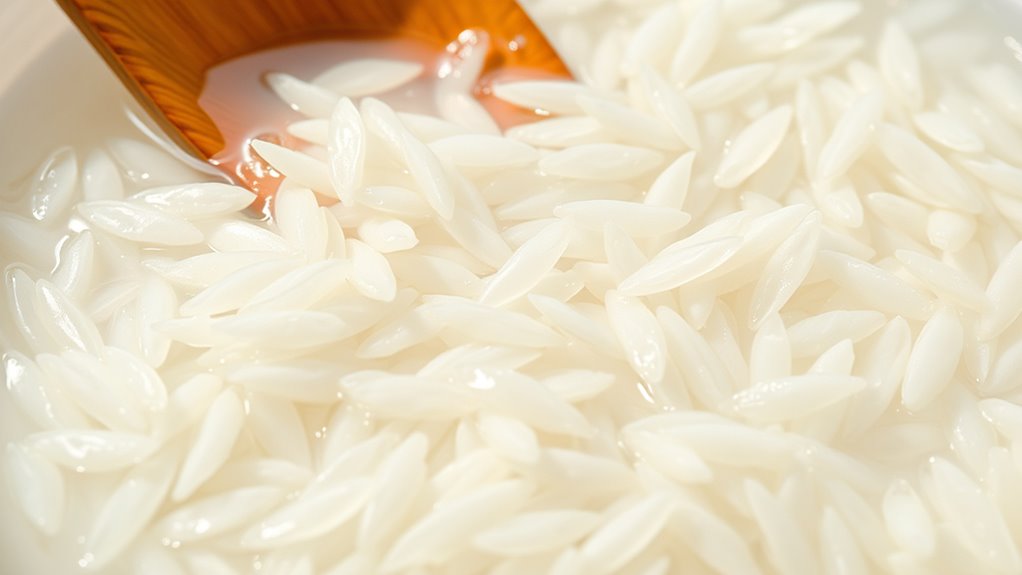
Have you ever wondered if soaking rice makes a difference? It’s a common step in many recipes, but understanding why you soak rice—and when it really helps—can change how you prepare your meals. One of the main reasons people soak rice is to activate certain fermentation benefits. When rice sits in water, especially if left at room temperature, beneficial microbes can activate, leading to a slight fermentation process. This doesn’t mean you’re making alcohol or sour rice, but it does enhance the rice’s digestibility and can improve nutrient absorption. Fermentation benefits include breaking down anti-nutrients like phytic acid, which normally hinder mineral absorption. By reducing these compounds, soaking rice can help your body better absorb essential minerals like iron, zinc, and calcium, making your meals more nutritionally effective.
Soaking rice activates beneficial microbes, improves digestibility, and enhances mineral absorption through slight fermentation.
Nutritional enhancement is another key advantage of soaking rice. When you soak it, you start to activate enzymes that break down complex carbohydrates into simpler sugars, which your body can process more easily. This not only makes the rice easier to digest but also can slightly lower its glycemic index, helping to regulate blood sugar levels. Additionally, soaking can lead to the leaching out of surface starches, resulting in fluffier, less sticky cooked rice. This can be especially beneficial if you’re aiming for a light texture or trying to reduce excess carbohydrate intake. Moreover, soaking can reduce cooking time, saving energy and making meal prep more efficient. Furthermore, soaking can also help to reduce cooking time, which contributes to energy savings and quicker meal preparation. Proper soaking can also help improve color accuracy, as the rice absorbs water uniformly, resulting in a more consistent appearance after cooking.
In some cases, soaking rice can also help to minimize waste by preventing overcooking or burning, especially in delicate rice varieties. Additionally, soaking can help to improve flavor, as the rice absorbs water more evenly, leading to a more balanced taste. However, soaking isn’t always necessary or beneficial. If you’re short on time or cooking methods require quick preparation, skipping the soak won’t ruin your rice. For certain rice varieties like parboiled or instant rice, soaking offers limited advantages since these types are processed differently. Also, if you’re concerned about bacteria or mold, especially in humid environments, soaking for extended periods without proper refrigeration can pose risks. In such cases, rinsing thoroughly before cooking might be enough.
In essence, soaking rice can offer notable fermentation benefits and nutritional enhancements, especially if you’re aiming to maximize mineral absorption and improve digestibility. But it’s not a universal must. Consider your time, rice type, and health goals when deciding whether to soak. When done correctly, soaking can be a simple step that boosts both the health benefits and texture of your rice, turning an ordinary ingredient into a more wholesome choice.

Joyce Chen Stainless Steel Rice Strainer Bowl Rice Washer Colander
This rice washer strainer bowl is crafted from high-quality, rust-resistant stainless steel, making it a durable kitchen tool…
As an affiliate, we earn on qualifying purchases.
As an affiliate, we earn on qualifying purchases.
Frequently Asked Questions
Does Soaking Rice Improve Its Nutritional Value?
Soaking rice doesn’t considerably boost its nutritional value, but it can enhance mineral bioavailability. When you soak rice, you reduce phytic acid, which binds minerals like iron and zinc, making these nutrients easier for your body to absorb. This process offers some nutritional enhancement, especially for minerals. However, it doesn’t drastically change the overall vitamin or protein content, so don’t expect a major boost in nutrition just from soaking.
Can Soaking Rice Help Reduce Arsenic Levels?
Yes, soaking rice can help reduce arsenic levels by leaching out some of the toxin before cooking. Rinsing and soaking rice for 30 minutes to several hours enhances arsenic reduction, but it might also cause some nutrient loss, affecting nutrient preservation. To balance safety and nutrition, soak rice properly, discard the water afterward, and cook with fresh water. This way, you minimize arsenic while maintaining most nutrients.
How Long Is Optimal to Soak Different Rice Varieties?
Think of soaking rice as tuning a musical instrument; the right duration makes it shine. For most varieties, 30 minutes to an hour is perfect, allowing starches to loosen and arsenic to reduce. Longer soaking isn’t necessary and may even damage delicate grains. Always consider rice variety specifics—brown rice benefits from longer soaking, around 1-2 hours, while white rice needs just 30 minutes for ideal results.
Does Soaking Rice Affect Its Glycemic Index?
Soaking rice can reduce its glycemic impact by slightly lowering the digestion rate. When you soak rice, the starches partially break down, allowing your body to process it more slowly. This means your blood sugar levels won’t spike as quickly after eating. However, the effect varies depending on rice type and soaking duration. So, if you’re aiming for better blood sugar control, soaking rice might be a helpful step.
Is Soaking Rice Necessary for All Types of Rice?
Soaking rice isn’t necessary for all types, but it can improve rice texture and reduce cooking time for some varieties like brown or wild rice. If you want softer rice or shorter cooking times, soaking might help. However, for quick-cooking white rice, soaking isn’t essential. You can skip it and still achieve good results, but keep in mind it may slightly affect the final rice texture and cooking duration.
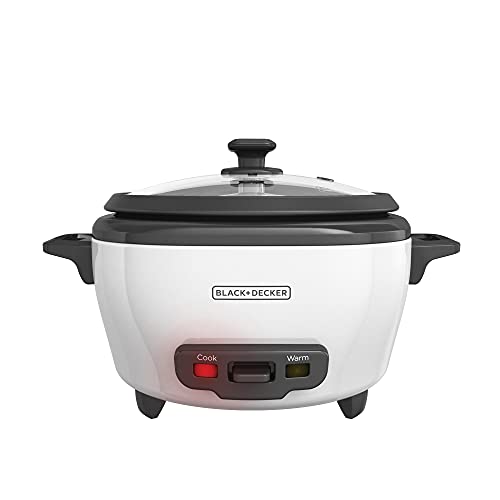
BLACK+DECKER Rice Cooker 6-Cup (Cooked) with Steaming Basket, Removable Non-Stick Bowl, White
6-Cup Cooked Rice Capacity Produces up to 6 cups of cooked rice using the included ¾-cup rice measuring…
As an affiliate, we earn on qualifying purchases.
As an affiliate, we earn on qualifying purchases.
Conclusion
So, whether you soak or skip, remember it’s about what your rice needs. Soaking can soften, loosen, and speed up cooking, or it can be unnecessary, unhelpful, and wasteful. It’s your choice—embrace the process or let it go. Soaking can be a gentle pause, a calming soak, a quiet preparation, or it can be skipped altogether. Whatever you choose, trust your instincts, and let your rice tell its own story.

Wang Nuruk Powder for Makgeolli – Korean Rice Wine Starter, Traditional Fermentation Culture, Home Brewing Kit, Wheat Rice Enzyme, Made in Korea, 16 oz – Pack of 1
Authentic Makgeolli Starter – Traditional Korean nuruk powder essential for brewing real makgeolli rice wine at home. This…
As an affiliate, we earn on qualifying purchases.
As an affiliate, we earn on qualifying purchases.

FAAY 9” Rice Paddle, Serving Spoon, Versatile Cooking Spoon – Handcraft from High Moist Resistance Golden Teak Wood | Durable, Healthy, Ergonomic Handle for Non Stick Cookware
100% CAREFREE COOKING EXPERIENCE Our FAAY Teak Versatile Spoons with 9 inch long and 2.9 inch width are…
As an affiliate, we earn on qualifying purchases.
As an affiliate, we earn on qualifying purchases.