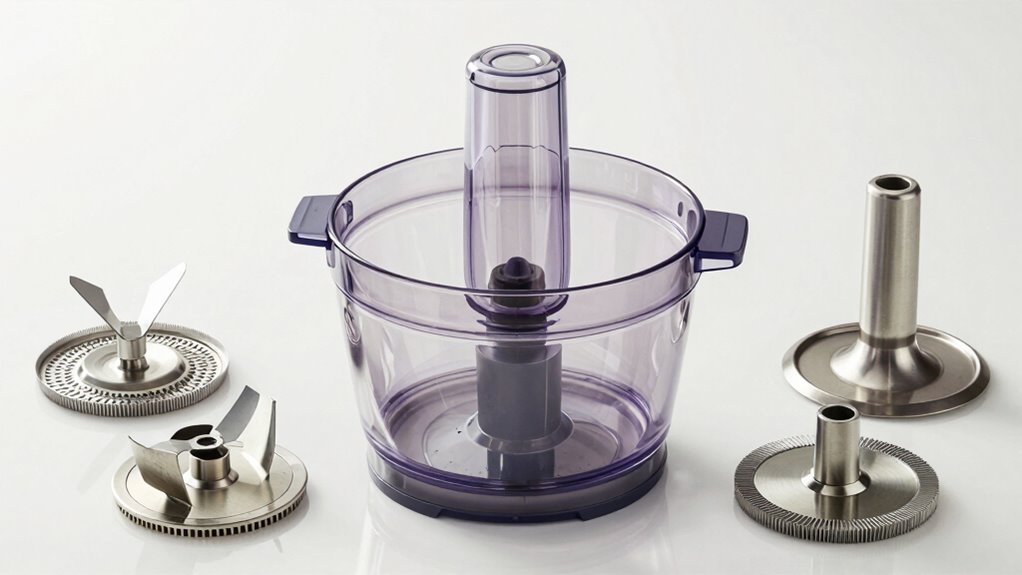

Food processor blades and discs come in several essential types for different tasks. The S-blade is perfect for chopping and blending ingredients, while the dough blade is designed for kneading bread and pastry dough. Discs include shredding, slicing, and grating options, ideal for preparing vegetables, cheese, or nuts. Each has specific uses to improve efficiency. If you want to master these tools and get the best results, keep exploring their features and proper techniques.
Key Takeaways
- S-blades are versatile, sharp blades used for chopping, pureeing, and grinding ingredients quickly.
- Dough blades are designed specifically for kneading dough, ensuring thorough mixing without overworking the mixture.
- Discs include slicing, shredding, grating, and julienne types, each tailored for specific food preparation tasks.
- Blade materials are mainly stainless steel for durability, with different shapes and edges optimized for various functions.
- Proper assembly, cleaning, and replacement are essential for maintaining blade performance and safety.

KitchenAid 9 and 12-Cup Food Processor 5-Disc Set Fits Models: KFP740/750; KFPW760; KFPW770
Set Includes: Thick 6 mm slicing disc, thick 6 mm shredding disc, french fry disc, julienne disc, parmesan/ice…
As an affiliate, we earn on qualifying purchases.
As an affiliate, we earn on qualifying purchases.
What Are the Main Types of Food Processor Blades and When to Use Them
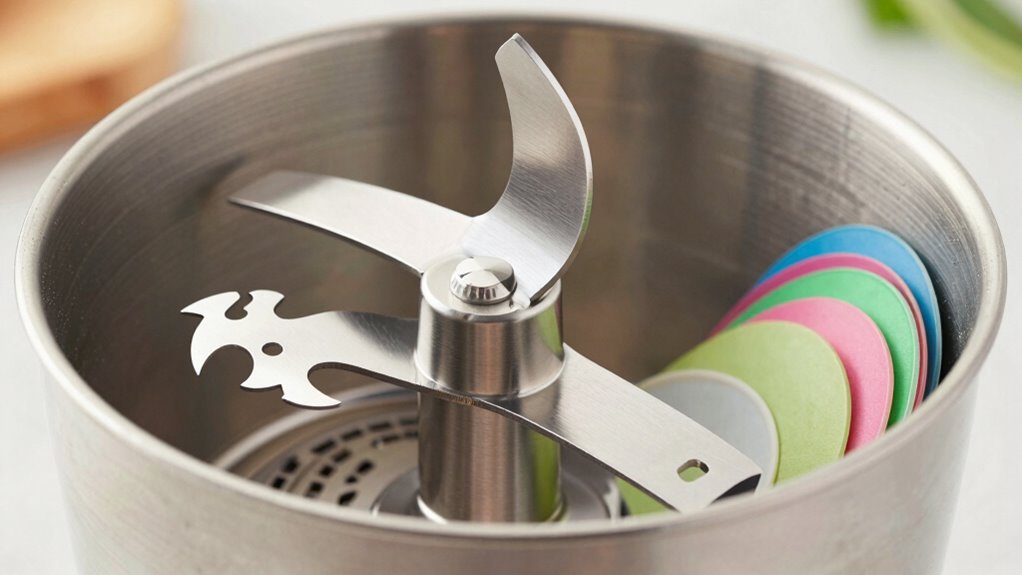
Understanding the main types of food processor blades helps you choose the right one for your task. The most common blades include the S-blade, dough blade, and slicing or shredding discs. Blade materials vary, with stainless steel being the most durable and resistant to rust, ensuring safety and longevity. When selecting blades, always follow safety precautions: unplug the machine before changing blades, handle them carefully, and avoid touching sharp edges. Knowing when to use each type is key—for chopping vegetables and grinding nuts, the S-blade is ideal; for kneading dough, use the dough blade; and for slicing or shredding, discs are perfect. Selecting blades with high-quality blade materials and adhering to safety precautions helps you work efficiently while preventing accidents. Additionally, understanding blade design can improve your results and make maintenance easier, extending the lifespan of your equipment. Moreover, choosing the right blade type for specific tasks ensures optimal performance and reduces wear on your appliance. Being aware of blade compatibility can also help prevent damage to your food processor and ensure safe operation. Familiarity with blade maintenance techniques can further prolong the lifespan of your blades and keep them functioning at peak performance.
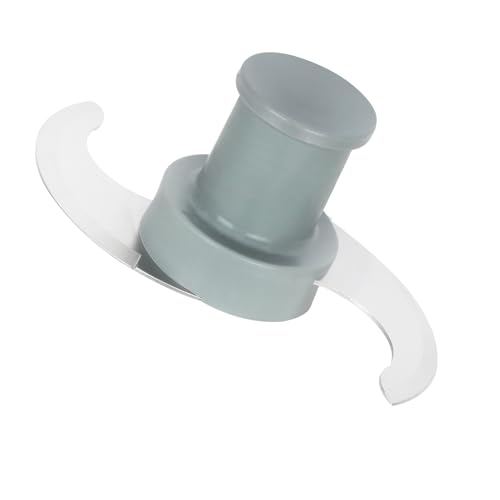
27055 S Smooth Blade Compatible with robot coupe Commercial Food Processor, Replacement for R201, R2, R2A, R2N, R2B, R2U, Stainless Steel Blade with Pitch, 1 Year Warranty
【Blade advantages】27055 S blade is composed of plastic end cover and serrated stainless steel cutter head, the use…
As an affiliate, we earn on qualifying purchases.
As an affiliate, we earn on qualifying purchases.
How to Use and Maintain the S-Blade
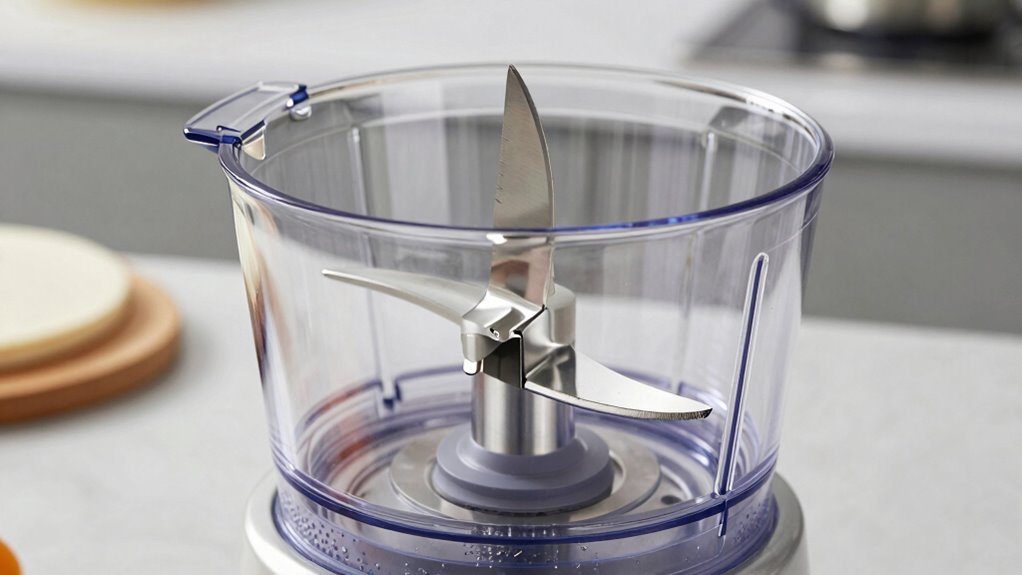
To guarantee your S-blade performs effectively and lasts longer, it’s important to know how to properly use and maintain it. Always handle the blade with care to ensure blade safety, avoiding contact with sharp edges. When using the S-blade, secure the lid tightly and avoid overfilling the food processor to prevent accidents. After use, clean the blade immediately with warm soapy water or place it in the dishwasher if it’s dishwasher-safe. Dry it thoroughly before storing. For storage tips, keep the S-blade in a designated compartment or a protective cover to prevent dulling or damage. Proper maintenance and safe handling not only extend the blade’s lifespan but also ensure your safety during operation. Additionally, understanding European cloud innovation can inspire the adoption of more sustainable and energy-efficient appliances, including high-quality food processors. Incorporating proper storage methods helps maintain the blade’s sharpness and overall condition over time.

Cuisinart DLC-019ATX-1 Replacement 14-Cup Dough Blade Fits Models DFP-14, DFP-14BCHN, DFP-14BCN, DFP-14BCNR, DFP-14BCNY, DFP-14BCWN, DFP-14BWN, OEM
Perfect Compatibility: Fits models DFP-14, DFP-14BCHN, DFP-14BCN, DFP-14BCNR, DFP-14BCNY, DFP-14BCWN, DFP-14BWN, and DFP-14CPY.
As an affiliate, we earn on qualifying purchases.
As an affiliate, we earn on qualifying purchases.
When and How to Use a Dough Blade for Perfect Breads and Pastries
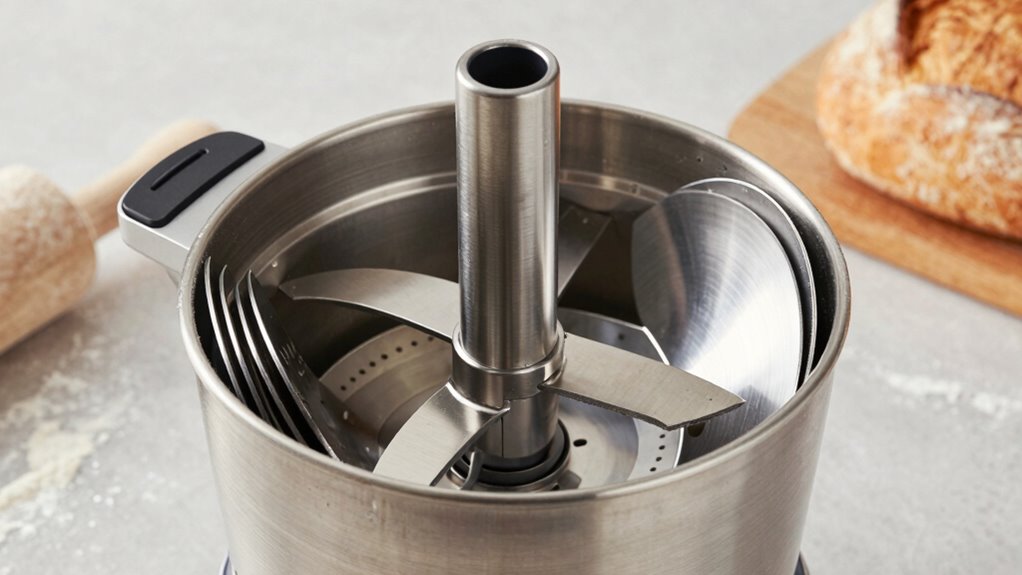
Using a dough blade is ideal when making breads, pastries, or any dough that requires thorough mixing and kneading. To achieve perfect results, start with the pulse function to combine ingredients gently, then switch to continuous mixing to develop gluten and elasticity. Pay attention to dough consistency, adding liquids gradually if needed. Incorporating proper dough consistency adjustments during mixing can further improve the texture and rise of your baked goods. Proper mixing techniques are essential to avoid overmixing, which can toughen baked goods. Dough blade techniques focus on avoiding overmixing, which can toughen baked goods. For pastry preparation tips, use short pulses to cut in fats, creating a crumbly texture, then knead briefly until smooth. This method ensures uniform mixing without overworking the dough. Remember, the dough blade is best for tasks that demand thorough, even kneading, helping you create bakery-quality breads and pastries with ease.

Showingo Food Processor Slice Shred Disc Blade Replacement for Hamilton Beach 70730, 70740, 70670, 70760 – Stainless Steel Disc for Slicing and Shredding
Precise Slicing and Shredding:This replacement disc blade is designed for slicing and shredding food with precision. The blade…
As an affiliate, we earn on qualifying purchases.
As an affiliate, we earn on qualifying purchases.
Getting to Know Food Processor Discs: Shredding, Slicing, and Grating
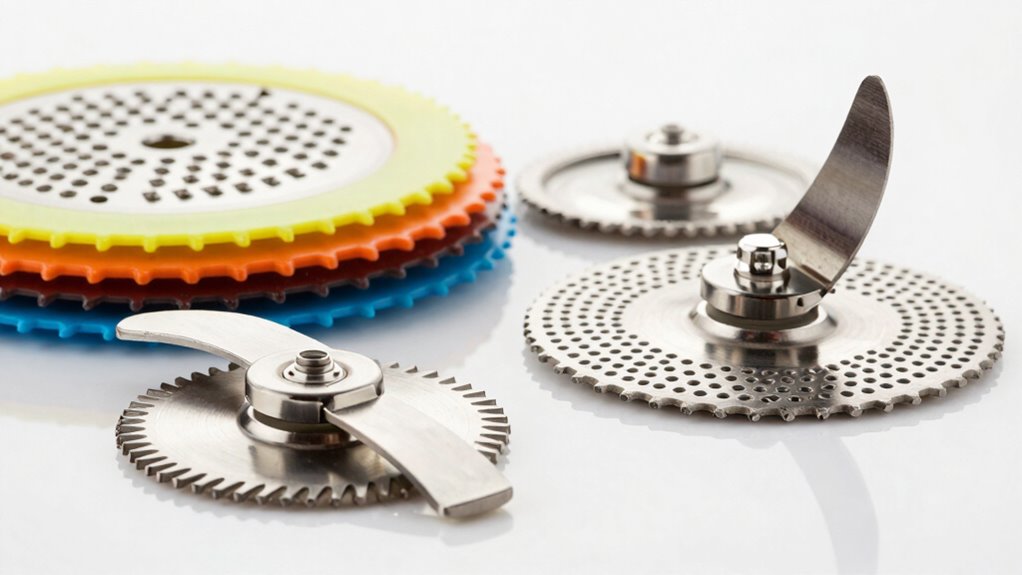
Food processor discs are essential tools that help you prepare ingredients quickly and uniformly. Whether you’re shredding cheese, slicing vegetables, or grating carrots, these discs simplify vegetable preparation and make smoothie making easier. Using the right disc ensures consistent results and saves time. Here’s a quick guide to common discs:
| Disc Type | Function | Best For |
|---|---|---|
| Shredding | Grates food into strips | Cheese, cabbage, carrots |
| Slicing | Cuts into even slices | Cucumbers, potatoes |
| Grating | Finely shreds ingredients | Hard cheeses, nuts |
| Julienne | Creates matchstick strips | Zucchini, peppers |
With these discs, you can efficiently prepare ingredients for salads, snacks, or smoothies, making your kitchen tasks more straightforward.
How to Choose the Right Blade or Disc for Your Kitchen Tasks
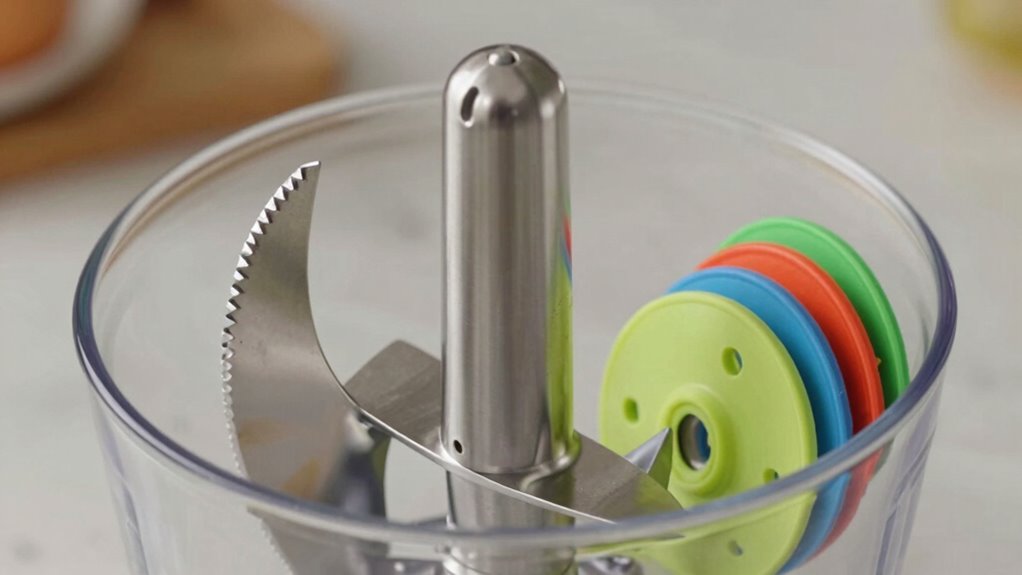
Choosing the right blade or disc depends on the specific task you want to accomplish in your kitchen. When comparing blades versus discs, consider the type of food and the desired result. Blades like the S-blade are ideal for chopping, blending, or mixing ingredients quickly, while discs excel at slicing, shredding, or grating. Decide whether you need a manual or automatic system; manual blades require more control and effort, but are versatile, whereas automatic blades handle repetitive tasks with minimal input. Your choice hinges on your cooking habits and the types of foods you process most often. By matching the blade or disc to your task, you’ll make food prep faster, easier, and more efficient.
Tips for Cleaning, Maintaining, and Replacing Your Food Processor Blades
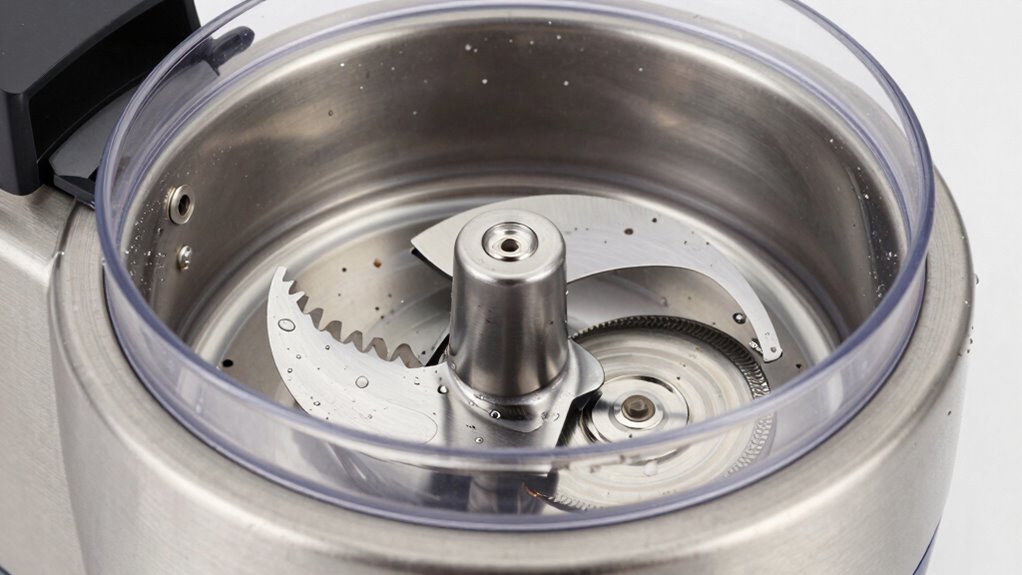
Maintaining your food processor blades is essential for safety and ideal performance, and proper cleaning is the key. After each use, wash blades immediately with warm, soapy water or place them in the top rack of your dishwasher if they’re dishwasher-safe. Always handle blades carefully, using safety precautions to avoid cuts, and dry them thoroughly before storage. Store blades separately in a designated blade storage container or a secure drawer to prevent damage and accidental injury. Regularly inspect blades for wear or dullness, and replace them when necessary to ensure maximum cutting performance. Proper blade storage not only prolongs their lifespan but also keeps your kitchen safer. Additionally, understanding blade maintenance can help prevent corrosion and improve longevity. For optimal results, also consider the materials used in blade construction, which can influence durability and ease of cleaning. Using proper cleaning techniques can further prevent rust and corrosion, extending the life of your blades. Incorporating metal care practices can enhance the blades’ resistance to rust and corrosion, further prolonging their usability. Regularly checking for signs of dull blades can help maintain cutting efficiency and avoid unnecessary strain on your food processor. Following these tips will keep your blades sharp, clean, and ready for your next task.
Troubleshooting Common Blade and Disc Issues
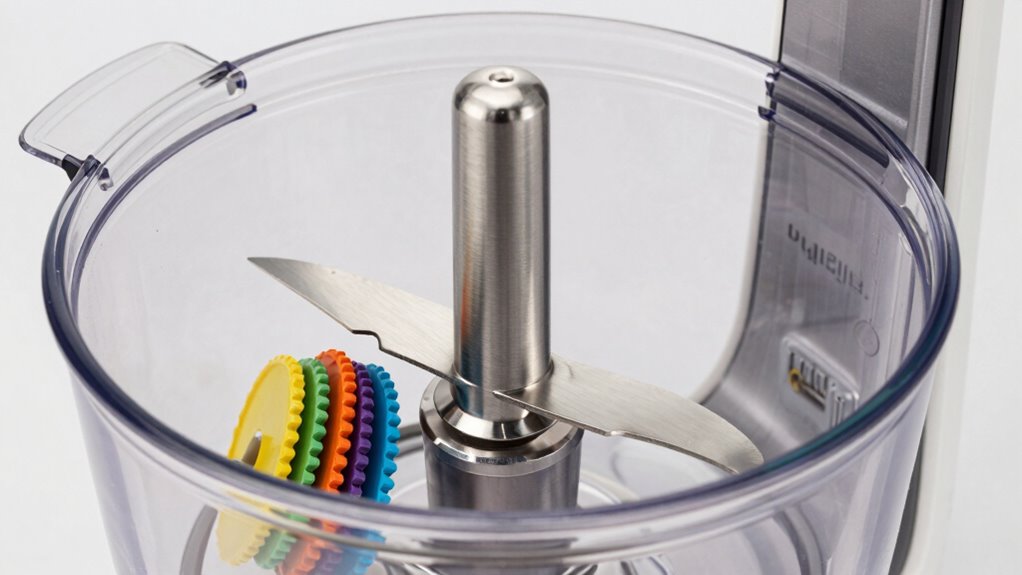
If your food processor isn’t working properly, you might face blade assembly problems or disc misalignment. Sometimes, the blades become dull or worn, affecting performance. Addressing these issues quickly keeps your machine running smoothly and prevents further damage. Regularly inspecting and maintaining your blades can also extend their lifespan and ensure optimal results. Blade maintenance techniques are essential for keeping your food processor functioning effectively. Additionally, understanding proper tip size selection can help you troubleshoot issues related to blade positioning and operation. Proper troubleshooting often involves checking mount and alignment to guarantee the blades are correctly installed and functioning as intended.
Blade Assembly Problems
Blade assembly problems can hinder your food processor’s performance, causing issues like uneven chopping or motor strain. These problems often stem from improper assembly or loose components. Check if the blade is securely attached to the motor shaft; a loose connection can lead to poor cutting results and strain on the motor. Sometimes, debris or food buildup prevents the blade from fitting properly, so clean all parts thoroughly before reassembling. If the blade doesn’t lock into place or spins freely, it may be due to motor connection issues or damaged components. Always confirm you align the blade correctly and follow the manufacturer’s instructions. Proper assembly techniques are essential to avoid common issues and ensure safe operation. Ensuring correct alignment of the blade can prevent many problems and improve efficiency. Additionally, regularly inspecting and replacing worn or damaged parts can help maintain optimal food processor performance. Addressing blade assembly problems promptly helps prevent damage to your food processor and ensures consistent, efficient operation. For best results, always refer to the manufacturer’s instructions when assembling or troubleshooting your blades.
Disc Misalignment Solutions
Disc misalignment is a common issue that can disrupt your food processor’s performance, leading to uneven slicing or grinding. To fix this, verify your disc is properly seated in the assembly. Check your blade storage to confirm the disc isn’t bent or warped. Follow these steps:
- Unplug the processor and remove the disc carefully, practicing blade safety.
- Clean the disc and the disc holder thoroughly for any debris or food buildup.
- Inspect the disc for damage or warping; replace if necessary.
- Reassemble the disc, making sure it clicks securely into place.
Proper blade storage helps prevent misalignment and damage, ensuring safe handling. Regularly checking your discs will keep your processor running smoothly and protect you from accidents.
Sharpness and Wear Issues
Over time, the sharpness of your food processor blades and discs can diminish due to regular use, which often leads to inefficient processing and uneven results. Blade material influences how quickly blades dull; stainless steel blades tend to stay sharp longer than cheaper alloys. To restore sharpness, sharpening methods vary: honing with a ceramic stone or using a professional sharpener can revive blades effectively. Dull blades cause tearing and inconsistent textures, so maintaining sharpness is key.
| Blade Material | Sharpness Durability | Recommended Sharpening Methods |
|---|---|---|
| Stainless Steel | Long-lasting | Honing, professional sharpening |
| Carbon Steel | Moderate | Manual honing, professional |
| Aluminum/Alloy | Short-lived | Replacement, avoid sharpening |
Frequently Asked Questions
Can Food Processor Blades Be Used for Tasks Other Than Food Preparation?
Yes, you can use food processor blades for alternative uses beyond food prep. For example, you might try DIY modifications like turning your blades into a mini grinder for spices or herbs. Just guarantee safety when repurposing blades, and always clean them thoroughly after use. These blades can help with small DIY projects or craft tasks, making them versatile tools even outside the kitchen.
Are There Safety Precautions for Handling and Storing Blades?
You should always prioritize blade safety by handling blades carefully to avoid cuts, especially when cleaning or assembling. Store blades in a secure, designated container or sheath to prevent accidental contact. Follow storage tips like keeping blades out of children’s reach and ensuring they’re dry before storing. Always disconnect the food processor before handling blades, and use caution during cleaning and assembly to prevent injuries.
How Do I Identify Compatible Blades for My Specific Food Processor Model?
Finding compatible blades is like matching puzzle pieces—you need the right fit. To identify yours, check your food processor’s model number, usually found on the base or back. Then, consult the manufacturer’s website or user manual for model-specific compatibility info. Blade identification tips include examining the blade’s shape, size, and locking mechanism, ensuring it matches your processor to avoid mishaps and enjoy seamless processing.
What Are the Signs That a Blade or Disc Needs Replacement?
You’ll notice signs that your blade or disc needs replacing when you see blade wear or disc damage. If your food processor struggles to chop or blend smoothly, or if the blades become dull or chipped, it’s time for a change. Excessive noise, uneven processing, or food sticking to the blades also indicate wear. Replace damaged or worn blades promptly to maintain peak performance and guarantee safety during use.
Can I Sharpen or Refurbish Dull Blades at Home?
You can sharpen or refurbish dull blades at home with proper techniques. Use sharpening techniques like a whetstone or diamond file to carefully restore the blade’s edge, but be cautious not to damage it. For blade refurbishment, clean thoroughly and remove rust or debris. Remember, if the blade is severely dull or damaged, it’s safer to replace it rather than risk ineffective sharpening.
Conclusion
By understanding the different blades and discs, you’ll master your food processor like a seasoned chef of yore. Whether you’re shredding cheese, kneading dough, or slicing vegetables, choosing the right attachment makes all the difference—no need to summon a wizard’s magic. Keep your blades sharp and clean, and you’ll enjoy smooth, efficient results every time, just like the legendary cooks of old. Now, go forth and conquer your culinary adventures!