
Authentic food isn’t decided by a single person or authority. Instead, it’s a fluid concept shaped by cultural identity, history, and personal perspectives. Traditions evolve through migration, trade, and innovation, blending old and new. Respectful sharing and understanding are key to avoiding misrepresentation. As you explore further, you’ll uncover how cultural dynamics, technology, and individual judgments influence what we call “authentic,” showing it’s more about context than fixed standards.
Key Takeaways
- Authenticity is subjective, shaped by cultural context, personal experience, and evolving traditions, with no single authority defining it.
- Cultural appropriation and misrepresentation can distort traditional foods, emphasizing respect and understanding in culinary exchanges.
- Culinary authenticity varies across settings, influenced by who prepares the food and the ingredients used, making it a fluid concept.
- Technology and modern preservation methods help maintain and share authentic dishes while honoring their cultural roots.
- Cultural dynamics and globalization continuously reshape what is considered authentic, reflecting food’s evolving and multifaceted nature.
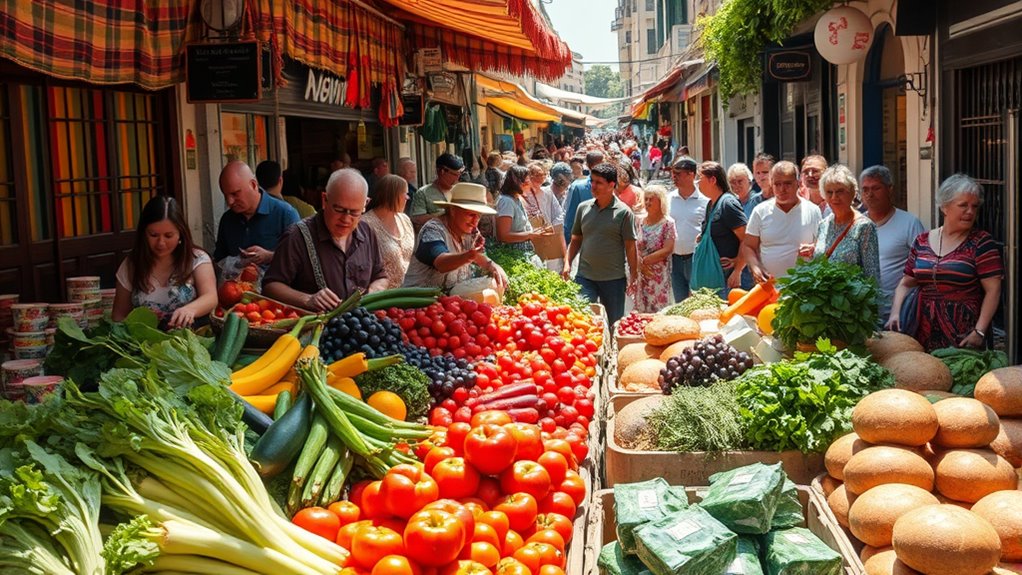
What does “authentic” food really mean in today’s culinary landscape? It’s a question that often sparks debate. Many believe authenticity is about sticking strictly to traditional recipes and cooking methods. But others argue it’s more complex, involving cultural boundaries and the context in which food is prepared and enjoyed. In recent years, the idea of culinary authenticity has become tangled with concerns about cultural appropriation—when elements of a culture are used without understanding or respect. This often leads to accusations that certain chefs or restaurants are diluting or misrepresenting a cuisine for commercial gain. You might wonder, then, who really gets to decide what’s authentic? Is it the chefs who grew up steeped in a particular tradition? Or is it the consumers who expect a genuine experience? The truth is, there’s no single answer.
When people talk about authentic food, they often mean food that accurately reflects its cultural roots. But cultures themselves are dynamic, constantly evolving, influenced by migration, trade, and globalization. What was once considered “authentic” can change over time. For example, a traditional recipe might incorporate new ingredients or techniques, blending old and new in a way that still honors its origins. Yet, critics sometimes dismiss these changes as inauthentic or problematic, especially if they feel that cultural elements are being exploited or misrepresented. That’s where the issue of cultural appropriation comes into play. You need to be aware of how certain practices or ingredients are used, ensuring they’re presented with respect and understanding rather than as a trend or a marketing gimmick. Additionally, the concept of “authenticity” can be influenced by technological advances like improved food preservation, which enable traditional dishes to reach broader audiences while maintaining their cultural significance. These innovations can also help to preserve cultural heritage through modern methods.
Culinary authenticity is also about context. If you’re eating a dish abroad, you might expect it to be prepared in a way that reflects local customs. But if you’re in a different country, the concept of authenticity can become blurred. Is it authentic because it’s made by someone from that culture? Or because it uses traditional ingredients? These questions highlight how fluid the idea can be. Ultimately, you’re the judge of authenticity based on your own experience, knowledge, and values. But recognizing the nuances—like how cultures adapt and how food can be a tool for cultural exchange—can help you appreciate the complexity behind what’s labeled “authentic.” It reminds you that food isn’t just sustenance; it’s a reflection of history, identity, and community.
authentic traditional cuisine cookbook
As an affiliate, we earn on qualifying purchases.
As an affiliate, we earn on qualifying purchases.
Frequently Asked Questions
How Do Cultural Influences Shape Perceptions of Authenticity?
Cultural influences shape your perception of authenticity through stereotypes and culinary appropriation. When you see certain dishes associated with specific cultures, you might judge their authenticity based on how closely they match those stereotypes. However, cultural appropriation can distort this view, making it harder to recognize genuine traditions. Your understanding of authentic food evolves as you become aware of these influences, allowing you to appreciate dishes beyond superficial labels.
Can Fusion Cuisine Be Considered Authentic?
You might say, “You can’t judge a book by its cover.” Fusion cuisine can be considered authentic when it genuinely reflects culinary innovation, blending cultures thoughtfully. While some see the fusion controversy as a challenge to tradition, it often pushes boundaries and creates new, exciting flavors. If the chef respects the ingredients and cultural roots, fusion food embodies a valid form of culinary authenticity, enriching the global food tapestry.
What Role Does Globalization Play in Authentic Food?
Globalization influences authentic food by blending local ingredients and culinary techniques from different cultures. You might find traditional dishes adapted with international ingredients or new cooking methods, making it harder to define authenticity. While globalization promotes culinary innovation, it also risks diluting cultural uniqueness. So, as you enjoy diverse foods, remember that authenticity can evolve, shaped by local tastes and global influences, creating a dynamic culinary landscape.
How Do Price and Accessibility Affect Authenticity Claims?
Price perception and accessibility barriers heavily influence authenticity claims. When you see affordable options, you might question if the food truly reflects its origins, doubting its authenticity. Limited accessibility can also skew perceptions, making authentic dishes seem exclusive or elitist. You tend to associate higher prices with genuine quality, but that isn’t always true. Ultimately, cost and ease of access shape your beliefs about whether food is genuinely authentic or merely marketed as such.
Is Authenticity More About Tradition or Innovation?
Authenticity balances both tradition and innovation, so you’re often caught between preserving heritage and embracing culinary evolution. While heritage preservation keeps dishes true to their roots, innovation allows chefs to adapt and improve flavors. You should consider that authenticity isn’t static; it evolves as cultures blend and new techniques emerge. Ultimately, you decide what feels genuine—honoring tradition or welcoming culinary evolution—making authenticity a personal, dynamic experience.
cultural food preservation tools
As an affiliate, we earn on qualifying purchases.
As an affiliate, we earn on qualifying purchases.
Conclusion
Ultimately, deciding what’s authentic isn’t a simple task, much like trying to catch a fleeting butterfly. It’s shaped by culture, history, and personal experience—elements that vary from person to person. So, instead of seeking a definitive answer, embrace the diversity and stories behind each dish. Remember, authenticity isn’t a fixed point; it’s a journey you share with others, a dance as fluid and unpredictable as the wind.
authentic ingredient sets for traditional dishes
As an affiliate, we earn on qualifying purchases.
As an affiliate, we earn on qualifying purchases.
culinary heritage cooking kit
As an affiliate, we earn on qualifying purchases.
As an affiliate, we earn on qualifying purchases.