
📊 Full opportunity report: Pranzo Della Domenica: A Late-Summer Sunday Lunch Menu From Campania on Mad Tasting — validation score, market gap, and execution plan.

Get kitchen staples and gadgets delivered free with Prime
- Fast, free delivery on millions of items
- Prime Video, Amazon Music and more included
- Member-only deals all year
TL;DR
Mad Tasting has published a late-summer Pranzo della Domenica menu centered on tomatoes, mozzarella, Pasta alla Nerano, fresh fish and figs. The guide preserves Campania’s course-by-course Sunday ritual while shifting preparation to Saturday and replacing heavier cold-weather dishes with seasonal produce.
Mad Tasting has published a late-summer version of Campania’s Pranzo della Domenica, building the extended Sunday meal around tomatoes, mozzarella, Pasta alla Nerano, fish all’acqua pazza and figs with ricotta. The seasonal guide matters for home cooks because it pairs regional Italian traditions with practical portions, advance preparation and food-safety advice.
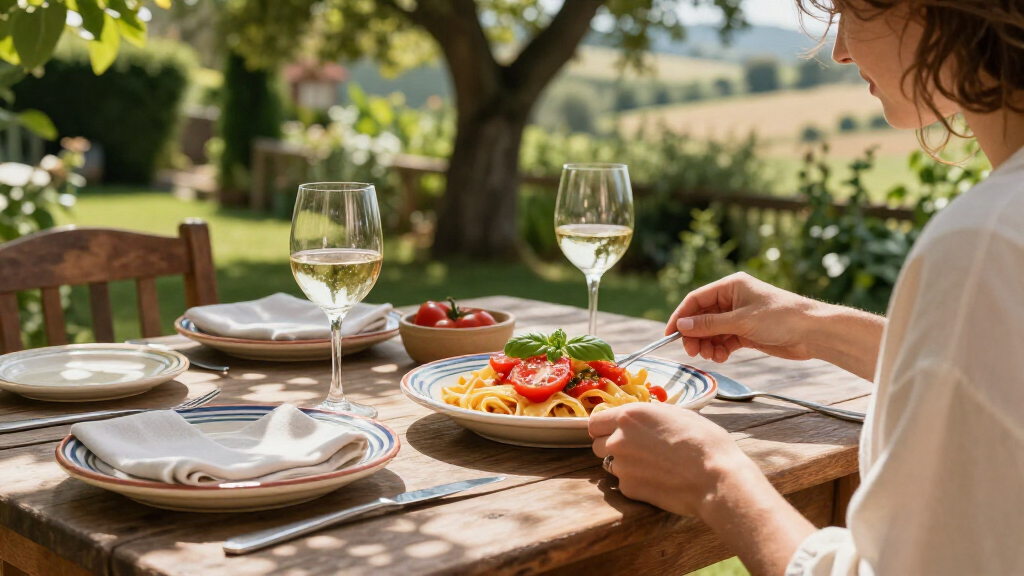
The proposed meal follows six distinct stages: taralli, green olives and chilled Falanghina for the aperitivo; tomatoes with Mozzarella di Bufala Campana DOP for the antipasto; Pasta alla Nerano as the primo; fish all’acqua pazza as the secondo; one or two vegetable sides; and figs with ricotta, honey and toasted hazelnuts for dessert. Pasta and fish are served separately, reflecting the Campanian course structure described by Mad Tasting.
Suggested adult portions include 30 grams of taralli, 80 to 100 grams of mozzarella, 70 to 90 grams of dried pasta and 140 to 170 grams of edible fish per person. Dessert calls for two figs and 50 to 60 grams of ricotta per guest. Marinated eggplant, roasted peppers or bitter leaves provide acidity or bitterness between the richer dishes.
The guide recommends moving much of the work to Saturday so Sunday remains centered on the table. It also advises serving mozzarella after it has lost its refrigerator chill while limiting its time at room temperature to two hours, or one hour above 90°F, in line with the USDA handling guidance cited by Mad Tasting. The meal contains or may contain milk, wheat, fish and tree nuts; optional anchovies add another fish ingredient. Falanghina and any digestivo are for adults, with responsible drinking advised.
Pranzo della Domenica
A late-summer six-course lunch built around ripe tomatoes, buffalo mozzarella, Pasta alla Nerano, fresh fish and figs—preserving Campania’s unhurried Sunday ritual while moving the heaviest preparation to Saturday.
Distinct stages from aperitivo to dessert
A deliberate meal designed for conversation
Dried pasta per adult guest
Maximum at ordinary room temperature
A late-summer progression
The sequence retains the formality and hospitality of a Campanian Sunday lunch, but replaces cold-weather ragù, braciole and baked pasta with seasonal produce, coastal fish and a light fruit-and-ricotta finish.
Taralli, olives and Falanghina
Crunchy taralli and green olives open the table with chilled Falanghina for adults. Keep portions modest: this is an invitation, not the meal itself.
Tomatoes and mozzarella
Ripe tomatoes meet Mozzarella di Bufala Campana DOP. Let the cheese lose its refrigerator chill shortly before service.
Pasta alla Nerano
Fried zucchini, basil, pasta water and Provolone del Monaco DOP form a glossy emulsion. The traditional effect requires no cream.
Fish all’acqua pazza
Fresh fish cooks gently with tomato, garlic, herbs and liquid. It arrives only after the pasta plates have been cleared.
Vegetables with contrast
Choose one or two sides: marinated eggplant, roasted peppers or bitter leaves bring acidity and bitterness between richer bites.
Figs with ricotta
Two ripe figs per guest with ricotta, honey and toasted hazelnuts create a seasonal ending before coffee and an optional digestivo.
The sequence is the tradition
Campanian Sunday lunch is connected by time, separation and conversation. Each stage changes the table’s pace; pasta and fish are never compressed into a single serving.
A practical guide per adult guest
Moderate portions make six stages possible without losing abundance. Final quantities should reflect appetite, guest count and the number of vegetable sides.
| Ingredient | Course | Suggested portion |
|---|---|---|
| Taralli | Aperitivo | 30 g |
| Mozzarella | Antipasto | 80–100 g |
| Dried pasta | Primo | 70–90 g |
| Edible fish | Secondo | 140–170 g |
| Fresh figs | Dessert | 2 figs |
| Ricotta | Dessert | 50–60 g |
Campania shapes every course
The menu draws on coastal towns, volcanic farmland and inland pastoral traditions. It is one seasonal interpretation—not a claim that every Campanian household serves Sunday lunch in the same way.
Pasta alla Nerano
Zucchini, basil, pasta water and aged cheese produce the dish’s characteristic creamy texture without adding cream.
Anchovies and fresh fish
Cetara contributes a celebrated anchovy tradition, while coastal cooking supports the light fish all’acqua pazza course.
Tomatoes and wine
Volcanic land near Vesuvius is closely associated with tomatoes, vineyards and the concentrated flavors of summer produce.
Figs and vegetables
Figs, cultivated vegetables and pastoral cooking connect the dessert and contorni to southern Campania’s rural landscape.
Cheese, legumes and grapes
Inland traditions emphasize legumes, cheeses, pork and wines made from grapes including Fiano, Greco and Aglianico.
Variation is authentic
Some families may consider ragù the defining Sunday dish. Season, household history and local availability always influence the menu.
Protected names, practical choices
DOP and IGP names indicate regulated geographical status. They offer traceability, but a ripe local tomato may still outperform a protected product weakened by lengthy transport.
Prepare Saturday, gather Sunday
Advance work protects the table’s unhurried character. Sunday cooking should focus on ingredients that lose quality when held: sliced tomatoes, freshly emulsified pasta and just-cooked fish.
Shop, roast and marinate
Finish close to service
The host’s final check
The menu depends on hospitality as much as ingredients. Confirm dietary needs, respect the course order and let the meal occupy the afternoon.
Allergens to flag
Check taralli, cheese and packaged ingredient labels, and ask every guest about allergies before buying food. Falanghina and any digestivo are for adults only; serve responsibly.
What makes the meal work
Freshness over rigid authenticity. Protected products can support regional character, but excellent local fish and ripe late-season produce matter more than labels compromised by travel.
Separation over speed. Serve pasta, fish and vegetables in their intended stages instead of placing every dish on the table at once.
A Lighter Campanian Feast
The menu shows how a formal Sunday lunch can retain its sequence, generosity and social pace without relying on slow Neapolitan ragù, braciole or baked pasta. Those heavier dishes remain established Sunday foods, but Mad Tasting presents zucchini, tomatoes, peppers and fresh fish as a better fit for a humid late-August meal.
For readers outside Campania, the practical value lies in the menu’s structure. Abundance comes from changes in flavor, temperature and texture, rather than placing numerous rich dishes on the table at once. Preparing vegetables and other components a day early also gives the host more time for the two-to-four-hour meal the guide associates with the tradition.
As an affiliate, we earn on qualifying purchases.
Campania Shapes Every Course
Pranzo della Domenica is described by Mad Tasting as a family ritual built around time, separate courses and conversation. A familiar progression runs from antipasto through primo, secondo, contorno, fruit or dessert, coffee and sometimes a digestivo. The pause after pasta and before fish is part of the meal’s social rhythm, not a delay to be eliminated.
The menu draws from several parts of Campania. Pasta alla Nerano comes from the Sorrento Peninsula and combines fried zucchini, basil, pasta water and Provolone del Monaco DOP without cream. Cetara contributes an anchovy tradition, while volcanic land near Vesuvius is associated with tomatoes and wine. Cilento contributes figs, vegetables and pastoral cooking; inland Irpinia and Benevento have stronger ties to legumes, cheeses, pork and grapes including Fiano, Greco and Aglianico.
Mad Tasting also distinguishes protected names from broad regional styles. According to the European Commission register cited in the guide, Mozzarella di Bufala Campana DOP, Pomodoro San Marzano dell’Agro Sarnese-Nocerino DOP and Pasta di Gragnano IGP have regulated geographical status. The guide still recommends choosing a ripe local tomato over a protected product damaged by lengthy transport.
As an affiliate, we earn on qualifying purchases.
Availability May Shape Substitutions
The source does not provide an exact publication date, a fixed guest count or evidence that the menu represents every Campanian household. Regional Sunday meals vary, and some families may regard ragù rather than fish or zucchini pasta as the defining dish.
Access to DOP and IGP ingredients will also differ by market. It is not yet clear how substitutions would affect every recipe, although the guide says some replacements change a dish’s character. Freshness, local fish availability and the quality of late-season produce may matter more than a protected label in some locations.
As an affiliate, we earn on qualifying purchases.
Saturday Preparation Leads the Schedule
Home cooks following the guide would next set the guest count, buy ripe produce and fish, and complete the marinated or roasted vegetables on Saturday. On Sunday, the remaining work centers on slicing tomatoes shortly before lunch, cooking Pasta alla Nerano close to serving time and preparing the fish as its separate course.
Perishable foods should remain refrigerated until near service, with the stated room-temperature limits applied to mozzarella and other dairy items. The meal can then move from aperitivo to coffee without compressing its deliberate course-by-course pace.
Italian figs with ricotta and honey
As an affiliate, we earn on qualifying purchases.
As an affiliate, we earn on qualifying purchases.
Key Questions
What is Pranzo della Domenica?
It is a long Italian Sunday family meal. In the Campanian model described here, antipasto, pasta, a main course, vegetables, dessert or fruit and coffee arrive in separate stages.
What is on the late-summer menu?
The menu includes taralli and olives, tomatoes with buffalo mozzarella, Pasta alla Nerano, fish all’acqua pazza, marinated or roasted vegetables and figs with ricotta.
Does Pasta alla Nerano contain cream?
No cream appears in the version described by Mad Tasting. Its texture comes from fried zucchini, cheese and pasta water, which form a glossy emulsion.
Which allergens should hosts flag?
The proposed meal contains or may contain milk, wheat, fish and tree nuts. Hosts should check labels for taralli, cheese and packaged ingredients and ask guests about allergies before shopping.
How long can the mozzarella stay out?
Mad Tasting cites guidance limiting it to two hours at room temperature, or one hour when temperatures exceed 90°F. It should otherwise remain refrigerated.
Source: Mad Tasting
Fall Picks
fall essentials
As an affiliate, we earn on qualifying purchases.