

Restaurant food feels complete because chefs skillfully balance and harmonize flavors, creating layered tastes that satisfy your palate. They carefully select high-quality ingredients and use precise techniques to guarantee each element supports the next, resulting in a cohesive, well-rounded dish. Proper timing and seasoning enhance richness without overwhelming. This attention to detail makes every bite feel intentional and satisfying. If you want to discover more about what makes restaurant dishes so exceptional, keep exploring.

Get kitchen staples and gadgets delivered free with Prime
- Fast, free delivery on millions of items
- Prime Video, Amazon Music and more included
- Member-only deals all year
Key Takeaways
- Chefs skillfully balance flavors, blending sweet, salty, sour, bitter, and umami for a harmonious taste.
- Ingredient placement is deliberate, ensuring complementary interactions that enhance overall flavor.
- Proper cooking techniques and timing meld ingredients, developing depth and complexity in each dish.
- High-quality ingredients are carefully selected and combined to create layered, cohesive flavor profiles.
- Attention to flavor interaction and harmony results in dishes that are cohesive, satisfying, and memorable.
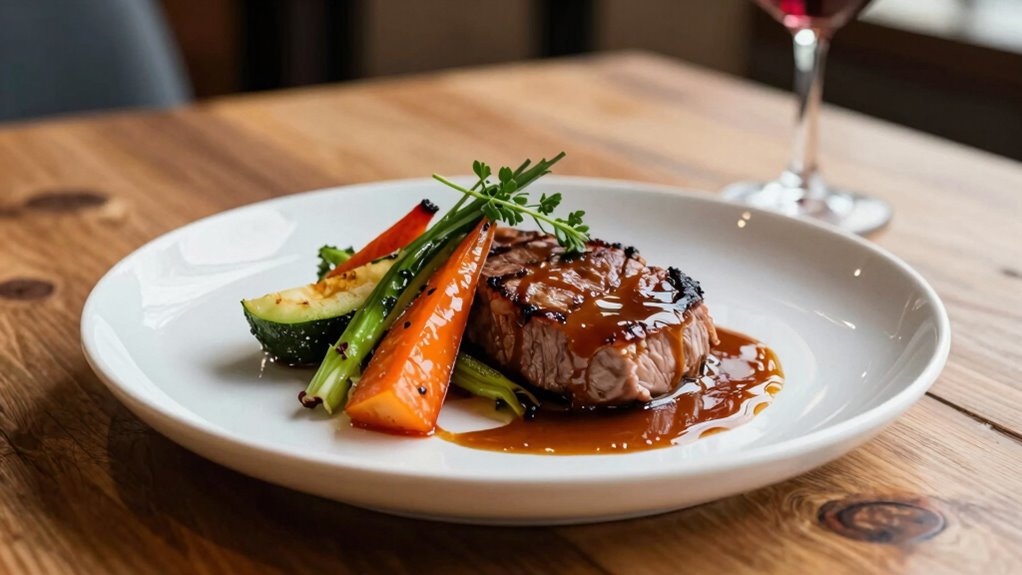
When you take a bite at a well-crafted restaurant, you immediately realize that the flavors have come together perfectly, creating a taste experience that feels complete. This sense of satisfaction comes from the chef’s skill in achieving exceptional flavor balance and ingredient harmony. Every element on your plate isn’t just randomly placed; it’s carefully chosen and prepared to complement each other, enhancing the overall taste. It’s this meticulous attention to how flavors interact that makes restaurant dishes stand out and feel so satisfying.
Flavor balance is at the core of a memorable meal. It’s about blending sweet, salty, sour, bitter, and umami in a way that each note enhances the others without overpowering them. When done right, the flavors create a natural flow, guiding your palate smoothly from one taste to the next. For example, a perfectly seasoned dish might have just enough acidity to lift the richness of the meat or creamy sauce, preventing the flavors from feeling flat or dull. This careful balancing act guarantees that no single ingredient dominates, allowing you to enjoy the full complexity of the dish. Achieving this requires a nuanced understanding of flavor interactions.
Ingredient harmony plays a vital role in achieving this complete taste. It’s not just about selecting high-quality ingredients but also about how they come together during cooking. Chefs skillfully combine herbs, spices, vegetables, proteins, and sauces so each component supports the others. When ingredients are harmonized well, they create a cohesive flavor profile that feels layered yet unified. Think about a well-made pasta dish—each ingredient contributes to the overall flavor, from the garlic and herbs to the cheese and olive oil, working together seamlessly. This harmony heightens the sensory experience, making every bite feel intentional and satisfying. Additionally, understanding the importance of ingredient harmony in culinary arts underscores how meticulous pairing and timing elevate a dish from good to exceptional. Proper timing and technique are essential in developing these harmonious flavors, as they influence how ingredients meld and develop during cooking.
professional chef flavor balancing tools
As an affiliate, we earn on qualifying purchases.
As an affiliate, we earn on qualifying purchases.
Frequently Asked Questions
How Do Chefs Balance Flavors to Make Food Taste “Complete”?
Chefs balance flavors to make food taste “complete” by skillfully using flavor layering and texture contrast. You’ll notice they combine ingredients that complement each other, creating depth, while adding contrasting textures for excitement. They carefully adjust seasoning and spices, blending sweet, salty, sour, and umami to enhance each other. This thoughtful balance invites your palate to explore complex tastes, resulting in a dish that feels satisfying and well-rounded.
What Role Do Umami Ingredients Play in Enhancing Flavor?
Think of umami ingredients as the master painters in your culinary palette, adding depth and richness. They create umami synergy, blending seamlessly with other flavors to elevate every bite. These ingredients act like the foundation of a layered painting, enhancing flavor layering and making dishes taste more complex and satisfying. Without umami, your food might feel flat; with it, every element harmonizes into a rich, savory masterpiece.
How Does Ingredient Freshness Affect the Taste of Restaurant Dishes?
Fresh ingredients markedly boost the taste of restaurant dishes by ensuring vibrant flavors and better aroma. When restaurants prioritize ingredient sourcing, they access higher-quality produce, meats, and spices, which enhances flavor layering and creates a more satisfying experience. You’ll notice dishes taste brighter and more balanced because freshness preserves natural sweetness and umami, allowing chefs to craft complex, memorable flavors. So, fresh ingredients truly make a big difference in elevating your dining experience.
Are There Specific Cooking Techniques Used to Achieve a Balanced Flavor?
You can achieve a balanced flavor through techniques that promote culinary harmony and flavor layering. Chefs often use methods like sautéing, deglazing, and seasoning in stages to build depth. They carefully balance acidity, sweetness, saltiness, and bitterness, ensuring no single element overpowers. By layering flavors thoughtfully, you create dishes where every bite offers a harmonious blend, making the overall taste more satisfying and complete.
How Do Seasoning and Spice Levels Influence Taste Completeness?
Seasoning and spice levels play a crucial role in creating taste completeness through flavor layering and sensory harmony. When you balance herbs, spices, and salt properly, each layer enhances the others, leading to a more complex and satisfying flavor profile. Too much or too little, and the harmony breaks down. Adjusting seasoning thoughtfully helps you achieve a well-rounded dish where every element complements the others, making the overall taste more complete and memorable.
high-quality cooking ingredients set
As an affiliate, we earn on qualifying purchases.
As an affiliate, we earn on qualifying purchases.
Conclusion
Next time you savor a restaurant dish, think of it as a symphony, each ingredient playing its part perfectly. Remember how I once tried a soup that felt like a warm hug—every flavor balanced like a well-rehearsed orchestra. That’s the magic of culinary craftsmanship, blending science and art to create a “complete” experience. So, enjoy each bite, knowing it’s the result of careful harmony, turning simple ingredients into something truly extraordinary.
kitchen seasoning and spice blends
As an affiliate, we earn on qualifying purchases.
As an affiliate, we earn on qualifying purchases.
As an affiliate, we earn on qualifying purchases.
Fall Picks
fall essentials
As an affiliate, we earn on qualifying purchases.