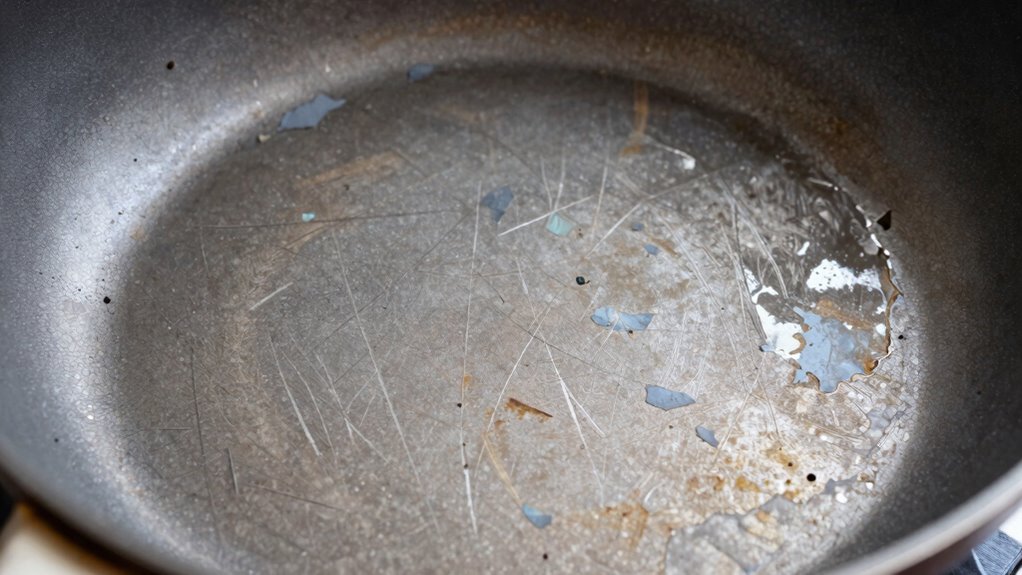

Your nonstick pans often fail early because you may use metal utensils, expose them to high heat, or neglect proper cleaning. Metal tools scratch or gouge the coating, speeding up deterioration. Excessive heat weakens the surface, causing chips or cracks over time. Bad cleaning habits, like abrasive scrubbing, also wear down the coating. Understanding how these factors harm your cookware can help you prevent early damage—keep going to discover more tips for extending your pan’s lifespan.

Get kitchen staples and gadgets delivered free with Prime
- Fast, free delivery on millions of items
- Prime Video, Amazon Music and more included
- Member-only deals all year
Key Takeaways
- Excessive heat accelerates coating degradation, leading to faster wear and early pan failure.
- Using abrasive cleaning methods damages the nonstick surface, reducing its lifespan.
- Metal utensils can scratch or gouge nonstick coatings, causing premature deterioration.
- Poor quality coatings or manufacturing defects shorten the durability of nonstick pans.
- Failure to follow manufacturer guidelines for use and care accelerates early pan failure.
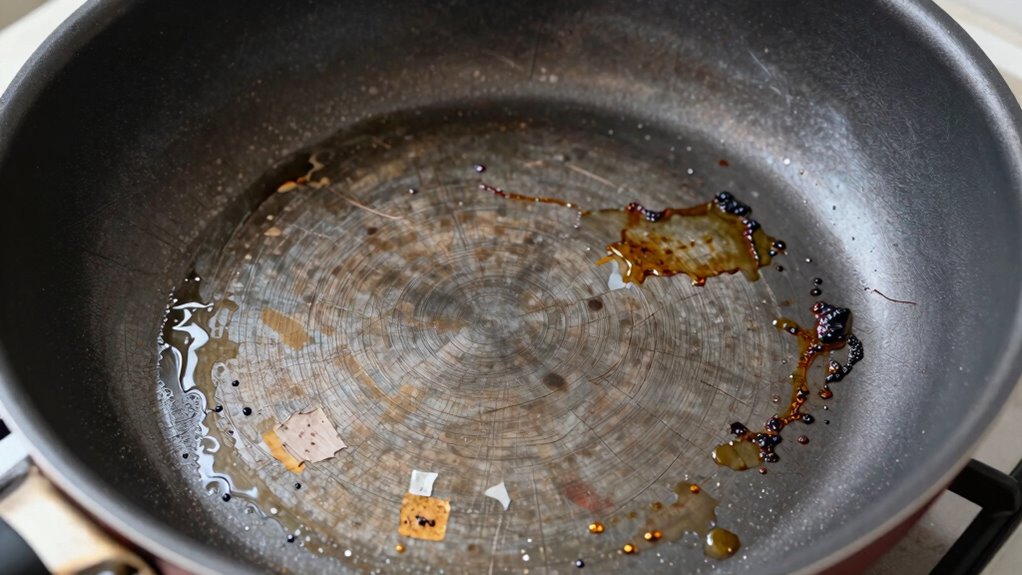
Nonstick pans are a popular choice in many kitchens because they make cooking and cleaning easier, but their durability often raises questions. One common reason a nonstick pan might fail prematurely is due to the type of coating it uses. Ceramic coating, for example, is often marketed as a more durable and eco-friendly alternative to traditional nonstick surfaces. While ceramic coatings resist scratches better than older nonstick options, they still have their limits. Over time, exposure to high heat, metal utensils, or abrasive cleaning methods can cause the ceramic layer to chip, crack, or wear down. If you’re not careful, you might find your ceramic-coated pan losing its nonstick qualities much sooner than expected, forcing you to replace it more often.
Another crucial factor influencing how long your nonstick pan lasts is its metal compatibility. Many nonstick pans are designed to be used with specific types of cookware, especially when it comes to metal utensil compatibility. If a pan isn’t compatible with metal utensils, using them can scratch or gouge the coating, leading to early deterioration. Conversely, some nonstick pans are built to withstand metal utensils, but only if they’re constructed with a sturdy base and coating. If you use metal tools on a delicate coating, you risk damaging the surface, which diminishes its nonstick effectiveness and shortens its lifespan. Always check the manufacturer’s recommendations regarding metal compatibility before using your pan with metal utensils to avoid accidental damage. Additionally, understanding coating durability can help you select the best cookware for long-term use.
As an affiliate, we earn on qualifying purchases.
Frequently Asked Questions
Can Dishwasher Cleaning Damage Nonstick Coatings?
Dishwasher cleaning can damage nonstick coatings because the harsh detergents and high heat often found in dishwashers accelerate wear and tear. You should avoid using this cleaning method to prolong your pan’s lifespan. Instead, hand wash with gentle sponge and mild soap to protect the coating. By doing so, you prevent dishwasher damage and maintain the nonstick surface’s effectiveness longer.
Do Different Brands Use the Same Nonstick Materials?
Think of nonstick pans as a team of actors, each with their own script—brand compatibility varies. Not all brands use the same nonstick materials, leading to coating variations. You can’t assume a pan from one brand will perform or last like another. Always check the manufacturer’s details on coating and compatibility to guarantee you pick the right pan for your needs, avoiding early wear and tear.
Is It Safe to Use Metal Utensils on Nonstick Pans?
Using metal utensils on nonstick pans isn’t recommended because they can scratch the coating, reducing its effectiveness and lifespan. While some believe dishwasher effects might damage nonstick surfaces, it’s best to avoid them altogether, as harsh detergents and high heat can also degrade the coating. To preserve your pan’s nonstick qualities, opt for silicone, wood, or plastic utensils, and hand wash instead of dishwasher cleaning.
How Does Temperature Affect Nonstick Pan Longevity?
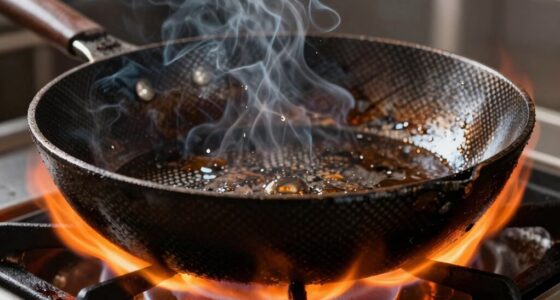
You should avoid exposing your nonstick pan to high heat, as temperature damage accelerates coating degradation. When you crank up the heat, it can cause the nonstick layer to weaken prematurely, shortening its lifespan. To keep your pan in top shape, cook at medium or low temperatures and prevent overheating. This gentle approach preserves the coating, ensuring your nonstick pan stays effective and lasts longer.
Can Nonstick Pans Be Repaired After Coating Wears Off?
You can’t truly repair nonstick pans after their coating wears off, but you can try coating restoration or pan refurbishment. Some DIY kits claim to restore nonstick surfaces, but results vary and durability is limited. For better longevity, consider replacing the pan. Investing in quality nonstick cookware and proper care helps prevent early wear. Remember, a worn coating compromises both performance and safety, so refurbishment is often only a temporary fix.
As an affiliate, we earn on qualifying purchases.
Conclusion
To preserve your nonstick pan’s elegance and longevity, treat it with gentle care. Avoid metal utensils and harsh abrasives, and hand wash instead of dishwasher cleaning. With a little mindful attention, your pan can continue to serve you gracefully, offering effortless cooking and easy cleanup. Remember, a delicate touch now guarantees many more delightful meals later, allowing your beloved cookware to age with dignity and retain its silent charm in your kitchen repertoire.
metal utensil safe nonstick cookware
As an affiliate, we earn on qualifying purchases.
As an affiliate, we earn on qualifying purchases.
As an affiliate, we earn on qualifying purchases.
Halloween Picks
halloween
As an affiliate, we earn on qualifying purchases.