
TL;DR

Get kitchen staples and gadgets delivered free with Prime
- Fast, free delivery on millions of items
- Prime Video, Amazon Music and more included
- Member-only deals all year
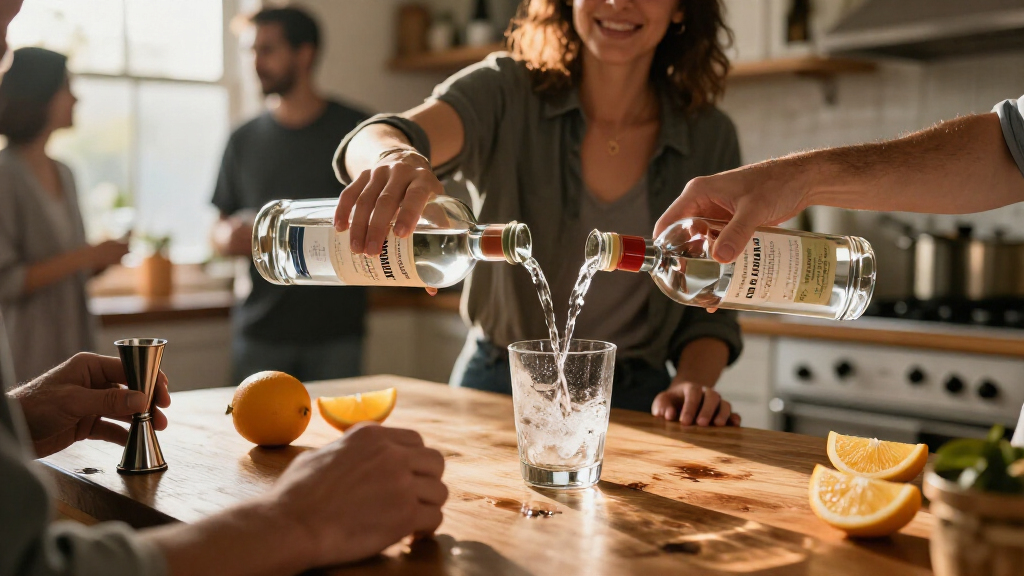
A VinePair report describes how American travelers’ bar habits in Europe can stand out: many arrive with specific Martini preferences, request vodka or familiar U.S. spirits, and readily talk with bartenders and other customers. The bartenders interviewed also describe curiosity and openness among U.S. visitors; the report is based on personal observations, not a representative survey of American drinkers.
A VinePair report describes how U.S. visitors’ bar habits can be recognizable in Europe, from asking for vodka Martinis and familiar American spirits to readily starting conversations with bartenders. The accounts come from hospitality professionals and travelers, not a representative study, but they sketch a contrast between specific drink expectations and growing curiosity about local bars and customs.
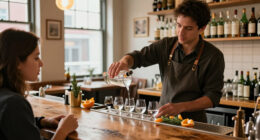
Giorgio Bargiani, assistant director of mixology at London’s Connaught Bar, said American guests often engage staff and other customers soon after arriving. He described that interest as genuine and said conversation can spread across the bar. His observations come from a luxury venue whose clientele includes many North American visitors, so they do not establish how all American tourists behave.
Bargiani also recalled that when he moved to London in 2014, many American guests had a precise idea of how they wanted a Martini, often preferring vodka to gin. The report says Connaught Bar makes about 30,000 Martinis a year. Arturo Burzio, head mixologist at Rosewood Villa Magna in Madrid, said U.S. customers sometimes request blue-cheese-stuffed olives, specific American spirits, or familiar drinks such as a Cosmopolitan or vodka cranberry.
Burzio also described requests to make Margaritas “without sugar,” even though, as the report notes, a traditional Margarita does not require added sugar. The article presents these examples as bartenders’ experiences with particular customers, rather than evidence of how frequently the orders occur across Europe. It also notes that drink menus and customary preparations differ by place, which can make a familiar U.S. order less standard abroad.
How Bar Orders Cross Cultures
The report matters as a look at how travel habits meet local hospitality: a request that feels ordinary to a visitor can signal a preference for familiar brands or U.S.-style drinks to a bartender elsewhere. Specific substitutions and garnishes can also prompt a conversation about ingredients, local specialties, and how a drink is usually made.
The piece does not argue that travelers should conceal their preferences. Chicago-based wine consultant Regine Rousseau instead describes asking bartenders what they make especially well and allowing the setting to guide her choice. That approach offers readers a practical way to engage with a bar without pretending to have local expertise: ask about the menu, listen to the answer, and order what suits them.
As an affiliate, we earn on qualifying purchases.
A Familiar Martini Abroad
The report places these bar anecdotes against rising U.S. travel to Europe. It cites International Trade Administration data showing international travel among U.S. tourists rose about 71 percent over the decade. It also cites a Wall Street Journal report that Americans took a record 24 million trips to Europe in 2025, with a further 5 percent increase forecast by the end of the following year. Those figures give scale to travel, but they do not measure drinking behavior or establish that travelers’ preferences have changed.
Rousseau, a Haitian-American traveler who says she often stands out in the places she visits, told VinePair she does not prioritize blending in. She said she prefers spending time in a place, talking with people, and learning about its culture. Her perspective complicates the familiar tourist stereotype: being a considerate visitor does not require hiding one’s identity, while openness to local recommendations can make an encounter more reciprocal.
“There is always interest that, in my eyes, feels genuine.”
— Giorgio Bargiani
As an affiliate, we earn on qualifying purchases.
Anecdotes, Not a National Survey
The report does not provide a survey measuring how often Americans order vodka Martinis, request substitutions, or speak with strangers in European bars. Its examples are bartenders’ personal observations and individual travel experiences, which may reflect the venues and guests they encounter rather than U.S. travelers as a whole.
The supplied article material also does not specify a publication date, name the source methodology behind the travel forecast, or establish whether American ordering habits have changed over time. The claim that curiosity is increasingly common is an impression from those interviewed, not a measured trend. Local menus and practices vary, and the report does not catalogue those differences by country.
As an affiliate, we earn on qualifying purchases.
What Travelers Can Ask
The report points to a simple next step for visitors: ask a bartender about the house specialty or a local drink before assuming a familiar order is standard. Rousseau said she asks what a bartender makes especially well; the question lets staff share their expertise while leaving room for a guest’s preferences.
No follow-up study or additional data is identified in the source material. Whether travelers are becoming more open to local drinks remains unmeasured. For now, the article offers a set of reported observations rather than a forecast: American customers may bring specific expectations to the bar, while curiosity and conversation can shape the encounter.
As an affiliate, we earn on qualifying purchases.
Key Questions
What does the report say makes American drinkers recognizable in Europe?
Bartenders interviewed by VinePair described specific Martini preferences, requests for familiar U.S. spirits or drink styles, and a readiness to begin conversations. These are anecdotes, not findings from a representative survey.
Do American visitors tend to prefer vodka Martinis?
Bargiani said he had often encountered American guests who preferred vodka over gin in Martinis. The report does not give figures showing how common that preference is among U.S. travelers.
What substitutions or requests did bartenders mention?
The examples include blue-cheese-stuffed olive garnishes, specific American spirits, and familiar orders such as a Cosmopolitan or vodka cranberry. Burzio also said some customers ask for Margaritas “without sugar.”
Does the report show that American travelers are changing their habits?
No. Interviewees described curiosity and openness among some U.S. visitors, but the source provides no survey or time-series data establishing a change in ordering habits.
Source: rss
Fall Picks
fall essentials
As an affiliate, we earn on qualifying purchases.