
TL;DR

Get kitchen staples and gadgets delivered free — and shop member deals
- Fast, free delivery on millions of items
- Access to Prime Big Deal Days deals on October 6–7
- Prime Video, Amazon Music and more included
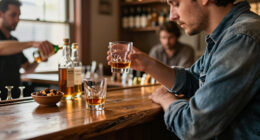
VinePair has spotlighted 10 bottles made in Mexico that show the range of the country’s drinking culture beyond tequila and mezcal. The list includes gin, orange liqueur, aperitivo, sake, rum, whiskey and sotol; it is a curated selection, not a ranking or an announcement of new releases.
VinePair has highlighted 10 bottles made in Mexico that reach beyond tequila and mezcal, including gin, orange liqueur, aperitivo, sake, rum, whiskey and sotol. The guide brings attention to producers and regional ingredients that can be less familiar to drinkers than Mexico’s two best-known spirits categories.
The selections reflect different ingredients and production traditions rather than a single style. Condesa Clásica Gin, made in Mexico City, uses botanicals including palo santo, sage, myrrh and jasmine alongside juniper and coriander. Yucatán ingredients feature in Alma Finca Orange Liqueur, which combines bitter and sweet oranges with citrus leaves, allspice and achiote. Mexico City-made Primo Aperitivo draws on grapefruit, hibiscus, guajillo chile and cacao, as well as bitter roots and other botanicals.
The list also includes NAMI Tokubetsu Junmai, a sake produced in Culiacán using Yamada-nishiki rice, and Uruapan Charanda Blanco, a Michoacán rum made with sugarcane juice and molasses. Maíz Nation Blanco Whiskey is distilled from four native corn varieties sourced from small farmers. In Oaxaca, Alambique Serrano Cartier 30 is made from organic Java sugarcane and fresh cane juice. The source also profiles Parejo Bienvenido Fernández Sotol Cedrosanum, a spirit made from Dasylirion, a desert plant rather than agave.
Mexico’s Bottles Beyond Agave
The guide offers readers a broader view of Mexico’s beverage production, where local crops, regional methods and newer interpretations sit alongside better-known agave spirits. That range can matter to drinkers looking for bottles suited to different occasions: gin and aperitivo for cocktails, sake for seafood, or cane-based spirits and whiskey to explore distinct grain and fermentation profiles.
It also highlights how drink professionals are putting these products to use. Bartenders cited in the report recommend Condesa gin in Gimlets, Negronis and Martinis, and suggest Primo in a spritz or in place of another bitter aperitivo. Chef Johnny Curiel recommends pairing NAMI sake with crudo and using Cartier 30 in a Daiquiri. These are attributed serving suggestions, not claims that the bottles are widely available or suited to every palate.
As an affiliate, we earn on qualifying purchases.
A Wider Mexican Drinks Landscape
Tequila and mezcal remain Mexico’s most familiar spirits internationally, but the report points to a wider set of drinks, from pulque and tepache to regional distillates such as bacanora, raicilla, charanda and sotol. These products differ in raw ingredients and production, so the list should not be read as a single category or as a complete survey of Mexican drinks.
Some bottles carry specific cultural or regional associations. Charanda has a protected Mexican Denomination of Origin, according to the source. The report says the Krassel family has distilled aguardiente in Oaxaca since the 1930s and describes Cartier 30 as being produced in the high-altitude area of Santa María Tlalixtac. It also notes that reaching the distillery involves a long trip on an unpaved road, illustrating the logistics behind a small-scale producer rather than establishing anything about the bottle’s distribution.
“Mexico has some of the most incredible distilling traditions, ingredients, and producers in the world.”
— Gabe Ford, bar director at Modern Bar in Austin
As an affiliate, we earn on qualifying purchases.
Availability and Selection Limits
The source presents a curated list of 10 bottles, not a ranking, sales report or comprehensive account of Mexican production. It does not provide prices, current retail availability, export markets or a publication date in the supplied material. Availability may vary by location, and the article does not establish whether each bottle can be purchased outside Mexico.
The supplied excerpt ends during its discussion of sotol and does not include the remaining entries in the original list. Details about those bottles, as well as independent verification of production claims and tasting descriptions, are not available in the material provided here.
Mexican sake NAMI Tokubetsu Junmai
As an affiliate, we earn on qualifying purchases.
As an affiliate, we earn on qualifying purchases.
Finding the Bottles Locally
Readers interested in the selections can check with specialist bottle shops, bars and importers for current stock and regional distribution. The source offers cocktail and food-pairing ideas, but it does not say when or where the bottles will become more widely available. Any future availability or production updates would need confirmation from the producers or retailers.
Mexican rum Uruapan Charanda Blanco
As an affiliate, we earn on qualifying purchases.
As an affiliate, we earn on qualifying purchases.
Key Questions
Which Mexican-made bottles are included in the report?
The supplied material names Condesa Clásica Gin, Alma Finca Orange Liqueur, Primo Aperitivo, NAMI Tokubetsu Junmai, Uruapan Charanda Blanco, Maíz Nation Blanco Whiskey, Alambique Serrano Cartier 30 and Parejo Bienvenido Fernández Sotol Cedrosanum. The excerpt does not show the other two entries.
Is sotol made from agave?
No. The report says sotol is distilled from Dasylirion, a desert plant native to northern Mexico, and notes that it is sometimes mistaken for an agave spirit.
What is NAMI Tokubetsu Junmai?
It is a sake made in Culiacán, Mexico. The report says the producers use Yamada-nishiki rice and learned the traditional brewing process from a Japanese master sake brewer.
Does the report say where these bottles are available?
No. The supplied source material does not list prices, retailers, export markets or current stock. Check with local specialist shops, bars or importers for availability.
Source: rss
Halloween Picks
halloween
As an affiliate, we earn on qualifying purchases.