TL;DR
A Kitchn article describes a chef’s recommendation to keep a small handheld vacuum for kitchen and dining-area crumbs. The writer reports the tip and explains its intended use, but says she has not yet bought one; the time-saving benefit is the chef friend’s claim, not a measured result.
A Kitchn writer says a chef friend recommended keeping a small handheld vacuum dedicated to the kitchen and dining area to collect dry crumbs before wiping counters. The writer presents the advice as a possible way to reduce routine cleanup, but says she has not yet bought a kitchen vacuum, so the article does not report her own results using one.

Get kitchen staples and gadgets delivered free with Prime
- Fast, free delivery on millions of items
- Prime Video, Amazon Music and more included
- Member-only deals all year
The chef friend told the writer to keep a vacuum used only in food-preparation and dining areas, rather than bringing in a household vacuum used elsewhere. The reasoning offered is to avoid using the same cleaner around food surfaces that has been used in bathrooms or other parts of the home. The source does not establish that a separate vacuum is necessary for food safety; it presents this as the friend’s practical preference.
The friend says she uses the handheld device to pick up meal crumbs, food particles, and toaster debris, including crumbs on counters, chairs and stovetops. The article also suggests it may help with dust, lint and pet hair, and calls it useful for homes with babies or toddlers who scatter food. These are examples of possible household uses, not independently tested findings.
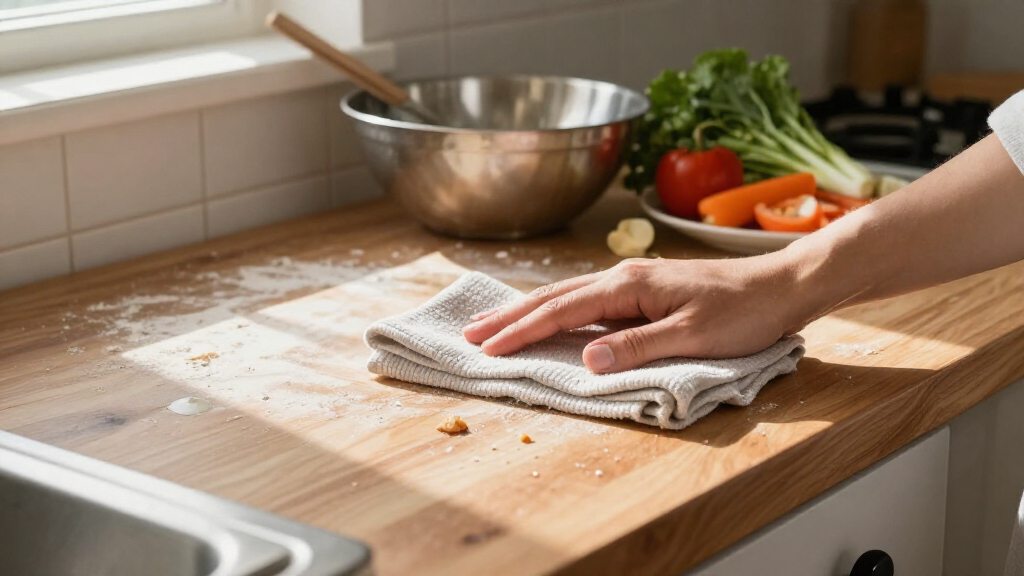
The suggested sequence is to remove dry debris first, then use a damp cloth or sponge for sticky residue. The chef says this saves time compared with wiping up crumbs directly, which can leave a sponge or rag dirty. The article also mentions the KitchenAid Go Cordless Kitchen Vacuum, citing positive comments from two staff members, including one who says she uses it several times a day. The report does not compare models or provide independent performance tests.
A Dry-Cleaning Step Before Wiping
The recommendation is a small change to an everyday kitchen routine: vacuum loose crumbs first, then wipe surfaces that need damp cleaning. For people who find that wiping spreads crumbs or quickly soils a sponge, the method may make tidying easier. The chef’s reported experience is that the vacuum collects crumbs in seconds, but the article supplies no measured time savings or broader evidence that the approach works better for every kitchen.
Keeping the device in food areas also reflects a household preference for separating cleaning tools by location. That may reassure someone who does not want to use a vacuum elsewhere and then near food. It should not be confused with a complete sanitation step: the article says damp wiping remains necessary for sticky residue and does not claim a vacuum disinfects counters or removes all food contamination.
Products Worth Considering

Cuisinart 7-in-1 Air Fryer Toaster Oven, 1800W, TOA-55

KitchenAid Classic Series 4.5-Quart Tilt-Head Stand Mixer, Onyx Black

Traeger Pro 22 Wood Pellet Grill & Smoker
As an affiliate, we earn on qualifying purchases.
How the Kitchen Vacuum Tip Works
The report began with a writer’s account of advice from a chef friend, who described the handheld vacuum as part of her kitchen-cleaning routine. The writer framed the idea around a familiar problem: wiping dry crumbs can make a cloth or sponge messy, while brushing crumbs away by hand can be unpleasant. The proposed fix is a two-step routine: remove dry particles, then wipe as needed.
The article names the KitchenAid Go Cordless Kitchen Vacuum as a product that two Kitchn or Apartment Therapy staff members like. It notes that the rechargeable battery works with other appliances in the KitchenAid Go line and that the vacuum has attachments, including a crevice tool. The source also includes a standard disclosure that The Kitchn may earn a commission from purchases through its links; it does not state a price in the supplied material.
““Keep a small handheld vacuum that is strictly for the dining room and kitchen.””
— The Kitchn writer’s chef friend
Results and Hygiene Claims Unverified
The writer says she has not purchased her own handheld vacuum, so whether the tip changes her routine or reduces her cleaning time remains unknown. The source provides no controlled comparison, measured time savings, product testing, price information or evidence about how well different models handle food debris.
It is also unclear how much a separate kitchen vacuum reduces hygiene risks. The article reports the chef friend’s reason for keeping one apart from household vacuums but offers no research or food-safety guidance establishing that this separation is required. A vacuum’s suitability for a particular surface, its cleaning and maintenance needs, and whether it can safely handle specific debris depend on the device and its instructions; those details are not covered in the report.
Whether the Writer Tries It
The writer says she is considering the KitchenAid Go model, but the supplied report does not confirm a purchase or describe follow-up results. The next development for readers is therefore whether she tests the routine herself and reports on its effect on cleanup. For now, the advice remains a chef’s practical recommendation, supported in the article by staff members’ personal use of one product rather than comparative testing.
Key Questions
What did the chef recommend?
She recommended keeping a small handheld vacuum used only in the kitchen and dining area to collect dry crumbs before wiping surfaces.
Does the writer say she has stopped using paper towels?
No. Although the headline says “I Ditched Paper Towels,” the article says the writer has not yet bought her own kitchen handheld vacuum. It does not report that she stopped using paper towels.
What is the vacuum meant to clean?
The suggested uses include dry crumbs on counters, chairs and stovetops, plus toaster debris and other loose particles. The article also mentions dust, lint and pet hair as possible uses.
Does vacuuming replace wiping the counter?
No. The described routine uses the vacuum for dry debris, followed by damp wiping for sticky residue. The article does not claim the vacuum sanitizes or disinfects counters.
Which vacuum does the article mention?
It mentions the KitchenAid Go Cordless Kitchen Vacuum, citing favorable comments from two staff members. The source does not provide independent comparisons or test results.
Source: thekitchn.com