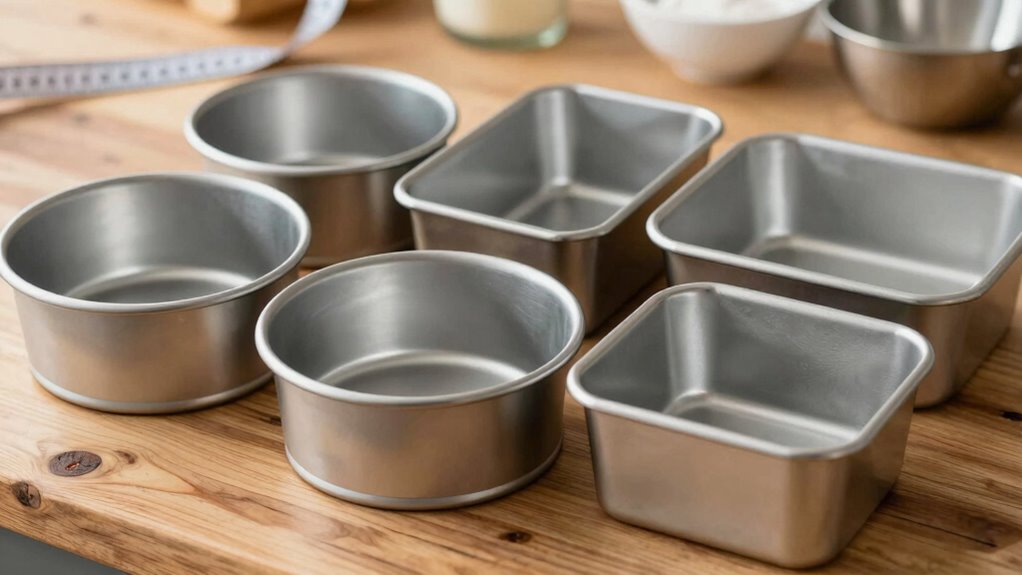

To choose bakeware sizes that fit your recipes, always check the recipe’s recommended pan dimensions first. Think about how much batter or ingredients you need to prevent overflow or under-baking. Consider your storage options—stackable or versatile pans save space. Keep in mind that different materials heat differently, affecting your size choice for the best results. Curious how to balance all these factors? Keep going, and you’ll discover more helpful tips.

Get kitchen staples and gadgets delivered free — and shop member deals
- Fast, free delivery on millions of items
- Access to Prime Big Deal Days deals on October 6–7
- Prime Video, Amazon Music and more included
Key Takeaways
- Always check your recipe’s recommended pan dimensions before selecting bakeware.
- Match the bakeware size to the recipe’s batter capacity to prevent overflow or under-baking.
- Consider material properties that influence heat distribution and baking time for optimal results.
- Opt for versatile, standard sizes like 8-inch or 9-inch to accommodate a wide range of recipes.
- Ensure the bakeware fits your storage space without cluttering or hindering organization.
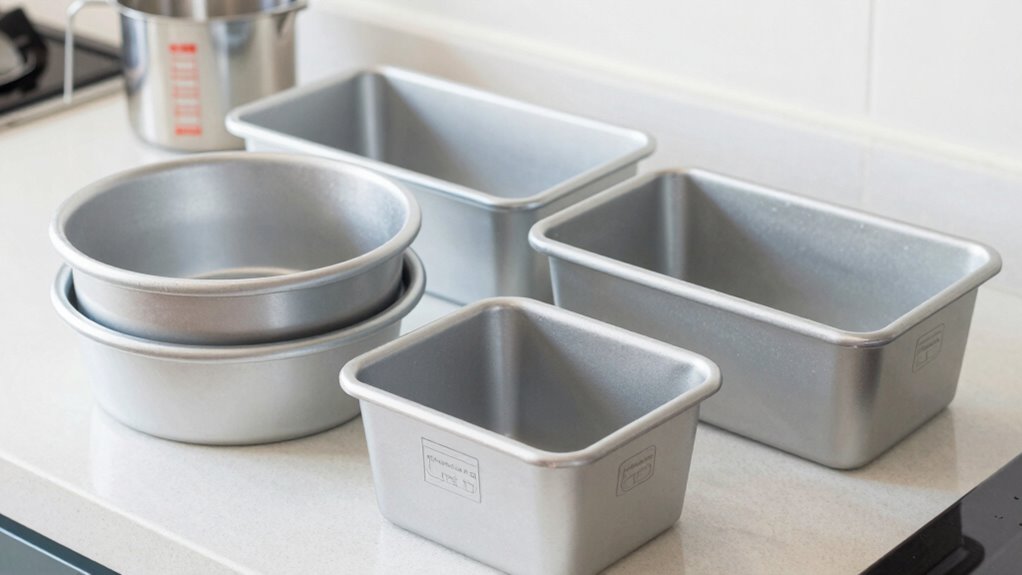
Choosing the right bakeware size is essential for achieving perfect results in your baking projects. When selecting bakeware, you need to think about how well it suits your recipes and your kitchen setup. Your baking material preferences play a role here — whether you prefer non-stick coatings, glass, metal, or silicone can influence the size and shape of the bakeware you choose. For example, metal pans tend to heat faster and promote browning, which might be ideal for cookies or crusts. Glass pans, on the other hand, distribute heat more evenly and are great for casseroles or layered desserts. Knowing your preferred materials helps you make smarter decisions about sizes that deliver the best results for your favorite recipes.
Choosing the right bakeware material influences heat distribution and baking results for your favorite recipes.
Another crucial factor to consider is storage space considerations. If your kitchen has limited storage, you might want to opt for versatile, stackable bakeware that can serve multiple purposes and fit neatly into your cabinets or drawers. Smaller or collapsible options can also save space, but make sure they still meet the size requirements of your recipes. Oversized or bulky bakeware can clutter your storage and make it difficult to keep your kitchen organized. On the flip side, having a variety of sizes on hand allows you to choose the perfect fit for each recipe, preventing batter overflow or under-baking. Think about how you typically store your bakeware and select sizes that won’t overcrowd your space but still give you enough options.
When it comes to choosing sizes that actually fit your recipes, you should always check the recommended pan dimensions in your recipe. Baking times and results can be significantly affected if your pan is too small or too large. For example, a standard 9-inch round cake pan is ideal for many cakes, but if you try to bake a tall, layered cake in a smaller pan, your layers might overflow or turn out too thin. Conversely, using a larger pan than the recipe calls for could result in underbaking or a flatter cake. Keep a few standard sizes handy — like 8-inch, 9-inch, and 9×13-inch pans — to accommodate a variety of recipes without cluttering your storage space. Additionally, understanding the baking pan dimensions can help you choose the most suitable size and shape for your specific recipes.
Ultimately, choosing bakeware sizes that truly fit your recipes involves balancing your baking material preferences with your available storage space. By understanding what works best for your recipes and your kitchen setup, you’ll produce better baking results and keep your space organized. This thoughtful approach ensures you’re always prepared with the right tools to create delicious baked goods without unnecessary clutter or compromise.
As an affiliate, we earn on qualifying purchases.
Frequently Asked Questions
How Do I Convert Recipes for Different Bakeware Sizes?
To convert recipes for different bakeware sizes, start with recipe scaling based on the change in volume or surface area. Measure your original and new pan dimensions carefully and perform pan dimension conversion to determine the right ingredient adjustments. If your new pan is larger, increase ingredients proportionally; if smaller, decrease them. This guarantees your baked goods turn out perfect, no matter the pan size you select.
Can I Use Glass Bakeware Instead of Metal?
Can you swap glass for metal? Absolutely, but keep in mind glass safety and metal heat conduction. Glass bakeware heats more evenly and tends to be safer at lower temperatures, but it also heats up slower and can shatter with sudden temperature changes. Metal conducts heat faster, giving you crispier edges. So, while you can substitute, adjust your baking time and temperature to avoid surprises.
What Are Common Mistakes When Measuring Bakeware?
You often make mistakes with measuring accuracy by not double-checking your bakeware’s size or ignoring the material. Bakeware material affects heat conduction, so using the wrong size can lead to uneven baking. To avoid errors, always confirm the exact dimensions before measuring and consider how different materials, like glass or metal, influence baking times. Precise measurements guarantee your recipes turn out perfect every time.
How Do I Prevent Sticking With Different Sizes?
You can prevent sticking by choosing bakeware with non-stick coatings or lining your pans with parchment paper. Coincidentally, a simple swipe of non-stick spray also helps, but parchment paper offers a reliable barrier, especially for delicate baked goods. Always guarantee your bakeware is clean and dry before use, and avoid overcrowding pans, which can cause sticking and uneven baking. These small steps make a big difference in successful, mess-free results.
Are There Specific Sizes for Dietary or Gluten-Free Baking?
Yes, there are specific sizes for dietary or gluten-free baking. You should look for gluten-free pans and dietary-specific bakeware designed to accommodate recipes with unique ingredient needs. These pans often come in standard sizes but may have features like non-stick surfaces or special coatings to prevent sticking and guarantee even baking. Choosing the right size ensures your gluten-free or dietary-specific baked goods turn out perfectly, without crumbling or sticking.
As an affiliate, we earn on qualifying purchases.
Conclusion
Choosing the right bakeware size isn’t just about measurements—it’s about understanding your recipes and how they’ll turn out. Think of it this way: using the perfect size is like finding the missing puzzle piece that completes your baking masterpiece. Don’t just rely on standard sizes; experiment and adjust to see what works best for you. When you do, baking becomes less guesswork and more about creating delicious results every time.
As an affiliate, we earn on qualifying purchases.
As an affiliate, we earn on qualifying purchases.
Halloween Picks
halloween
As an affiliate, we earn on qualifying purchases.