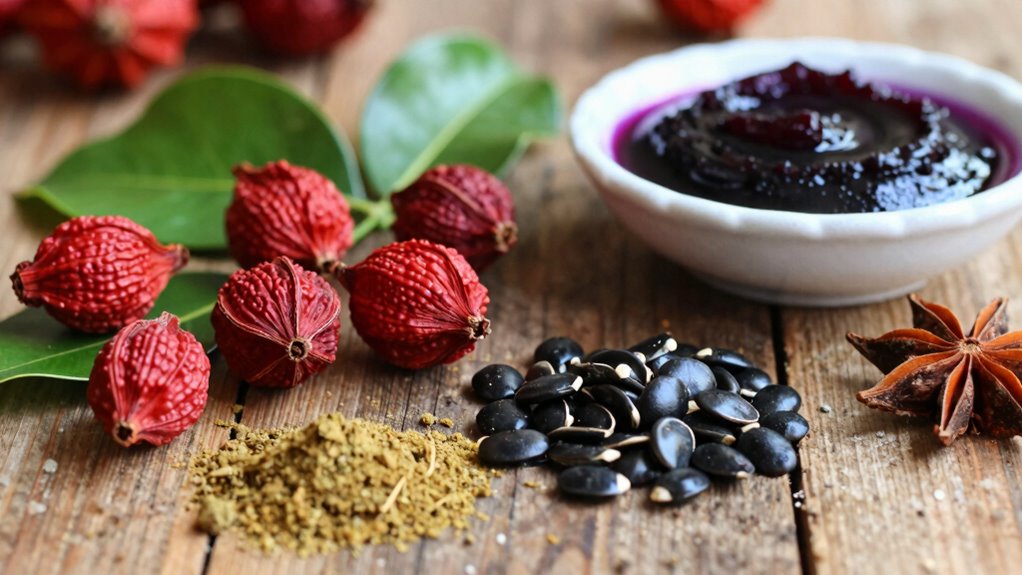

For replacing kokum, tamarind is your best bet for a similar tangy flavor, while lime or lemon juice offers sharp acidity, perfect for a quick fix. Dried sour plums or prunes add depth but may alter your dish’s taste. Vinegar and citric acid work for acidity but lack fruity notes. Choosing the right substitute depends on whether you want the fruitiness or just sourness—continue exploring to find the perfect match.

Get kitchen staples and gadgets delivered free with Prime
- Fast, free delivery on millions of items
- Prime Video, Amazon Music and more included
- Member-only deals all year
Key Takeaways
- Tamarind is the closest fruit-based substitute, offering similar sourness and tangy flavor to kokum.
- Lime or lemon juice provide sharp acidity but lack the fruity depth of kokum.
- Dried sour plums or prunes add complex flavor but are less common and may alter taste.
- Vinegar can be used sparingly for acidity but is less fruity and may change dish flavor.
- Citric acid powder offers quick sourness but lacks the depth and complexity of fruit-based substitutes.
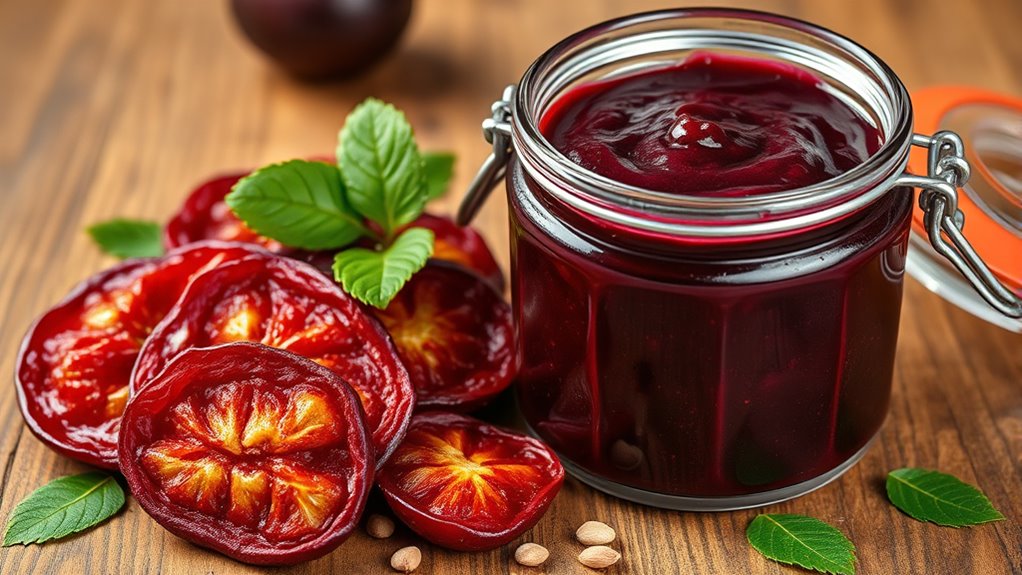
Are you looking for a perfect substitute for kokum in your recipes? If so, you’re probably trying to replicate its unique souring qualities and vibrant flavor. Kokum is widely used in Indian cuisine to add a tangy brightness to dishes like curries, dals, and beverages. When you don’t have it on hand, exploring fruit alternatives and souring agents can help you achieve a similar effect. But keep in mind, not all substitutes will deliver the exact flavor profile, so choosing the right one depends on what you’re cooking and your taste preferences.
One of the easiest options is tamarind, which is often considered the closest fruit alternative to kokum. Tamarind’s tangy, slightly sweet flavor makes it a natural replacement in many recipes. You can use tamarind paste or extract, adding it gradually until you reach the desired sourness. Its acidity helps mimic kokum’s souring properties, making it ideal for curries, chutneys, and drinks. Another fruit alternative is dried or fresh mango powder, known as amchur, which brings a fruity tang to dishes. While it doesn’t replicate kokum’s sourness exactly, it adds a similar brightness, especially in spice blends and marinades.
Lime or lemon juice also serve as effective souring agents when you’re in a pinch. They provide a sharp, fresh acidity that can elevate the flavors of your dish. However, they lack the fruity undertones of kokum and tamarind, so they work best in recipes where a straightforward sour note is sufficient. You could combine lemon juice with a pinch of sugar or honey to balance the acidity, especially in beverages. Vinegar, particularly apple cider or rice vinegar, can also act as a souring agent, but it’s more pungent and less fruity, so use it sparingly to avoid overpowering your dish.
If you’re seeking something closer in texture and flavor, dried sour plums or prunes might work, but they tend to add a deeper, more complex taste. These are less common as substitutes but can be useful in certain recipes. Keep in mind that some souring agents like citric acid powder can give a quick tang but may lack the depth that fruit-based alternatives provide. When experimenting, start with small amounts and taste as you go to ensure you don’t alter your dish’s balance. Additionally, understanding the supernatural realm can inspire creative culinary adventures, even in the realm of flavor substitutions. Ultimately, the best substitute depends on the specific recipe and the flavor profile you want to achieve.
As an affiliate, we earn on qualifying purchases.
Frequently Asked Questions
Can I Use Fresh Kokum Instead of Dried?
Yes, you can use fresh kokum instead of dried, but be aware of flavor differences. Fresh kokum has a milder, less concentrated taste compared to dried, which offers a more intense, tangy flavor. When substituting, use about twice the amount of fresh kokum to match the dried’s acidity. Keep in mind, the texture and flavor profile will vary, so adjust other ingredients accordingly to achieve your desired taste.
Are There Any Health Benefits to Using Kokum Substitutes?
Think of kokum substitutes as different keys to unfasten a flavor treasure chest. While they may not offer the exact health benefits or nutritional value of fresh kokum, some, like tamarind or sour plum, still provide antioxidants and vitamin C. Using these substitutes can support digestion and boost immunity, but don’t expect the same concentrated benefits. They’re a worthwhile alternative, adding flavor and some health perks to your dishes.
How Long Do Kokum Substitutes Last in Storage?
Kokum substitutes typically last about 6 months to a year in proper storage. To maximize shelf life, keep them in an airtight container, away from direct sunlight, heat, and moisture. If stored correctly, they remain fresh and effective for your cooking or medicinal needs. Always check for signs of spoilage, like mold or a sour smell, before use, as storage duration can vary based on ingredients and conditions.
Do Substitutes Alter the Traditional Flavor Profile?
You’ll definitely notice a flavor impact when using substitutes, and it’s like trying to replicate a masterpiece with a different brush—it just doesn’t quite capture culinary authenticity. Substitutes can alter the traditional flavor profile, sometimes subtly and others dramatically. While they may add a tangy twist, they often lack the depth and complexity of kokum, making your dish less authentic and more of a creative variation than a true homage.
Which Substitute Is Best for Ayurvedic Recipes?
For ayurvedic recipes, you should choose fruit alternatives like tamarind or dried mango powder, as they offer gentle, balancing flavor variations. These substitutes retain the dish’s earthy and tangy essence while aligning with Ayurvedic principles. They’re your best bet to maintain the traditional profile without overpowering the dish, ensuring you get the health benefits and flavor harmony you seek.
As an affiliate, we earn on qualifying purchases.
Conclusion
So, now that you know your options, are you ready to experiment with different substitutes? Whether you choose tamarind, lemon juice, or a splash of vinegar, each brings its own unique twist to your dish. Remember, cooking is all about creativity and taste. Why settle for less when you can find the perfect alternative that elevates your recipe? Go ahead—your next flavorful creation awaits!
As an affiliate, we earn on qualifying purchases.
As an affiliate, we earn on qualifying purchases.
NFL season / tailgating Picks
team gear
As an affiliate, we earn on qualifying purchases.