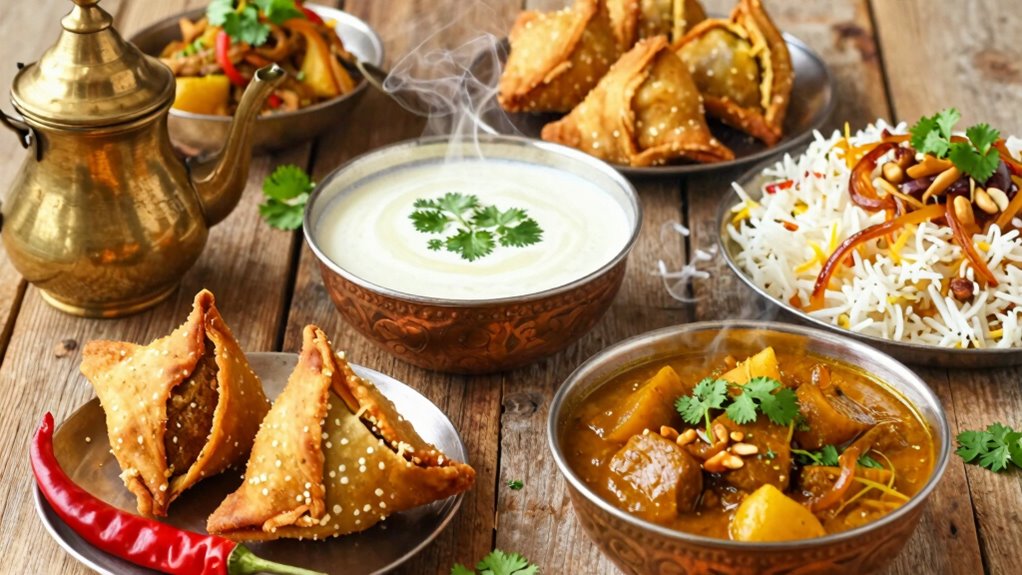

Sindhi cuisine showcases a vibrant blend of flavors that have traveled across borders, thanks to its rich history and cultural exchanges. You’ll find traditional cooking methods like slow simmering and steaming combined with bold spices such as cumin, coriander, and turmeric, creating dishes that excel in depth and aroma. Modern twists and fusion recipes introduce global ingredients while respecting authentic roots. To uncover how these timeless flavors evolved and adapted, explore more about Sindhi’s culinary journey.
Key Takeaways
- Sindhi cuisine blends traditional spices like cumin, coriander, and turmeric, showcasing its rich cultural heritage and regional flavors.
- The use of slow cooking and steaming techniques preserves authentic tastes while allowing adaptation to modern tastes.
- Fusion recipes incorporate global ingredients, making Sindhi dishes appealing across borders and diverse culinary contexts.
- Modern presentation and healthier versions of traditional dishes help introduce Sindhi flavors to international audiences.
- Culinary techniques and ingredients connect Sindhi cuisine to its cultural history, making it a vibrant, evolving culinary tradition worldwide.
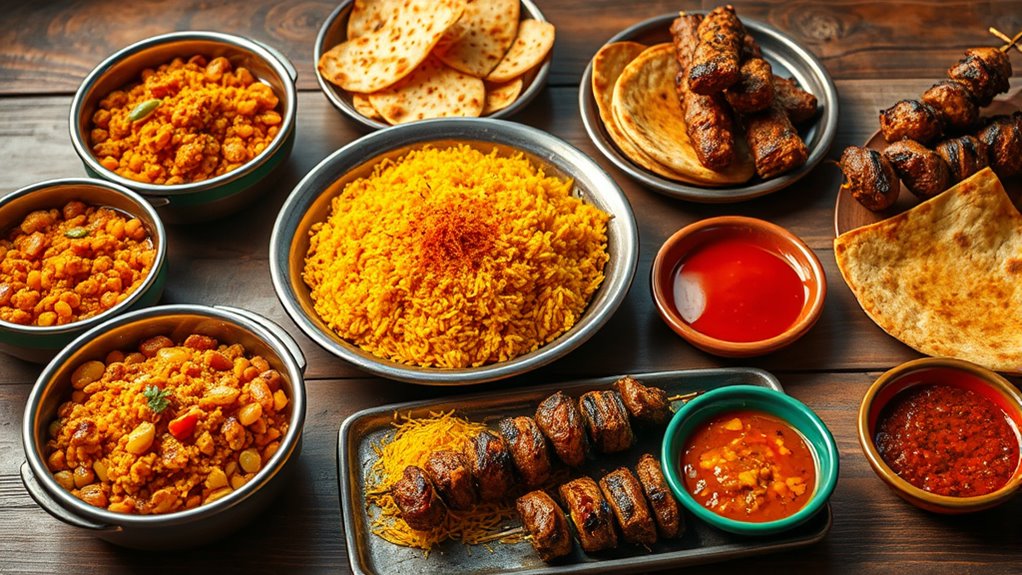
Sindhi cuisine offers a vibrant blend of flavors that reflect the rich cultural heritage of the Sindh region. As you explore these dishes, you’ll notice a strong emphasis on traditional cooking methods that have been passed down through generations. These methods often involve slow cooking, unique spice blends, and the use of locally sourced ingredients, creating a taste that’s both hearty and authentic. You’ll find that many recipes have stood the test of time, maintaining their original essence while still adapting to modern tastes. This balance between tradition and innovation is what makes Sindhi cuisine so fascinating and accessible today.
Sindhi cuisine blends tradition and innovation through slow cooking, unique spices, and locally sourced ingredients.
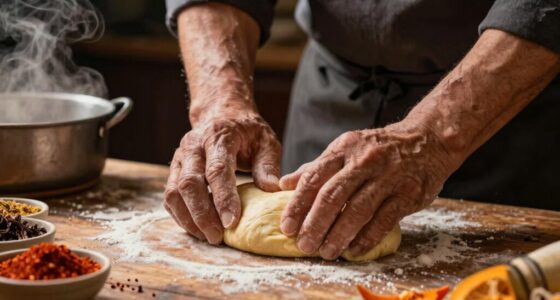
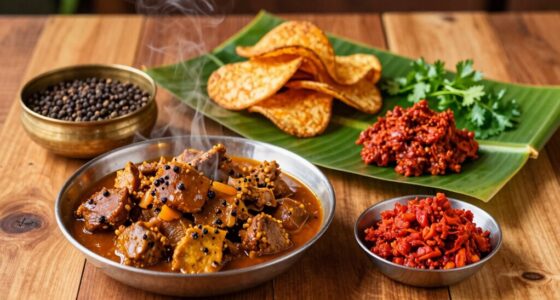
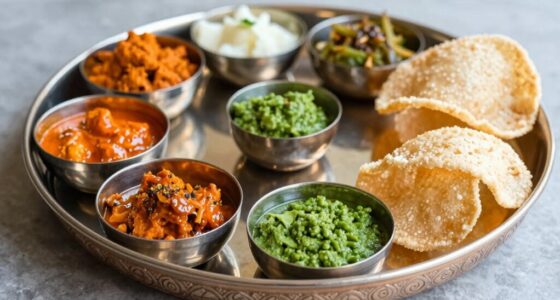
When you explore traditional cooking, you’ll discover how the use of spices like cumin, coriander, turmeric, and red chili powder forms the backbone of many dishes. These spices are carefully roasted and ground to enhance flavor, often combined with ingredients like lentils, rice, and vegetables. Traditional Sindhi dishes such as Sai Bhaji (a vegetable stew) and Koki (a flatbread) showcase the simplicity yet richness of local culinary techniques. The cooking process typically involves slow simmering or steaming, which helps meld flavors and develop depth in every bite. These methods create a comforting experience that connects you to the region’s history and cultural identity.
At the same time, modern adaptations have brought new life to Sindhi cuisine. Chefs and home cooks alike experiment with fusion recipes, incorporating global ingredients and contemporary presentation styles without losing the essence of traditional flavors. For example, you might find a modern twist on Sindhi Biryani, combining fragrant spices with innovative cooking techniques or presentation styles that appeal to today’s food enthusiasts. These adaptations allow the cuisine to reach a broader audience while respecting its roots. It’s common now to see street-style Sindhi dishes served with a modern plating or to find healthier versions that use less oil and salt, catering to changing dietary preferences.
Whether you’re savoring a classic dish prepared exactly as it’s been done for generations or trying a new, inventive take, the core of Sindhi cuisine remains rooted in its vibrant history. The interplay of traditional cooking and modern adaptations ensures that the flavors continue to evolve, inviting you to appreciate its depth and diversity. Additionally, the incorporation of sauna and cold‑plunge systems in culinary spaces has been gaining popularity as a way to enhance relaxation and well-being while enjoying these flavorful dishes. As you taste these dishes, you’re experiencing a culinary journey that honors the past while embracing the future, making Sindhi cuisine a truly dynamic and enduring part of South Asian food culture.

TIMBER TASTE® World Spice Sampler Set – 5 Exotic Blends Chimichurri Chakalaka Paella Tandoori Tzatziki | Mens Gifts Spice Gift Set Foodie Cooking Kit | Gourmet Basket – Birthday Gift for Him
ELEVATES EVERY MEAL – Ideal mens gift basket arrives packed with 5 artisan blends from five continents -…
As an affiliate, we earn on qualifying purchases.
As an affiliate, we earn on qualifying purchases.
Frequently Asked Questions
What Are the Key Spices Used in Sindhi Cooking?
You’ll notice that Sindhi cooking relies on key spices like cumin, coriander, turmeric, and red chili powder, which form the base of many spice blends. These spices contribute to the rich regional flavor profiles that define Sindhi dishes. You’ll find a balance of heat, earthiness, and aroma, making the cuisine unique. Incorporate these spices to bring authentic Sindhi flavors into your cooking and enjoy a taste of tradition.
How Has Sindhi Cuisine Influenced Neighboring Regional Dishes?
You might think Sindhi cuisine just stays within its borders, but no, it’s the culinary diplomat of the region. Through cross-cultural fusion, it’s infused neighboring dishes with bold spices and unique flavors, transforming humble recipes into delectable masterpieces. This culinary diplomacy sparks a delicious exchange, making regional dishes more vibrant and diverse. So, next time you savor a spicy bite, remember, Sindhi cuisine’s influence is quietly bridging borders, one flavorful dish at a time.
Are There Vegetarian Sindhi Recipes Traditionally Passed Down?
Yes, you’ll find plenty of vegetarian delicacies in Sindhi cuisine, traditionally passed down through generations. These traditional plant-based recipes often feature ingredients like lentils, vegetables, and spices, creating flavorful dishes that are both hearty and healthy. From spicy dal to vegetable curries, Sindhi recipes emphasize vegetarian options that reflect their cultural values and rich culinary heritage, making them beloved staples in Sindhi households.
What Are Some Common Sindhi Street Foods Enjoyed Today?
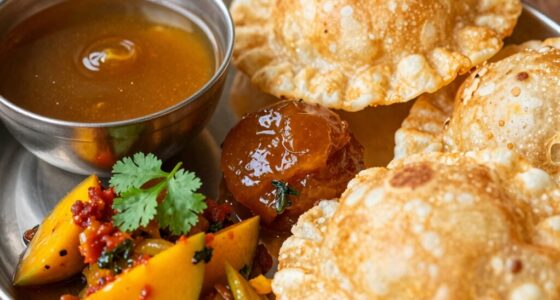
You’ll love exploring Sindhi street foods like Samosas, Kachoris, and Dahi Bara, which are popular savoury snacks enjoyed today. These traditional delicacies are often packed with spicy, flavorful fillings and served fresh from bustling street vendors. As you indulge, you experience the vibrant flavors and cultural richness that Sindhi cuisine offers, making every bite a delightful journey through centuries of culinary tradition.
How Do Sindhi Culinary Traditions Vary Between Regions?
You’ll notice regional flavor variations in Sindhi culinary traditions, as each area adapts recipes to local ingredients and tastes. In northern Sindh, dishes tend to be spicier and richer, while southern regions favor milder, coconut-infused flavors. Culinary adaptation across Sindh guarantees that each locality’s unique palate is reflected, creating diverse regional dishes that still maintain the core essence of Sindhi cuisine. This regional diversity enriches the overall culinary landscape.

Wooden Spoons for Cooking, 10 Pcs Teak Wood Utensil Set for Nonstick
WHAT’S INCLUDED? The only wooden cooking utensils set with 10 pcs that meet all your cooking needs. This…
As an affiliate, we earn on qualifying purchases.
As an affiliate, we earn on qualifying purchases.
Conclusion
As you savor the rich, bold flavors of Sindhi cuisine, you’re tasting more than just food—you’re experiencing a vibrant journey that crosses borders and bridges cultures. Each dish is like a colorful thread woven into a tapestry of history and tradition, inviting you to explore its story. So, let your palate wander freely, and let these flavors be your passport to a world where culinary borders dissolve into a symphony of taste.

Elite Gourmet MST-250XW Electric Ceramic Slow Cooker, Adjustable Temp
PERSONAL 1.5 QUART slow cooker makes cooking fork-tender roasts and poultry a breeze. Cool-touch handles and knob protect…
As an affiliate, we earn on qualifying purchases.
As an affiliate, we earn on qualifying purchases.

Oster Dutch Oven with Steamer Basket 3-Quart – Sangerfield Stainless Steel, Stovetop Steamer for Vegetables, Rice & Tamales, Dishwasher Safe
COMPLETE 2-IN-1 SET: DUTCH OVEN AND FITTED STEAMER BASKET INCLUDED – One 3-quart stainless steel Dutch oven and…
As an affiliate, we earn on qualifying purchases.
As an affiliate, we earn on qualifying purchases.