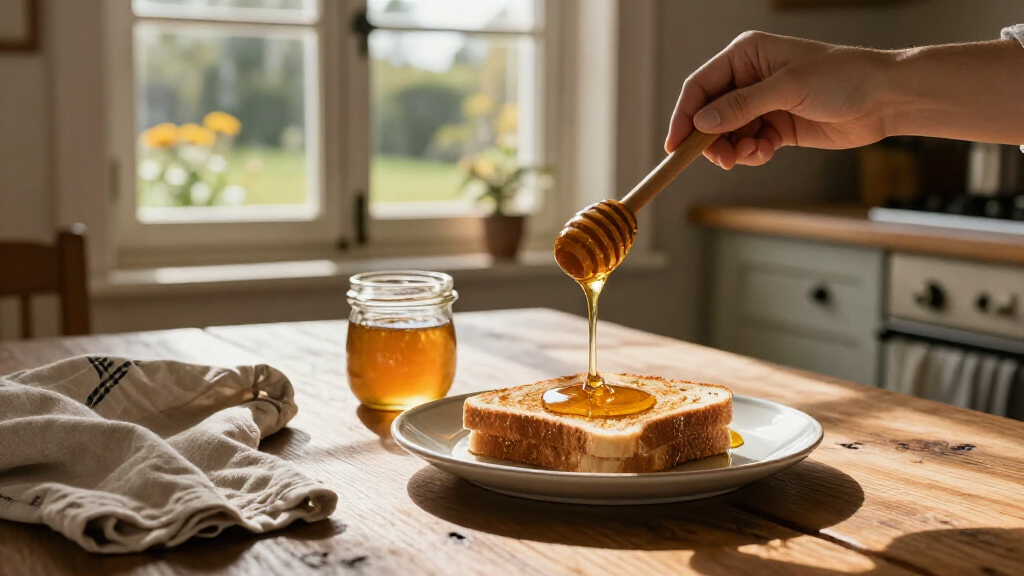

The best honey products depend on whether you want an everyday sweetener, a distinctive manuka honey, or a portable option. I name Nature Nate’s 100% Pure Raw & Unfiltered Honey my best overall for its large squeeze-bottle format and everyday versatility; Fischer’s 40 oz raw honey stands out for households that go through honey quickly, while Manuka Health UMF 13+ / MGO 400+ is a more specialized pick with clearly stated manuka grades. The main tradeoffs are format and volume, raw or organic labeling, and the added cost associated with higher manuka activity grades. Continue reading for the full comparison and guidance on choosing a jar or pack that fits how you use honey.

Get kitchen staples and gadgets delivered free with Prime
- Fast, free delivery on millions of items
- Prime Video, Amazon Music and more included
- Member-only deals all year
Key Takeaways
- Everyday use favors larger formats: Nature Nate’s 32 oz squeeze bottle and Fischer’s 40 oz container offer more capacity than the smaller specialty jars, though a large bottle may be inconvenient if honey is an occasional purchase.
- Manuka grades serve a different shopping purpose: The lineup ranges from Manukora MGO 50+ and Manuka Doctor MGO 30+ to products labeled UMF 20+ / MGO 829+, so shoppers can compare stated grades rather than treating all manuka honey as interchangeable.
- More grade is not automatically a better match: Higher-grade options are specialized picks, while lower-MGO manuka and conventional raw honey make more sense for buyers who do not need a high activity designation.
- Packaging changes convenience: Nature Nate’s and Manuka Doctor’s squeeze bottles suit quick dispensing; honey sticks make portions portable, while jars can be less convenient for repeated serving.
- Raw, organic, and blended are different priorities: Nature Nate’s organic option adds an organic label, while Beekeeper’s Naturals adds royal jelly and bee pollen; neither feature replaces the need to check the product’s intended use and ingredients.
| Manuka Health UMF 13+ / MGO 400+ Manuka Honey, 250 g |  | Best Overall Manuka | Net weight: 250 g (8.8 oz) | MGO level: 400+ | Origin: New Zealand | VIEW LATEST PRICE | See Our Full Breakdown |
| Beekeeper’s Naturals Superfood Honey with Royal Jelly and Bee Pollen, 11.6 oz |  | Best Honey Blend | Net weight: 11.6 oz | Ingredients: Raw honey, propolis, royal jelly, bee pollen | Dietary attributes: Gluten-free, Paleo-friendly | VIEW LATEST PRICE | See Our Full Breakdown |
| Nature Nate’s 100% Pure Raw & Unfiltered Honey, 32 oz Squeeze Bottle |  | Best for Everyday Use | Brand: Nature Nate’s | Net weight: 32 oz | Ingredients: Honey | VIEW LATEST PRICE | See Our Full Breakdown |
| Raw Manuka Honey UMF 20+ MGO 829+, 4.4 oz |  | Best Premium Potency | Net weight: 4.4 oz (125 g) | Potency: UMF 20+ / MGO 829+ | Testing: Independent batch testing | VIEW LATEST PRICE | See Our Full Breakdown |
| Wedderspoon Raw Manuka Honey 150+ MGO, 8.8 oz |  | Best for Creamy Manuka Spreading | Net weight: 8.8 oz | MGO level: 150+ | Origin: New Zealand | VIEW LATEST PRICE | See Our Full Breakdown |
| Fischer’s 100% Pure Raw Unfiltered Honey, 40 oz |  | Best Large-Format Raw Honey | Weight: 40 oz | Processing: Raw, unfiltered, and unpasteurized | Ingredients: 100% honey; no additives, syrups, or flavors | VIEW LATEST PRICE | See Our Full Breakdown |
| Manukora Raw Manuka Honey MGO 50+, 250 g |  | Best for Traceability | Honey type: Raw, multifloral Manuka honey | Origin: New Zealand | Net weight: 250 g | VIEW LATEST PRICE | See Our Full Breakdown |
| Golden Pure Honey, 16 oz |  | Best Grade-Certified Everyday Pick | Size: 16 oz | Grade: U.S. Grade A | Certification: True Source Certified | VIEW LATEST PRICE | See Our Full Breakdown |
| Golden Pure Honey, 12 oz |  | Best Honey-Bear Bottle | Product type: Golden pure honey | Weight: 12 oz | Grade: U.S. Grade A | VIEW LATEST PRICE | See Our Full Breakdown |
| Manuka Doctor Raw Manuka Honey MGO 30+, Squeeze Bottle, 10.58 oz |  | Best Convenient Manuka | Type: Raw multifloral Manuka honey | Origin: New Zealand | Weight: 10.58 oz | VIEW LATEST PRICE | See Our Full Breakdown |
| The Honey Jar Honey Sticks Variety Pack, 20 Count |  | Best for On-the-Go Sweetening | Count: 20 sticks | Honey type: Pure clover honey | Honey per stick: 5 g | VIEW LATEST PRICE | See Our Full Breakdown |
| Manuka Doctor Raw Manuka Honey, MGO 525+, 8.75 oz |  | Best for Manuka Enthusiasts | Type: Raw monofloral Manuka honey | Origin: New Zealand | Sourcing and handling: Sourced, packed, and tested in New Zealand | VIEW LATEST PRICE | See Our Full Breakdown |
| Nature Nate’s Organic Raw & Unfiltered Honey, 16 oz |  | Best Organic Everyday Honey | Size: 16 oz | Ingredients: Honey | Processing: Raw | VIEW LATEST PRICE | See Our Full Breakdown |
| honey product | Net weight | Origin | Suggested uses |
|---|---|---|---|
| Manuka Health UMF 13+ / MGO 40 | 250 g (8.8 oz) | New Zealand | — |
| Beekeeper’s Naturals Superfood | 11.6 oz | — | — |
| Nature Nate’s 100% Pure Raw & | 32 oz | — | Coffee, tea, oatmeal, yogurt, granola, and baking |
| Raw Manuka Honey UMF 20+ MGO 8 | 4.4 oz (125 g) | New Zealand | — |
| Wedderspoon Raw Manuka Honey 1 | 8.8 oz | New Zealand | Drinks, smoothies, yogurt, baking, spreading, and eating by the spoonful |
| Fischer’s 100% Pure Raw Unfilt | — | — | Drinks, desserts, and foods |
| Manukora Raw Manuka Honey MGO | 250 g | New Zealand | By the spoonful, or in tea, yogurt, oatmeal, and smoothies |
| Golden Pure Honey | — | — | — |
| Golden Pure Honey | — | — | Beverages and baking |
| Manuka Doctor Raw Manuka Honey | — | New Zealand | Tea, smoothies, muesli, waffles, and toast |
| The Honey Jar Honey Sticks Var | — | Ogden, Utah, USA | — |
| Manuka Doctor Raw Manuka Honey | 8.75 oz | New Zealand | — |
| Nature Nate’s Organic Raw & Un | — | — | Drinks, oatmeal, granola, and baked goods |
More Details on Our Top Picks
Manuka Health UMF 13+ / MGO 400+ Manuka Honey, 250 g
Verified potency and versatile use make this a strong all-around choice for shoppers specifically seeking Manuka honey. Its UMF 13+ and MGO 400+ ratings are backed by triple testing, while a QR code adds a way to check origin and quality details. Compared with the higher-potency Raw Manuka Honey UMF 20+ MGO 829+, this jar offers a less concentrated tier and a larger 250 g format, which may suit regular use better than that product’s 125 g jar. It is also raw and unpasteurized, with an earthy sweetness and creamy texture for spreading or stirring into food. The tradeoff is that its specialty positioning may be more than everyday sweetener shoppers need, and its potency still comes in a smaller package than standard honey bottles.
Pros:- UMF certified and triple tested for MGO levels
- QR code links to origin, potency, and quality details
- Raw and unpasteurized
- Can be used as a spread, sweetener, or skincare ingredient
Cons:- A 250 g jar offers less volume than large-format everyday honey
- Earthy Manuka flavor may not suit shoppers seeking a mild honey
- Specialty potency and traceability may be unnecessary for basic sweetening
Best for: Manuka shoppers who want documented potency, traceability, and a jar suited to repeated food or skincare use
Not ideal for: Buyers who mainly need a large-volume everyday sweetener or prefer a mild, familiar honey flavor
- Net weight:250 g (8.8 oz)
- MGO level:400+
- Origin:New Zealand
- Processing:Raw and unpasteurized
- Testing:Triple tested for MGO levels
- Traceability:QR code links to origin, potency, and quality details
Our verdict“Choose this jar for a traceable, tested Manuka with a useful balance of potency and quantity, rather than a high-volume everyday honey.”
Beekeeper’s Naturals Superfood Honey with Royal Jelly and Bee Pollen, 11.6 oz
More than a single-ingredient sweetener, this blend pairs raw honey with propolis, royal jelly, and bee pollen. That combination gives it a distinct role beside Nature Nate’s 100% Pure Raw & Unfiltered Honey, which keeps its ingredient list to honey alone. The added bee products may appeal to shoppers who want a multi-ingredient blend and follow gluten-free or Paleo-friendly diets, but claims about energy, immune health, mental clarity, and athletic performance are marketing claims in the supplied product details—not established outcomes I can verify here. Its 11.6 oz size is smaller than Nature Nate’s 32 oz bottle, so it is less suited to routine bulk sweetening. Because it contains several bee-derived ingredients, allergy-conscious buyers should choose a plain honey instead.
Pros:- Combines raw honey with propolis, royal jelly, and bee pollen
- Gluten-free and Paleo-friendly
- Sourced from apiaries described as remote and protected from harmful chemicals
Cons:- Bee-derived ingredients may not suit people with bee product allergies
- Wellness and energy benefits are product claims, not established by the supplied details
- Smaller package than Nature Nate’s 32 oz everyday honey
Best for: Shoppers who specifically want honey blended with propolis, royal jelly, and bee pollen and whose diets fit its listed attributes
Not ideal for: People with allergies to bee products or buyers who want a simple, single-ingredient honey for everyday cooking
- Net weight:11.6 oz
- Ingredients:Raw honey, propolis, royal jelly, bee pollen
- Dietary attributes:Gluten-free, Paleo-friendly
- Honey type:Raw honey blend
- Apiary sourcing:Apiaries described as remote and protected from harmful chemicals
Our verdict“Pick this blend if you want several bee-derived ingredients in one honey product, but choose plain honey if simplicity or allergy concerns come first.”
Nature Nate’s 100% Pure Raw & Unfiltered Honey, 32 oz Squeeze Bottle
Large-format, single-ingredient honey is the reason this bottle earns the everyday-use spot. Its 32 oz squeeze format is more practical for frequent tea, oatmeal, yogurt, and baking than the smaller Manuka Health UMF 13+ jar, while its ingredient list stays at honey rather than adding royal jelly or pollen as Beekeeper’s Naturals does. It is unfiltered and never pasteurized, with natural pollen retained, but it is gently warmed for pourability; buyers seeking honey that has not been warmed at all should look elsewhere. The squeeze bottle makes dispensing easier than a jar, though honey remains naturally sugary and this format may be awkward for shoppers who need only a small amount or prefer a glass container.
Pros:- Single-ingredient honey with no additives or preservatives
- 32 oz squeeze bottle supports frequent use and easy pouring
- Unfiltered to retain natural pollen
- Never pasteurized
Cons:- Gently warmed, so it is not entirely unheated
- Contains naturally occurring sugars
- Large bottle may be inconvenient for occasional users or limited storage
Best for: Households that use honey regularly in drinks, breakfast foods, and baking and want a large, easy-pour bottle
Not ideal for: Shoppers seeking Manuka potency, an entirely unheated product, or a small container for occasional use
- Brand:Nature Nate’s
- Net weight:32 oz
- Ingredients:Honey
- Packaging:Squeeze bottle
- Processing:Gently warmed, unfiltered, and never pasteurized
- Additives:No additives or preservatives
- Suggested uses:Coffee, tea, oatmeal, yogurt, granola, and baking
Our verdict“Choose this for a versatile pantry sweetener in a generous squeeze bottle, not for specialty Manuka characteristics or strictly unheated honey.”
Raw Manuka Honey UMF 20+ MGO 829+, 4.4 oz
High stated potency in a compact jar sets this monofloral Manuka apart from Manuka Health UMF 13+ / MGO 400+, which has a lower potency tier and twice the listed net weight. Here, UMF 20+ and MGO 829+ are independently batch tested, with sourcing, packing, and testing all in New Zealand. That documentation and potency make it the specialty pick for buyers who prioritize those measures over pantry volume. The tradeoff is clear: at 125 g, it contains about 20–25 servings, so regular use may call for frequent replacement compared with Wedderspoon Raw Manuka Honey’s 8.8 oz jar. Its BPA-free, recyclable PETE container is travel-friendly, but shoppers looking for a budget-conscious everyday sweetener may get more practical use from a larger, simpler honey.
Pros:- UMF 20+ and MGO 829+ potency with independent batch testing
- Sourced, packed, and tested in New Zealand
- Compact 125 g jar suits travel or occasional use
- BPA-free, recyclable PETE packaging
Cons:- Small 4.4 oz jar may not suit regular long-term use
- About 20–25 servings limits pantry longevity
- Higher-potency specialty positioning is unnecessary for basic sweetening
Best for: Manuka buyers prioritizing independently tested UMF 20+ and MGO 829+ potency in a small, portable jar
Not ideal for: Frequent honey users who want a larger pantry container or shoppers who do not need a high-potency Manuka product
- Net weight:4.4 oz (125 g)
- Potency:UMF 20+ / MGO 829+
- Testing:Independent batch testing
- Origin:New Zealand
- Honey type:Raw monofloral Manuka honey
- Servings:Approximately 20–25
- Packaging:BPA-free, recyclable PETE jar
- Storage:Room temperature, away from direct sunlight
Our verdict“Choose this when independently tested high-potency Manuka matters more than jar size or everyday value.”
Wedderspoon Raw Manuka Honey 150+ MGO, 8.8 oz
A larger jar with a creamy texture makes this a practical Manuka option for spreading and regular kitchen use. Its 8.8 oz size is more generous than the 4.4 oz Raw Manuka Honey UMF 20+ MGO 829+ jar, though that smaller product provides clearly stated UMF and MGO potency and independent batch testing. Wedderspoon’s supplied details list 150+ MGO and New Zealand origin, but do not provide a UMF rating or testing information, so buyers who put documented potency first may prefer Manuka Health UMF 13+ / MGO 400+. The smooth, creamy texture and bold sweetness suit toast, smoothies, and yogurt; the tradeoff is limited product detail on verification and processing compared with the more extensively documented options.
Pros:- 8.8 oz jar offers more quantity than the 4.4 oz high-potency Manuka option
- Smooth, creamy texture for spreading
- Bold, naturally sweet Manuka taste
- Made in New Zealand
Cons:- Listed MGO level is lower than the other Manuka products with stated potency in this group
- Supplied details do not list a UMF rating or testing method
- Smaller format than large everyday honey bottles such as Nature Nate’s 32 oz
Best for: Manuka fans who want a larger, creamy jar for spreading, smoothies, and everyday food use
Not ideal for: Buyers who require a stated UMF rating, testing details, or the highest listed MGO potency in this group
- Net weight:8.8 oz
- MGO level:150+
- Origin:New Zealand
- Texture:Smooth and creamy
- Suggested uses:Drinks, smoothies, yogurt, baking, spreading, and eating by the spoonful
Our verdict“Pick Wedderspoon for a creamy, larger-format Manuka to spread or stir into food, and choose another option if detailed potency verification is your priority.”
Fischer’s 100% Pure Raw Unfiltered Honey, 40 oz
Fischer’s earns its place for buyers who want everyday raw honey in a generous bottle, rather than a small specialty jar. Its 40-ounce size suits frequent use in tea, baking, and meals, while the squeeze format is easier to portion than a spoonable jar. The ingredient list is straightforward: 100% honey, with no added syrups, flavors, or other additives. Compared with the 16-ounce Golden Pure Honey, this gives high-use households a larger supply; compared with Manukora Raw Manuka Honey, it is the more practical pantry sweetener, not a traceable New Zealand Manuka choice. The tradeoff is that natural crystallization may occur, and the bottle is a less compact pick for occasional honey users.
Pros:- Large 40-ounce supply for frequent kitchen use
- Raw, unfiltered, and unpasteurized
- Contains 100% honey without additives, syrups, or flavors
- Squeeze bottle makes portioning convenient
Cons:- May crystallize over time
- Large bottle may be cumbersome for low-volume users
- Does not offer the Manuka-specific sourcing and traceability of Manukora
Best for: Households that regularly sweeten drinks, bake, or cook with raw honey and prefer a large squeeze bottle
Not ideal for: Occasional users with limited storage space, or shoppers specifically seeking Manuka honey and source-level traceability
- Weight:40 oz
- Processing:Raw, unfiltered, and unpasteurized
- Ingredients:100% honey; no additives, syrups, or flavors
- Packaging:Squeeze bottle
- Sourcing:Responsibly sourced from beekeepers
- Suggested uses:Drinks, desserts, and foods
Our verdict“Choose Fischer’s if you want a large, straightforward raw honey for regular kitchen use and do not need a specialty Manuka profile.”
Manukora Raw Manuka Honey MGO 50+, 250 g
Manukora stands apart for buyers who want clear sourcing information alongside a modest Manuka rating. This raw multifloral honey comes from New Zealand, and the jar’s QR code links to source details plus a third-party purity and potency report—useful for shoppers who want more than a broad origin statement. Its smooth, creamy texture and caramel notes also make it suited to eating by the spoonful or stirring into yogurt and oatmeal. Compared with Manuka Doctor’s MGO 30+ squeeze bottle, Manukora offers QR-linked reporting rather than squeeze-bottle convenience; compared with higher-rated Manuka options in this roundup, its MGO 50+ designation is a lower-rated choice. The 250-gram jar is compact, but it is less suited to buyers who go through honey quickly.
Pros:- New Zealand-sourced raw multifloral Manuka honey
- QR code links to source details and a third-party report
- Smooth, creamy texture with caramel notes
- Non-GMO and B Corp certified
Cons:- 250-gram jar may not suit frequent or large-volume use
- Jar format is less convenient to dispense than Manuka Doctor’s squeeze bottle
- MGO 50+ is a lower-rated option than the higher-MGO Manuka products in this roundup
Best for: Manuka shoppers who value New Zealand origin details and access to third-party purity and potency information
Not ideal for: Frequent honey users who want a large squeeze bottle, or buyers specifically seeking one of the roundup’s higher MGO-rated options
- Honey type:Raw, multifloral Manuka honey
- Origin:New Zealand
- Net weight:250 g
- Certifications and claims:Non-GMO, glyphosate residue free, and B Corp certified
- Traceability:Jar QR code links to source details and a third-party purity and potency report
- Suggested uses:By the spoonful, or in tea, yogurt, oatmeal, and smoothies
Our verdict“Pick Manukora if traceability and third-party reporting matter more to you than a squeeze bottle or a higher MGO rating.”
Golden Pure Honey, 16 oz
Golden Pure Honey is a straightforward option for shoppers who want U.S. Grade A honey in a manageable bottle, without choosing a raw or Manuka specialty product. Its 16-ounce size fits occasional tea, baking, and general pantry use better than Fischer’s 40-ounce bottle, while the True Source Certified claim adds sourcing information not listed for Golden Pure Honey’s 12-ounce bear bottle. That smaller version has a more explicitly described honey-bear package and notes that flavor and color can vary naturally; this 16-ounce listing gives less detail about flavor, packaging, and processing. It makes sense as a simple, mid-size staple, but shoppers seeking raw, unfiltered honey or a distinct Manuka profile should look to Fischer’s or Manukora instead.
Pros:- U.S. Grade A honey
- True Source Certified
- 16-ounce size suits moderate pantry use
- Smaller commitment than Fischer’s 40-ounce bottle
Cons:- Product details do not specify whether it is raw, filtered, or pasteurized
- Packaging format is not identified in the supplied product information
- Less suited to buyers seeking Manuka sourcing or a specialty honey profile
Best for: Shoppers who want a mid-size bottle of U.S. Grade A honey with True Source certification for everyday sweetening
Not ideal for: Buyers looking for raw or unfiltered processing details, a specific Manuka honey, or a clearly described squeeze or bear bottle
- Size:16 oz
- Grade:U.S. Grade A
- Certification:True Source Certified
- Storage:Store in a cool, dry place
- Infant warning:Do not feed honey to infants under one year
- Product type:Golden pure honey
Our verdict“Choose this for a moderate-size, certified everyday honey, but opt for Fischer’s if raw processing is a priority.”
Golden Pure Honey, 12 oz
This 12-ounce Golden Pure Honey is the most compact everyday option here, with a honey-bear bottle that suits small kitchens and simple serving. U.S. Grade A honey works as a sweetener for drinks and baking, while the product information sets realistic expectations: its color and flavor can vary with the flowers visited by bees, and it may darken or crystallize naturally. That transparency is helpful, though buyers should not mistake those changes for a fixed flavor profile. Compared with the similarly named 16-ounce Golden Pure Honey, this version is smaller and explicitly packaged as a bear bottle; compared with Fischer’s 40-ounce raw honey, it offers less volume and does not specify raw processing. It is a practical basic choice, not a specialty pick.
Pros:- Compact 12-ounce size for occasional use
- Honey-bear bottle offers a familiar serving format
- U.S. Grade A honey for drinks and baking
- Natural darkening or crystallization does not make the honey unsafe to consume
Cons:- Color and flavor may vary with floral sources
- May darken or crystallize over time
- Processing details do not specify that it is raw or unfiltered
Best for: Tea drinkers and occasional bakers who want a small, familiar honey-bear bottle for basic sweetening
Not ideal for: Frequent honey users who need a larger supply, or shoppers who prioritize raw processing or a consistent color and flavor
- Product type:Golden pure honey
- Weight:12 oz
- Grade:U.S. Grade A
- Packaging:Honey bear bottle
- Suggested uses:Beverages and baking
- Natural variation:Color and flavor may vary with the flowers visited by bees
- Storage changes:May darken or crystallize naturally while remaining safe to consume
Our verdict“Pick this bear bottle for occasional tea and baking, but choose Fischer’s for a larger supply and stated raw processing.”
Manuka Doctor Raw Manuka Honey MGO 30+, Squeeze Bottle, 10.58 oz
Manuka Doctor is the practical choice for buyers who want Manuka honey in an easy-dispensing package. Its no-drip squeeze bottle makes it simpler to add a portion to tea, smoothies, toast, or breakfast foods than Manukora’s jar, which instead emphasizes QR-linked traceability and third-party reporting. The honey is raw, multifloral, sourced, harvested, packed, and tested in New Zealand, so its origin and production details are more specific than those supplied for the everyday Golden Pure options. Its MGO 30+ rating is lower than Manukora’s MGO 50+ and the stronger-rated Manuka products in the roundup. The thicker, darker, richer taste may also be more pronounced than a familiar golden honey, making it a less predictable fit for people who prefer a mild sweetener.
Pros:- No-drip squeeze bottle is convenient for portioning
- Raw multifloral Manuka honey sourced, harvested, packed, and tested in New Zealand
- Useful in tea, smoothies, muesli, waffles, and toast
- Non-GMO
Cons:- Darker, thicker, richer taste may not suit everyone
- MGO 30+ is below Manukora’s MGO 50+ and higher-rated Manuka options in the roundup
- Does not list QR-linked source details or a third-party report
Best for: Manuka buyers who want New Zealand sourcing and testing in a no-drip bottle for regular breakfast and drink use
Not ideal for: Shoppers who prefer mild, light-tasting honey, want a higher MGO rating, or prioritize QR-linked reporting over dispensing convenience
- Type:Raw multifloral Manuka honey
- Origin:New Zealand
- Weight:10.58 oz
- Packaging:No-drip squeeze bottle
- Non-GMO:Yes
- Suggested uses:Tea, smoothies, muesli, waffles, and toast
- Sourcing and testing:Sourced, harvested, packed, and tested in New Zealand
Our verdict“Choose Manuka Doctor if easy, low-mess dispensing matters more than a higher MGO rating or QR-linked traceability.”
The Honey Jar Honey Sticks Variety Pack, 20 Count
Portable portions give these clover honey sticks a different purpose from jarred picks such as Nature Nate’s Organic Raw & Unfiltered Honey. Each stick holds 5 grams, making it easy to sweeten a cup of tea or coffee without carrying a jar or measuring a spoonful. The variety pack also works as a small, ready-to-eat snack, and the honey has no added sugar or coloring. The tradeoff is format: 20 sticks offer less flexibility for baking or frequent household use than a jar, and the sticks can crystallize over time. Choose these for controlled, travel-friendly servings rather than as your main kitchen supply.
Pros:- Individual sticks are convenient for bags, lunch boxes, and travel.
- Each stick provides a defined 5-gram portion.
- Can sweeten tea, coffee, and hot chocolate.
- Made with clover honey and contains no added sugar or coloring.
Cons:- The sticks may crystallize during storage.
- Single-serve packaging is less useful than a jar for baking or frequent home use.
Best for: Commuters, travelers, and tea or coffee drinkers who want single portions of honey that are easy to carry.
Not ideal for: Home bakers or households that use honey regularly in larger amounts; a jar is easier to measure and more practical for recipes.
- Count:20 sticks
- Honey type:Pure clover honey
- Honey per stick:5 g
- Calories per stick:15
- Packaging:BPA-free
- Origin:Ogden, Utah, USA
- Added sugar:None
- Added coloring:None
Our verdict“Choose this pack if portability and measured portions matter more to you than having a versatile jar for everyday cooking.”
Manuka Doctor Raw Manuka Honey, MGO 525+, 8.75 oz
MGO 525+ and a New Zealand origin make this a more specialized choice than everyday honeys such as Nature Nate’s Organic Raw & Unfiltered Honey. It is a raw, monofloral Manuka honey with a thick, creamy texture and a rich, earthy flavor that can bring a pronounced character to toast, muesli, smoothies, or tea. Sourcing, packing, and testing in New Zealand are useful provenance details for shoppers specifically seeking Manuka. That distinct profile is also the main tradeoff: its intensity may be too strong for buyers who want a mild, all-purpose sweetener. Compared with this jar, The Honey Jar Honey Sticks Variety Pack is easier to portion on the go, while this option suits spooning or spreading at home.
Pros:- Raw, monofloral Manuka honey with MGO 525+ stated.
- Sourced, packed, and tested in New Zealand.
- Non-GMO and authenticated as a Product of New Zealand.
- Works with breakfast foods, drinks, and toast.
Cons:- Rich, intense flavor may not suit people who prefer mild honey.
- The 8.75-ounce jar is less portable than The Honey Jar’s individual sticks.
- Its distinct Manuka profile is less suited to buyers wanting one neutral honey for every use.
Best for: Shoppers who specifically want raw New Zealand Manuka honey with a stated MGO 525+ rating and enjoy bold, earthy flavors.
Not ideal for: Buyers seeking a mild everyday sweetener or individually portioned servings; its strong flavor and jar format may be less convenient.
- Type:Raw monofloral Manuka honey
- Origin:New Zealand
- Sourcing and handling:Sourced, packed, and tested in New Zealand
- Certification and attributes:Non-GMO; authenticated as a Product of New Zealand
- Net weight:8.75 oz
- Texture:Thick and creamy
- Flavor:Rich and earthy
Our verdict“Pick this jar if you want a strongly flavored New Zealand Manuka honey and would use its distinctive character on foods or in drinks.”
Nature Nate’s Organic Raw & Unfiltered Honey, 16 oz
One ingredient and organic certification give this jar a clear everyday role: it is a straightforward sweetener for oatmeal, granola, drinks, and baking. Nature Nate’s keeps the ingredient list to honey alone and describes the product as raw, unfiltered, and never pasteurized. That makes it a simpler pantry pick than Manuka Doctor Raw Manuka Honey, whose MGO 525+ rating and earthy flavor appeal to shoppers seeking a more distinctive honey. The 16-ounce size also offers more jarred honey than Manuka Doctor’s 8.75-ounce format, though the two differ in honey type and intended appeal. The supplied details do not specify a floral source or flavor profile, so shoppers seeking those details may prefer another option. It is also less convenient to carry than The Honey Jar’s sticks.
Pros:- Honey is the only listed ingredient.
- USDA-certified organic.
- Raw, unfiltered, and never pasteurized processing.
- Versatile for drinks, oatmeal, granola, and baking.
Cons:- The supplied product details do not identify a floral source or describe its flavor.
- A jar is less portable and pre-portioned than The Honey Jar Honey Sticks.
- It lacks the stated MGO rating and distinct Manuka identity of Manuka Doctor Raw Manuka Honey.
Best for: Pantry shoppers who want USDA-certified organic honey with a short ingredient list for everyday drinks, breakfast, and baking.
Not ideal for: Buyers seeking a specified floral source, a pronounced Manuka profile, or single-serve portions for travel.
- Size:16 oz
- Ingredients:Honey
- Processing:Raw
- Filtering:Unfiltered
- Pasteurization:Never pasteurized
- Certification:USDA-certified organic
- Suggested uses:Drinks, oatmeal, granola, and baked goods
Our verdict“Choose this as an everyday pantry jar if organic certification and minimal ingredients matter more than a specified honey source or portable servings.”
How We Picked
I compared the 13 products by the factors that change a honey purchase: honey type and stated grade, package size and dispensing format, ingredient positioning, and likely fit for everyday or occasional use. For manuka options, I treated the stated UMF and MGO labels as useful distinctions between products, not as a reason to claim health benefits. I also separated single-ingredient everyday honey from blends and portioned sticks, since they solve different pantry and portability needs.
The order prioritizes versatility and ease of choosing for the first pick, then gives distinct places to large-format value, premium-grade manuka, lower-commitment manuka, and specific formats or ingredient preferences. A higher MGO or UMF label does not automatically rank above a more practical everyday honey: buyers who want a general sweetener may get more use from a squeeze bottle or larger jar. The products are ranked for their stated features and buyer fit, not for unverified taste, sourcing, or medical outcomes.
| honey product | Origin |
|---|---|
| Manuka Health UMF 13+ / MGO 40 | New Zealand |
| Beekeeper’s Naturals Superfood | — |
| Nature Nate’s 100% Pure Raw & | — |
| Raw Manuka Honey UMF 20+ MGO 8 | New Zealand |
| Wedderspoon Raw Manuka Honey 1 | New Zealand |
| Fischer’s 100% Pure Raw Unfilt | — |
| Manukora Raw Manuka Honey MGO | New Zealand |
| Golden Pure Honey | — |
| Golden Pure Honey | — |
| Manuka Doctor Raw Manuka Honey | New Zealand |
| The Honey Jar Honey Sticks Var | Ogden, Utah, USA |
| Manuka Doctor Raw Manuka Honey | New Zealand |
| Nature Nate’s Organic Raw & Un | — |
Factors to Consider When Choosing Best Honey Products
Before choosing among these honey products, decide how you plan to use the honey. A daily tea sweetener, a specialty manuka purchase, and a lunchbox portion have different priorities, so the most elaborate label may not be the most useful choice.
Match the honey type to your intended use
Start by deciding whether you want a general-purpose sweetener or a product with a specific identity, such as manuka. Everyday raw honey can work across toast, drinks, and recipes, while a labeled manuka product is a more targeted purchase. A common mistake is buying a specialty jar for routine cooking when a larger everyday container would be more practical. On the other hand, choosing solely by volume can disappoint someone who specifically wants manuka. Check the product name and label for the honey type rather than assuming all honey has the same purpose. I would let intended use guide the category before comparing individual jars.
Read UMF and MGO labels as product distinctions
Several options here state an MGO grade, and some also give a UMF rating. Those marks help distinguish the labeled manuka products, but they are not interchangeable with everyday descriptions such as raw or organic. Compare like with like: a stated grade is more useful than a vague impression that one jar is simply “stronger.” Higher labeled grades can suit buyers specifically seeking that distinction, but they may be unnecessary for someone sweetening tea or baking. Avoid choosing a high number just because it is the largest on the shelf. First decide whether the grade matters to your purchase, then compare package size and format.
Choose a package size you can use comfortably
The lineup spans small specialty jars, mid-size containers, large everyday formats, and a 20-count stick pack. Larger containers can be convenient for frequent use, but they take more storage space and may be awkward if you only use honey now and then. Small jars lower the commitment to a particular style, especially for a specialty product. Honey sticks trade pantry efficiency for easy portioning away from home. Before buying, think about where the honey will live and how often you will reach for it. The best size is the one that fits your routine, not simply the largest available.
Treat raw and organic as separate label choices
Raw, unfiltered, and organic describe different product attributes, so one label does not imply the others. This roundup includes raw and unfiltered options as well as a Nature Nate’s product labeled organic; compare the exact package wording if one of those attributes matters to you. Do not assume that “raw” guarantees a particular flavor, texture, or sourcing standard. Nor does an organic label tell you whether the package is easy to dispense or the honey suits your intended use. Labels can help narrow the field, but they do not replace checking the full product information. Keep the attribute you care about separate from claims you have not verified.
Decide whether added ingredients are a benefit or a complication
Beekeeper’s Naturals adds royal jelly and bee pollen, making it distinct from the single-ingredient honey choices in the lineup. That blend may appeal to shoppers who specifically want those ingredients together, but it is not the simplest choice for someone seeking plain honey. Read the ingredient list if you have dietary restrictions, sensitivities, or a preference for one ingredient. Added components also make the product harder to compare directly with a standard jar by honey type alone. If you want honey for flexible cooking and sweetening, a plain option may be easier to use across recipes. Choose a blend because its ingredients suit your needs, not because a longer ingredient list sounds more valuable.
Pay for specialty features only when they matter to you
Manuka grade, organic labeling, added bee products, and single-serve packaging can all be reasons to choose a particular item, but each narrows the product’s role. A premium specialty jar makes more sense when you specifically want its stated feature than when you simply need a household sweetener. For frequent everyday use, larger containers such as the 32 oz or 40 oz options may fit better; for occasional use, a smaller jar reduces unused stock. A high grade does not make a product more convenient, and a large format does not offer portability. Identify the feature you would actually use before paying extra for it. This keeps the purchase tied to a real preference rather than label appeal.
Frequently Asked Questions
Which honey in this roundup makes the most sense as an everyday pantry sweetener?
I would start with Nature Nate’s 100% Pure Raw & Unfiltered Honey if you want one versatile, large-format squeeze bottle for regular use. Fischer’s 40 oz option is another fit when capacity matters more than compact storage. Neither is the same kind of purchase as a high-grade manuka jar, which is better suited to shoppers seeking a specific manuka label. If you use honey only occasionally, a smaller container may be easier to store and finish. Choose based on your routine, not specialty grades you do not need.
Does a higher MGO number mean I should always choose that manuka honey?
No. In this lineup, the stated grades range from MGO 30+ and 50+ through MGO 525+ and UMF 20+ / MGO 829+, but the highest number is not automatically the right fit for every buyer. A higher grade matters most if you specifically want a product with that designation. If you want a more approachable manuka option or a larger package, a lower-grade product may suit your priorities better. Compare the label, jar size, and intended use together rather than ranking by number alone. Do not treat a grade label as a guarantee of a health outcome.
Should I buy a large honey container or a smaller jar?
A large format is sensible if honey is a regular part of your cooking or drinks and you have room to store it. Nature Nate’s 32 oz bottle and Fischer’s 40 oz option emphasize capacity, while several specialty jars are smaller. A smaller jar can reduce the commitment if you are trying manuka or only use honey occasionally. Also think about dispensing: a squeeze bottle may be easier for frequent serving than repeatedly handling a jar. Buying more honey is only convenient if the package fits your storage and usage habits.
Are honey sticks a good substitute for a jar?
The Honey Jar variety pack is better viewed as a portable portion option than as a direct replacement for a pantry jar. Sticks can be handy when you want individual servings for travel, packed meals, or a bag, without carrying a larger container. A jar or squeeze bottle is usually more adaptable for recipes and regular home use. The tradeoff is that portion packs create more individual packaging and are less practical for larger quantities. Pick sticks for portability, not as the default format for all household uses.
What should I check before choosing honey with royal jelly or bee pollen?
Check the full ingredient list and make sure you want the added ingredients, rather than assuming the blend is simply a different kind of plain honey. Beekeeper’s Naturals stands apart from the single-ingredient options because it combines honey with royal jelly and bee pollen. That distinction may be appealing if you are specifically seeking a blend, but it can make the product less suitable for a simple pantry sweetener or for someone avoiding those ingredients. If you have a known sensitivity or dietary concern, review the packaging and seek qualified advice when needed. Choose the blend for its specific ingredients, not for a general assumption that more ingredients are better.
Conclusion
For most shoppers seeking a flexible pantry option, I recommend Nature Nate’s 100% Pure Raw & Unfiltered Honey as the best overall, while Fischer’s 40 oz is my best value-style pick for buyers who prioritize a large supply. For a premium manuka choice, compare Manuka Health UMF 13+ / MGO 400+ with the higher-grade options according to the label and package size you want. Beginners who want to try manuka without starting at the highest stated grade can look at Manukora MGO 50+ or Wedderspoon MGO 150+. Choose The Honey Jar sticks for portability, Nature Nate’s Organic if the organic label is your priority, or Beekeeper’s Naturals if you specifically want royal jelly and bee pollen. The right pick comes down to whether you value everyday capacity, a stated manuka grade, added ingredients, or grab-and-go portions.
Halloween Picks
halloween
As an affiliate, we earn on qualifying purchases.