
TL;DR

Get kitchen staples and gadgets delivered free — and shop member deals
- Fast, free delivery on millions of items
- Access to Prime Big Deal Days deals on October 6–7
- Prime Video, Amazon Music and more included
Nestlé published a packaging sustainability strategy targeting a 12% to 17% reduction in virgin plastic use by 2030 against a 2018 baseline. More than half of the planned cut is expected from recycled content, with the remainder from packaging reduction and early-stage reuse or refill models.
Nestlé has laid out a detailed roadmap for cutting its use of virgin plastic by 12% to 17% by 2030, measured against a 2018 baseline, according to a packaging sustainability strategy published this month and reported by Food Dive. The world’s largest food and beverage company plans to reach the target through three levers: increasing recycled content, reducing or eliminating plastic packaging altogether, and piloting reuse and refill models. The announcement matters because it signals how one of the world’s biggest plastic packaging users intends to navigate tightening regulation and investor pressure on packaging waste.
The strategy breaks the planned reduction into three parts. The largest share — 50% to 60% of the improvement — is expected to come from incorporating more recycled plastic into packaging. As of 2025, recycled content made up about 21% of Nestlé’s plastic packaging. The company said it is engaged in research on the food safety of recycled plastics in order to expand the use of recycled PET.
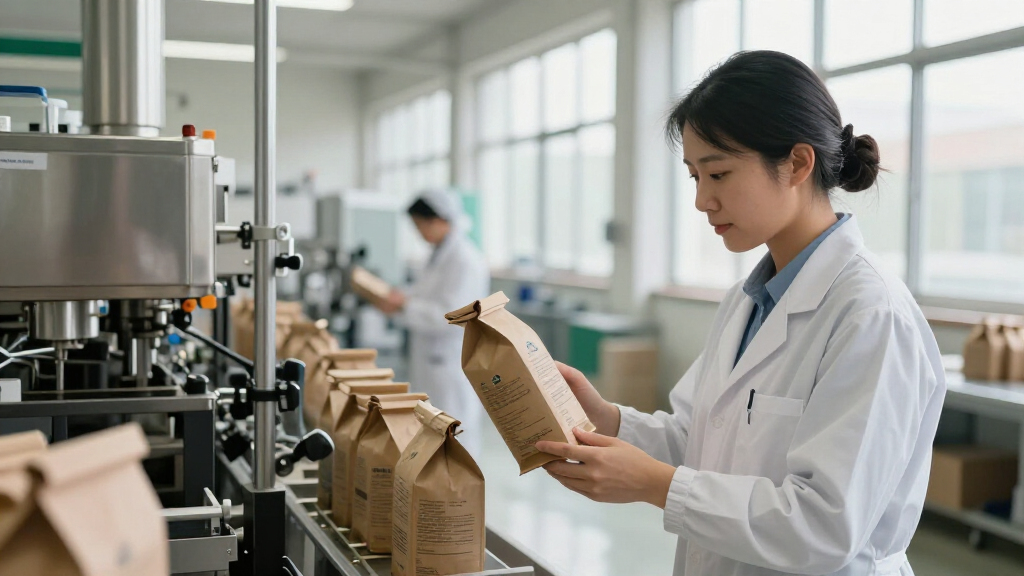
A further 30% to 40% of the improvement is expected from outright reduction and elimination of plastic. Nestlé’s total plastics packaging use fell to 0.86 million metric tons in 2025, down from 1.7 million metric tons in 2018. Plastic accounted for roughly a quarter of the company’s packaging portfolio by weight in 2025. One reduction avenue is swapping plastic for paper: Nestlé recently became one of six founding members of the Ellen MacArthur Foundation’s PaperFlex Consortium, which aims to accelerate R&D for paper-based flexible packaging as an alternative to plastic. Commercialized examples cited by the company include replacing plastic laminates with paper in Nescafé paper soft packs in Europe.
The smallest share — 10% to 15% — is expected from alternative materials and reuse or refill solutions. Nestlé noted that in 2025, just 0.51% of its packaging was reusable, and its strategy still considers reuse and refill models to be largely in the pilot stage, while highlighting untapped opportunities in at-home refill products. The company also said the 2030 target attempts to account for the planned sell-off of a stake in its water business for approximately $3.4 billion.
Pressure Points Behind Nestlé’s Plastic Targets
The strategy signals a shift in how major food companies frame packaging commitments. Before 2025, Nestlé emphasized targets such as making all packaging recyclable, compostable or reusable — a goal it ultimately achieved for about 90% of its portfolio. The new focus on measurable virgin plastic reduction ties the company to a concrete quantity and baseline, making progress easier for regulators, investors and consumers to track.
The stakes are considerable. Plastic packaging waste faces growing regulatory scrutiny worldwide, including extended producer responsibility schemes and recycled-content mandates. For a company of Nestlé’s scale — still using nearly a million metric tons of plastic packaging a year — even modest percentage cuts translate into large volumes of material. The company’s own numbers also show the difficulty ahead: with only 0.51% of packaging reusable in 2025, the reuse lever that policymakers often favor remains barely developed, and more than half of the planned reduction depends on the availability and food-safety approval of recycled plastics.
Nestlé’s Packaging Track Record Since 2018
Nestlé’s plastics use has already fallen sharply from its 2018 baseline: total plastics packaging dropped from 1.7 million metric tons to 0.86 million metric tons in 2025, roughly a halving over seven years. Part of that reflects portfolio changes, including the planned $3.4 billion sale of a stake in its water business, which the company said its 2030 target takes into account.
The earlier generation of commitments, made before 2025, centered on design-for-recycling goals — making packaging recyclable, compostable or reusable. Nestlé achieved that for about 90% of its portfolio, though recyclability of packaging does not guarantee that it is actually recycled. The company’s participation in the Ellen MacArthur Foundation’s newly launched PaperFlex Consortium, as one of six founding members, extends a broader industry push toward paper-based flexible packaging as a substitute for plastic laminates.
“The target tries to take into account the planned sell-off of a stake in its water business for approximately $3.4 billion.”
— Nestlé strategy document, per Food Dive
Open Questions in the 2030 Roadmap
Several elements of the plan remain unproven. Whether recycled plastic supplies can grow fast enough to deliver the 50% to 60% share of the improvement is unclear, and Nestlé’s own research into the food safety of recycled plastics, needed to expand recycled PET use, is still ongoing. The contribution from reuse and refill — capped at 10% to 15% — depends on models the company itself describes as largely pilot-stage, starting from a base of just 0.51% reusable packaging in 2025. The strategy also does not spell out, based on the available reporting, how progress will be reported annually or what happens if the range’s lower or upper bound is missed.
Milestones to Watch Through 2030
Watch for Nestlé’s annual packaging disclosures to track movement in the 21% recycled content figure and total plastics tonnage against the 2025 level of 0.86 million metric tons. Completion of the water business stake sale will clarify how much of the target reflects portfolio change versus actual reduction. Outcomes from the PaperFlex Consortium‘s R&D into paper-based flexible packaging, further food-safety findings on recycled plastics, and any reuse or refill pilots that move beyond the pilot stage will indicate whether the 12% to 17% target is achievable by 2030.
Key Questions
What is Nestlé’s new plastic reduction target?
Nestlé aims to cut its use of virgin plastic by 12% to 17% by 2030, measured against a 2018 baseline, according to its packaging sustainability strategy published in September 2026.
How does Nestlé plan to achieve the reduction?
Through three levers: 50% to 60% of the improvement from more recycled plastic content, 30% to 40% from reducing or eliminating plastic packaging, and 10% to 15% from alternative materials and reuse or refill solutions.
How much plastic packaging does Nestlé currently use?
Total plastics packaging use fell to 0.86 million metric tons in 2025, down from 1.7 million metric tons in 2018. Plastic represented about a quarter of the company’s packaging portfolio by weight in 2025.
Does the water business sale affect the target?
Yes. Nestlé said the target takes into account the planned $3.4 billion sale of a stake in its water business, meaning part of the measured reduction reflects portfolio change rather than packaging redesign alone.
How much of Nestlé’s packaging is reusable today?
Only 0.51% of Nestlé’s packaging was reusable in 2025, and the company considers reuse and refill models to largely still be in the pilot stage.
Source: rss
NFL season / tailgating Picks
team gear
As an affiliate, we earn on qualifying purchases.