🔍 Read the full analysis: Sunday Pot Of Minestrone: The Vegetable Soup That Feeds The Week on Mad Tasting

Get kitchen staples and gadgets delivered free — and shop member deals
- Fast, free delivery on millions of items
- Access to Prime Big Deal Days deals on October 6–7
- Prime Video, Amazon Music and more included
TL;DR
A Sunday batch of minestrone can provide several meals, with the soup kept in the refrigerator for four to five days or frozen for about three months, according to the source material. Its method calls for a slow-cooked onion, carrot and celery base, a Parmigiano-Reggiano rind for broth, and pasta cooked and stored separately. Exact yields depend on pot size and portions.
A Mad Tasting guide describes a Sunday minestrone batch as a way to prepare several meals at once, recommending a slow-cooked vegetable base and pasta stored separately from the soup. It says the soup can be refrigerated for four to five days or frozen for about three months, though safe storage depends on cooling and reheating it properly.
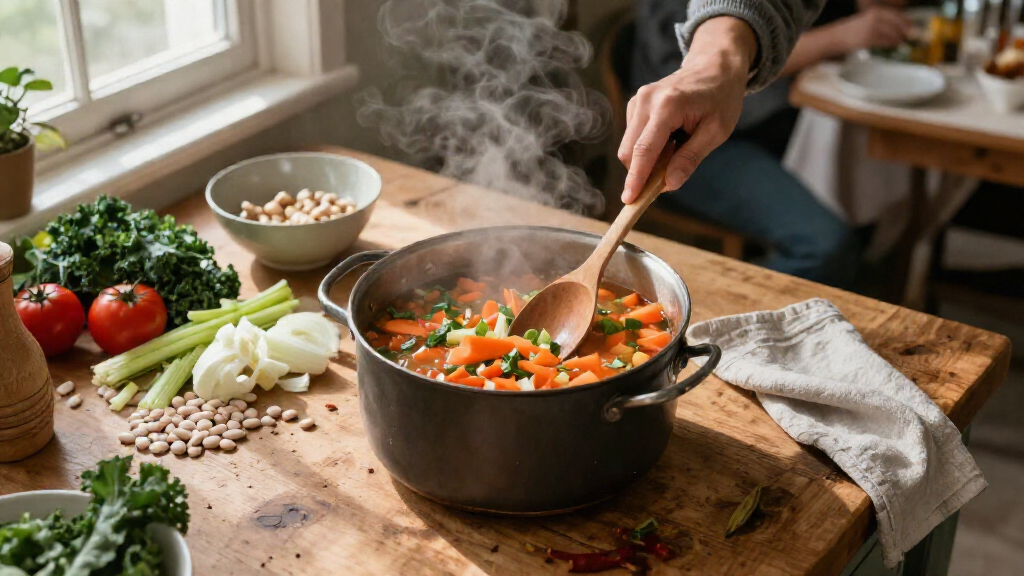
The guide builds the soup around soffritto: finely diced onion, carrot and celery softened gently in olive oil for 15 to 20 minutes. Garlic and vegetables that need longer cooking go in next, followed by beans, tomato and water or light vegetable stock. It recommends simmering the mixture for 30 to 40 minutes with a Parmigiano-Reggiano rind to add depth to the broth.
More delicate vegetables and greens, including zucchini, chard, kale or spinach, are added near the end of cooking. The guide advises boiling pasta separately and adding it to individual bowls when serving. Pasta left in the soup absorbs liquid as it sits, which can make it swollen and soft by the following day.
For storage, the guide recommends transferring the soup to shallow containers within two hours of cooking. Refrigerate it in airtight containers and reheat only the portion being served, until steaming hot throughout; it gives about 165°F as a thermometer check. The suggested yield varies within the source: its summary estimates four to six meals, while a later section describes roughly 10 to 12 servings from a standard Dutch oven.
Sunday Pot of Minestrone
A slow-built vegetable soup can carry several meals through the week. Start with soffritto, let a cheese rind deepen the broth, and keep pasta separate until serving.
The foundation of a weeknight-ready pot
The method is a framework: quantities and meal counts change with the pot, portions, and vegetables available.
Start with soffritto
Finely dice onion, carrot, and celery. Soften them slowly in olive oil for 15 to 20 minutes before adding garlic and longer-cooking vegetables.
Add beans and a rind
Stir in beans, tomato, and water or light vegetable stock. Simmer with a Parmigiano-Reggiano rind for a deeper, savory base.
Save tender greens
Add zucchini, chard, kale, or spinach toward the end so delicate vegetables cook through without losing their character.
One pot now, better bowls later
Prepare the vegetable and bean soup in one session. Cook only the pasta needed for each meal.
From aromatic base to soup
Soften the vegetables
Cook diced onion, carrot, and celery slowly in olive oil.
Add the sturdy ingredients
Follow with garlic, longer-cooking vegetables, beans, tomato, and liquid.
Simmer, then finish
Simmer 30 to 40 minutes with a Parmigiano-Reggiano rind; add tender greens near the end.
Assemble each bowl
Boil pasta separately and add it just before serving.
Keep pasta out of the storage pot
Pasta left in soup continues absorbing broth. By the next day, it can be swollen and soft, while the soup has less liquid to serve.
Store cooked pasta separately and combine it with each portion at mealtime. The vegetables and beans can then be reheated without overcooking the pasta.
A seasonal template, not a fixed list
Minestrone takes its shape from a familiar base of vegetables and beans, then adapts to produce and pantry staples.
Finish with pesto
A bright spoonful of pesto is one regional serving idea.
Serve with day-old bread
Bread can make the meal more substantial and use what is on hand.
Tomato and summer squash
Tomatoes and zucchini appear in some southern versions.
Good storage depends on quick cooling and careful reheating
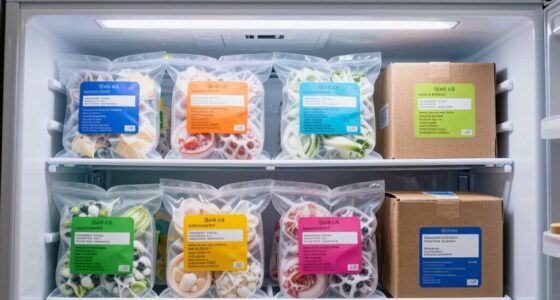
Divide the soup into shallow containers and refrigerate within two hours of cooking. Keep it airtight, store pasta separately, and reheat only the portion you plan to serve.
Reheat until steaming hot throughout. The guide gives roughly 165°F as a thermometer check. Cooling speed, refrigerator temperature, portion size, and handling all affect food safety.
General windows from the guide; safe storage varies with cooling, temperature, and handling.
Its summary estimates 4–6 meals; a later section describes roughly 10–12 servings from a standard Dutch oven. No single batch yield is guaranteed.
The make-ahead flow
Quick questions
Practical details from the Mad Tasting guide.
How long can minestrone be kept?
The guide says 4–5 days refrigerated in airtight containers or about three months frozen. Cool it quickly in shallow containers.
Why store pasta separately?
Pasta keeps absorbing broth in storage and can become bloated and soft. Add it to each bowl when serving.
What vegetables work?
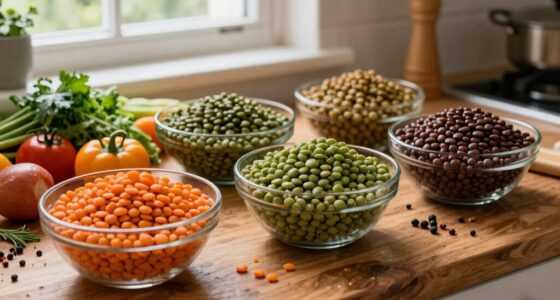
Choose seasonally: peas in spring, zucchini in summer, and squash or cabbage in colder months. Add tender greens near the end.
How should leftovers be reheated?
Reheat only the serving needed until steaming hot throughout; the guide cites roughly 165°F as a thermometer check.
The Pasta Rule Protects Leftovers
Separating the pasta changes how well the dish holds over several meals. As the guide explains, cooked pasta continues absorbing broth in storage, affecting both the soup’s texture and the amount of liquid left to serve. Cooking only what is needed for each meal lets the vegetables and beans be reheated without turning the pasta to mush.
The approach also divides the work: make the base and soup in one cooking session, then assemble bowls later. The claimed payoff is convenience during the week. Actual meal counts will depend on the amount made and serving size, and the source gives two different estimates rather than one fixed yield.
A Soup Built Around the Season
Minestrone is presented as a flexible Italian soup rather than a recipe with one required vegetable list. Its common structure is a sautéed onion, carrot and celery base, beans, vegetables and often a starch such as pasta or rice. The name derives from minestra, or soup, while minestrone refers to a larger or more substantial version.
The guide connects that flexibility to cucina povera, a tradition of making meals from available garden produce and pantry staples. It gives regional examples: Ligurian versions may be finished with pesto, Tuscan soup may be served with day-old bread, and southern versions may use tomatoes and summer zucchini. These are examples, not a definitive regional recipe map.
Seasonal choices shape the pot: peas in spring, zucchini in summer, and squash or cabbage in colder months are among the guide’s suggestions. Its through-line is a gently cooked soffritto and a combination of beans and vegetables, with ingredients adapted to what is available.
“Cook the pasta separately. Always.”
— Mad Tasting guide
Yield and Storage Depend on Conditions
The source does not give one consistent batch yield: it describes four to six meals in its summary and 10 to 12 servings later. It also does not specify exact ingredient quantities for every vegetable or the total volume of liquid, so the method is a framework rather than a fully measured recipe.
Its storage windows are general guidance, not a guarantee for every kitchen or container. Cooling speed, refrigerator temperature, portion size and handling affect food safety. The source recommends cooling the soup in shallow containers within two hours, but does not state a refrigerator temperature or explain how to thaw frozen portions.
Cool, Store and Reheat the Soup
After cooking, divide the soup among shallow containers and refrigerate within two hours, following the guide’s advice. Keep cooked pasta in a separate container and combine it with each serving. The source gives four to five days refrigerated and about three months frozen as storage periods.
When serving leftovers, reheat only the amount needed until steaming hot throughout; the guide cites roughly 165°F as a temperature check. It does not provide a further milestone or report on a specific cooking event: the next step is for readers to follow the method and adapt the ingredients to the season.
Key Questions
How long can minestrone be kept?
The guide says four to five days in the refrigerator in airtight containers, or about three months in the freezer. It recommends cooling the soup quickly in shallow containers.
Why should pasta be stored separately?
Pasta left in soup keeps absorbing broth as it sits, which can leave it bloated and soft. Cook it separately and add it to each bowl when serving.
What vegetables work in minestrone?
The guide treats minestrone as seasonal. It suggests options such as spring peas, summer zucchini, and winter squash or cabbage, with tender greens added near the end of cooking.
How should leftover minestrone be reheated?
Reheat only the portion being served until it is steaming hot throughout. The guide gives roughly 165°F as a thermometer check.
Source: Mad Tasting
NFL season / tailgating Picks
team gear
As an affiliate, we earn on qualifying purchases.