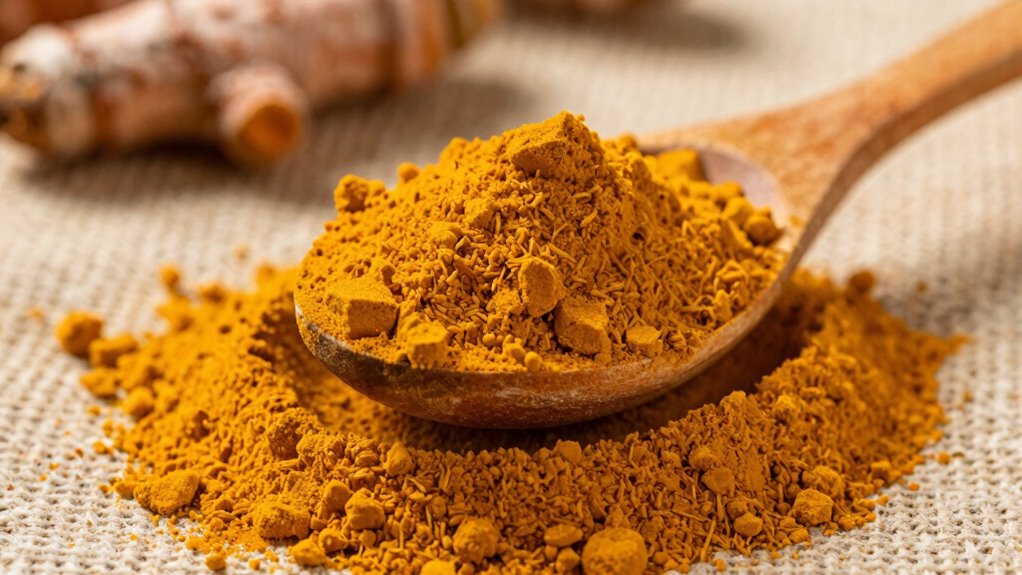

While turmeric is safe in small amounts, taking more than 500 to 2,000 mg daily can lead to side effects like digestive upset, increased bleeding risk, or liver issues. Overusing it might interfere with iron absorption or worsen gallbladder problems. To stay safe, stick to recommended doses and consult your healthcare provider if you experience any adverse effects. Keep exploring to learn how to incorporate turmeric wisely and protect your health.

Get kitchen staples and gadgets delivered free — and shop member deals
- Fast, free delivery on millions of items
- Access to Prime Big Deal Days deals on October 6–7
- Prime Video, Amazon Music and more included
Key Takeaways
- The recommended daily turmeric extract intake is 500-2,000 mg; exceeding this may cause adverse effects.
- Excessive turmeric can lead to digestive issues, blood thinning, and interfere with liver and iron function.
- Using turmeric in cooking is generally safe, but high supplemental doses should be monitored carefully.
- Overuse may worsen gallbladder problems and increase bleeding risk, especially with blood-thinning medications.
- Always consult healthcare providers before increasing dosage or combining turmeric with other medications or supplements.
As an affiliate, we earn on qualifying purchases.
How Much Turmeric Should You Take Each Day?

Determining the right amount of turmeric to take each day depends on your health goals and individual tolerance. When considering turmeric dosage, it’s important to follow recommended guidelines to guarantee supplement safety. Most studies suggest that 500 to 2,000 milligrams of turmeric extract daily can provide health benefits, but this varies based on concentration and formulation. If you’re using turmeric powder in cooking, small amounts are generally safe, but high doses as supplements should be taken cautiously. Always check product labels and consult with a healthcare professional before starting new supplements. Proper dosage helps you avoid potential side effects and maximizes benefits. Remember, more isn’t always better—stick to recommended amounts for safe and effective use. Monitoring for potential adverse effects such as gastrointestinal discomfort or interactions with medications is also advisable, especially when considering supplement safety and appropriate intake levels. Additionally, understanding recommended dosages can help you tailor your intake to your specific health needs and reduce the risk of adverse reactions.
turmeric extract 2000mg capsules
As an affiliate, we earn on qualifying purchases.
As an affiliate, we earn on qualifying purchases.
What Are the Risks of Eating Too Much Turmeric?
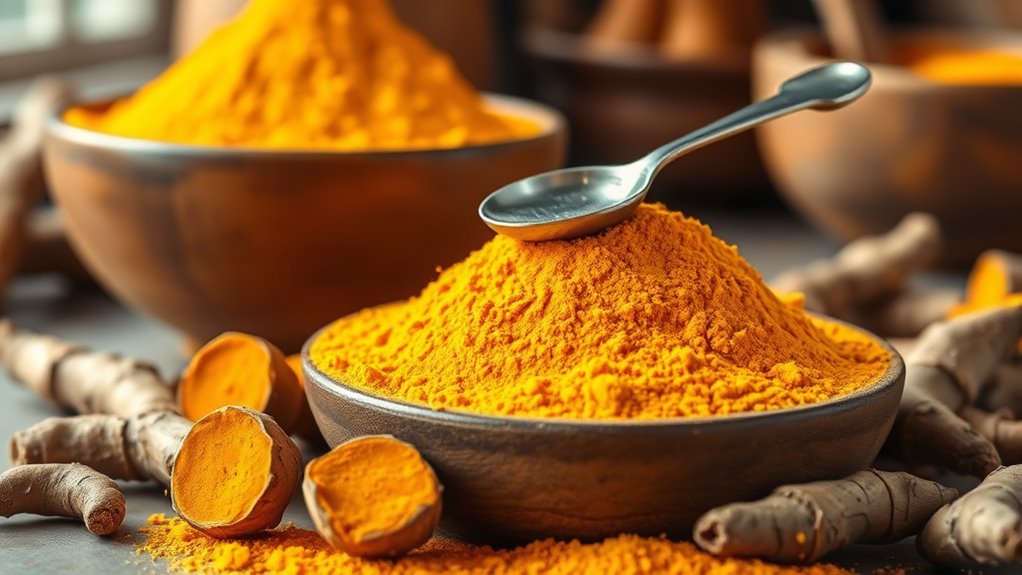
Eating too much turmeric can lead to digestive issues like upset stomach or nausea. It may also thin your blood, increasing the risk of bleeding, especially if you’re on medication. Additionally, excessive intake could impact your liver health, so moderation is key. Being mindful of glycolic acid benefits for skin and their ingredients can help you manage your overall intake. Overconsumption might also interfere with a healthy immune system, potentially affecting your body’s ability to fight infections. Understanding precious metals IRA markets can help individuals make informed choices about their health and investments.
Digestive Upset Risks
While turmeric offers many health benefits, consuming too much can lead to digestive upset. Excessive intake may cause symptoms like bloating, diarrhea, or stomach cramps. It’s important to consider herbal interactions, as turmeric can interact with certain medications or supplements, potentially amplifying gastrointestinal issues. Following dosage guidelines is crucial to avoid overconsumption; high doses often exceed safe limits and increase the risk of upset. If you notice persistent stomach discomfort after taking turmeric, reduce your intake and consult a healthcare professional. Being mindful of how much you consume and understanding potential interactions can help you enjoy turmeric’s benefits without upsetting your digestive system. Additionally, understanding proper dosage is essential for safe consumption. Remember, moderation is key to balancing health benefits with avoiding adverse effects. Incorporating natural remedies and staying within recommended limits can further minimize the risk of digestive issues. Being aware of herbal interactions can also help prevent unwanted side effects. Paying attention to recommended intake levels can aid in preventing overuse and associated discomforts. Recognizing the importance of herbal safety can help you enjoy turmeric safely without adverse effects.
Blood Thinning Concerns
Because turmeric contains natural compounds that can thin the blood, consuming large amounts may increase your risk of bleeding or bruising, especially if you’re taking blood-thinning medications or have bleeding disorders. It’s important to consider your turmeric dosage carefully; high doses might amplify blood thinning interactions with medications like warfarin or aspirin. blood thinning interactions can be more severe with excessive intake, so caution is advised. While moderate turmeric intake is generally safe, exceeding recommended amounts could lead to unintended bleeding complications. If you’re on blood thinners or have bleeding concerns, consult your healthcare provider before increasing your turmeric intake. Monitoring your intake ensures you avoid potential adverse effects while still enjoying turmeric’s health benefits. Remember, blood thinning considerations are crucial when consuming turmeric in large quantities, as excessive intake can interfere with normal clotting processes. Additionally, paying attention to toilet flushing mechanisms can help prevent plumbing issues that may arise from improper disposal of waste or flushing habits. It’s also helpful to stay informed about recommended daily turmeric limits to avoid unintentional overconsumption.
Potential Liver Effects
Consuming excessive amounts of turmeric may pose risks to your liver health, especially if you already have existing liver conditions or take medications that affect liver function. High turmeric intake can interfere with your liver’s ability to perform proper liver detox processes, potentially leading to strain or damage. Additionally, turmeric’s compounds can inhibit certain liver enzymes responsible for metabolizing drugs, causing drug interactions or toxicity. This enzyme inhibition might slow down detox pathways, making it harder for your liver to clear toxins effectively. While turmeric is generally safe in moderation, consuming large doses over time could increase the risk of liver stress or injury. If you have liver issues or take medications, consult your healthcare provider before increasing your turmeric intake. Moreover, understanding candy varieties and innovations can help you make informed choices about your treat consumption and health. Being aware of liver enzyme activity can help you better understand how turmeric interacts with your body’s detox systems.
As an affiliate, we earn on qualifying purchases.
How Do You Know If You’re Overdoing It?
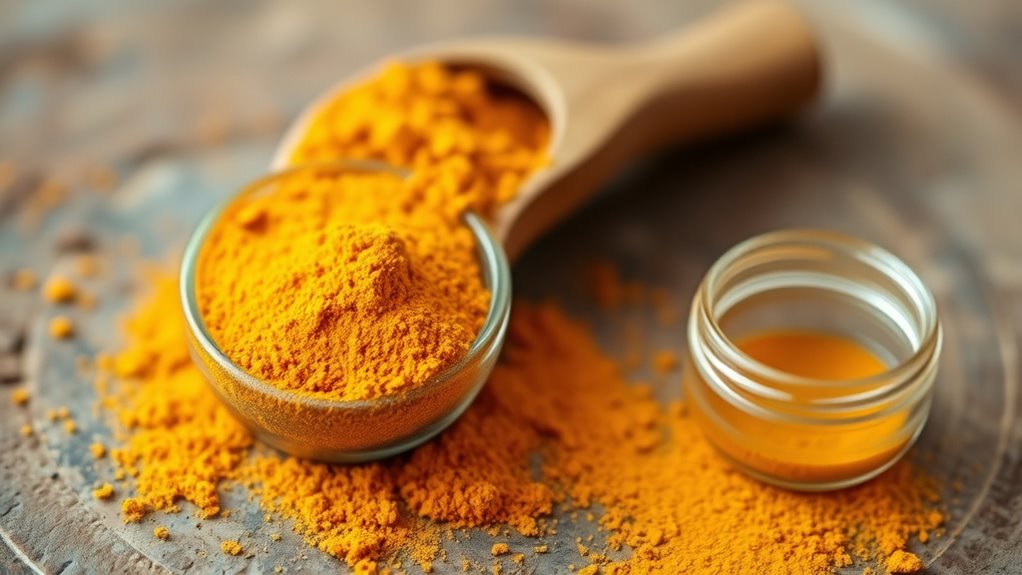
Even if turmeric is generally safe, taking too much can lead to unwanted side effects. You might notice symptoms like upset stomach, nausea, or diarrhea, signaling you’re overdoing it. Pay attention to potential turmeric allergies, which can cause skin rashes, itching, or swelling, indicating a reaction. Turmeric interactions are also important to recognize; if you experience bleeding more easily or bruising, it could mean you’re taking too much, especially if you’re on blood thinners. Headaches or dizziness may also occur if you’re consuming excessive amounts. Monitoring your body’s responses helps you avoid adverse effects. Additionally, being aware of best safety glasses for 2024 can help protect your eyes during health-related activities. Recognizing adverse effects early allows for prompt adjustments to your intake. It’s also wise to stay informed about potential drug interactions, as these can influence how turmeric affects your body and other medications. For example, excessive turmeric consumption might interfere with blood clotting processes, increasing the risk of bleeding. If you notice any of these signs, consider reducing your intake and consulting a healthcare professional to ensure your turmeric use remains safe. Staying informed about possible drug interactions can further help you prevent negative health outcomes.
blood thinning turmeric supplement
As an affiliate, we earn on qualifying purchases.
As an affiliate, we earn on qualifying purchases.
Tips for Incorporating Turmeric Safely Into Your Diet
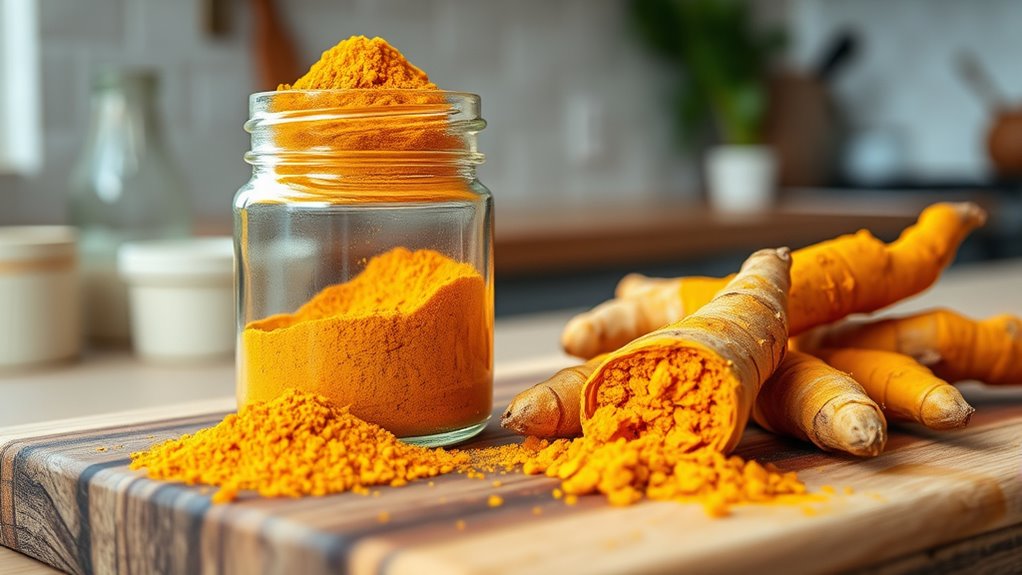
To incorporate turmeric into your diet safely, start by adding small amounts and gradually increasing your intake. Use simple cooking tips like mixing a pinch into smoothies, soups, or rice dishes to get used to its flavor. Always measure your servings to avoid overdoing it. Proper turmeric storage is essential; keep it in an airtight container in a cool, dark place to maintain freshness and potency. If you’re buying fresh turmeric root, store it in the refrigerator wrapped in paper towels to prevent spoilage. When cooking, combine turmeric with black pepper and healthy fats, which help your body absorb its beneficial compounds. Remember, moderation is key to enjoying turmeric’s benefits without risking adverse effects. Additionally, understanding proper storage techniques can help preserve turmeric’s quality and potency over time.
Turmeric and Health Conditions to Watch Out For
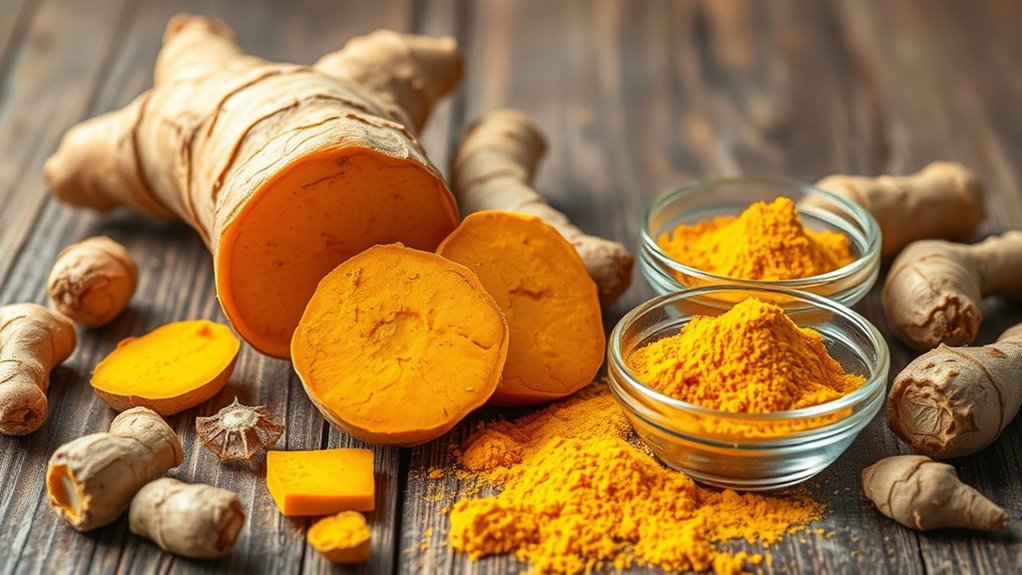
You should be aware that turmeric may increase blood thinning, which could be risky if you’re on certain medications or preparing for surgery. People with gallbladder issues might experience discomfort or complications from turmeric’s effects. Additionally, high doses can interfere with iron absorption, potentially leading to deficiencies, especially if you already have health concerns in these areas.
Blood Thinning Risks
While turmeric is celebrated for its health benefits, it can also pose risks for blood thinning, especially if you’re taking medications or have certain health conditions. You should be cautious about herbal interactions and follow dosage guidelines carefully. Here are key points to contemplate:
- If you’re on blood thinners like warfarin, turmeric may increase bleeding risk.
- Always consult your healthcare provider before adding turmeric supplements.
- Be aware of herbal interactions that could amplify blood thinning effects.
- Stick to recommended dosage guidelines to avoid unintended side effects.
Monitoring your intake and discussing your health conditions with a professional helps prevent complications. Even natural supplements require careful management when it comes to blood thinning concerns.
Gallbladder Concerns
Although turmeric offers numerous health benefits, it’s important to contemplate its effects on your gallbladder, especially if you have existing gallbladder issues. Turmeric stimulates bile production, which can aid digestion, but for those with gallstones or inflammation, this increased bile flow might worsen symptoms or cause discomfort. If you take turmeric supplements regularly, consider consulting your healthcare provider to assess your gallbladder health. While moderate turmeric use is generally safe, high doses could potentially lead to complications in sensitive individuals. Pay attention to your body’s response, and avoid excessive intake if you notice any gallbladder-related discomfort. Staying informed and cautious helps ensure you enjoy turmeric’s benefits without risking your gallbladder health.
Iron Absorption Effects
Turmeric’s ability to stimulate bile production not only aids digestion but also influences how your body absorbs certain nutrients, particularly iron. If you consume large amounts of turmeric, it can interfere with iron absorption, which is vital for energy and immune health. This effect is especially important if you have an iron deficiency or anemia. To maximize fermentation benefits and nutrient uptake, consider sourcing high-quality turmeric. Be mindful of these points:
- Excessive turmeric intake may hinder iron absorption, impacting your energy levels.
- Combining turmeric with vitamin C-rich foods can counteract this effect and improve absorption.
- Fermentation of turmeric may enhance bioavailability of its beneficial compounds.
- Always check turmeric sourcing to guarantee purity and avoid contaminants that could affect digestion.
Monitoring your intake helps maintain balanced nutrient absorption and overall health.
Discussing Your Turmeric Use With Your Doctor
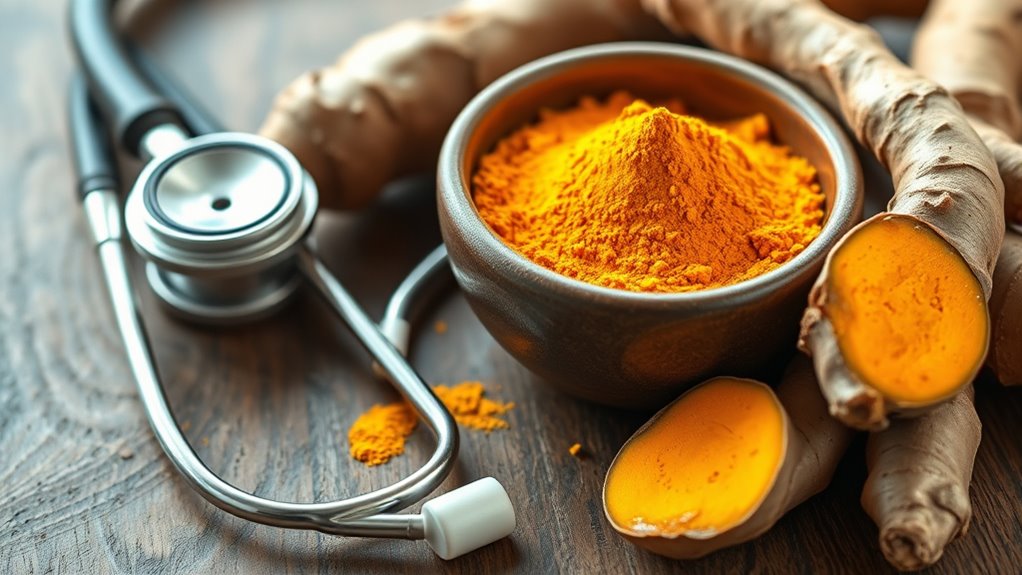
Talking to your doctor about your turmeric use is essential, especially if you’re taking supplements or consuming it regularly. Your healthcare provider can help determine the appropriate turmeric dosage based on your health needs and prevent potential interactions. They can also advise you on supplement safety, making sure you’re not exceeding recommended amounts that could cause adverse effects. Be honest about all the supplements and medications you’re using, as turmeric can interact with blood thinners, diabetes medications, and more. Your doctor can guide you on integrating turmeric safely into your routine and help monitor for any unexpected side effects. Open communication ensures you maximize turmeric’s benefits while minimizing risks, making your supplement use both effective and safe.
What to Do If You Experience Side Effects From Turmeric
If you notice any unusual symptoms after starting turmeric supplements or increasing your intake, it’s important to take prompt action. You might experience turmeric allergies or adverse turmeric interactions, which require careful attention.
- Stop taking turmeric immediately to see if symptoms improve.
- Seek medical advice, especially if you experience rash, swelling, or difficulty breathing.
- Keep track of your symptoms and inform your healthcare provider about any turmeric allergies or interactions with other medications.
- Consider testing for turmeric allergies or sensitivities to avoid future reactions.
Frequently Asked Questions
Can Turmeric Interact With Common Medications?
Turmeric can interact with common medications, so you should be cautious about potential drug interactions. It may affect blood thinners, diabetes medications, and antacids, leading to increased bleeding risk or altered drug effectiveness. Always consider dosage concerns, as high amounts might cause issues. Consult your healthcare provider before adding turmeric supplements to your routine, especially if you’re on medication, to avoid any adverse effects or interactions.
Is Turmeric Safe During Pregnancy and Breastfeeding?
You might think turmeric is safe during pregnancy and breastfeeding, but current dietary guidelines advise caution. As an herbal supplement, large amounts could cause complications or affect milk production. While small culinary amounts are generally considered safe, it’s best to consult your healthcare provider before adding turmeric supplements to your routine. Following professional advice guarantees you and your baby stay healthy and protected during this sensitive time.
How Long Does It Take to Notice Benefits From Turmeric?
You might notice turmeric benefits within a few days to a few weeks. It depends on your dosage guidelines and how well your body absorbs it. Typically, consistent use over 4 to 8 weeks shows more noticeable effects, especially for inflammation or pain relief. Taking it with black pepper or fats can improve absorption rates, helping you experience the benefits sooner. Patience and proper dosage are key to seeing results.
Are There Any Long-Term Effects of High Turmeric Intake?
Sure, overusing turmeric might seem harmless, but long-term effects of turmeric overuse could include gastrointestinal issues, blood thinning, or liver problems. Ironically, what’s praised as a natural remedy could turn into a health concern if you indulge excessively. You should be cautious, as taking too much might cause more harm than good. Always consult a healthcare professional if you plan to use turmeric long-term, especially in high doses.
Can Turmeric Replacements Provide Similar Health Benefits?
Yes, alternative herbs and herbal substitutes can offer similar health benefits as turmeric. Herbs like ginger, cumin, and saffron contain anti-inflammatory and antioxidant properties, making them good options. You can incorporate these herbs into your diet to support your health without relying solely on turmeric. However, keep in mind that the effectiveness of herbal substitutes varies, so consult with a healthcare professional to find the best options for your needs.
Conclusion
Remember, moderation is key when it comes to turmeric—think of it as a spice that can brighten your health without overwhelming your system. If you overdo it, you might face unwanted side effects, like a car running rough if you push the engine too hard. Stay informed, listen to your body, and chat with your doctor if you’re unsure. Using turmeric wisely is like steering a boat—steady and mindful keeps you on course toward better health.
NFL season / tailgating Picks
team gear
As an affiliate, we earn on qualifying purchases.