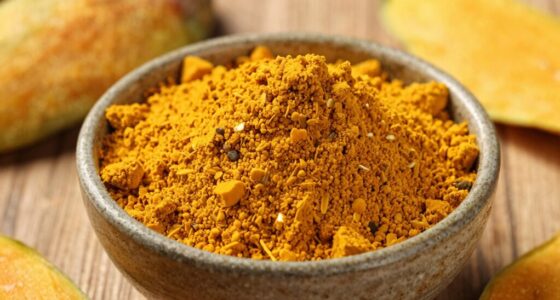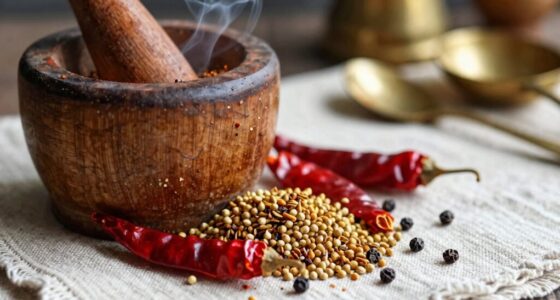
Kashmiri chili is prized for its vibrant red color and mild heat, making it perfect for adding visual appeal and subtle flavor without overwhelming spiciness. This unique hue results from natural sun-drying and pigment concentration, while its milder heat comes from lower capsaicin levels cultivated in high-altitude regions. Its smoky, fruity flavor enhances dishes without excessive heat. To discover how this chili achieves its rich color and delicate warmth, keep exploring its cultivation and culinary uses.

Get kitchen staples and gadgets delivered free — and shop member deals
- Fast, free delivery on millions of items
- Access to Prime Big Deal Days deals on October 6–7
- Prime Video, Amazon Music and more included
Key Takeaways
- Kashmiri chili’s vibrant red color results from natural drying and pigment concentration, not artificial dyes.
- Proper sun-drying preserves its color and flavor while maintaining mild heat levels.
- High-altitude cultivation and specific regional conditions impart its characteristic mild spiciness and aroma.
- Processing methods like dry roasting and blooming in oil enhance color and deepen flavor without increasing heat.
- Its lower capsaicin content provides visual appeal and subtle flavor, making it ideal for color-rich, mild dishes.
As an affiliate, we earn on qualifying purchases.
Why Is Kashmiri Chili Known for Its Vibrant Red Color?
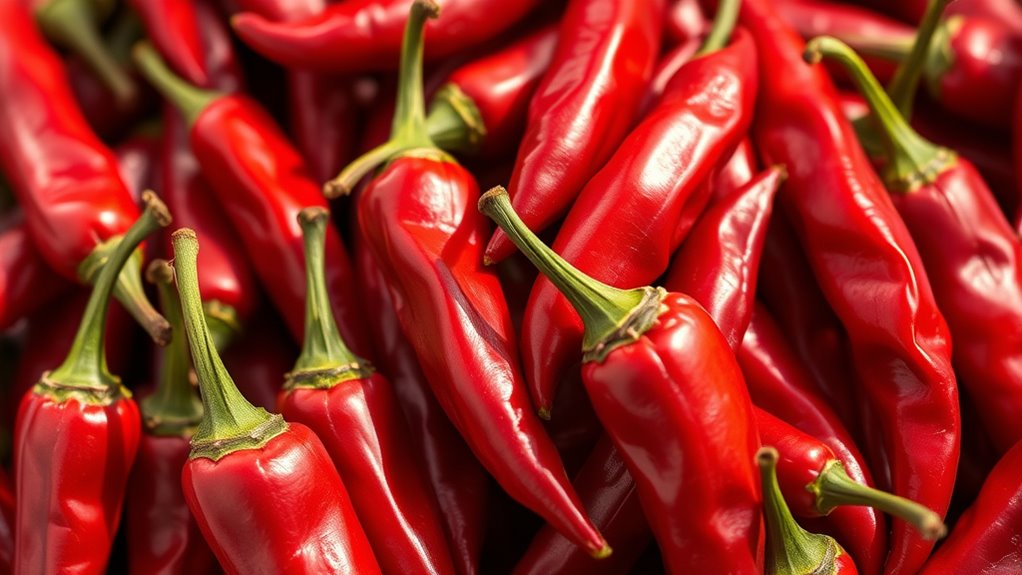
Kashmiri chili is renowned for its vibrant red color, and this striking hue results from a specific drying process combined with natural pigments. This vivid color holds deep cultural significance, symbolizing warmth and prosperity in Kashmiri traditions. The chili’s rich red shade enhances traditional recipes like gushtaba and various curries, making them visually appealing and culturally authentic. The drying method involves sun-drying the chilies to concentrate their pigments, which intensifies their color without adding artificial dyes. This process preserves the chili’s natural qualities and guarantees it remains a key ingredient for flavor and aesthetics. Additionally, the natural drying process plays a crucial role in maintaining the chili’s health benefits and unique flavor profile. During this process, the chili’s pigment concentration increases, resulting in a more vibrant hue that is characteristic of Kashmiri chilies. The natural pigments, primarily carotenoids, are responsible for the bright red coloration, and their oxidation during drying further enhances the color intensity. As a result, Kashmiri chili’s vibrant red isn’t just beautiful—it’s an integral part of the region’s culinary identity and cultural heritage.
As an affiliate, we earn on qualifying purchases.
How Is Kashmiri Chili Cultivated and Processed for Quality?
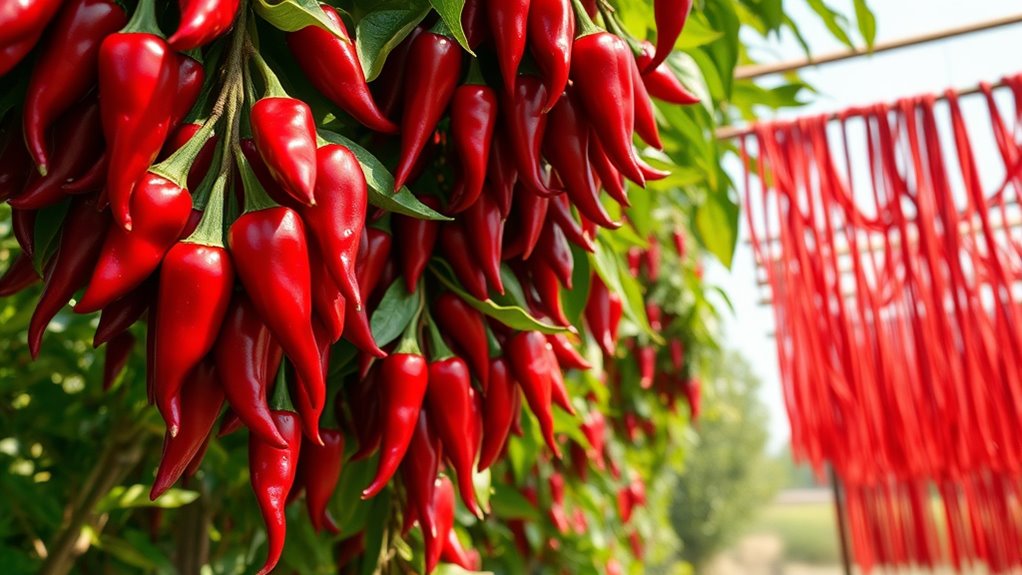
To guarantee high-quality Kashmiri chili, cultivation begins with selecting the right soil and climate conditions, which are vital for developing its distinctive flavor and vibrant color. Farmers carefully monitor the crop’s growth, using specific harvest techniques like handpicking the ripe red pods to ensure only the best peppers are selected. After harvest, the drying process is essential; traditional drying methods involve sun-drying the chilies on mats or open grounds, which preserves their color and flavor. Some producers use low-temperature drying to prevent losing quality. Proper drying reduces moisture content, preventing mold and spoilage. These meticulous cultivation and processing steps ensure the chilies retain their vivid color and mild heat, making Kashmiri chili unique in both appearance and taste. Understanding the importance of digital revolutions helps explain how modern technology is influencing traditional cultivation and processing methods.]
As an affiliate, we earn on qualifying purchases.
What Makes Kashmiri Chili Mild in Heat Compared to Other Reds?
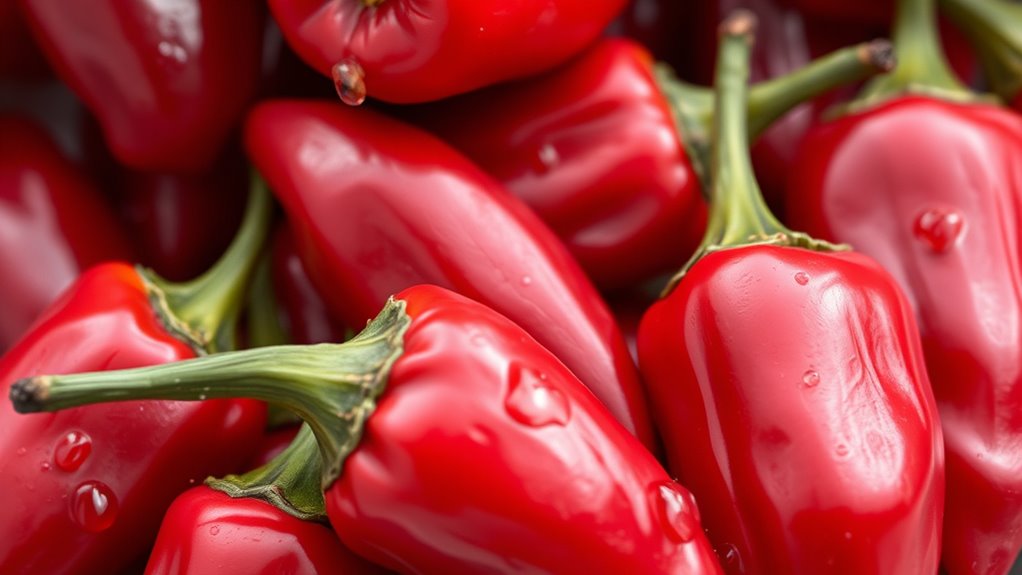
The mild heat of Kashmiri chili mainly results from its unique chemical composition and cultivation practices. Unlike hotter chilies, it contains lower levels of capsaicin, which gives heat. Its flavor profile emphasizes aroma and color over spiciness, making it ideal for chili powder recipes that favor depth without overwhelming heat. Its cultivation at high altitudes and careful processing preserve these qualities. Additionally, chemical composition influences its mildness, and the region’s specific growing conditions contribute to its distinctive characteristics. Here’s a quick comparison: Free Floating. The environmental factors of the region also play a crucial role in maintaining its mild profile compared to other chili varieties. These factors include soil type, climate, and harvesting techniques, all of which are essential for consistent quality.
As an affiliate, we earn on qualifying purchases.
How Does Kashmiri Chili Differ From Other Red Chilies in Flavor and Use?
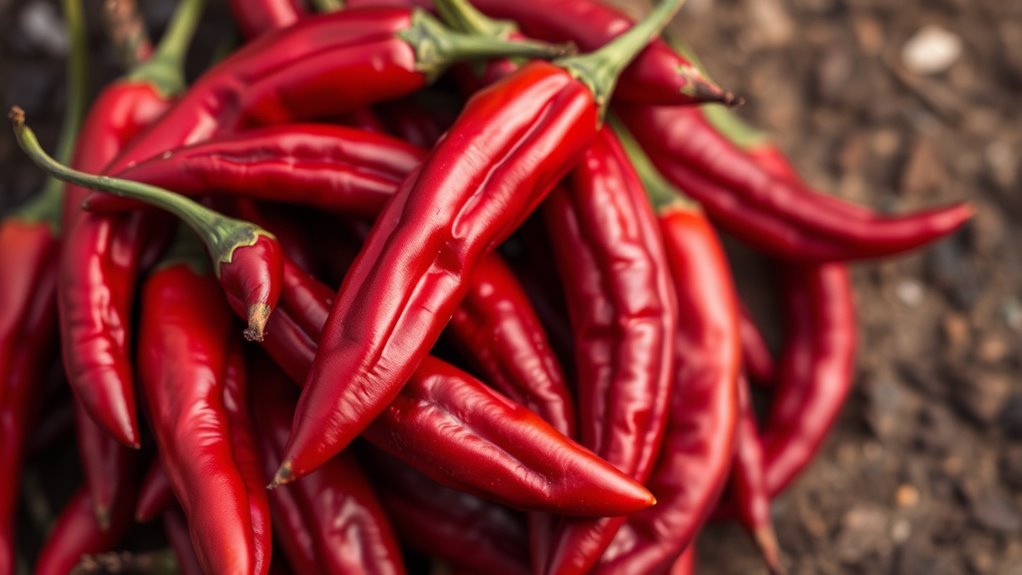
Kashmiri chili stands out with its milder heat, making it perfect for adding color without overwhelming spice. Its rich, vibrant hue enhances dishes visually, while its unique flavor imparts a smoky, slightly fruity taste. You’ll find it used differently in recipes, often for color and aroma rather than intense heat.
Milder Heat Level
Unlike many other red chilies, Kashmiri chili offers a milder heat that makes it ideal for adding vibrant color and flavor without overwhelming spiciness. This gentle heat allows you to focus on its rich, smoky notes and versatility in the kitchen. When considering flavor pairing, you’ll find Kashmiri chili complements ingredients like yogurt, garlic, onion, and tomatoes perfectly. Its culinary versatility means you can use it in a variety of dishes—from creamy curries to grilled meats—without fear of overpowering other flavors. Here are some key points:
- Mild heat enhances flavor without overpowering dishes.
- Perfect for balancing spice levels in delicate recipes.
- Ideal for creating rich, layered flavors.
- Suitable for both traditional and modern cuisines.
Rich Vibrant Color
What sets Kashmiri chili apart from other red chilies is its ability to impart a deep, vibrant color to dishes without adding excessive heat. This rich hue holds cultural significance, symbolizing tradition and pride in Kashmiri cuisine. The chili’s vibrant color results from traditional harvesting methods, where ripened chilies are carefully picked and sun-dried to preserve their deep red pigment. Unlike other chilies that may sacrifice color for heat, Kashmiri chili’s unique processing enhances its visual appeal, making it a favorite in regional dishes. This striking color elevates the visual presentation of food, emphasizing its cultural roots and traditional craftsmanship. The chili’s vivid hue makes it a culinary signature that highlights Kashmiri culinary artistry without overwhelming the palate. Additionally, the processing techniques used in preparing Kashmiri chilies help maintain their vibrant color and unique flavor profile. These methods also contribute to the chili’s distinctive flavor, setting it apart from other varieties. Furthermore, the careful selection process during harvesting ensures only the best chilies are used, which enhances both color and flavor. Incorporating butter during processing can also help preserve the chili’s vibrant hue and improve its texture.
Unique Culinary Uses
This vibrant chili stands out in the kitchen because it imparts a rich color and a distinctive, smoky flavor that sets it apart from other red chilies. Its cultural significance and historical origins influence how you use it in cooking. Unlike fiery chilies, Kashmiri chili adds depth without overwhelming heat. Its culinary versatility includes:
- Enhancing curries with vibrant color and subtle smokiness
- Marinating meats for a tender, flavorful profile
- Garnishing rice dishes for visual appeal and mild spice
- Making traditional spice blends that honor Kashmiri heritage
These uses reflect its role in regional cuisine and symbolize its cultural importance. You’ll find that Kashmiri chili’s unique flavor profile elevates dishes while paying homage to its historical roots. Its culinary applications are both practical and culturally meaningful.
How Do Chefs Use Kashmiri Chili to Add Color and Subtle Flavor?

Chefs turn to Kashmiri chili not only for its vibrant red color but also for its ability to enhance dishes with a gentle, smoky warmth. They use specific cooking techniques like dry roasting or blooming the chili in hot oil to release its color and subtle flavor without overpowering the dish. When pairing ingredients, they combine Kashmiri chili with spices like cumin, coriander, or garlic to create a balanced, layered taste. You’ll often see chefs adding the chili early in the cooking process, allowing the color to deepen and the flavor to meld with other ingredients. This careful approach guarantees the chili lends a rich, appealing hue and a delicate smoky undertone, elevating the visual appeal and depth of the dish without adding heat.
Can You Use Kashmiri Chili in Spicy Recipes Without Overheating?
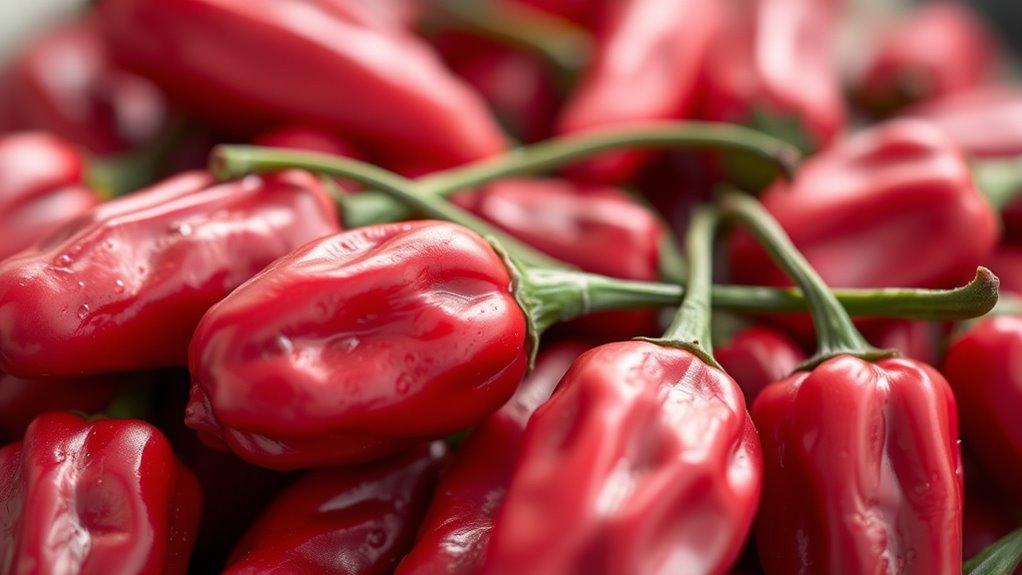
You can use Kashmiri chili in spicy recipes without making them too hot if you manage the heat levels carefully. Its vibrant color and subtle flavor can enhance dishes without overwhelming them with spiciness. By balancing the chili with other ingredients, you can enjoy its unique taste without overheating your dish. Additionally, controlling the fuel choices used to prepare the chili can influence its heat intensity and safety.
Managing Heat Levels
Kashmiri chili is prized for its vibrant color and mild heat, making it a popular choice for adding flavor without overwhelming spiciness. To manage heat levels, you should understand its cultural significance and harvesting techniques, which influence flavor and potency. Here are key tips:
- Use smaller quantities to control spiciness while maintaining color.
- Incorporate the chili early in cooking to mellow its heat.
- Remove seeds, which contain most of the heat, if you prefer milder dishes.
- Combine Kashmiri chili with cooling ingredients like yogurt or cream to balance spice.
Enhancing Flavor Without Spiciness
While Kashmiri chili is known for its vibrant color and mild heat, it can still add depth and complexity to spicy recipes without making them overly fiery. Its cultural significance in Kashmiri cuisine highlights its role in enhancing dishes without overwhelming heat. The historical origins of Kashmiri chili trace back centuries, where it was prized more for its rich color and aroma than its spiciness. When used thoughtfully, it provides a smoky, earthy flavor that complements other spices, elevating dishes without increasing heat. This makes it perfect for those who want flavor and visual appeal without the burn. Incorporating Kashmiri chili allows you to preserve the traditional essence of Kashmiri cooking while customizing the spice level to suit your taste.
What Are the Health Benefits of Kashmiri Chili’s Unique Composition?
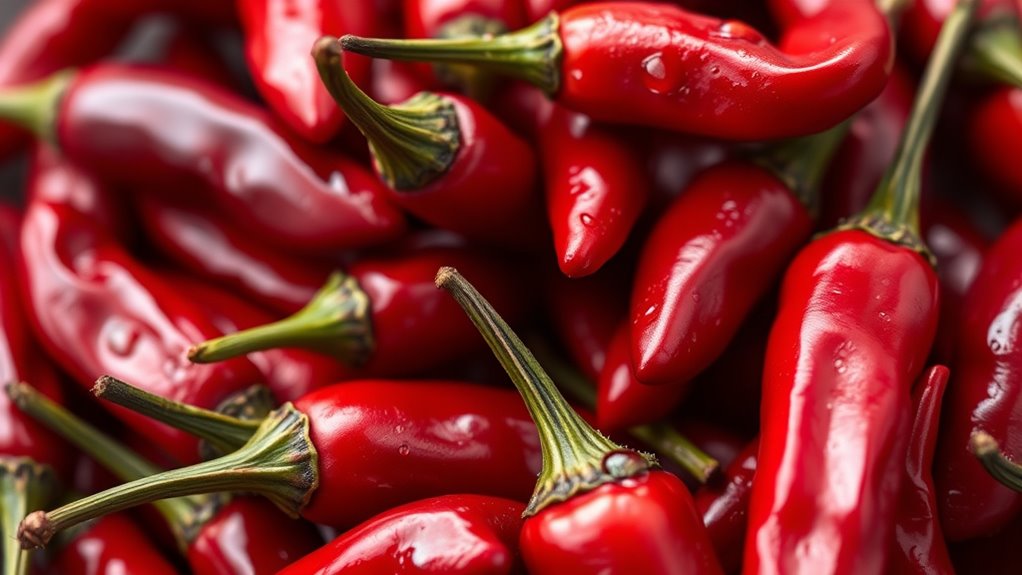
The unique composition of Kashmiri chili offers several notable health benefits that can positively impact your well-being. Its rich nutritional benefits include vitamins and minerals that support overall health. Additionally, its high antioxidant properties help fight free radicals, reducing oxidative stress. Here’s what makes Kashmiri chili particularly beneficial: 1. Boosts immune function with vitamin C content 2. Supports digestion through capsaicin’s mild effects 3. Promotes healthy skin due to antioxidants 4. Helps reduce inflammation and improve circulation which can contribute to overall health. The presence of antioxidants in Kashmiri chili further enhances its ability to combat oxidative stress and support cellular health. Incorporating nutritional compounds such as vitamins and minerals found in Kashmiri chili can further enhance its health-promoting effects. Including bioactive compounds from Kashmiri chili may also support long-term wellness and disease prevention.
Where Can You Find Authentic Kashmiri Chili for Cooking?
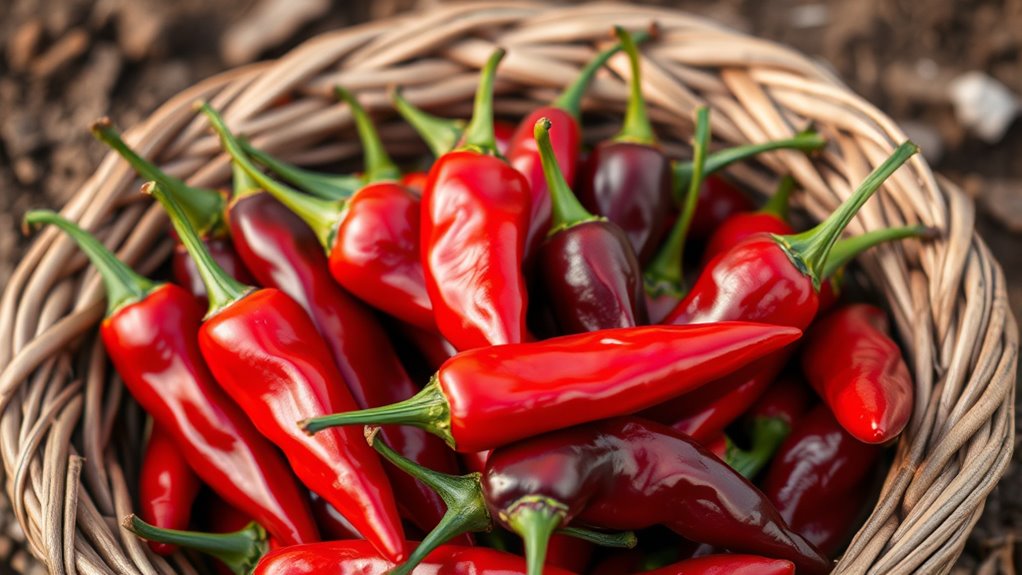
Ever wondered where to find authentic Kashmiri chili for your cooking? You’ll likely have the best luck visiting local markets in Kashmir or nearby regions, where farmers and vendors sell freshly dried or ground chili. These markets often offer genuine, high-quality spices directly from producers. If you’re not in the area, online stores are a convenient alternative. Reputable spice retailers and specialty food websites carry authentic Kashmiri chili, often sourced directly from Kashmir or trusted suppliers. Look for sellers with good reviews and detailed product descriptions to guarantee authenticity. Whether you shop locally or online, verifying the source helps you get the vibrant color and subtle flavor that make Kashmiri chili so distinctive. Authentic sourcing methods ensure you’re getting the true quality of this prized spice. Paying attention to spice authenticity can also help you avoid counterfeit or lower-quality products, ensuring your dishes achieve the authentic flavor and appearance you desire. Additionally, understanding supply chain transparency can further assure you of the product’s genuineness.
Frequently Asked Questions
Is Kashmiri Chili Suitable for People With Spice Sensitivities?
Yes, Kashmiri chili is suitable for people with spice sensitivity because it’s a mild chili that offers vibrant color without the intense heat. If you’re sensitive to spicy foods, you’ll appreciate its gentle flavor and rich hue, adding visual appeal to your dishes without causing discomfort. Just remember, it’s a great choice for those seeking the visual impact of chili without the fiery kick.
How Long Does Kashmiri Chili Retain Its Vibrant Color?
Kashmiri chili retains its vibrant color for about 6 to 12 months if stored properly. To maximize storage longevity, keep it in an airtight container, away from direct sunlight and moisture. If you notice color fading over time, it’s a sign to use it sooner, as exposure to air and light can diminish its bright hue. Proper storage guarantees your Kashmiri chili stays colorful and flavorful longer.
Can Kashmiri Chili Be Used as a Natural Food Coloring?
Isn’t it fascinating how a pinch of Kashmiri chili can transform your dish? Yes, you can use it as a natural dye for culinary use, thanks to its vibrant red hue. Its rich color makes it an excellent natural food coloring, adding visual appeal without artificial additives. Incorporate Kashmiri chili into your recipes to enhance both flavor and appearance, elevating your culinary creations with a splash of authentic color.
What Are Traditional Dishes That Highlight Kashmiri Chili’s Color?
You’ll find Kashmiri chili prominently in dishes like Rogan Josh and Gushtaba, where its vibrant red color enhances visual appeal. Its cultural significance lies in tradition and identity, often symbolizing prosperity. Its culinary versatility allows chefs to add stunning color without overwhelming heat, making it ideal for rich, flavorful curries and gravies. By using Kashmiri chili, you celebrate regional heritage while elevating the dish’s aesthetic appeal.
Are There Any Regional Variations of Kashmiri Chili?
You’ll find regional variations of Kashmiri chili that showcase diverse flavors and appearances. In Kashmir, the chili’s vibrant red color is prized for its mild heat and rich aroma, thanks to specific cultivation practices. Elsewhere, such as in Rajasthan or Gujarat, the chilies may be more pungent or darker, reflecting local climate and soil differences. These regional flavors highlight how cultivation differences influence the chili’s characteristics, making each variety uniquely special.
Conclusion
If you’re looking to add vibrant color without overwhelming heat, Kashmiri chili is your perfect choice. Its stunning red hue comes from natural pigments, not intense spiciness—making it popular worldwide. Did you know that Kashmiri chili accounts for about 70% of chili production in India? With its unique flavor and health benefits, you can confidently incorporate it into many dishes. Elevate your cooking with this beautiful, mild chili that’s as versatile as it is colorful.
NFL season / tailgating Picks
team gear
As an affiliate, we earn on qualifying purchases.