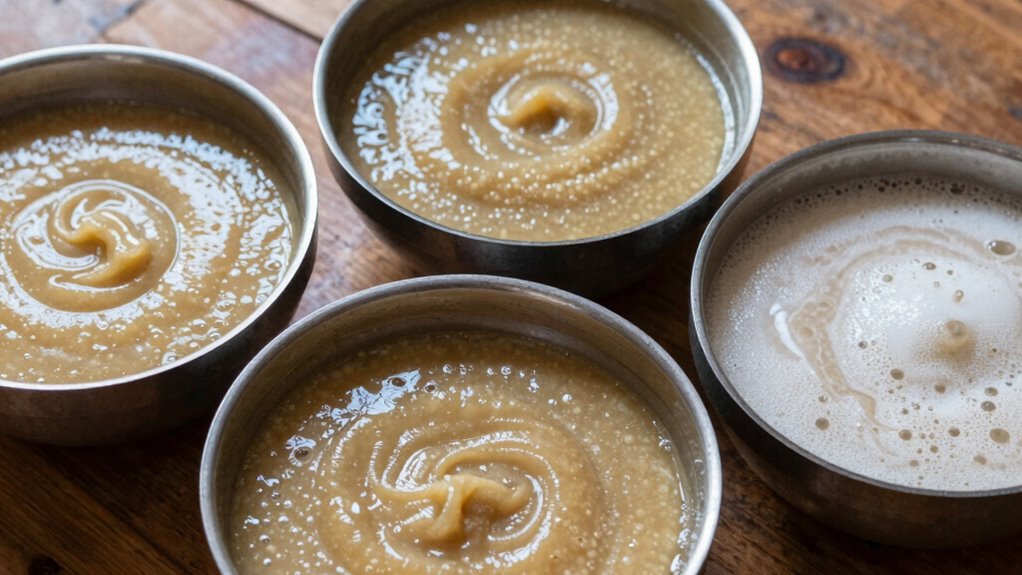

You’ll notice your dosa batter behaves differently in every kitchen because many factors influence fermentation. Variations in ingredient types, water quality, and climate play a big role. For example, different rice and dal types, water softness, and temperature affect how well the batter ferments and rises. Microbial activity from environment and kitchen conditions also makes each batch unique. To understand these nuances better, explore how these factors shape your perfect dosa every time.

Get kitchen staples and gadgets delivered free — and shop member deals
- Fast, free delivery on millions of items
- Access to Prime Big Deal Days deals on October 6–7
- Prime Video, Amazon Music and more included
Key Takeaways
- Ambient temperature and humidity influence microbial activity, affecting fermentation speed and batter texture.
- Variations in water quality and ingredient types impact batter consistency and fermentation outcomes.
- Differences in kitchen environment and cleanliness alter the microbial community, leading to unique fermentation results.
- The rice-to-dal ratio and additional ingredients like fenugreek modify batter rise and final dosa texture.
- Each kitchen’s specific practices and ingredients create subtle variations in fermentation, producing distinct batters.
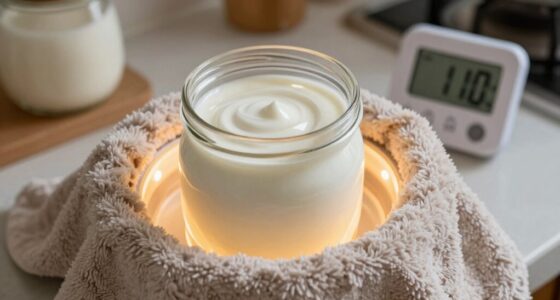
Dosa batter may seem simple—a mixture of rice and urad dal—but it behaves differently in every kitchen. The key factor behind this variation lies in the fermentation process. When you soak the rice and urad dal, the natural bacteria and wild yeasts in your environment kickstart fermentation, converting starches into lactic acid and carbon dioxide. This process creates the bubbly, slightly sour batter that’s essential for light, crispy dosas. But the speed and success of fermentation depend on multiple factors: temperature, humidity, and even the type of water you use. In warmer climates, the batter ferments faster, often within 8 to 12 hours, while in cooler spaces, it might take twice as long. If your kitchen is too cold, you might notice the batter remains lumpy or doesn’t rise properly, resulting in dense dosas. To counter this, some people warm their fermentation environment or leave the batter in a slightly heated spot. Understanding fermentation can help you troubleshoot and optimize the process for better results. Additionally, the microbial activity involved in fermentation varies based on your environment, influencing how quickly your batter develops its characteristic texture and flavor. The ambient temperature plays a crucial role, as it directly impacts the speed of microbial activity and fermentation. Moreover, the presence of wild yeasts in your environment can also influence the fermentation process, making each kitchen’s results unique. Factors like air quality and cleanliness can also impact the microbial community, further contributing to the variations.
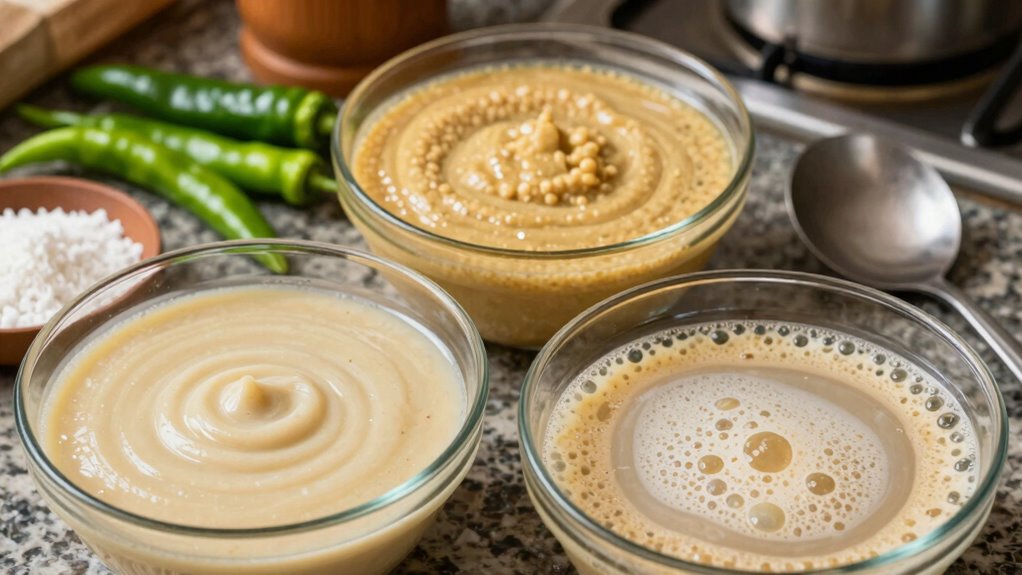
Beyond fermentation, ingredient variations also influence how your batter behaves. For example, the type of rice you choose makes a difference: traditional long-grain or parboiled rice can yield slightly different textures and fermentation times. Some cooks prefer using idli rice, which tends to produce a smoother batter with a more consistent fermentation. The urad dal also varies—split black gram is common, but some add skinned or dehusked versions to tweak the flavor and fermentation rate. Additionally, the ratio of rice to dal can affect the batter’s rise and the crispiness of your dosas. Using more dal can make the batter richer and give a softer texture, while a higher rice ratio often results in crisper dosas. You might also experiment with adding a bit of fenugreek seeds or poha (flattened rice), which can enhance fermentation and improve the batter’s rise.
Water quality and quantity are essential as well. Soft water usually promotes better fermentation, whereas hard water can inhibit the process. The consistency of your batter plays a role, too—thinner batters tend to ferment more evenly, but if it’s too runny, dosas might turn out flimsy. Each kitchen’s unique combination of these ingredient variations, environmental conditions, and even the age of your ingredients influences how your batter ferments and how your dosas turn out. That’s why, despite following a traditional recipe, your dosas can be remarkably different from someone else’s. The magic lies in these subtle differences that make every kitchen’s dosa special.
Frequently Asked Questions
How Does Altitude Affect Dosa Batter Fermentation?
Altitude effects can speed up fermentation because the lower air pressure makes yeast and bacteria work faster, so your dosa batter ferments quicker at higher elevations. You might notice flavor variations too, as the fermentation process influences taste. To adjust, you can reduce fermentation time or tweak ingredient amounts. This way, you guarantee your dosa batter develops the perfect tang and texture, regardless of altitude.
Can Different Types of Rice Change the Batter’s Consistency?
Think of rice varieties as the paints in your culinary palette. Different types, like short-grain or jasmine, influence your batter texture, creating a unique masterpiece each time. Using aromatic or sticky rice can make your batter thicker or more fluid, affecting how your dosas turn out. So, yes, choosing different rice varieties directly shapes your batter’s consistency, giving you control over the final taste and texture of your delicious creation.
What Role Does Water Quality Play in Fermentation?
Water quality greatly influences fermentation because minerals in water, like calcium and magnesium, affect the water’s pH balance, which is vital for yeast activity. If your water has a neutral or slightly acidic pH, fermentation happens smoothly. Hard water with high mineral content can slow fermentation or alter batter texture. Using filtered or mineral-adjusted water guarantees ideal pH balance, leading to consistent fermentation and better dosa batter results.
How Does the Age of the Batter Influence Its Outcome?
You’ll notice that the age of your batter influences its outcome because older batter tends to ferment more, creating a tangier flavor and lighter texture. Proper batter storage is key, as it affects fermentation timing—if kept too long, it may over-ferment and become sour, while fresh batter might need more time to ferment. Monitoring fermentation timing guarantees your dosa turns out perfect, with just the right balance of tang and crispness.
Do Cooking Utensils Impact Batter Fermentation?
Your choice of utensils and fermentation containers can subtly influence your batter’s magic. Metal utensils may hasten fermentation, while clay or wooden ones nurture a gentle, steady rise. Non-reactive materials help maintain a balanced environment, ensuring consistent fermentation. So, select your utensils thoughtfully, as their material shapes the micro-ecosystem within your fermentation containers, guiding the batter’s transformation into fluffy, golden dosas that delight every time.
Conclusion
So, savor the subtle surprises that shape your dosa’s personality. From the fermentation finesse to ingredient influences, every kitchen crafts a unique batter. Embrace these differences, delight in the diverse dosa decorum, and don’t doubt your daring to discover your perfect batter balance. After all, it’s this delightful dance of variables that makes every dosa breakfast a wonderful, wondrous, and wonderfully unique experience!
NFL season / tailgating Picks
team gear
As an affiliate, we earn on qualifying purchases.