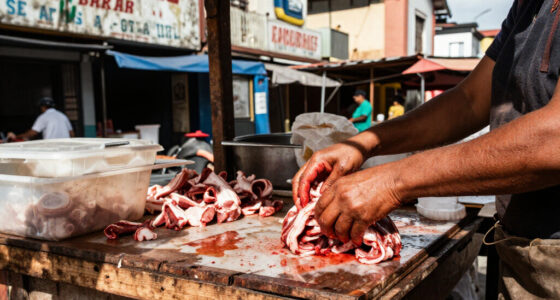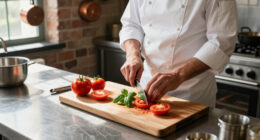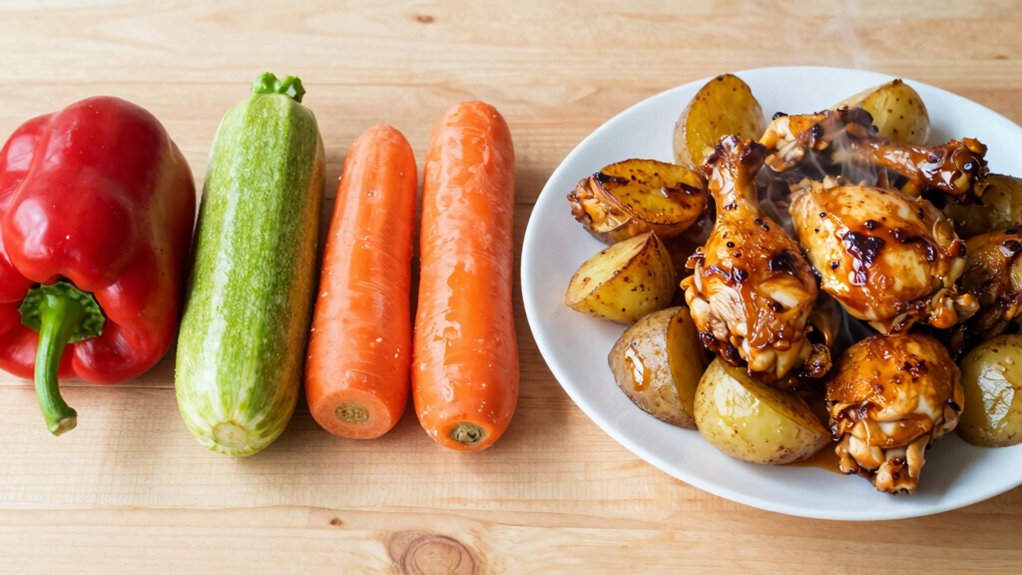
You need to keep raw and cooked foods more separated than you might think because raw meats can drip harmful bacteria onto other foods, causing illness. Even small splashes of raw juices can transfer bacteria, so storing them close can increase health risks. Proper distance helps prevent cross-contamination, and thoroughly cleaning surfaces after handling raw foods is essential. Staying vigilant with these practices keeps your kitchen safer—there’s more to learn about how to protect yourself.

Get kitchen staples and gadgets delivered free — and shop member deals
- Fast, free delivery on millions of items
- Access to Prime Big Deal Days deals on October 6–7
- Prime Video, Amazon Music and more included
Key Takeaways
- Raw juices can easily drip onto cooked foods, spreading harmful bacteria and causing cross-contamination.
- Proper separation prevents bacteria transfer from raw meats to ready-to-eat cooked foods.
- Maintaining distance reduces the risk of splashes and spills that could contaminate other items.
- Separating raw and cooked foods helps control temperature and minimizes bacterial growth.
- Clear physical separation supports overall kitchen hygiene and safer food handling practices.
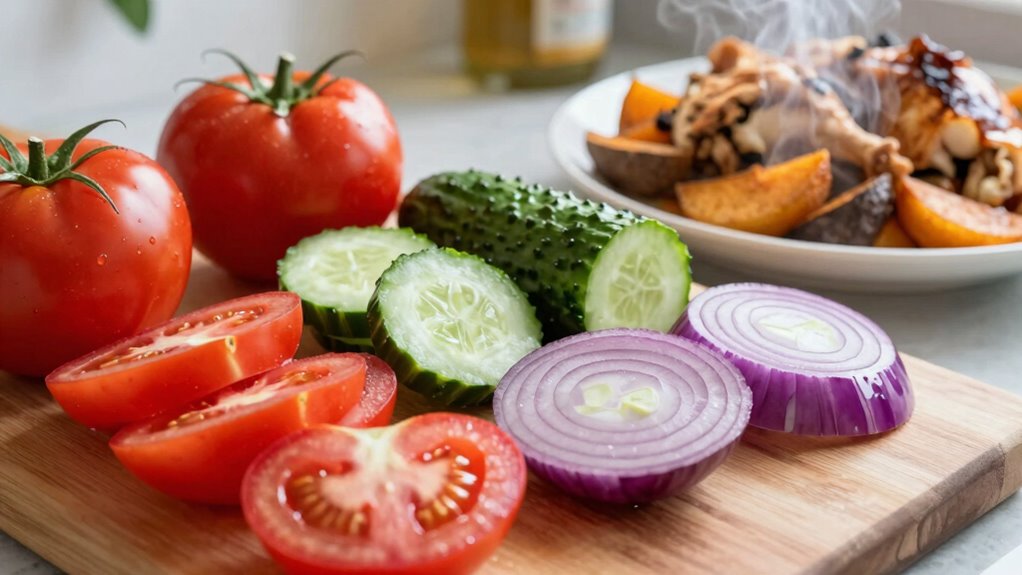
When it comes to storage, place raw meats on the bottom shelf of the refrigerator, away from cooked or ready-to-eat items. This way, if juices leak, they won’t drip onto other foods. Cover raw meats tightly to contain any potential spills or drips, further reducing the chance of bacteria spreading. Keep cooked foods covered and stored separately to avoid accidental contamination during retrieval or serving. Remember, even a small splash of raw juices can introduce bacteria to cooked foods, which could cause illness if consumed.
Cleaning surfaces and utensils is another *critical* aspect of kitchen hygiene practices. After preparing raw foods, disinfect cutting boards, countertops, and knives thoroughly before moving on to cooked foods or other ingredients. Use hot, soapy water followed by a disinfectant spray or solution to eliminate bacteria. This routine minimizes the risk of cross contamination, especially when multiple ingredients are prepared in close succession. Incorporating proper storage practices can further reduce the risk of bacteria transfer and ensure food safety. Additionally, understanding the importance of proper food separation helps reinforce these safety measures. Maintaining awareness of food safety principles is essential to prevent the spread of harmful bacteria and protect your health. Proper handling techniques are also crucial for maintaining an overall safe kitchen environment.
Furthermore, regularly checking the temperature of stored foods helps ensure they stay within safe temperature ranges, preventing bacteria growth. In essence, keeping raw and cooked foods at proper distances isn’t just about organization; it’s about actively preventing bacteria transfer. Adopting these practices safeguards your health and ensures your meals are safe to eat. Staying vigilant with cross contamination prevention measures and maintaining diligent kitchen hygiene practices creates a safer cooking environment for everyone involved. This simple yet effective discipline can make all the difference in avoiding foodborne health risks and maintaining a clean, safe kitchen.
refrigerator raw meat storage containers
As an affiliate, we earn on qualifying purchases.
As an affiliate, we earn on qualifying purchases.
Frequently Asked Questions
Can Cross-Contamination Occur Between Raw and Cooked Foods During Storage?
Yes, cross-contamination can happen between raw and cooked foods during storage if you’re not careful. To guarantee food safety, always keep raw meats separate from cooked foods, and store them on different shelves or containers. Proper contamination prevention means using airtight containers and washing hands and surfaces regularly. This way, you minimize the risk of bacteria transferring and keep your food safe for everyone.
How Long Should Raw and Cooked Foods Be Kept Apart?
Think of raw and cooked foods as rivals in a race; they should stay apart to avoid crossing paths. Keep raw foods separate from cooked ones in food storage for at least 24 hours, and ideally longer if possible. This distance is vital for kitchen hygiene, preventing cross-contamination. Always store raw below cooked items in the fridge, and don’t forget to clean surfaces regularly to maintain safety.
Are Certain Types of Raw Foods More Prone to Spreading Bacteria?
Yes, certain raw foods are more prone to spreading bacteria. For example, raw poultry and seafood often harbor bacteria like Salmonella or Vibrio, making them higher risks for bacteria spread. Leafy greens and raw fruits can also carry bacteria if contaminated. You need to be extra cautious with these foods, keeping them separate from cooked items and other raw foods to prevent cross-contamination and reduce the risk of foodborne illnesses.
Does the Distance Affect Bacterial Transfer During Food Preparation?
Think of bacteria as tiny travelers crossing a crowded street. Increasing the distance during food prep helps prevent their transfer. The more space between raw and cooked foods, the less likely bacteria will jump via surfaces or utensils. Proper surface sanitation and storage separation are essential; they act like traffic signals, guiding bacteria safely away. So, keeping foods apart reduces cross-contamination, ensuring safer meals for everyone.
What Are the Best Practices for Separating Raw and Cooked Foods?
To guarantee food safety and maintain kitchen hygiene, always separate raw and cooked foods using different cutting boards and utensils. Store raw meats below cooked foods in the fridge to prevent drips. Wash your hands thoroughly after handling raw items. Keep raw foods away from ready-to-eat dishes, and clean surfaces regularly. These practices help prevent cross-contamination and keep your kitchen safe and hygienic.
As an affiliate, we earn on qualifying purchases.
Conclusion
So, remember, separating raw and cooked foods isn’t just about avoiding cross-contamination; it’s about protecting your health, preventing illness, and ensuring safety. Keep raw meats away from produce, keep cooked dishes separate from raw ingredients, and keep your kitchen organized and vigilant. Because when you think about it, the distance isn’t just about space — it’s about safety, cleanliness, and peace of mind. Stay cautious, stay clean, and keep your kitchen safe.
kitchen surface disinfectant spray
As an affiliate, we earn on qualifying purchases.
As an affiliate, we earn on qualifying purchases.
food storage containers with lids
As an affiliate, we earn on qualifying purchases.
As an affiliate, we earn on qualifying purchases.
NFL season / tailgating Picks
team gear
As an affiliate, we earn on qualifying purchases.